2026 Best Mig Carbon Welding Wire for Global Buyers?

Time:2026-06-17 Author:Amelia
0%

The selection of the right MIG carbon welding wire is crucial for welders and manufacturers worldwide. In 2026, as industries evolve, the demand for high-quality welding wires increases. MIG carbon welding wire stands out for its versatility and performance in various applications. This type of wire excels in delivering strong and durable welds, making it a preferable choice among professionals.

Quality matters in welding. Choosing the wrong wire can lead to costly mistakes and project delays. MIG carbon welding wire is known for its reliability, which enhances workflow efficiency. Many welders express concerns about inconsistencies and defects in available products. These issues highlight the need for buyers to conduct thorough research before making a purchase.

Several factors influence the selection of MIG carbon welding wire, such as wire diameter and alloy composition. Buyers must align their choices with specific project requirements. In this competitive market, finding the best options can be challenging. However, with the right information and guidance, welders can make informed decisions that lead to successful outcomes.
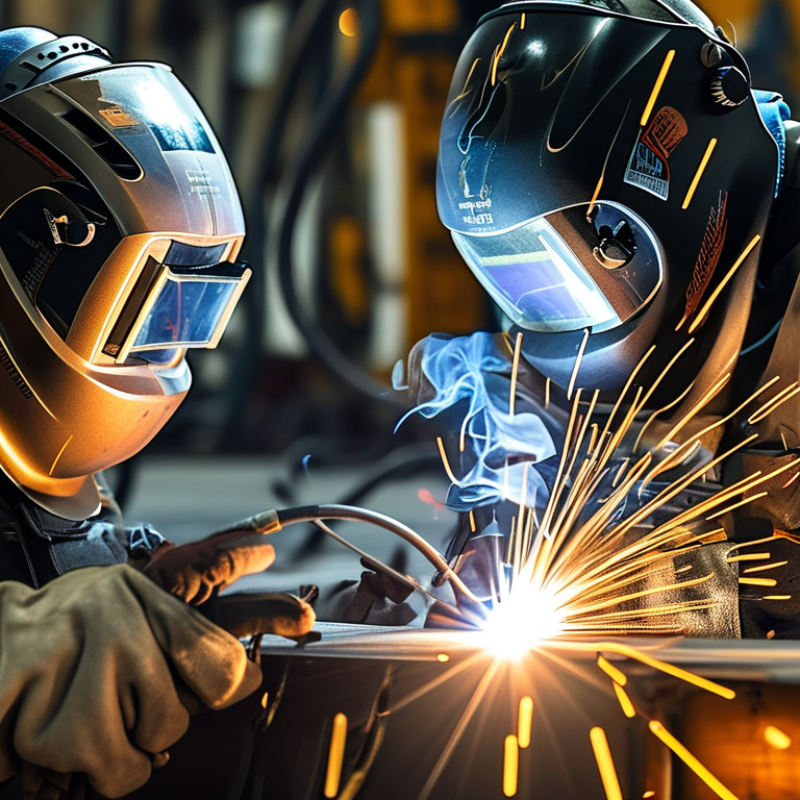
2026 Best Mig Carbon Welding Wire for Global Buyers?

Best Practices for Selecting MIG Carbon Welding Wire in 2026

When selecting MIG carbon welding wire in 2026, buyers should focus on composition and diameter. The metal's strength and application significantly depend on these factors. The alloy percentage influences weld quality. A report by the International Institute of Welding highlighted that wires with higher carbon content may lead to increased hardness but potentially reduce ductility. This trade-off is critical to consider for specific projects.

Another essential aspect is the wire diameter. Industry standards suggest wire sizes ranging from 0.8 mm to 1.2 mm for various tasks. A thinner wire can provide better precision in intricate work, while thicker options may suit heavier applications. According to a 2023 market analysis, 70% of end-users preferred 1.0 mm wires for general-purpose welding, indicating a significant demand for versatility.

Quality cannot be overlooked. Certification from relevant standards can ensure reliability and performance. While many manufacturers offer MIG welding wires, not every product meets stringent industry regulations. Testing certifications are crucial indicators of quality. Buyers should seek products that display compliance with ISO or ANSI standards to ensure they are investing in reliable materials. However, achieving the right balance between cost and quality continues to challenge buyers in a competitive market.

Top Brands of MIG Carbon Welding Wire for Global Market

The global demand for MIG carbon welding wire has been steadily increasing. According to industry reports, the market is expected to grow at a CAGR of 5.2% through 2026. Factors driving this growth include the expansion of various sectors such as automotive, construction, and manufacturing. The versatility of MIG wires has made them essential for different applications, addressing the needs of a diverse clientele.

Some top brands continue to dominate the MIG carbon welding wire market due to their commitment to quality and innovation. Reports indicate that welding wires with higher tensile strength and improved feedability offer better arc stability. Such characteristics are critical in industrial applications, where reliability is paramount. Buyers often look for products that assure strong joint integrity and minimal spatter.

However, variations in quality control among manufacturers present challenges. Some buyers report inconsistent performance across batches from the same supplier. This inconsistency highlights the need for buyers to conduct thorough research before making purchases. Focusing on brands with stringent quality assurance protocols can help mitigate risks. Understanding vendor reliability and product specifications is essential for achieving optimal welding results.

Key Features to Consider in 2026 MIG Carbon Welding Wire

When selecting MIG carbon welding wire in 2026, understanding its key features is crucial. One important aspect is the wire diameter. It directly impacts the heat input and penetration. Thinner wires are suitable for thin materials, while thicker wires work well for heavier sections. This balance is vital for achieving strong welds without burning through the metal.

Another essential consideration is the type of gas used. Various shielding gases can influence bead appearance and penetration. A mix of argon and CO2 often yields excellent results for carbon steel. Testing different gas combinations may help in finding the most effective setup for specific applications.

Moreover, pay attention to the tensile strength of the wire. Higher strength contributes to stronger welds and reduces the likelihood of defects. However, balancing this with ductility is important for flexibility in applications. Achieving this balance can be challenging. Users should be prepared for some trial and error, as not all wires perform the same way under varying conditions.

2026 Best MIG Carbon Welding Wire for Global Buyers

Wire Diameter (mm) Material Type Tensile Strength (MPa) Recommended Use Packaging Type
0.8 Solid MIG Wire 490 Carbon Steel Welding 15kg Spool
1.0 Flux-Cored Wire 530 Outdoor Welding 4.5kg Package
1.2 Stainless Steel Wire 620 Corrosion-Resistant Applications 18kg Spool
0.9 Aluminum Wire 450 Lightweight Fabrication 5kg Roll
1.4 MIG Wire with Coating 700 High-Strength Welding 20kg Spool

Comparative Analysis of MIG Carbon Welding Wire Prices Worldwide

When examining the global market for MIG carbon welding wire in 2026, price variation stands out. Different regions exhibit unique pricing influenced by factors like raw material costs and local demand. Manufacturers from North America may price their products higher than those from Asia, primarily due to production expenses and labor rates. The dynamics of supply chains also play a critical role in pricing adjustments.

In Europe, the trend appears to be a mix of competitive and premium pricing. Buyers may observe some brands offering basic options at lower costs, while others sell at steep prices. This disparity often reflects the quality and specifications of the welding wire. Notably, fluctuations in currency exchange rates can impact the final prices for international buyers.

Hidden costs are another area worth considering. Shipping fees, tariffs, and import duties can significantly alter the total expense. Buyers should not overlook these factors when budgeting for their projects. As the market evolves, understanding these nuances can help buyers make informed decisions. Awareness of these pricing intricacies fosters better purchasing strategies for MIG carbon welding wire globally.

Future Trends in MIG Carbon Welding Wire Manufacturing and Usage

The demand for MIG carbon welding wire is expected to rise significantly in the coming years. According to recent industry reports, the global market for welding wires is projected to grow by over 5% annually through 2026. This increase is driven by advancements in manufacturing technologies and the rising demand for skilled welding professionals.

Nevertheless, there are challenges ahead. Manufacturers must adapt to the evolving preferences for materials and compositions. Innovations such as wire coatings and alloy variations are being explored, offering improved performance and efficiency. However, with these advancements come concerns about production costs and the environmental impact of new materials. Balancing quality and sustainability will be crucial for future growth.

The shift towards automation in welding processes also plays a critical role. Automated systems require specialized wires that offer better arc stability and bead appearance. Reports indicate that companies investing in this technology often see a return on investment within two years. Still, this transition poses a challenge for smaller manufacturers, who may struggle to keep pace with rapid technological changes.

FAQS

: What factors should I consider when selecting MIG carbon welding wire?

: Focus on composition, diameter, and wire quality for optimal results. Balance strength and application needs.

How does the wire diameter affect welding performance?

Thinner wires allow precision for intricate work; thicker wires suit heavy applications. Diameter impacts heat input and penetration.

What is the preferred wire size among users for general-purpose welding?

A 1.0 mm wire is favored by 70% of end-users for its versatility in various tasks.

Why is certification important for MIG carbon welding wire?

Certification ensures reliability and compliance with industry standards. Seek wires that meet ISO or ANSI regulations.

What challenges can arise from varying quality among manufacturers?

Inconsistent performance can occur across batches from the same supplier. Research and vendor reliability are crucial.

How do shielding gases influence MIG welding?

The right gas mix, like argon and CO2, affects bead appearance and penetration. Experimenting is essential for best results.

What should I watch for when balancing tensile strength and ductility?

Higher tensile strength improves welds but may reduce ductility. Users may need to experiment to find the right balance.

Are there any common issues with MIG carbon welding wire?

Some users report difficulties with spatter control and joint integrity. Testing and adjustments may be necessary.

How can I ensure I'm getting quality MIG welding wire?

Look for reliable vendors and check product specifications carefully. Consistency in quality assurance helps mitigate risks.

What role does the alloy percentage play in MIG welding outcomes?

It influences weld quality; a higher carbon content may improve hardness but decrease ductility. Consider project needs carefully.

Conclusion

The article "2026 Best Mig Carbon Welding Wire for Global Buyers" provides a comprehensive guide for selecting the ideal MIG Carbon Welding Wire in 2026. It outlines best practices, emphasizing the importance of understanding specific project requirements and the types of materials involved. Key features to consider include wire diameter, tensile strength, and compatibility with welding equipment, which can significantly affect welding quality and efficiency.

Additionally, the article highlights a comparative analysis of MIG Carbon Welding Wire prices across different regions, aiding global buyers in making informed decisions. It also discusses future trends in the manufacturing and usage of MIG Carbon Welding Wire, predicting advancements that could enhance performance and adaptability in various welding applications. This detailed examination ensures that buyers are well-equipped to choose the best products for their needs in the evolving market landscape.


Amelia

Amelia

Amelia is a seasoned marketing professional with a wealth of expertise in our company’s core offerings. With an unwavering passion for driving growth and innovation, she plays a pivotal role in shaping our marketing strategies and enhancing brand visibility. A key aspect of her responsibilities......