Choosing the right carbon steel welding wire is crucial for successful projects. The quality of your welding wire significantly impacts the strength and durability of your welds. Understanding the different types available can be overwhelming. This decision is not trivial; it requires knowledge and experience.
Carbon steel welding wire comes in various specifications and coatings. Each type serves different purposes, affecting performance under specific conditions. For beginners, the options may seem confusing, but some wire types are more forgiving. For instance, a commonly used ER70S-6 wire offers a good balance of usability and strength.
When purchasing carbon steel welding wire, consider factors such as wire diameter and suitability for your welder. Each project may demand a different wire type. Reflect on your specific needs carefully. The wrong choice may lead to weak joints, forcing you back to square one. It's essential to invest time in research for the best results. Remember, taking shortcuts in wire selection can lead to costly mistakes in the long run.
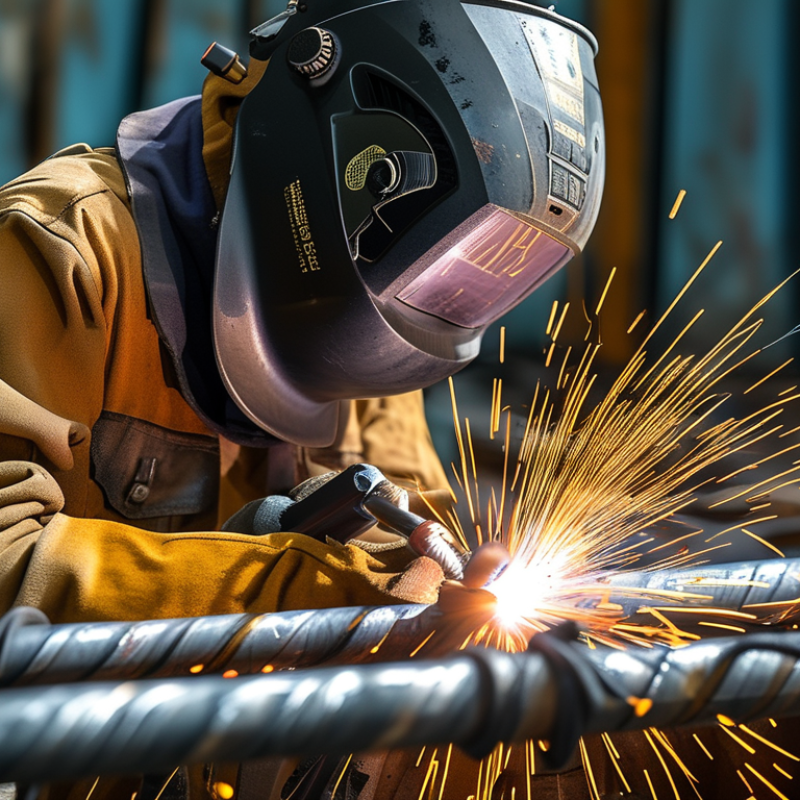
When selecting the right carbon steel welding wire, understanding its types and specifications is crucial. Carbon steel welding wires come in various forms, including solid wire, flux-cored wire, and metal-cored wire. Each type serves specific purposes and has different characteristics. Solid wire is often favored for its clean welds, while flux-cored wire excels in outdoor conditions. Metal-cored wire combines the benefits of both, offering high deposition rates.
Tips: Always consider the thickness of the materials you will be welding. Thicker materials may require a wire with higher tensile strength. Test different types to see how they perform with your projects.
Welding wire specifications include diameter, tensile strength, and alloy composition. Common diameters range from 0.030 to 0.045 inches. The choice of diameter can affect heat input and penetration. Achieving the right balance is necessary for optimal weld quality.
Tips: Use a wider wire for faster welding speeds, and a thinner wire for increased control. Keep in mind the transfer method, such as short circuit or spray transfer, as it impacts your results. You may need to adjust your technique based on the wire type.
When choosing the best carbon steel welding wire, several factors matter deeply. The wire type can greatly affect weld quality and strength. For carbon steel, ER70S-6 is popular. It offers excellent weld qualities for various applications. A report by the American Welding Society (AWS) noted that this wire type provides great impact strength and is suitable for higher carbon compositions.
Another key consideration is the diameter of the welding wire. The selection of wire diameter can directly influence the weld penetration and heat input. A study highlighted that a 1.0 mm diameter tends to provide a better balance of control and penetration for thick materials. The right diameter can help mitigate issues like poor fusion or excessive spatter, which can compromise the weld's integrity.
Additionally, wire cleanliness is crucial. Oil or moisture on the wire can lead to porosity in the weld. This is a common mistake among welders who overlook this detail. Ensuring that the wire is properly stored and handled can prevent these issues. While these factors seem simple, neglecting them can lead to significant weld quality problems. It's essential to assess each aspect thoroughly.
When choosing carbon steel welding wire, quality is paramount. A reliable welding wire ensures durable and strong joints. Evaluating its quality impacts your welding projects significantly.
Tips to consider: First, check the diameter of the wire. Common sizes range from 0.8 mm to 1.6 mm. The wrong size can lead to poor welds. Next, look at the wire's coating. A good coating improves arc stability and prevents spatter. It's crucial for clean work.
Finally, consider tensile strength. A higher tensile strength indicates better performance. Testing a few different wires can reveal which one fits your needs best. Remember, even experienced welders may struggle with new products. Continuous learning is essential for improving skills and results.
| Wire Diameter (mm) | Tensile Strength (MPa) | Elongation (%) | Chemical Composition (%) | Price per kg (USD) |
|---|---|---|---|---|
| 0.8 | 490 | 20 | C: 0.08, Mn: 1.4, Si: 0.3 | 1.80 |
| 1.0 | 510 | 22 | C: 0.10, Mn: 1.2, Si: 0.4 | 2.00 |
| 1.2 | 530 | 18 | C: 0.12, Mn: 1.4, Si: 0.5 | 2.20 |
| 1.6 | 550 | 25 | C: 0.15, Mn: 1.6, Si: 0.6 | 2.50 |
When selecting carbon steel welding wires, understanding their applications is crucial. Mild steel wires, often used in construction, are ideal for structural fabrications. They provide excellent strength and ductility. For projects in the automotive sector, low alloy wires deliver higher strength and wear resistance. These features support the demanding conditions in vehicle production.
Another common type is the high carbon welding wire. It's best for applications requiring hardness and wear protection, such as tooling and manufacturing parts. Keep in mind that these wires are less forgiving and may require more skill to use effectively. Each wire type has its purpose, so matching them with the right application is essential.
Tips: Always assess the base material before choosing a wire. Take time to practice with different types to find your best fit. Experimenting with various techniques can reveal nuances in performance. Continuous learning and adaptation are key in welding. The right choice improves quality, but novices may find themselves overwhelmed at times, making practice vital.
When working with carbon steel welding wire, safety is paramount.
Proper attire and protective gear are essential. Always wear gloves, helmets with appropriate lenses, and fire-resistant clothing. These precautions will protect against sparks and toxic fumes released during welding.
Ensure you have proper ventilation in your workspace. Poor air quality can lead to respiratory issues. Open windows or use exhaust fans to promote airflow. If necessary, invest in a quality respirator. Remember, awareness of your environment is crucial.
Tips to consider: Always inspect your equipment before beginning. Look for wear or damage. Maintaining your welding torch and cables ensures efficiency and safety. Additionally, know your limits. If you feel tired or unfocused, take breaks. Working while fatigued increases the risk of errors and accidents. Stay safe and responsible.
: Carbon steel welding wires include solid wire, flux-cored wire, and metal-cored wire. Each serves a unique purpose.
Diameter influences heat input and penetration. A thinner wire allows for better control, while a wider wire enables faster welding.
Oil or moisture on the wire can cause weld porosity. Clean and properly store the wire to avoid these issues.
Always wear gloves, helmets, and fire-resistant clothing. This protects against sparks and harmful fumes generated during welding.
Good ventilation helps prevent respiratory problems. Open windows or use fans to ensure airflow while working.
Inspect your equipment for wear and damage. This maintenance ensures safe and efficient operation of your welding tools.
Fatigue can lead to mistakes and accidents. Take breaks when tired to maintain focus and reduce risk.
Consider wire type, diameter, and cleanliness. Each element can significantly affect the quality and strength of the weld.
The article "2026 How to Choose the Best Carbon Steel Welding Wire" provides a comprehensive guide on selecting the appropriate Carbon Steel Welding Wire for various applications. It begins by detailing the different types and specifications of carbon steel welding wire, helping readers understand their characteristics and uses. Key factors to consider when selecting welding wire include the type of welding process, steel thickness, and the specific requirements of the job.
Additionally, the article offers valuable tips for evaluating the quality of Carbon Steel Welding Wire, ensuring welders choose reliable materials that deliver strong and durable joints. Common applications are explored to illustrate where different types of welding wires are best suited. Finally, it emphasizes safety and best practices to follow while using carbon steel welding wire, ensuring a secure and efficient welding process.

Yuxin