Welding coil is an essential material in the manufacturing sector, significantly impacting efficiency and quality. According to the International Organization for Standardization (ISO), the welding industry has seen a steady growth rate of 4.2% annually. This growth is driven by increased demand for welded products in construction and automotive industries.
Utilizing welding coil offers multiple advantages for businesses. It ensures consistent bead formation, enhancing product strength and durability. A report from the American Welding Society highlights that companies using high-quality welding coils encounter a 30% reduction in production downtime, leading to increased profitability.
However, not every business fully utilizes the benefits of welding coil. Some may overlook the importance of selecting the right type and configuration. Inadequate training can lead to inefficiencies. Reflecting on these challenges, it is clear that understanding welding coil is vital for optimizing processes and maintaining a competitive edge in today’s market.
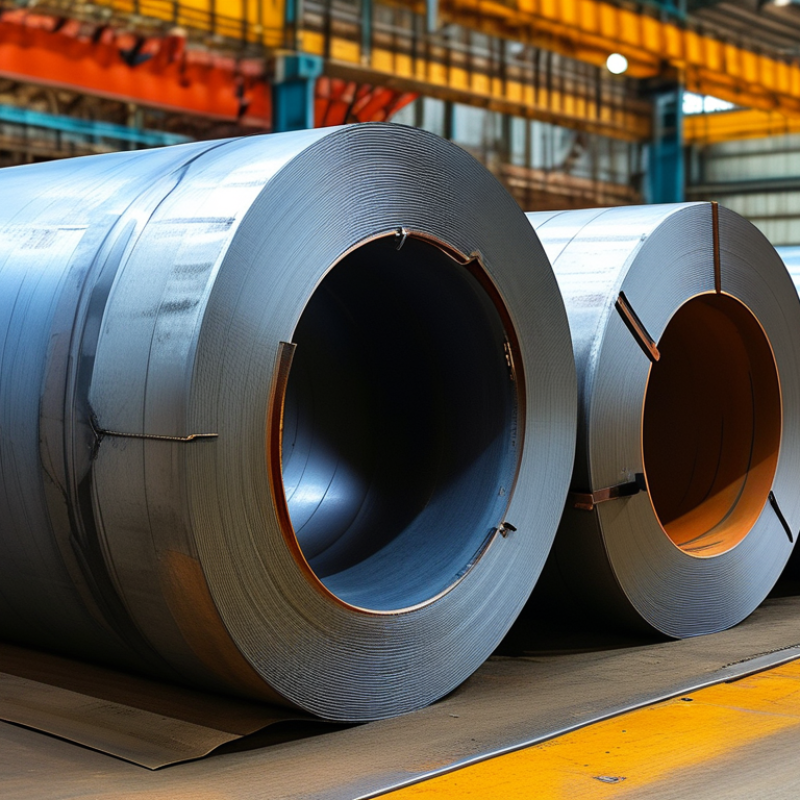
Welding coils play a crucial role in modern manufacturing. These flexible wire products offer numerous benefits that can enhance operations. A welding coil is typically made from mild steel or alloyed metals, designed for various welding applications. Its characteristics include high tensile strength and excellent conductivity, making it ideal for different welding methods, such as MIG and TIG. According to a report by the International Institute of Welding, the use of high-quality welding coils can improve weld consistency by up to 30%.
The production process for these coils involves precise control over material properties. Typically, the diameter of a welding coil ranges from 0.8 to 2.0 mm. This versatility allows manufacturers to tailor their products to specific projects. However, not all welding coils are created equal. Factors like wire uniformity and surface cleanliness can impact the quality of welds. An industry survey revealed that 15% of professionals reported issues with coil reliability, emphasizing the importance of selecting reliable suppliers.
Another critical characteristic is the packaging and delivery method. Coils are generally packaged on reels or spools, ensuring easy handling and storage. Efficient logistics can reduce waste in the manufacturing process. Yet, challenges remain for some businesses. Approximately 20% of users noted difficulties in maintaining the coils’ integrity during shipping. This highlights an area for improvement in operational practices to maximize the benefits of welding coils for production efficiency.
: Welding coils are metal wire solutions essential for various welding tasks, enhancing efficiency and product consistency.
They allow quick setup and execution, reducing labor time and letting operators manage multiple tasks simultaneously.
Coils provide a consistent material source, preventing production delays caused by shortages and improving workflow.
Some businesses may struggle with the transition to coils, requiring careful planning and training to adapt effectively.
Although initial costs can be high, long-term savings on labor and materials often outweigh the upfront investment.
Important factors include material type, diameter, compatibility, and tensile strength to ensure efficiency and reduce defects.
Neglecting maintenance can lead to decreased performance, affecting productivity and overall operational effectiveness over time.
Yes, different coatings influence corrosion resistance, which impacts the longevity and overall quality of the welded product.
Regularly reviewing production processes helps identify inefficiencies and reveals whether resources are being maximized.
Selecting suitable coils can enhance efficiency by up to 30%, streamlining operations and reducing production costs.
Welding coils are essential components in various manufacturing processes, offering unique characteristics that enhance productivity. These coils come in different types, tailored for specific industrial applications, and are crucial for ensuring strong, reliable welds. The benefits of utilizing welding coils in production include improved efficiency, as they streamline the welding process, and significant cost reductions by minimizing material waste and downtime.
When selecting welding coils for a business, it is vital to consider factors such as the type of materials being welded, the required weld quality, and the specific demands of the production environment. By understanding the advantages and characteristics of welding coils, businesses can make informed decisions that ultimately enhance their operational efficiency and competitiveness in the market.

 Yuxin
Yuxin