Direct export from our 15,000-square-meter facility with certified compliance to ISO9001 and CE directives.
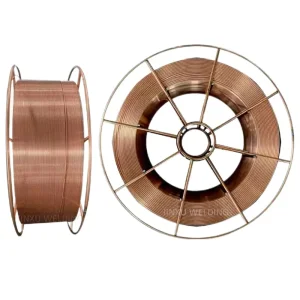
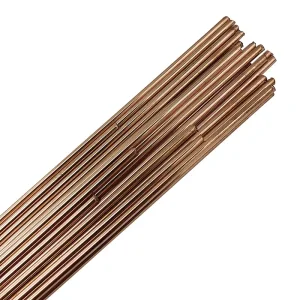
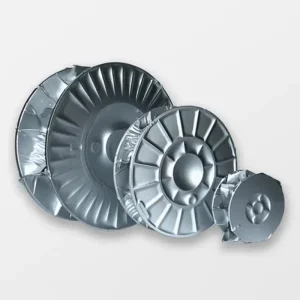
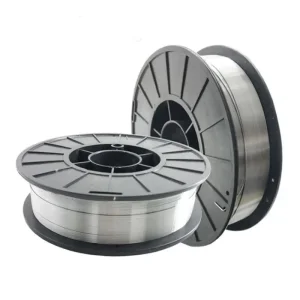
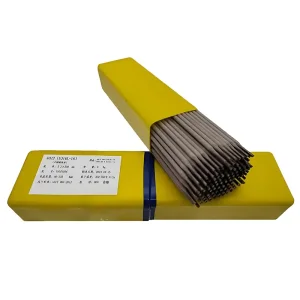
In the globalized manufacturing sector, Stainless Steel Flux-Cored Arc Welding (FCAW-SS) has transitioned from a niche application to the standard protocol for high-deposition, structural-grade joining. Unlike solid gas metal arc welding (GMAW) wires, flux-cored wires feature a hollow outer sheath filled with complex mineral and metallic core ingredients. This flux formulation stabilizes the electric arc, refines droplet transfer, forms a protective slag layer that protects the hot weld bead from oxidation, and delivers vital alloy additions directly to the weld pool.
Under current global industrial conditions, demand for corrosion-resistant and high-alloy structural components is increasing. Heavy engineering sectors, including LNG cryogenic storage tank fabrication, maritime scrubber installations, petrochemical processing plants, and marine infrastructure, require alloys that resist extreme environments. Advanced grades of stainless steel flux-core wire—such as AWS A5.22 E308LT1-1/4 and E316LT1-1/4—are essential consumables. They maintain structural integrity in sub-zero and acid-rich environments while optimizing the efficiency of welding teams worldwide.
In countries like Germany, Poland, Vietnam, and Brazil, mechanical engineers specify flux-cored wire because of its high deposition rates. While solid wires average a deposition rate of 2.5 to 4.0 kg/hour in out-of-position welds, flux-cored wires can reach up to 6.5 kg/hour. This efficiency helps construction contractors complete pipelines, storage facilities, and ships on schedule.
Exploring the systemic efficiencies, supply chain integration, and automated precision that make Chinese factories the core global suppliers of welding consumables.
Shandong Province hosts a concentrated steel metallurgical cluster. Local factories like Wulian Yuxin Hardware Equipment Co., Ltd. secure high-grade green-drawn stainless rod elements directly from domestic smelting mills. This direct sourcing minimizes transit times, lowers inventory costs, and ensures chemical purity before wire draw operations begin.
Manufacturing high-quality flux core wires requires precise metallurgical control. High-precision machinery forms steel strips into U-channels, fills them with micro-formulated mineral flux, and closes them into seamless tubes. Our multi-stage drawing dies then reduce the wire to diameters of 1.2mm, 1.4mm, or 1.6mm without compromising core density.
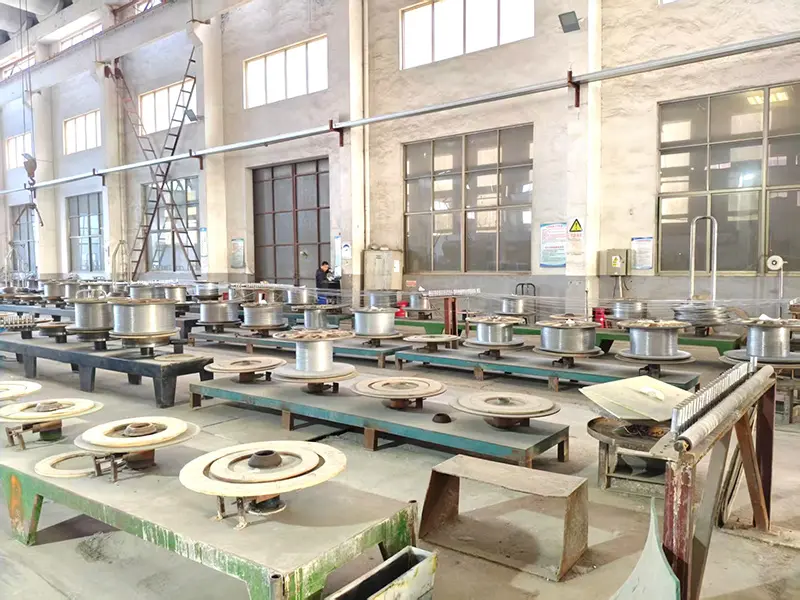
Inconsistent wire feeding is a primary cause of arc-initiation failure in robotic welding. Our production facility uses fully automated precision layer spoolers to wrap each spool with uniform tension. This guarantees smooth feeding through long conduits, minimizing friction, reducing tip wear, and supporting high productivity in automated production cells.
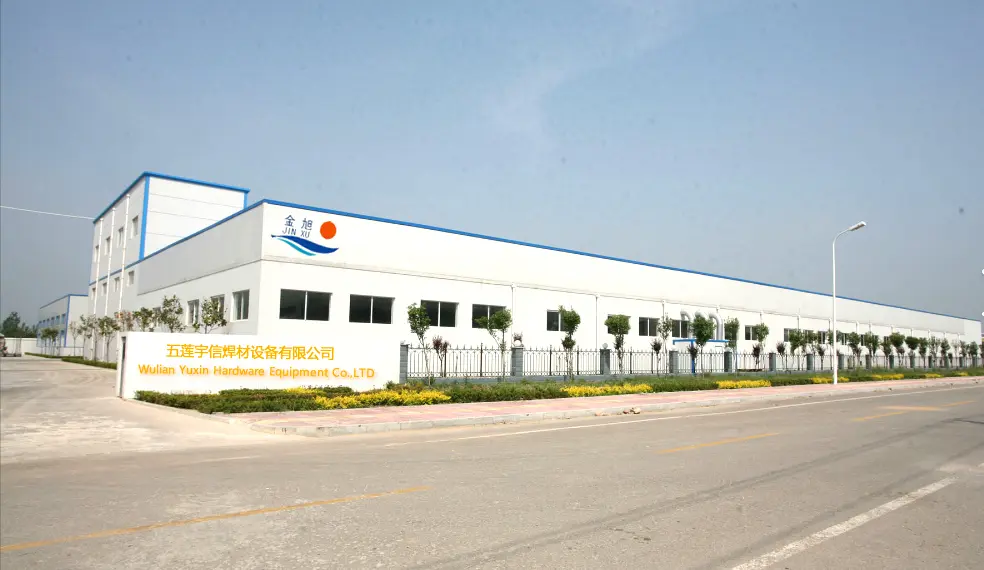
Established in Wulian, Rizhao City, Shandong Province, Wulian Yuxin Hardware Equipment Co., Ltd. has grown since 2004 from a regional manufacturer into a global exporter of premium welding consumables. Operating our own 15,000-square-meter production facility, we maintain complete control over raw material sourcing, drawing operations, core formulation chemistry, and final packaging.
Our quality control department enforces tolerances 30% stricter than standard industry thresholds. Every production heat undergoes spectrographic testing, metallurgical verification, and test welds to confirm chemical analysis and slag release characteristics. By keeping chemical variations low and structural integrity high, our product lines are trusted by distributors and industrial end-users on five continents.
Examining how high-grade stainless steel flux-cored and carbon steel wires perform in critical structural and maritime projects worldwide.
Consumable Applied: ER308L / ER316L Stainless Steel Wire
Project Context: A liquid natural gas processing facility in Southeast Asia required welding consumables capable of maintaining ductile performance at sub-zero temperatures (-196°C).
Performance Result: Our low-carbon stainless chemistry kept the ferrite numbers within the critical 3-8 FN window. This minimized the risk of solidification cracking and ensured toughness values that met strict international inspection standards.
Consumable Applied: ER316L / Flux-Cored Wire Alloys
Project Context: Retrofitting coal-fired plants in Germany with SO2 scrubbing chambers constructed of 316-grade stainless steel.
Performance Result: Molybdenum additions inside the core alloy stabilized the passivation layer against sulfuric acid condensation, matching the corrosion resistance of the base parent plates and extending service life.
Consumable Applied: Flux-Cored MIG Wire E71T-1C & ER70S-6
Project Context: Welding large infrastructure beams in industrial zones across Vietnam.
Performance Result: E71T-1C flux-cored wire achieved fast slag freezing, enabling welding teams to perform vertical-up welds at high travel speeds, which helped keep the project on schedule.
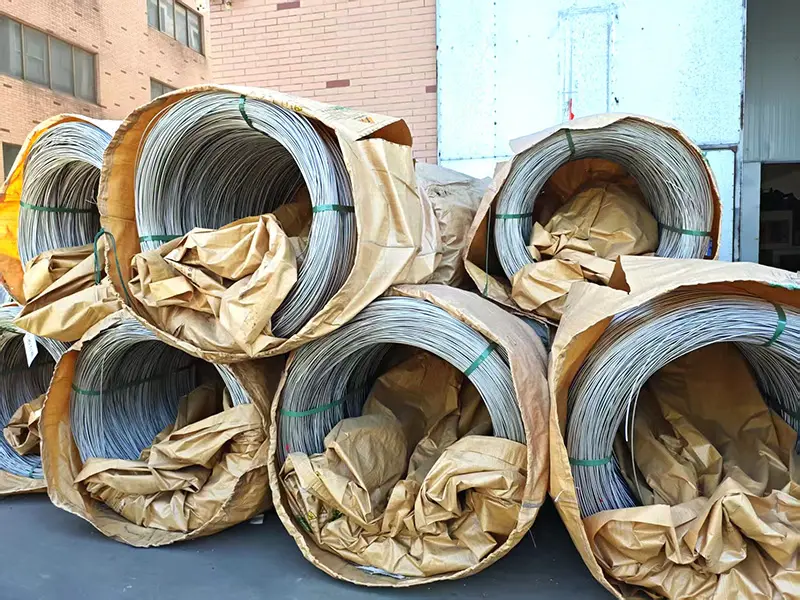
A look inside our 15,000-square-meter facility in Wulian, Rizhao, Shandong, showcasing our manufacturing lines, annealing zones, and inventory areas.
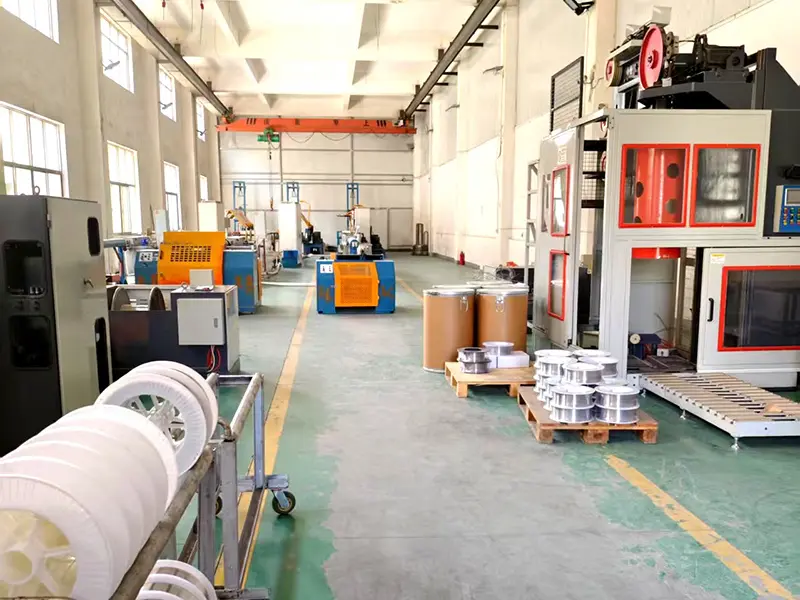
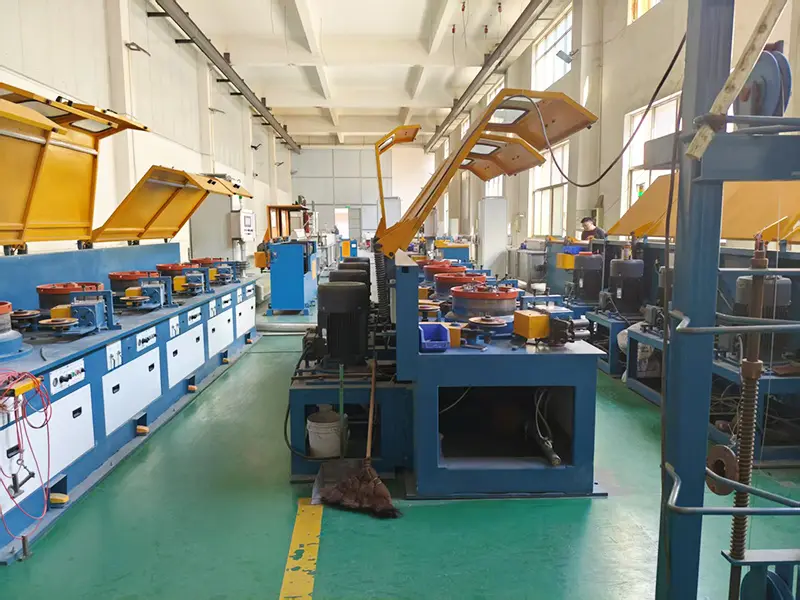
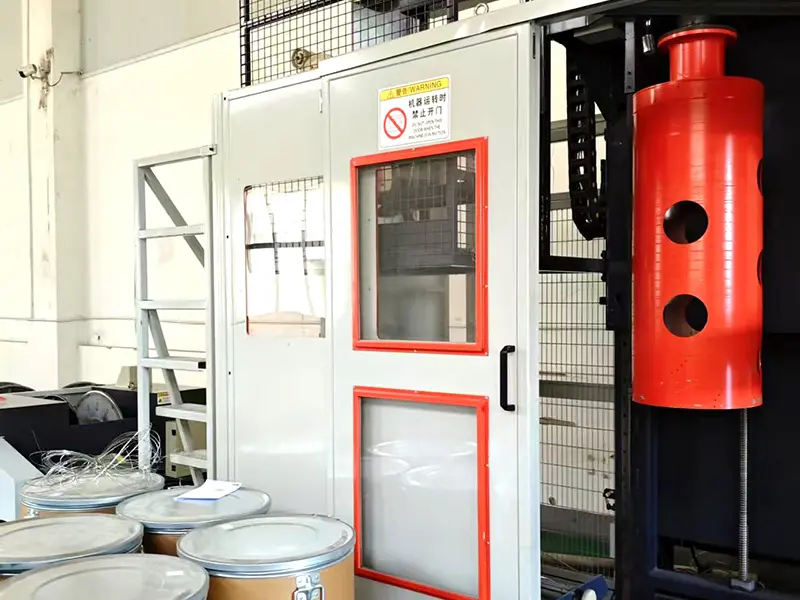
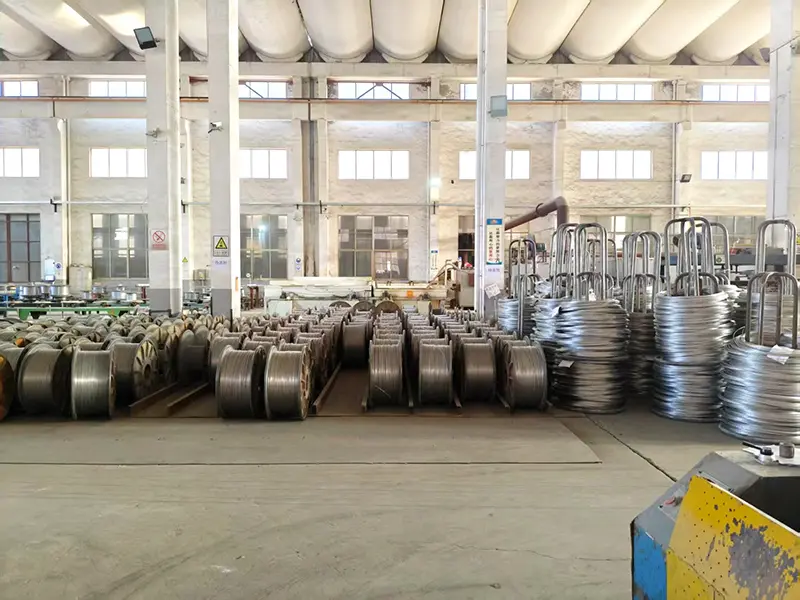
Procurement departments sourcing from China must evaluate manufacturers based on strict metallurgical, operational, and financial criteria. Lower unit prices must be balanced against total cost of ownership factors, including spatter rates, contact tip wear, and weld repair rates. Below is a structured guide for evaluating partners in the stainless welding sector:
1. Chemical Traceability: Ensure the manufacturer provides Mill Test Certifications (MTCs) for every heat number. The chemical profile of stainless alloys must show low carbon concentrations (under 0.03% for E308L and E316L) to prevent chromium carbide precipitation during welding, which can lead to intergranular corrosion.
2. Wire Diameter Uniformity: Variations in wire diameter can cause feeding fluctuations and arc instability. Leading Chinese factories draw wire through high-grade diamond dies and use online laser measurement systems to maintain diameter tolerances within ±0.02mm.
3. Flux Fill Consistency: Hollow voids inside flux-cored wire can cause arc interruptions, while over-packed sections can overload feeding motors. Modern quality assurance protocols use electromagnetic testing to monitor filling ratios along the entire length of the spool.
4. Moisture Resistance and Packaging: Flux formulations can absorb atmospheric moisture, which can introduce hydrogen into the weld pool and cause cold cracking. To prevent this, export-grade spools are hermetically sealed in foil vapor-barrier packaging, complete with desiccant packs.
The welding consumables industry is evolving to meet the demands of advanced manufacturing. Four main trends are driving technological updates at leading Chinese production facilities:
Robotic-Grade Formulations: With the growth of robotic welding cells, there is an increasing demand for wires designed for higher travel speeds and duty cycles. This requires slag formulations that detach quickly and cleanly, minimizing the need for mechanical grinding.
Low-Fume Flux Chemistry: Environmental and occupational safety standards are driving research into alternative binder compounds. Removing certain fluorides and organic materials helps reduce ozone and particulate emissions in the welding area, improving conditions for operators.
Smart Digital Supply Chains: Leading manufacturers are integrating RFID-enabled tracking from the raw rod phase to final delivery. This allows customers to scan a spool's barcode to access its chemical composition, mechanical test results, and production date.
Answers to common questions about metallurgy, sourcing, and logistics when importing high-volume welding consumables from China.
A: Stainless steel flux-cored wire offers higher deposition rates, deeper penetration, and better performance when welding out-of-position (such as vertical-up or overhead). The flux formulation creates a slag layer that protects the hot weld bead from oxidation. This reduces the need for high flow rates of pure shielding gas and helps maintain welding speeds in outdoor or drafty conditions.
A: We source high-grade green-drawn stainless wire rods from certified steel mills and test each incoming batch. During the tube-filling phase, automated mixing systems weigh and distribute the flux ingredients to prevent segregation. We run regular spectrographic and test-weld checks on every production heat to confirm the final product meets AWS A5.22 specifications.
A: Our stainless steel flux-cored wires (such as E308LT1-1 and E316LT1-1) are designed to be used with a 75% Argon / 25% CO2 shielding gas mixture, or 100% CO2. The mixed gas provides a stable arc, lower spatter levels, and good bead appearance. Using 100% CO2 offers deeper penetration and lower gas costs, though it may result in slightly more surface spatter.
A: Moisture absorption in flux cores can lead to hydrogen cracking. To prevent this, all export-bound spools are vacuum-sealed in multi-layer foil bags with silica gel packets. These spools are packed in heavy-duty, moisture-resistant corrugated cartons, stacked on treated wooden pallets, and wrapped in protective stretch film to ensure they arrive dry and ready for use.
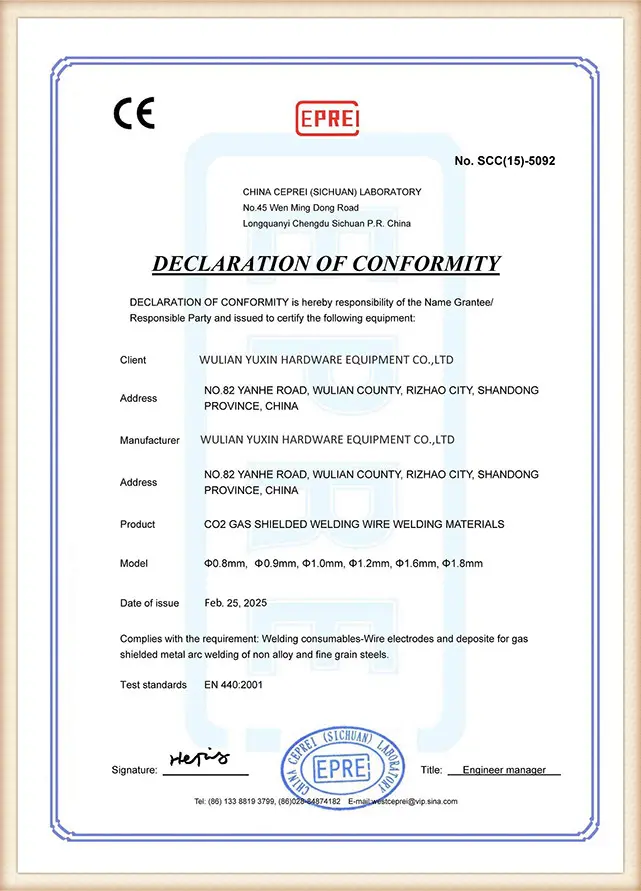
A: Our manufacturing systems are certified under ISO9001:2015, and our core welding products carry the CE mark. This allows our consumables to be used in European structural steel projects and other international fabrications that require strict regulatory compliance.
A: Our standard lead time is 20 to 30 days from order confirmation and deposit receipt. This timeline allows us to perform final quality assurance checks, package the order securely, and coordinate logistics through our nearby export ports of Qingdao and Rizhao.
A: Yes, our research and development team can adjust the core formulation to meet specific alloy requirements, mechanical property targets, or ferrite number (FN) ranges for custom projects. These custom runs are subject to minimum order quantities.
A: Our internal quality control procedures use dimensional, physical, and chemical tolerances that are 30% stricter than standard AWS and EN requirements. We monitor parameters such as wire helix, cast, copper-coating thickness, and flux distribution to ensure consistent performance across all batches.
Explore our full range of solid, flux-cored, TIG welding wires, and electrodes designed for diverse industrial applications.
 Yuxin
Yuxin