 Yuxin
Yuxin
1 / 2
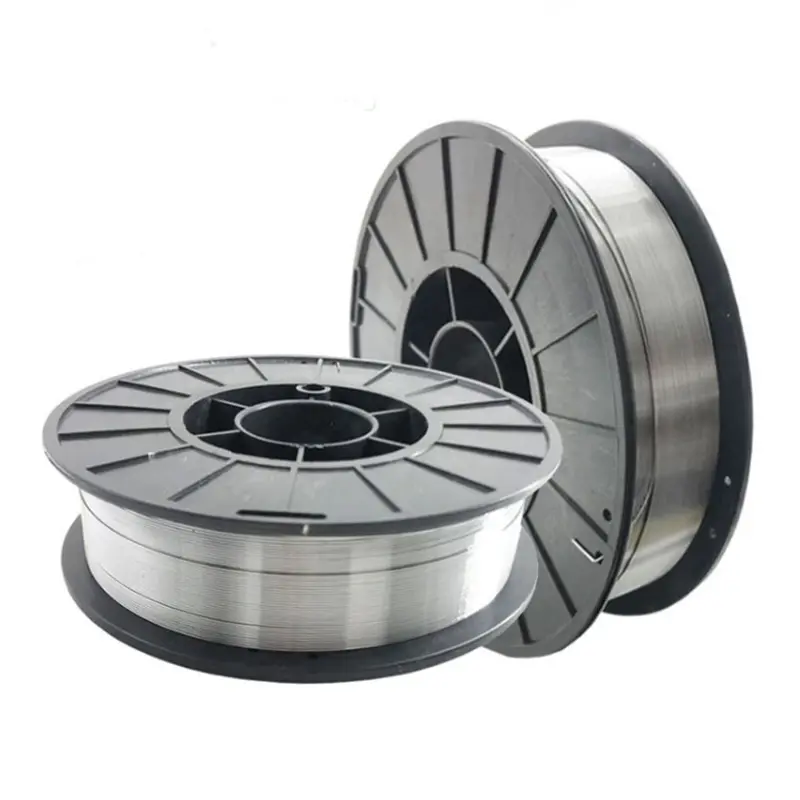
In the construction of a large-scale food processing plant, stainless steel welding wire played a crucial role. The plant's infrastructure, including processing equipment, storage tanks, and conveyor systems, was predominantly made of stainless steel to meet strict hygiene and corrosion-resistance requirements.
For welding food-contact surfaces like storage tank interiors, austenitic wires such as ER304L and ER316L were utilized. ER304L's low carbon content ensures the tanks withstand acidic and alkaline substances without rusting or contaminating food products.
The wire's smooth arc transfer and stable performance allowed for consistent welds. This precision is vital to prevent crevices where bacteria could accumulate, directly supporting global food safety standards.
In high-temperature environments near ovens and drying equipment, these welding wires maintain structural integrity. When welding ducts for hot air in baking areas, the high-temperature resistance ensures welds do not weaken or crack over time despite humid and chemically-laden air.
Conveyor systems endure continuous mechanical stress and vibration. Using wires rich in chromium and nickel provided: