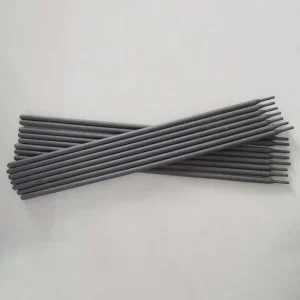
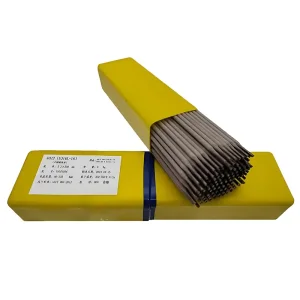
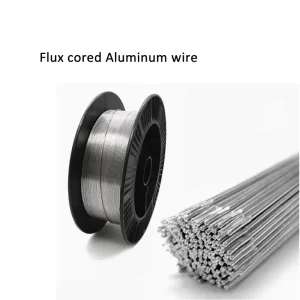
Direct supply from Wulian Yuxin Hardware Equipment Co., Ltd. High-quality specifications meeting ISO9001 and CE strict standards.
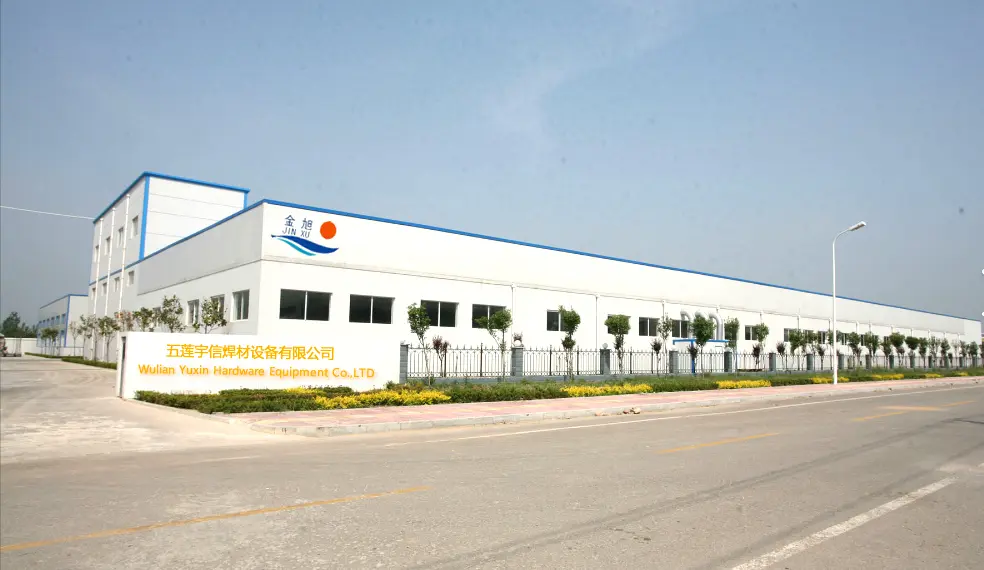
Established in Wulian, Rizhao City, Shandong Province, Wulian Yuxin Hardware Equipment Co., Ltd. has grown from a locally excellent manufacturer to a globally recognized producer of premium welding consumables. With our own 15,000-square-meter production facility and advanced manufacturing equipment, we proudly maintain complete control over our production processes, ensuring consistent quality across our entire product range.
Our annual production capacity of 3,000 tons allows us to reliably serve industrial clients across five continents, with particular strength in European and Southeast Asian markets. All products meet stringent international standards, including ISO9001 and CE certifications, and undergo rigorous quality control at every production stage.
Technical insights into alloy composition, ferrite numbers, and sensitization prevention.
In industrial welding, joining mismatched metal alloys is one of the most critical structural challenges. The AWS A5.9 ER309 and its low-carbon counterpart ER309L are engineered specifically to act as the metallurgical bridge between carbon steels or low-alloy steels and stainless steels. As a leading China 309 TIG filler rod manufacturer, Wulian Yuxin ensures that the chemical composition and physical properties of our ER309L wires are optimized for extreme thermal environments, corrosion resistance, and structural longevity.
The basic composition of ER309 filler rods contains approximately 23% to 25% Chromium (Cr) and 12% to 14% Nickel (Ni). This exceptionally high alloy content is purposefully calculated. When welding a stainless steel to mild steel, the weld pool undergoes dilution from the base carbon steel, which contains no chromium or nickel. The generous alloy levels in ER309 ensure that even after significant dilution, the resulting weld metal retains a robust austenitic-ferritic microstructure, preventing the formation of brittle martensite phases.
Wulian Yuxin tightly controls the Delta Ferrite content (Ferrite Number between 4 and 12) of our 309 TIG filler rods. The presence of delta ferrite in austenitic weld deposits is critical. It acts as a primary solvent for low-melting impurities like sulfur and phosphorus, preventing them from segregating at grain boundaries. This metallurgical layout reduces the susceptibility to hot cracking (solidification cracking) to almost zero, even under high-restraint joint designs.
The distinction lies in the Carbon (C) content. Standard ER309 permits a carbon content up to 0.08%, whereas ER309L restricts carbon to a maximum of 0.03%. Why does this matter to procurement agents and welding engineers?
How Wulian Yuxin scales smart manufacturing to deliver globally competitive 309 TIG rods.
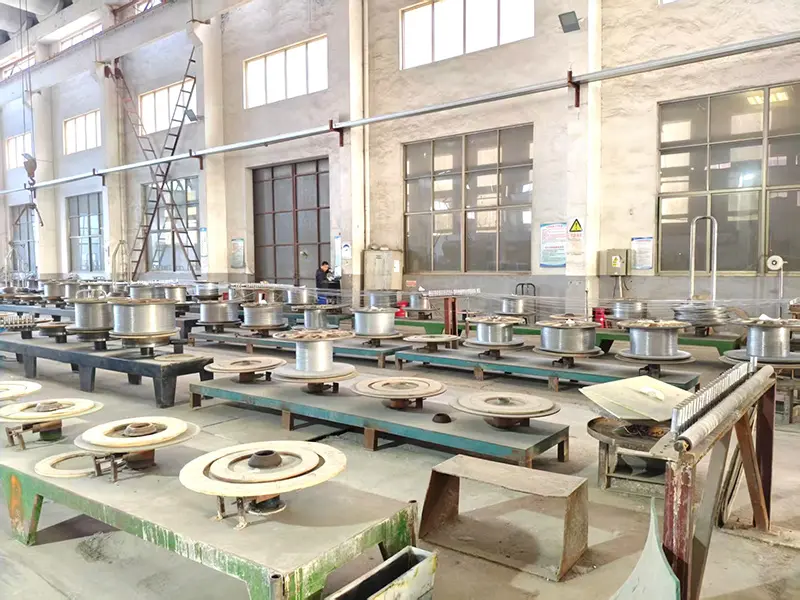
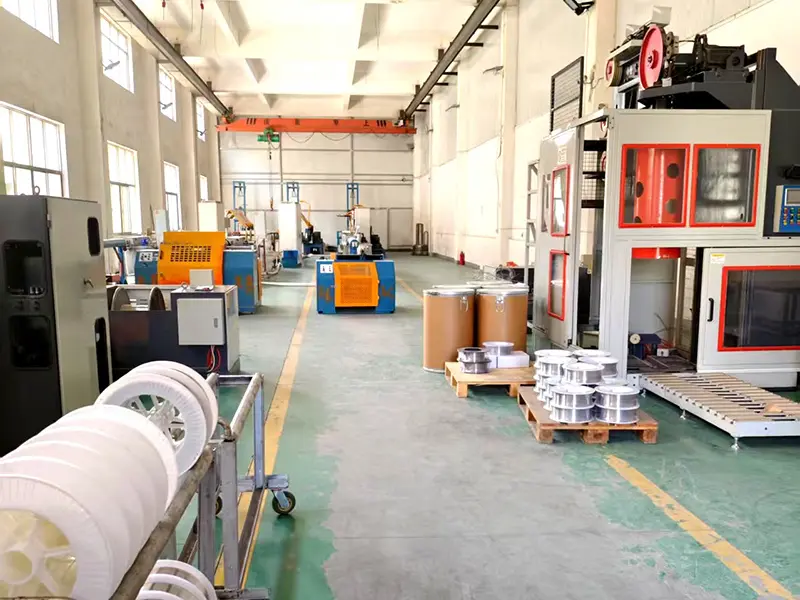
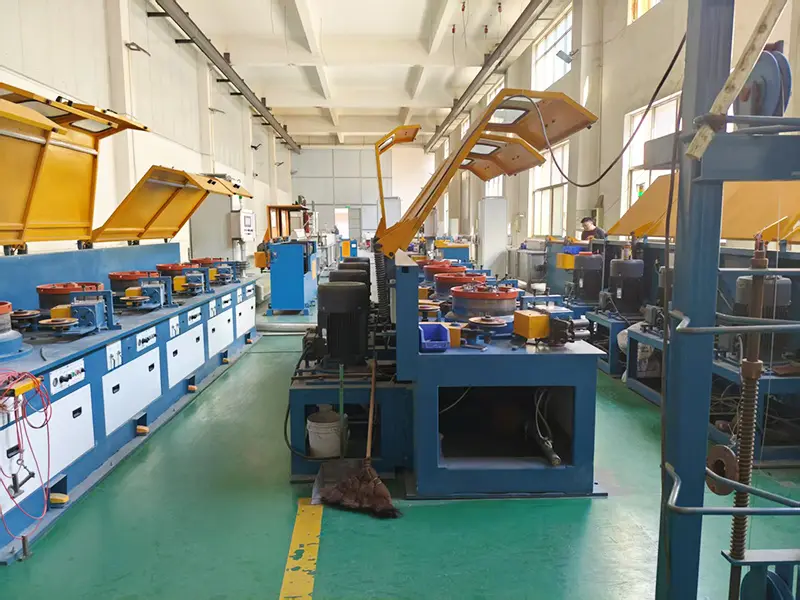
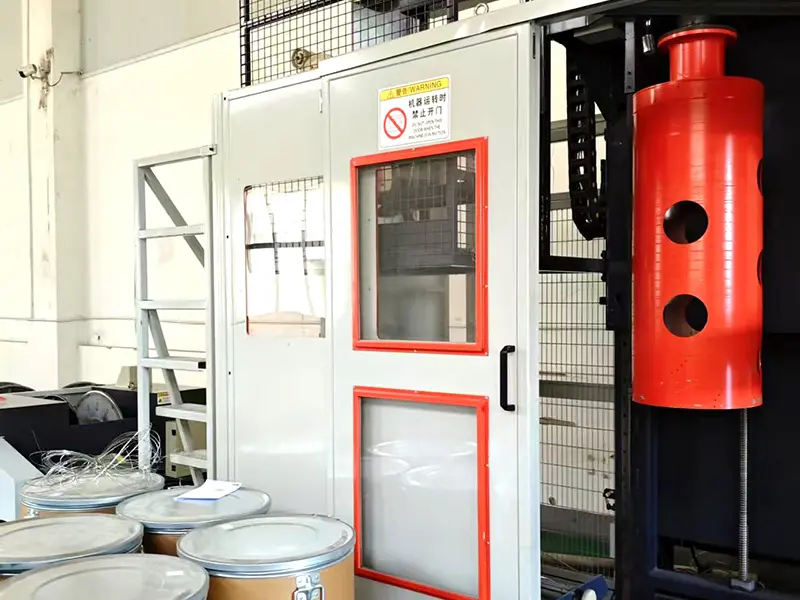
Wulian Yuxin Hardware Equipment Co., Ltd. has updated its production facility in Rizhao City, Shandong Province, to incorporate Industry 4.0 principles. Our TIG wire manufacturing lines are equipped with automated cold-drawing machinery, inline ultrasonic cleaning systems, and computerized cut-to-length systems that maintain length and straightness tolerances within fractions of a millimeter.
Traditional wire drawing leaves trace drawing lubricants (fats, graphite, or soaps) on the wire surface. If not properly eliminated, these contaminants decompose under the TIG arc, releasing carbon and hydrogen that cause weld porosity and embrittlement. Our multi-stage chemical and ultrasonic surface washing lines ensure a mirror-like, ultra-clean surface finish, ensuring defect-free welding operations.
Every TIG rod is continuously stamped on both ends with the grade designation "ER309L". This prevents alloy mix-ups on-site, a vital requirement for high-compliance projects like petrochemical refineries and oil rigs.
Our drawing dies are continually monitored. The finished TIG rods maintain a diameter tolerance profile of ±0.02 mm. Consistent thickness translates to stable arc ignition and uniform heat distribution.
To counter maritime humidity during transport to Europe or the Americas, our rods are packaged in rigid, hermetically sealed plastic tubes, wrapped in moisture-barrier film with silica gel packs.
How leading industries deploy 309 TIG filler rods for high-end applications.
In power plants and petrochemical installations, mild steel structural frames or pressure vessel shell plates must connect with corrosion-resistant stainless steel piping systems. Typical joints include welding ASTM A516 carbon steel to AISI 304L stainless steel. Applying a regular ER308L rod would lead to excessive weld dilution, producing a hard, brittle martensitic weld bead susceptible to cracking under thermal stress. Using ER309L introduces enough excess nickel and chromium to absorb the dilution and yield a ductile, tough, austenitic weld bead.
Heavy-wall carbon steel components often require a corrosion-resistant cladding layer. Directly applying a 316L or 308L wire on mild steel causes significant dilution issues in the first layer. The industrial standard is to deposit a "buttering layer" of ER309L first. Once this alloy transition layer is created, subsequent passes are welded with ER308L or ER316L, maintaining both mechanical ductility and surface corrosion performance.
Why distributors and industrial contractors select Wulian Yuxin for long-term partnerships.
Our internal quality assurance program maintains production tolerances that are 30% stricter than standard international norms. We utilize spark spectrometers for fast analysis of inbound rods and wire rods.
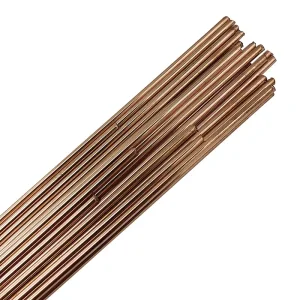
Standard rods are available in 1000mm length, with diameters ranging from 1.0mm, 1.2mm, 1.6mm, 2.0mm, 2.4mm, 3.2mm up to 4.0mm. Custom parameters can be tailored for specialized automation lines.
Operating out of Rizhao City, Shandong, we enjoy close access to deep-water shipping lanes, enabling cost-effective containerized export routes directly to Europe, the Middle East, and Asia.
Established in 2004, our decades of manufacturing expertise guarantee stable production processes, consistent material compositions, and complete supply chain transparency.
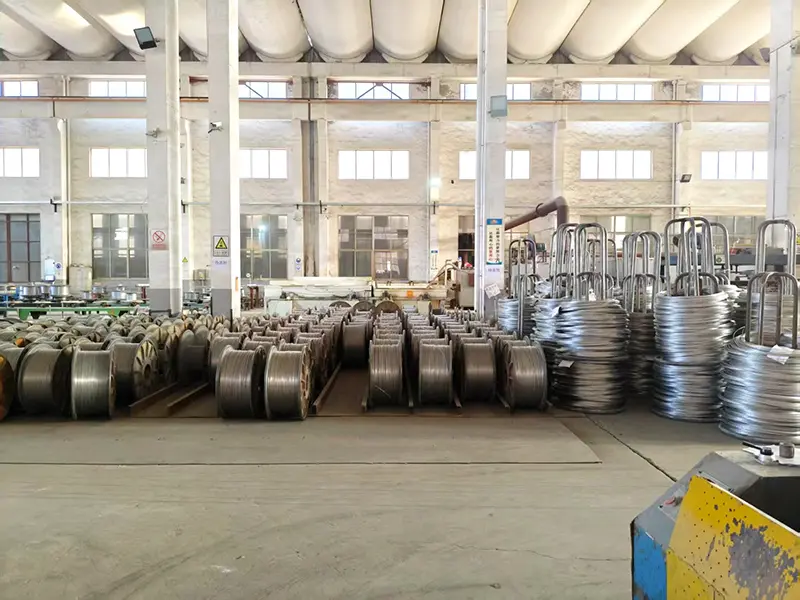
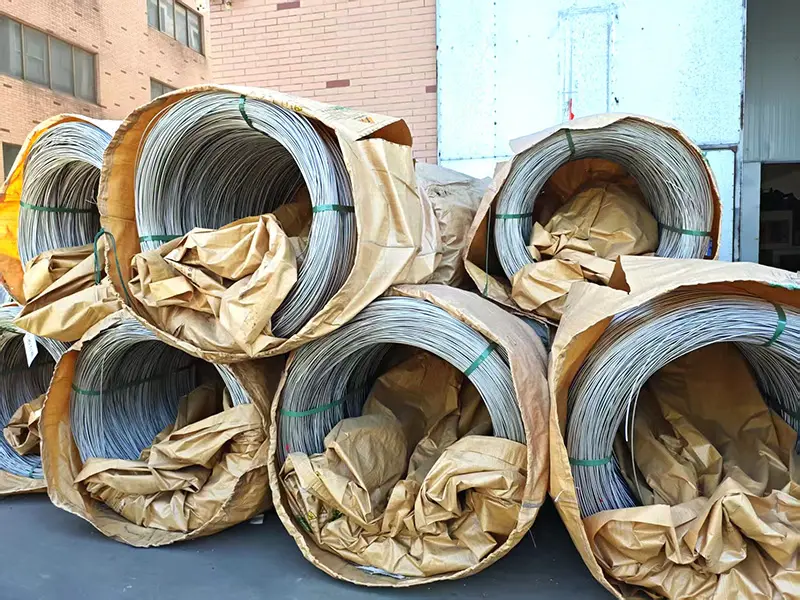
Discover how Wulian Yuxin products perform under intense industrial workloads.
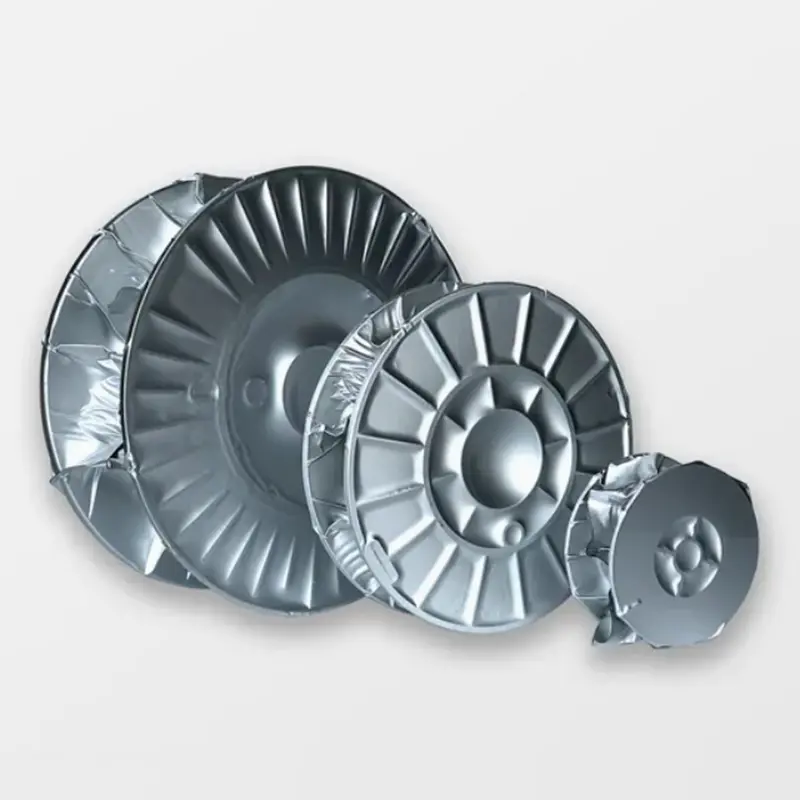
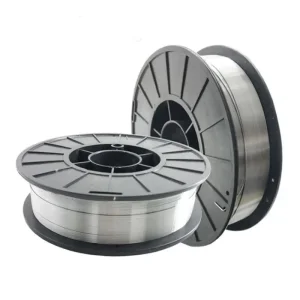
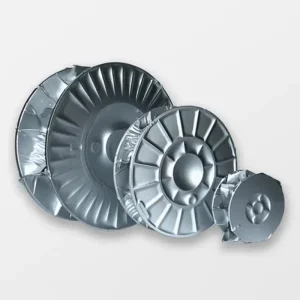
High-efficiency E71T-1C wires optimized for thick structural steel welding and offshore engineering.
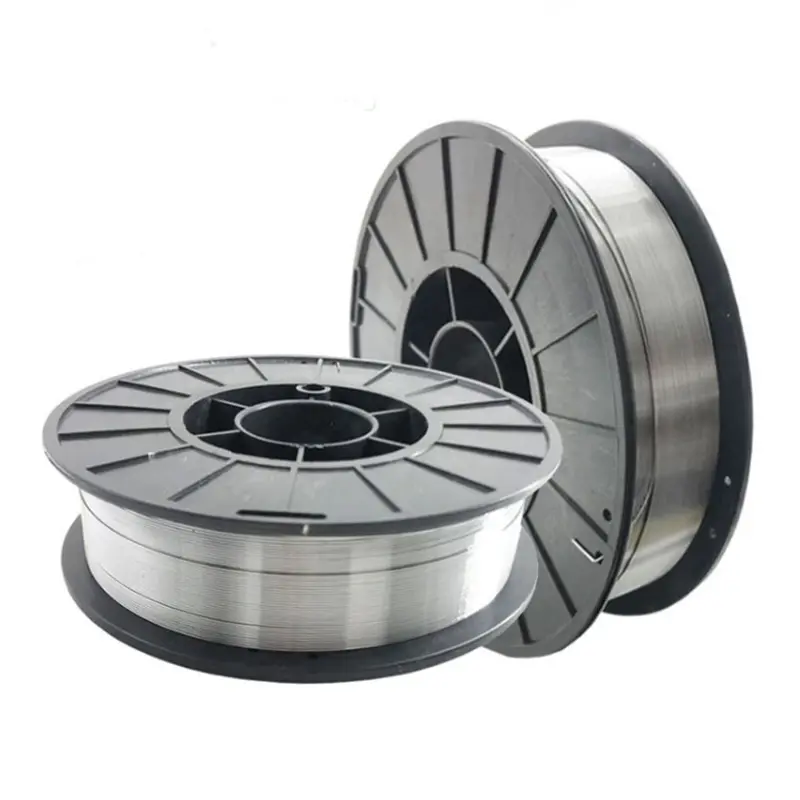
ER308L / ER316L / ER309L configurations. Outstanding feedability and high chemical purity.

Premium carbon-steel ER70S-6 and high-grade stainless alloy TIG rods for clean, high-spec root passes.
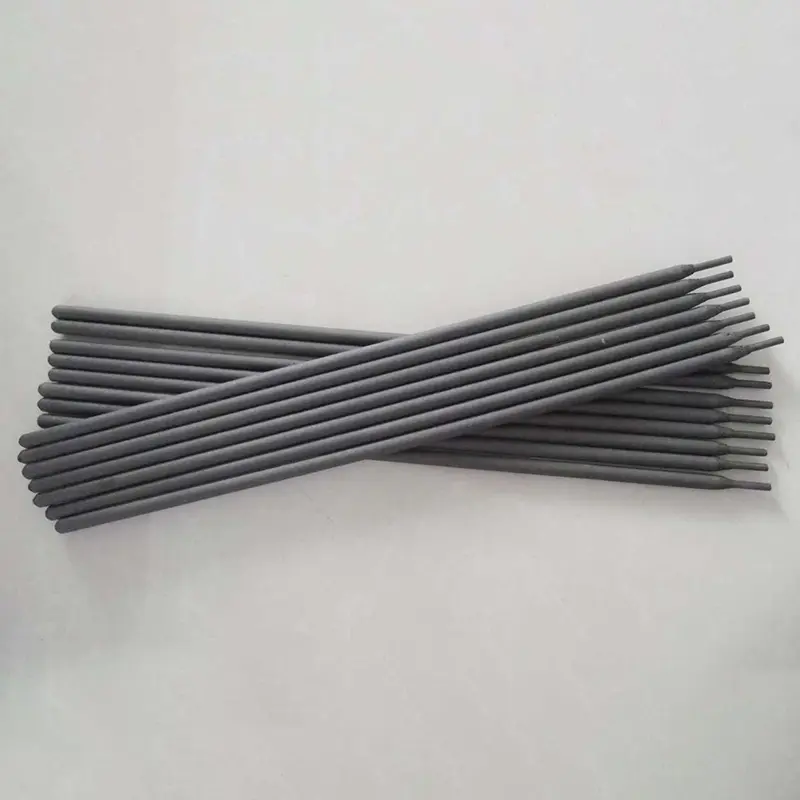
Premium stick electrodes (E6013 / E7018) for field repairs, pipeline maintenance, and structural frameworks.
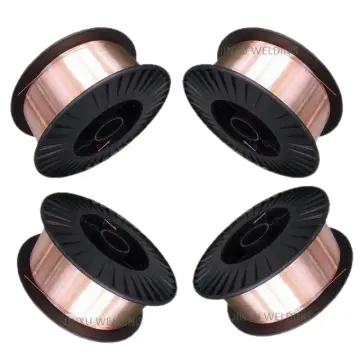
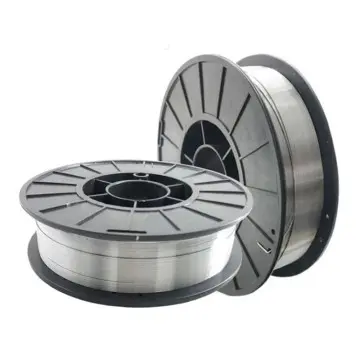
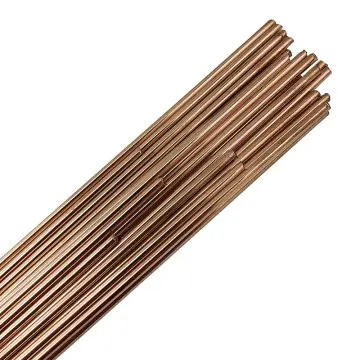
Maximize joint integrity, prevent defects, and ensure structural conformity.
The key to successful TIG welding with ER309L rods is absolute cleanliness. Because stainless steel is highly sensitive to hydrocarbons and moisture, follow these preparation steps:
Always use 99.999% pure Argon as the shielding gas. For critical pipe root passes, back purging with argon is required to prevent oxidation of the root face (commonly referred to as "sugaring"). Keep the weld puddle small and control the interpass temperature under 150°C (300°F) to protect the metallurgical properties and ensure maximum corrosion resistance of the weldment.
In-depth technical answers addressing common procurement questions and welding challenges.
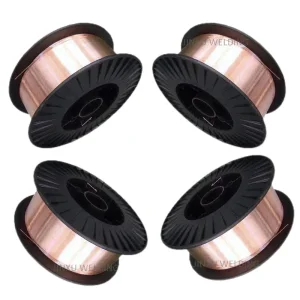
Premium MIG, TIG, Flux-Cored, and Stick Electrode options designed for heavy industry applications.
 Yuxin
Yuxin