Industrial grade MIG, TIG, and flux-cored products engineered to international standards.
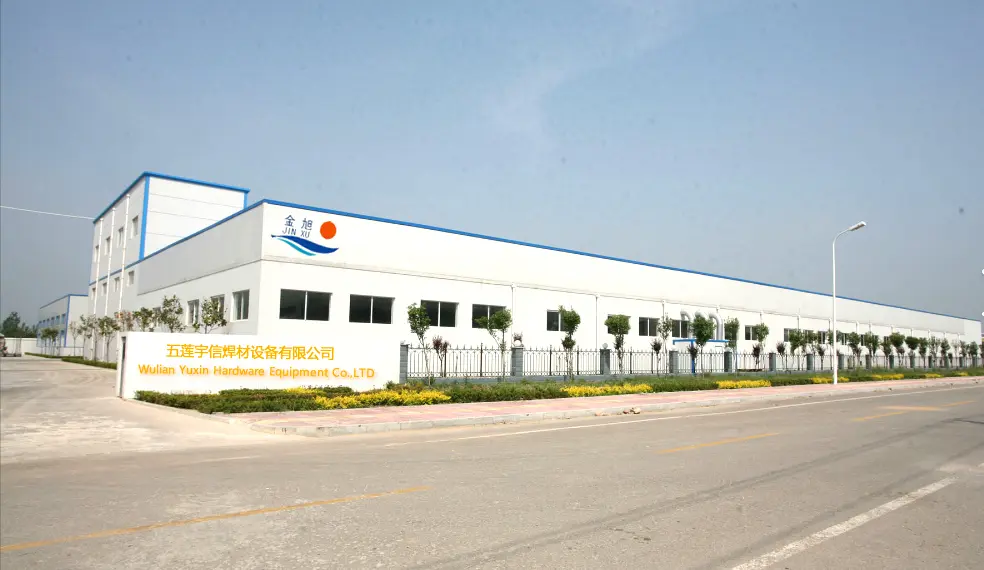
The manufacturing infrastructure of the modern world relies on invisible yet unbreakable structural joints. At Wulian Yuxin Hardware Equipment Co., Ltd., we have committed ourselves to engineering those vital connections. Established in Wulian, Rizhao City, Shandong Province, our enterprise has scaled from a dedicated regional manufacturer into a globally recognized producer of premier welding consumables.
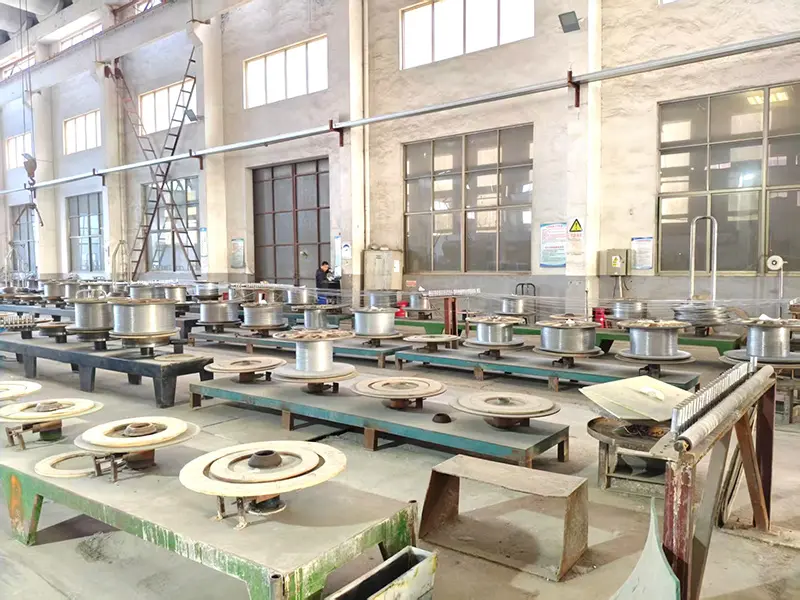
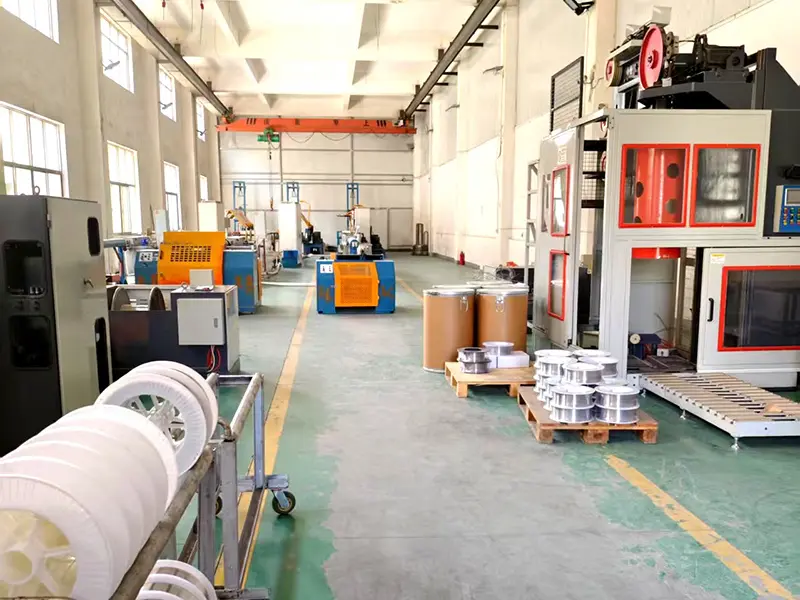
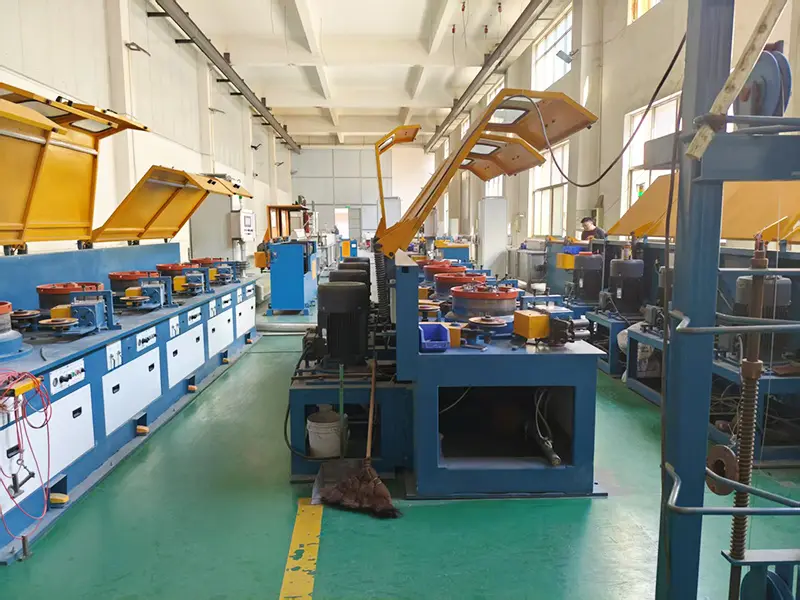
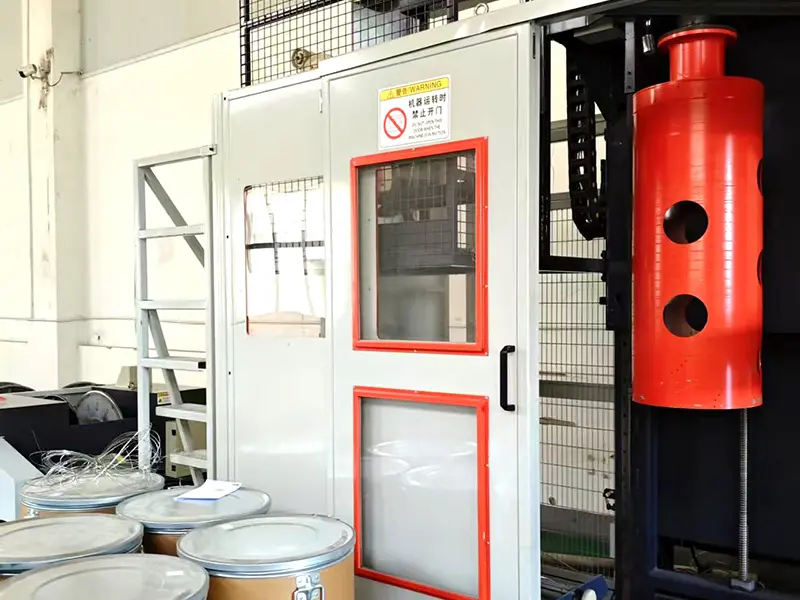
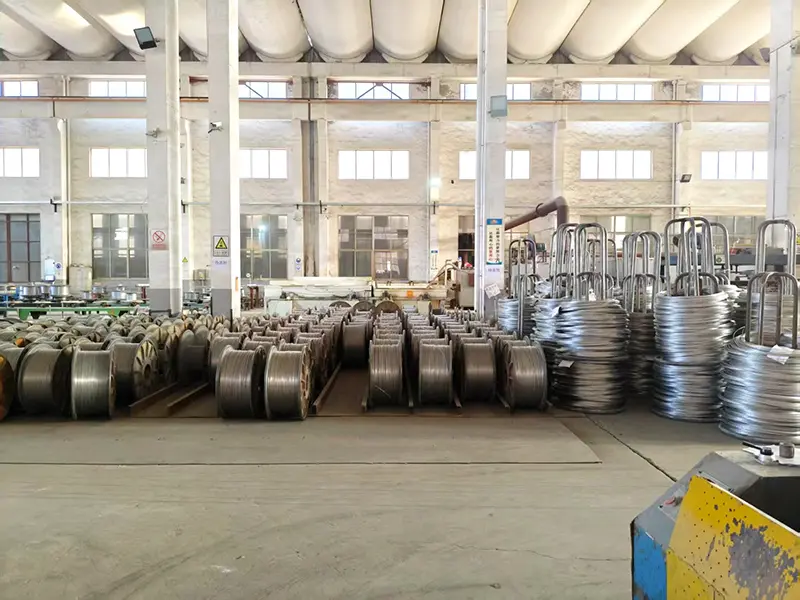
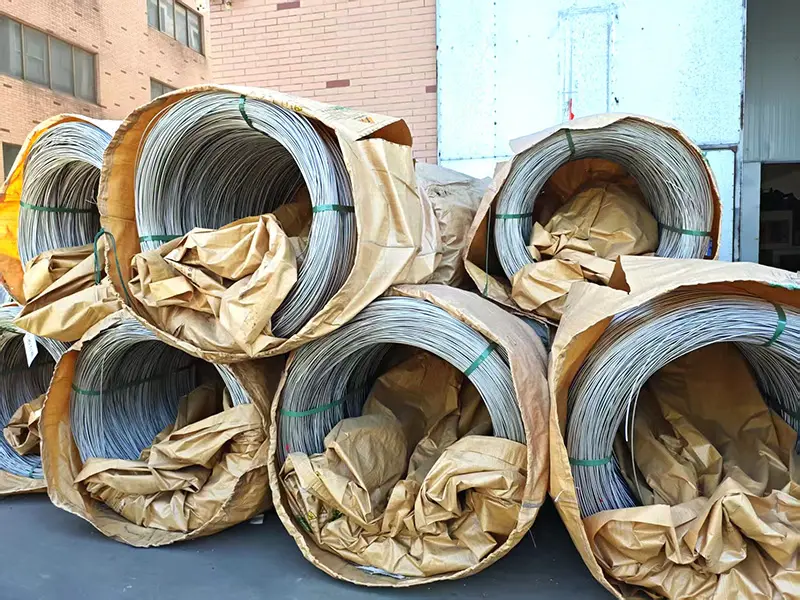
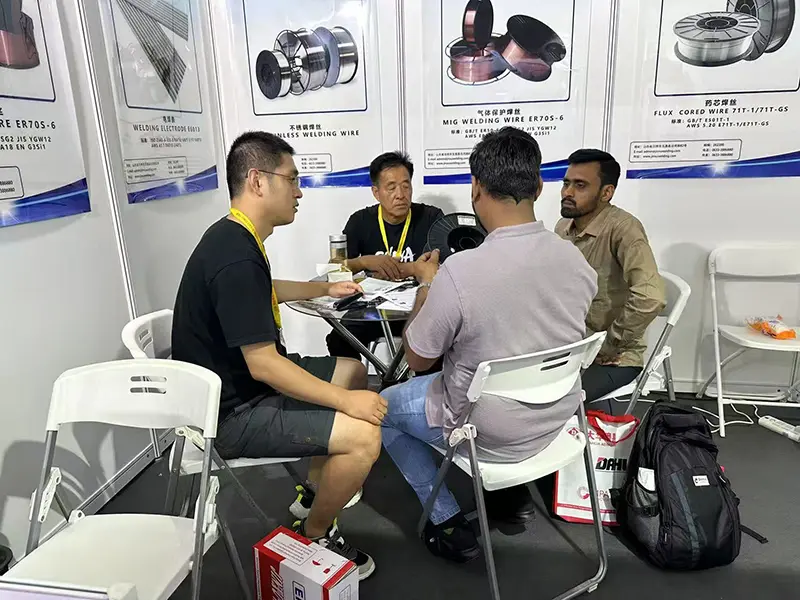
Our integrated 15,000-square-meter state-of-the-art production facility houses automated heavy-duty wire-drawing blocks, precision spooling stations, and independent metallographic labs. Maintaining total vertical integration of the raw material to finished goods pipeline enables us to implement rigorous quality gates. From incoming wire rod analysis to high-speed layer winding, we guarantee that every batch exhibits unmatched chemical homogeneity and structural consistency.
In the highly demanding niche of dissimilar metal welding, ER309L MIG Wire stands as the ultimate technological solution. The wire's chemistry must be carefully balanced to maintain weld pool fluidity and prevent hot-cracking. Wulian Yuxin ensures that our ER309L wires offer low carbon and optimized chromium-nickel balances, providing critical transition layers for oil refineries, chemical reactors, power plants, and marine infrastructure across five continents.
A deep exploration into the chemistry, microstructural stability, and ferrite volume calculation necessary for high-integrity industrial joining applications.
ER309L (containing "L" for ultra-low carbon) is a metal inert gas (MIG) welding consumable specifically developed to join stainless steel to mild steel, low-alloy steel, or to create corrosion-resistant cladded overlay coatings on carbon steels. The primary technical hurdle in joining stainless steel (e.g., SUS 304 or 316) to carbon steel is the dilution effect. When carbon steel melts into the weld pool, it dilutes the chromium and nickel content. If the wire doesn't have excess chromium and nickel, the resulting weld bead forms hard, brittle martensitic phases, leading to instantaneous cold cracking.
By offering an alloy composition rich in chromium (23-25%) and nickel (12-14%), our ER309L MIG wire compensates for carbon steel dilution. The high chromium content ensures that even after significant dilution, the weld metal retains sufficient chromium to remain in the corrosion-resistant passive state. Furthermore, we closely control the silicon (Si) and manganese (Mn) content to optimize arc stability and reduce spatter, ensuring that robotic and manual welding setups alike run smoothly.
Another critical metallurgical parameter is the Delta-Ferrite content. Our engineering team designs the chemical formulation using the WRC-1992 diagram to predict a Ferrite Number (FN) between 4 and 12 in the undiluted weld deposit. A small amount of ferrite is essential to prevent hot cracking during solidification, as ferrite provides high solubility for sulfur, phosphorus, and other low-melting impurities that would otherwise accumulate at the grain boundaries, causing solidification cracks.
Today, ER309L MIG wires are globally recognized as the cornerstone of chemical plant expansions and heavy industrial infrastructure maintenance. As standard carbon steel vessels are upgraded with stainless steel internal cladding to extend their service life, the demand for high-quality ER309L continues to scale. Wulian Yuxin's commercial presence spans across Europe, Southeast Asia, Africa, and South America.
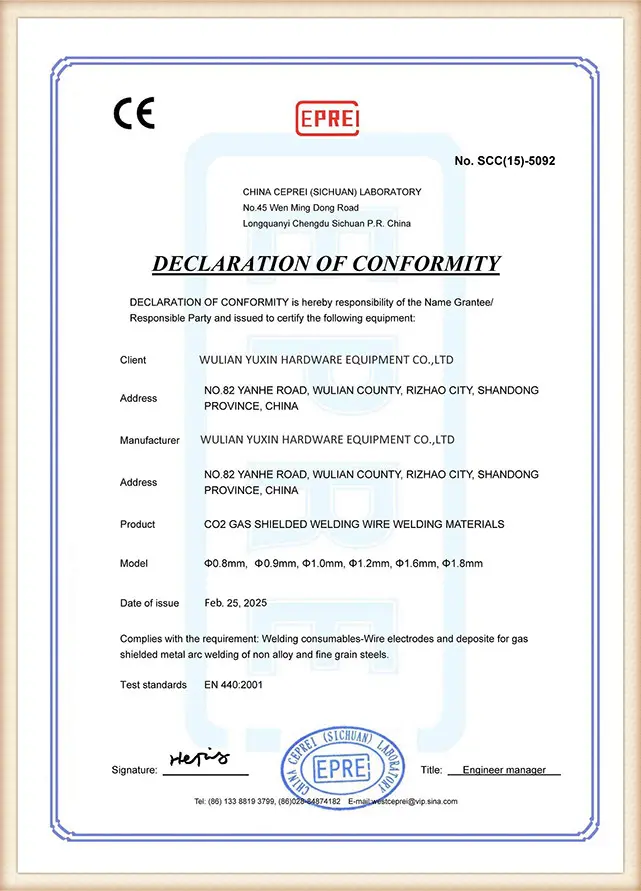
In highly regulated markets such as Germany, Poland, and Italy, our welding wires must meet stringent CE certification guidelines and chemical tolerances 30% stricter than standard AWS (American Welding Society) specifications. Industrial clients in Germany rely on our layer-wound ER309L spools for automated robotic production lines where wire feeding consistency translates directly into manufacturing uptime.
In the rapid-growth industrial sectors of Southeast Asia, including Vietnam and Indonesia, our products are used extensively in marine shipyards, petrochemical refineries, and palm oil extraction equipment. Because tropical coastal environments accelerate atmospheric corrosion, transition joints welded with inferior wire quickly fail. Wulian Yuxin provides the local availability, certification, and technical support that engineering firms demand to execute these high-stakes infrastructure contracts.
Wulian Yuxin is proactively adapting to the changing metallurgy landscape, focusing on advanced robotics integration, eco-friendly surface treatments, and high-deposition efficiency.
Integrating trace additions of rare-earth elements to refine weld grain structure, reduce puddle viscosity, and lower spatter levels by up to 20% in high-heat configurations.
Fine-tuning wire temper, cast, and helix diameters to match high-feed-rate robotic welding systems, eliminating bird-nesting and contact tip wear in 24/7 manufacturing plants.
Implementing chemical-free mechanical descaling and ultrasonic solvent washing lines to produce a highly clean surface finish, minimizing welding fumes and protecting operators.
Expanding the R&D pipeline to produce advanced gas-shielded and self-shielded flux-cored ER309LT variants designed for out-of-position field welding and extreme deposition rates.
Real-world integration of ER309L MIG wire in demanding operating environments, balancing safety, strength, and life cycle cost.
In heavy refinery columns made of thick ASTM A36 carbon steel, ER309L is deposited as a buffer layer before applying a corrosion-resistant overlay of ER308L or ER316L, ensuring the vessel wall is insulated from high-sulfur hydrocarbons.
Used to weld stainless piping to carbon structural frames. The salt-spray marine environment requires the welded joint to have high pitting resistance equivalents (PREN) and zero crack sensitivity under cyclic wave stress.
In high-temperature energy generation facilities, ER309L MIG wire bridges the thermal expansion gap between ferritic steels and austenitic stainless steels, avoiding thermal fatigue failures under cycling operational loads.
Operating a state-of-the-art 15,000 square meter plant equipped with high-speed automated drawing, inline testing, and precision layer-winding machinery.
Within heavy engineering, specifying the correct welding consumable is not simply a matter of structural matching; it is a key variable in asset lifecycle management. Over years of thermal cycles and chemical exposure, mismatched transition welds will succumb to galvanic corrosion and carbon migration. Carbon migration occurs when carbon atoms diffuse from the mild steel into the stainless steel weld metal at temperatures above 425°C, resulting in structural embrittlement at the boundary layer.
To prevent this, Wulian Yuxin works alongside procurement and design engineers to optimize the welding process using our ER309L wires. By maintaining strict control over the carbon content (limiting it to 0.03% maximum) and adjusting the ferrite stabilizer ratio, we supply a wire that resists carbon migration even under extended stress. This attention to detail reduces the frequency of maintenance shutdowns, saving operators millions in lost output.
Additionally, our global logistics network and comprehensive inventory control mean that whether you are repairing a pipeline in South Africa, fabricating storage tanks in Brazil, or constructing pressure vessels in Germany, you will receive products with consistent chemical characteristics. Every batch is supplied with a comprehensive Mill Test Certificate (MTC) conforming to EN 10204 3.1, establishing full traceability from raw rod melt to final spool.
In-depth answers to critical chemical, mechanical, and parameter-based questions compiled by our laboratory metallurgy team.
Explore our extensive range of carbon steel, stainless steel, and aluminum welding consumables.
 Yuxin
Yuxin