Explore our premium selection of industrial-grade MIG, TIG, and flux-cored welding wires engineered for structural integrity and corrosion resistance.
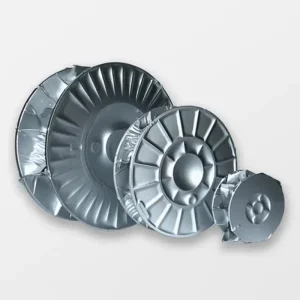
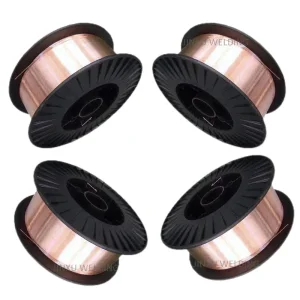
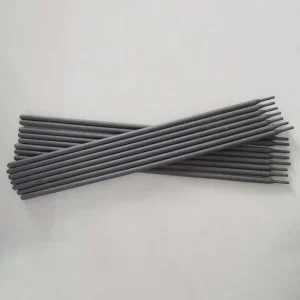
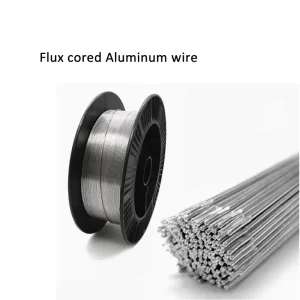
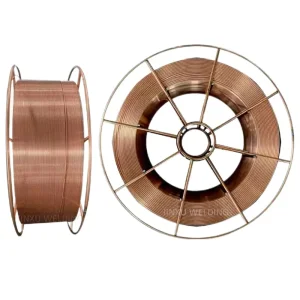
In the modern industrial landscape, stainless steel welding consumables form the backbone of critical infrastructure, chemical processing, food production, and automotive engineering. Among these, 304 Stainless Steel MIG Wire (commonly classified under AWS A5.9 ER308L or ER308) is the most widely utilized alloy due to its exceptional balance of corrosion resistance, mechanical properties, and cost-effectiveness. This whitepaper analyzes the global commercial dynamics, metallurgical requirements, and manufacturing advantages of sourcing these consumables from leading Chinese manufacturers.
The global demand for stainless steel MIG welding wire has experienced steady growth, driven by rapid urbanization, strict sanitary standards in food and pharmaceutical manufacturing, and the expansion of the liquefied natural gas (LNG) supply chain. 304 stainless steel, containing approximately 18% chromium and 8% nickel, provides excellent resistance to atmospheric corrosion and organic acids. Consequently, the MIG wire designed to weld this base metal must meet precise chemical and physical criteria to prevent weld decay, sensitization, and mechanical failure.
Globally, procurement managers face the challenge of balancing stringent quality requirements with cost pressures. While Western manufacturers offer high-quality products, their cost structures often limit large-scale project feasibility. This has positioned China as the primary hub for high-grade stainless steel wire drawing, where advanced metallurgical processes meet highly optimized supply chains.
When welding 304 stainless steel, the industry standard is to use ER308L filler metal. The "L" denotes low carbon content (typically < 0.03%), which is critical for preventing carbide precipitation during the welding process. When standard 304 stainless steel is heated to temperatures between 425°C and 870°C, carbon diffuses to the grain boundaries and combines with chromium to form chromium carbides. This depletes the chromium adjacent to the grain boundaries, leaving the steel susceptible to intergranular corrosion—a phenomenon known as sensitization.
China's dominance in the production of stainless steel welding consumables is not merely a result of lower labor costs; it is driven by technological integration, raw material proximity, and massive economies of scale. Factories located in industrial clusters like Shandong and Jiangsu benefit from direct access to high-purity wire rod feedstock produced by domestic steel giants such as TISCO and Baosteel.
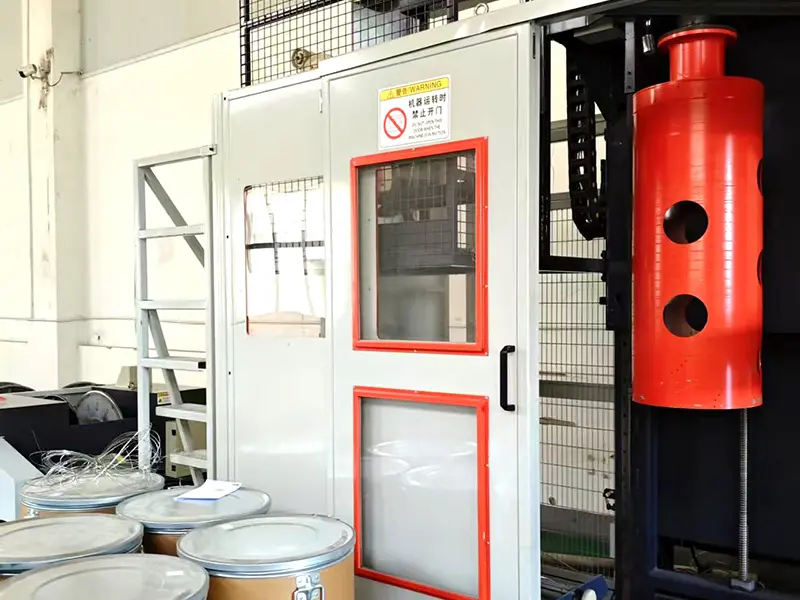
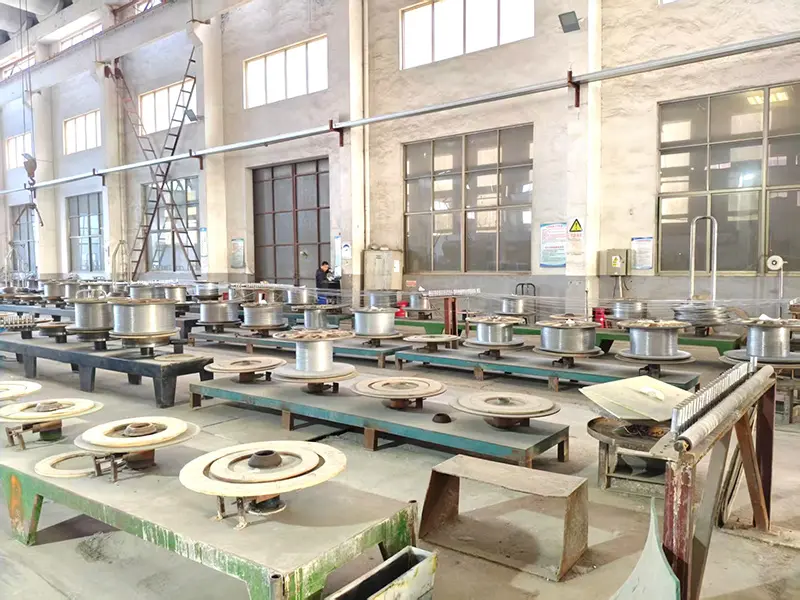
Modern Chinese wire drawing facilities utilize multi-stage continuous dry and wet drawing machines equipped with real-time laser diameter monitoring. This ensures that the wire diameter tolerance is kept within ±0.01 mm, preventing wire feeding issues in automated and robotic MIG welding torches. Furthermore, advanced precision layer-winding machinery guarantees that the wire is spooled without twists or overlaps, allowing for smooth, uninterrupted wire feeding at high speeds.
The application of 304 stainless steel MIG wire spans multiple critical sectors, each requiring specific welding parameters and quality assurances:
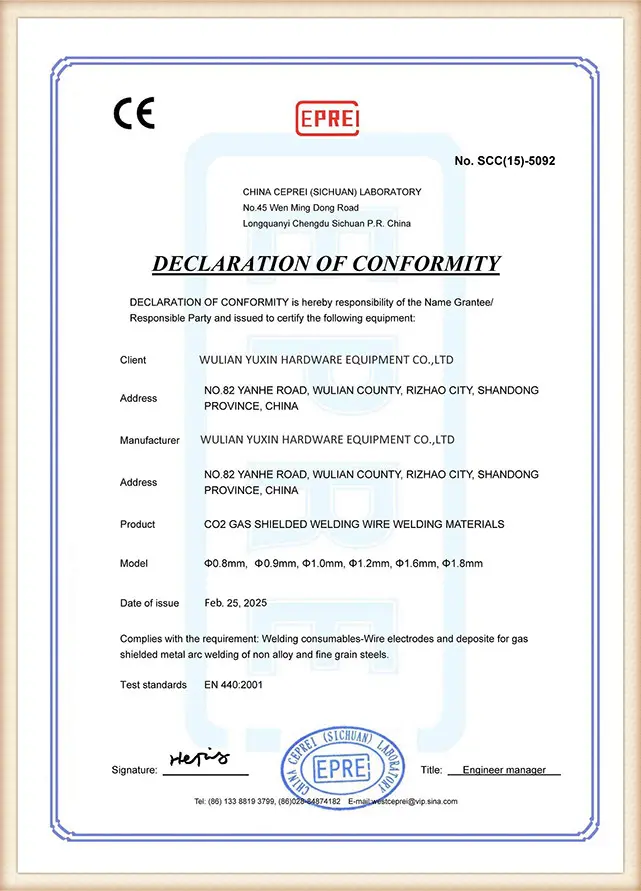
Our manufacturing processes and products are fully certified to meet global quality and safety standards:
Pioneering Excellence in Welding Solutions Since 2004
Established in Wulian, Rizhao City, Shandong Province, Wulian Yuxin Hardware Equipment Co., Ltd. has grown from a locally excellent manufacturer to a globally recognized producer of premium welding consumables. With our own 15,000-square-meter production facility and advanced manufacturing equipment, we proudly maintain complete control over our production processes, ensuring consistent quality across our entire product range.
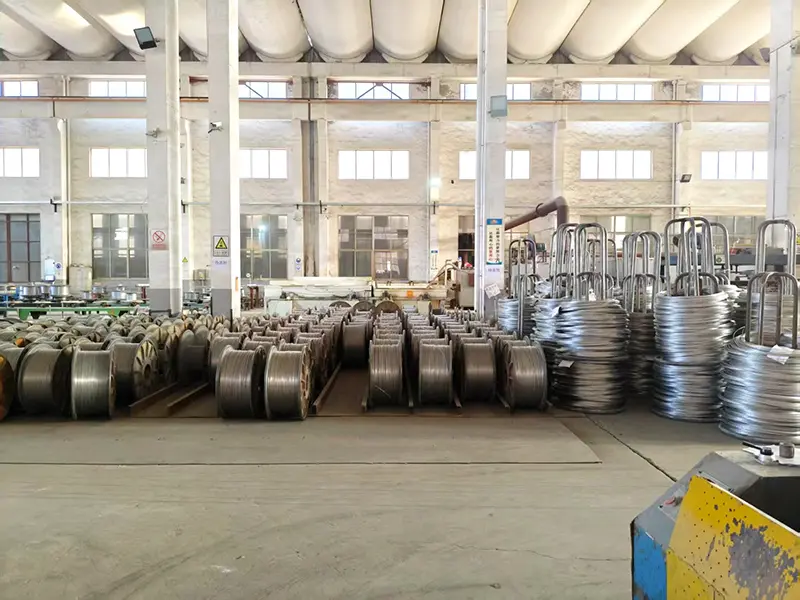
Our annual production capacity of 3,000 tons allows us to reliably serve clients across five continents, with particular strength in European and Southeast Asian markets. All products meet stringent international standards, including ISO9001 and CE certifications, and undergo rigorous quality control at every production stage.
What sets Wulian Yuxin apart is our unwavering commitment to quality. Our in-house R&D team continuously improves product formulations, while our QC department maintains tolerances 30% stricter than industry standards. This dedication has earned us long-term partnerships with dozens of Fortune 500 suppliers and distributors.
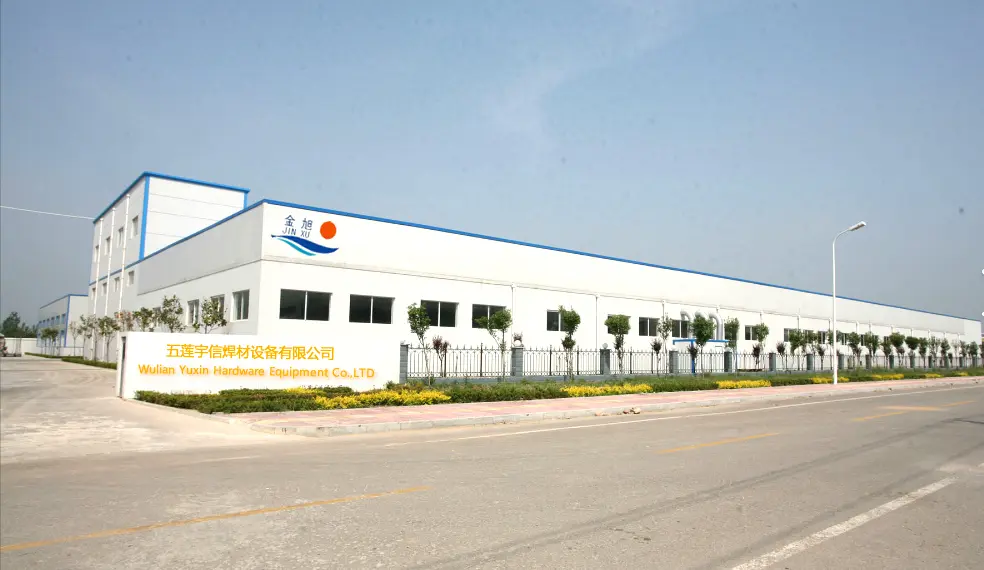
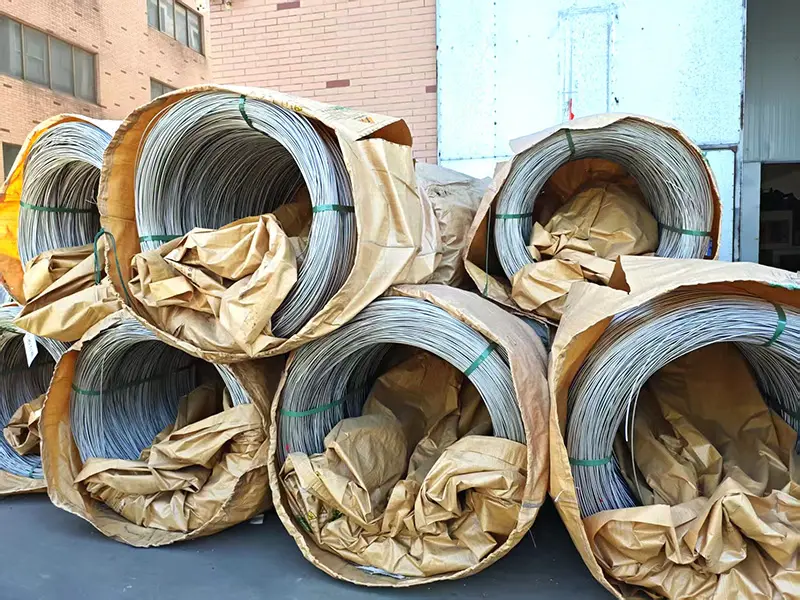
Take a look inside our 15,000-square-meter facility equipped with advanced wire drawing, precision winding, and quality testing machinery.
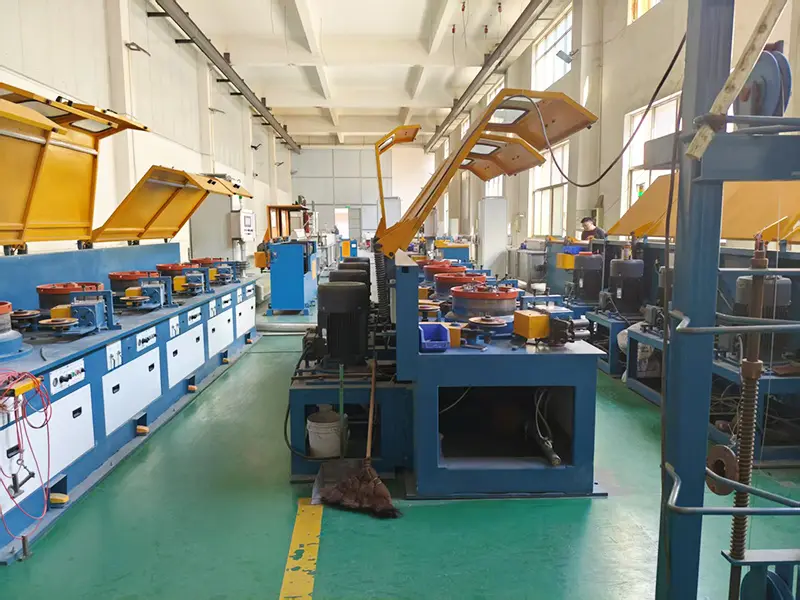
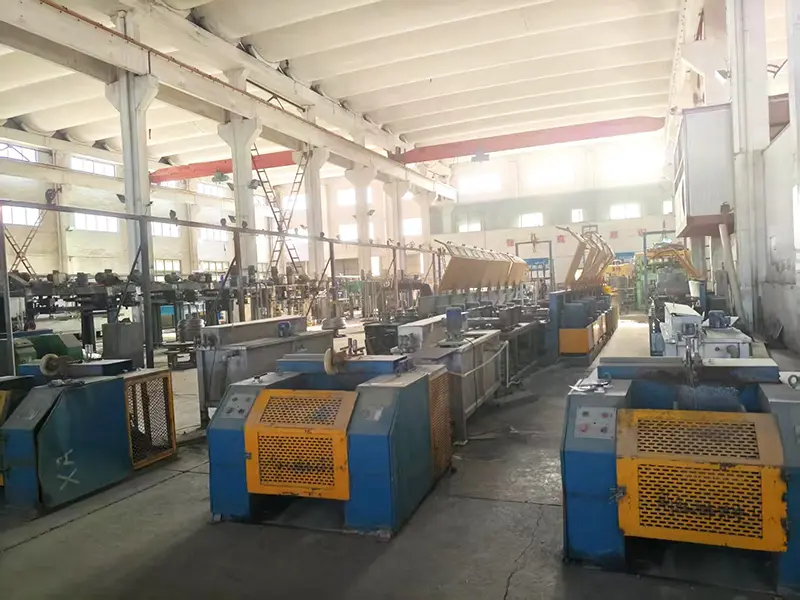
Today, our products are trusted by industrial clients in over 20 countries worldwide. From major construction projects in Germany to manufacturing plants in Vietnam, our welding solutions form invisible bonds that hold critical infrastructure together. Our primary export markets include:
As we look ahead, we are investing in automated production lines to increase capacity by 40%, eco-friendly packaging solutions, enhanced technical support services, and expanded product testing facilities. We remain committed to our founding principles of integrity, innovation, and customer focus—values that have guided us through nearly two decades of sustainable growth.
We specialize in manufacturing a comprehensive range of welding consumables to meet diverse industrial needs.
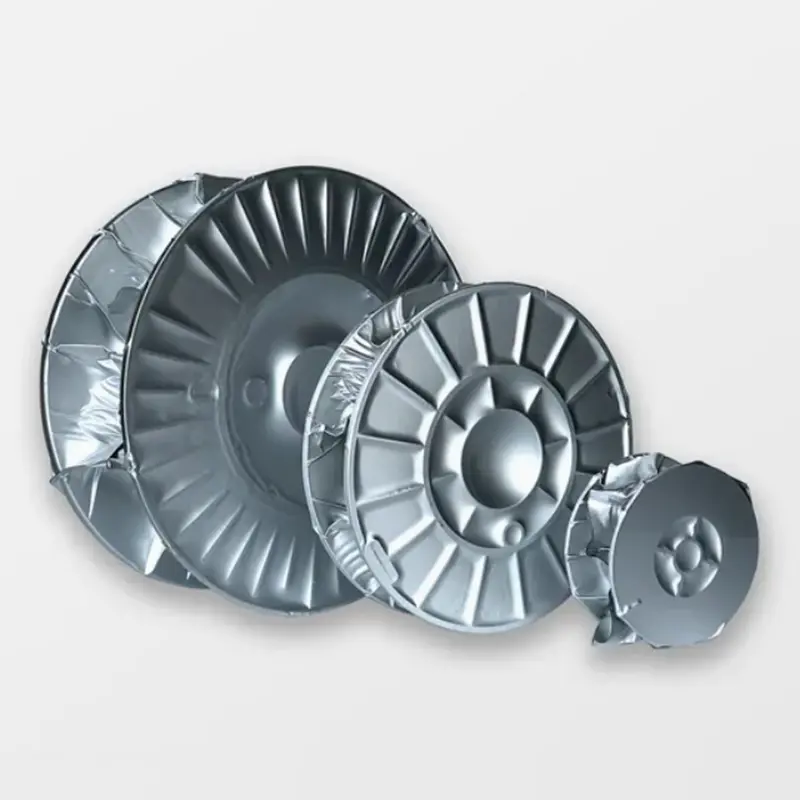
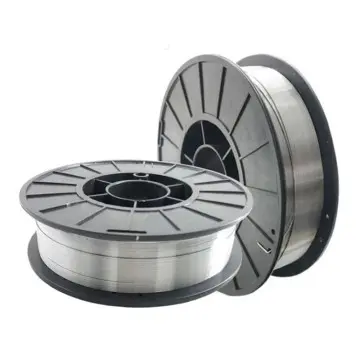
High-deposition rate flux-cored wires designed for structural steel fabrication and heavy machinery welding.
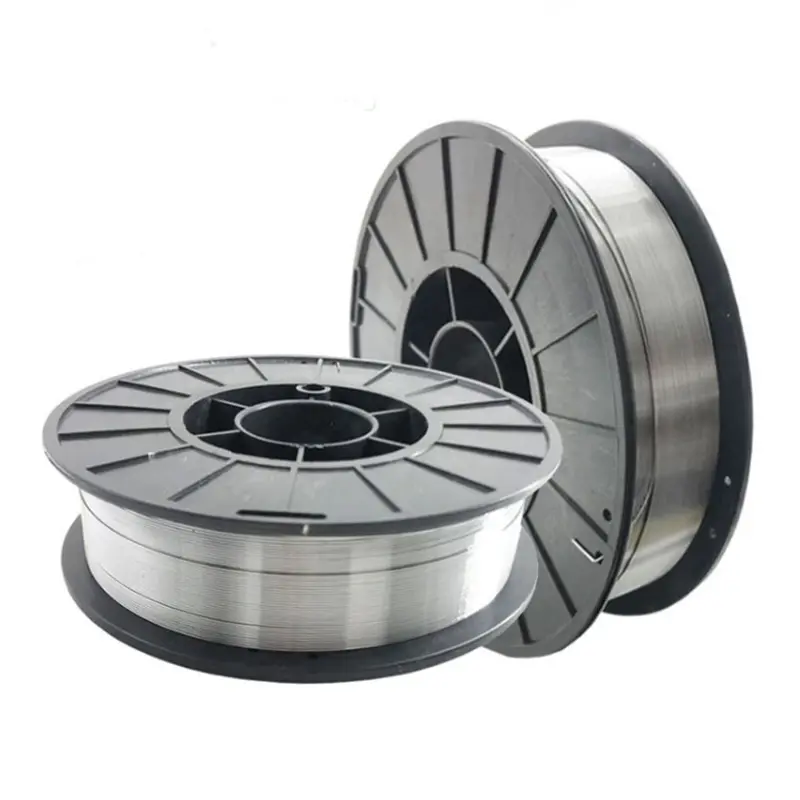
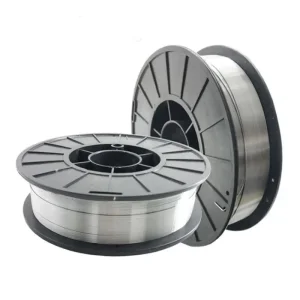
Premium ER308L and ER316L wires offering superior corrosion resistance and weld pool control.
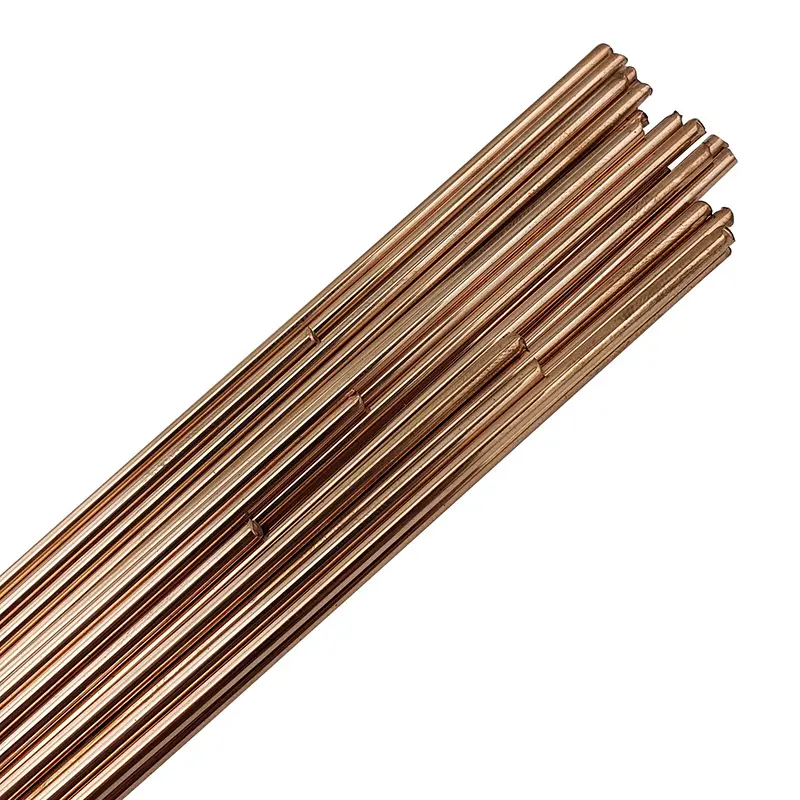
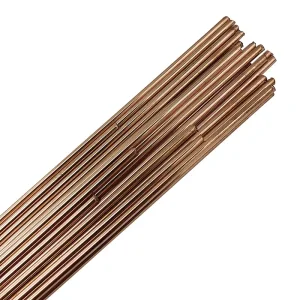
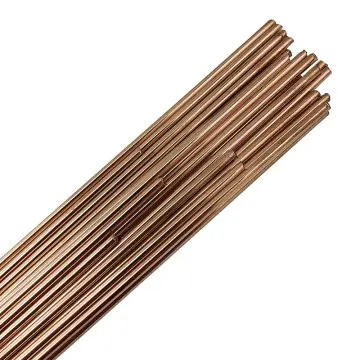
Precision-cut TIG rods for clean, high-strength root passes in piping and pressure vessel fabrication.
Our welding consumables are proven in the field, delivering reliable performance across challenging structural and chemical environments.
Get professional answers to technical and procurement questions about 304 Stainless Steel MIG Wire and global sourcing.
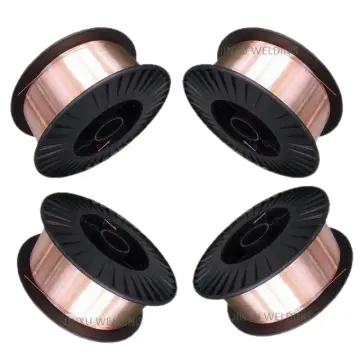
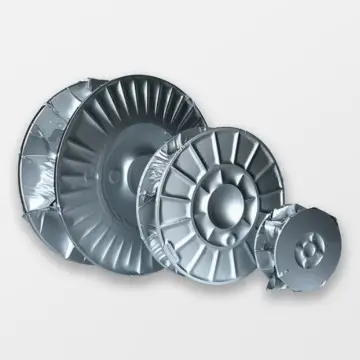
Select from our widely exported carbon steel, stainless steel, and aluminum welding wires designed for global industrial standards.
 Yuxin
Yuxin