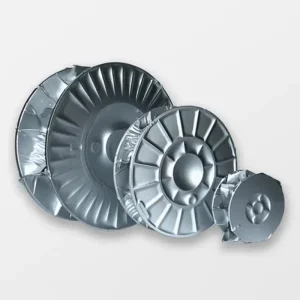
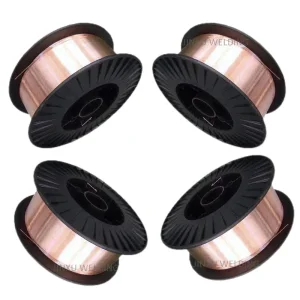
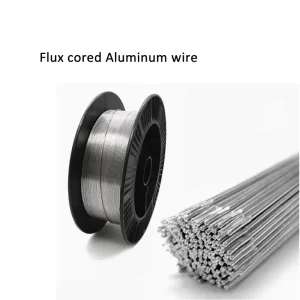
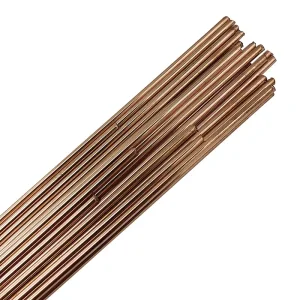
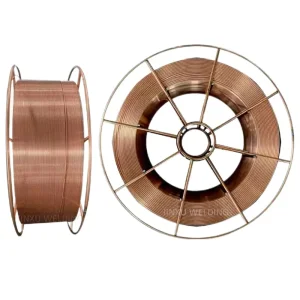
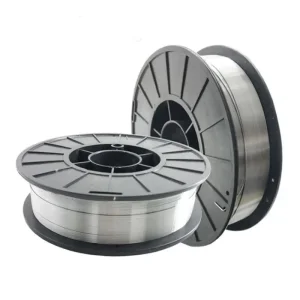
In modern industrial fabrication, joining light alloys—specifically aluminum and its complex structural profiles—demands unparalleled precision, purity, and tensile reliability. High-Quality China Top Aluminum Flux-Cored TIG (Tungsten Inert Gas) technology represents the pinnacle of modern filler metal development. Unlike solid aluminum wires, which require flawless surfaces, rigorous pre-weld cleaning, and often high-purity helium-argon shielding gas mixtures to mitigate thermal dissipation, flux-cored formulations embed active chemical agents directly into the filler core.
The micro-flux inner core consists of fluoride- and chloride-based active agents that decompose during the welding arc. These agents continuously dissolve the refractory aluminum oxide film (Al2O3) which has a melting temperature of over 2050°C—far exceeding the underlying base aluminum's melting point of approximately 660°C. By chemically stripping the oxide film inside the weld pool, the flux core guarantees instant wet-out, eliminates incomplete fusion, and yields an ultra-clean, x-ray-quality joint deposit.
Furthermore, China's leading aluminum flux-cored factories have optimized their processing steps to control hydrogen porosity. Hydrogen is notoriously soluble in liquid aluminum but highly insoluble in the solid phase, leading to microscopic gas bubbles that compromise joint structural integrity under cyclic fatigue. By utilizing precise vacuum annealing systems and moisture-impermeable drawing lubricants during manufacturing, Chinese producers lower the moisture footprint within the internal flux matrices to well below threshold levels (often < 0.1 mL/100g of deposit metal).
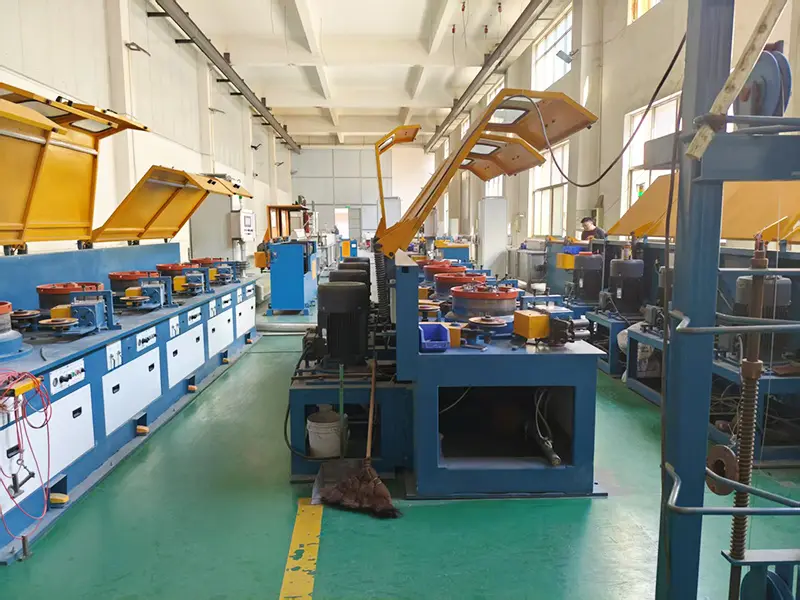
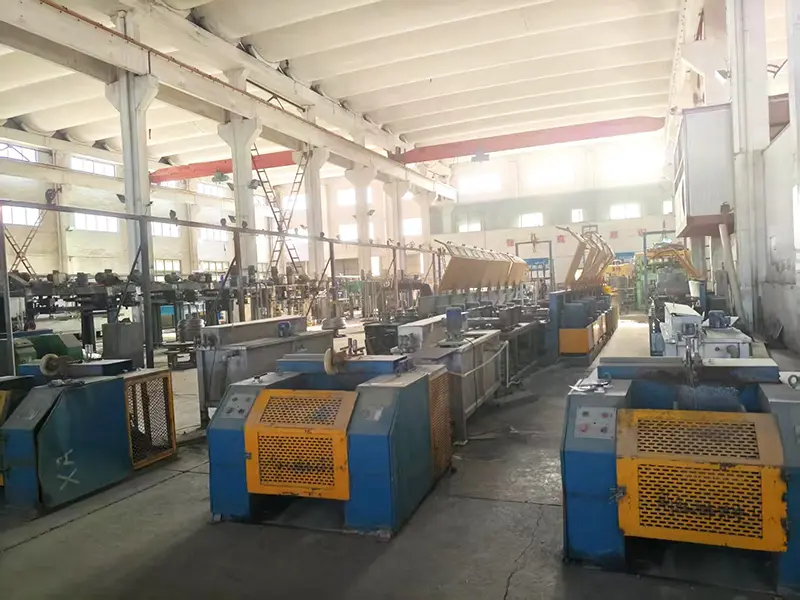
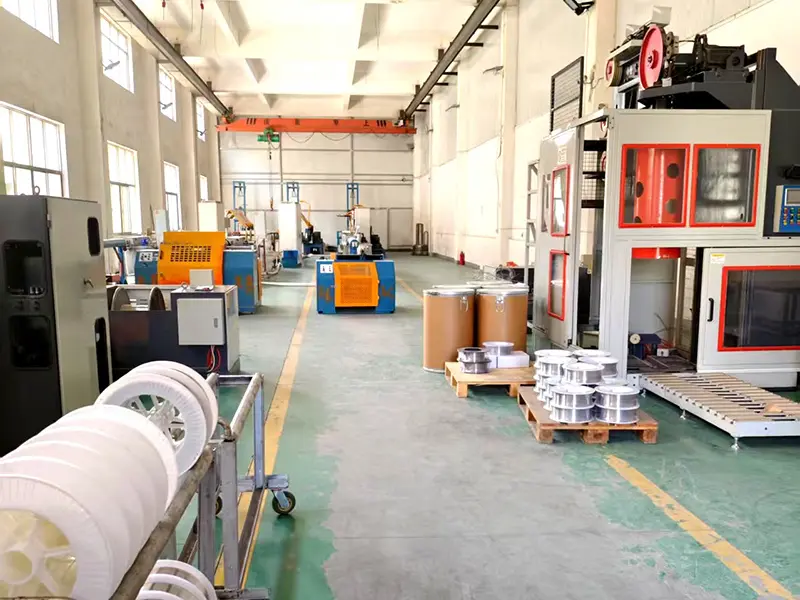
At the center of China’s high-precision hardware and welding supply chain is Wulian Yuxin Hardware Equipment Co., Ltd.. Established in 2004 in Wulian, Rizhao City, Shandong Province, the company has transformed from a regional fabrication supplier into a globally recognized producer of premium welding consumables. Wulian Yuxin manages an extensive 15,000-square-meter state-of-the-art production facility, providing complete end-to-end control over material selection, mechanical drawing, flux formulation, spooling, and packaging.
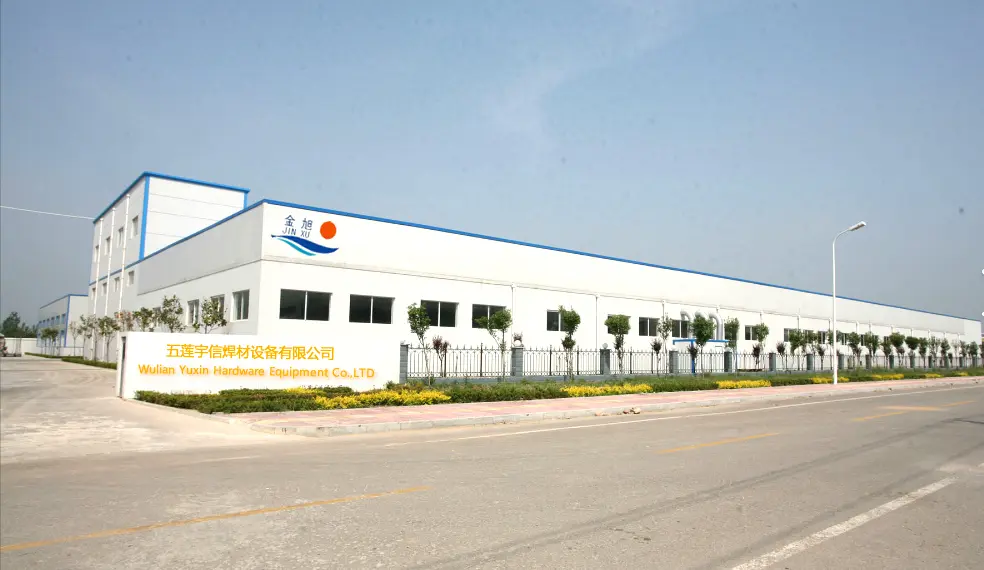
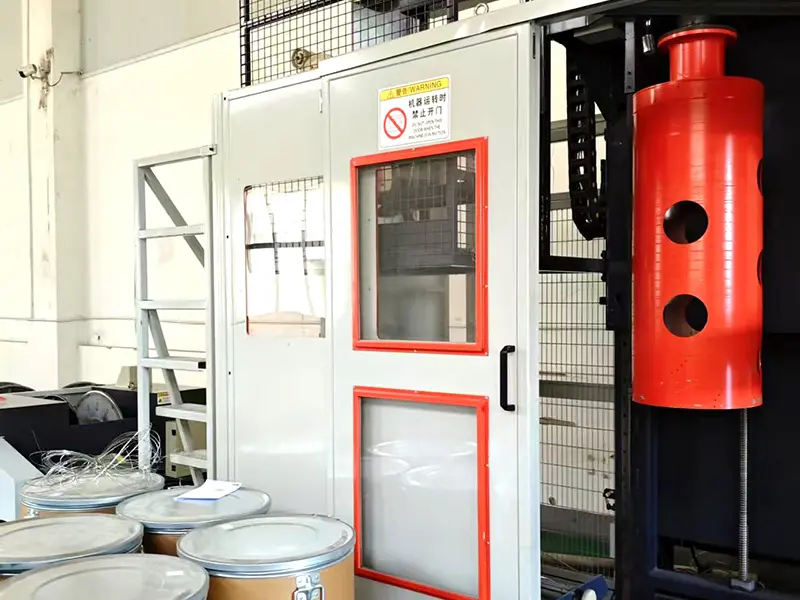
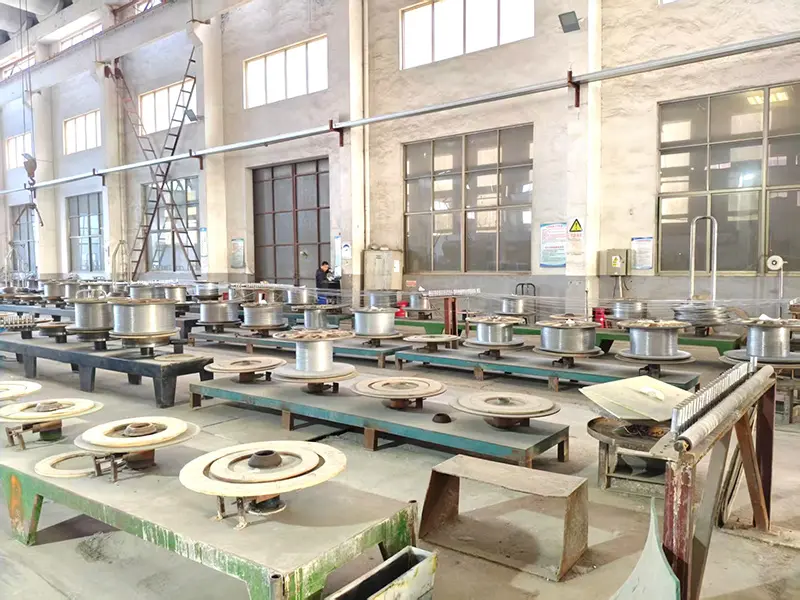
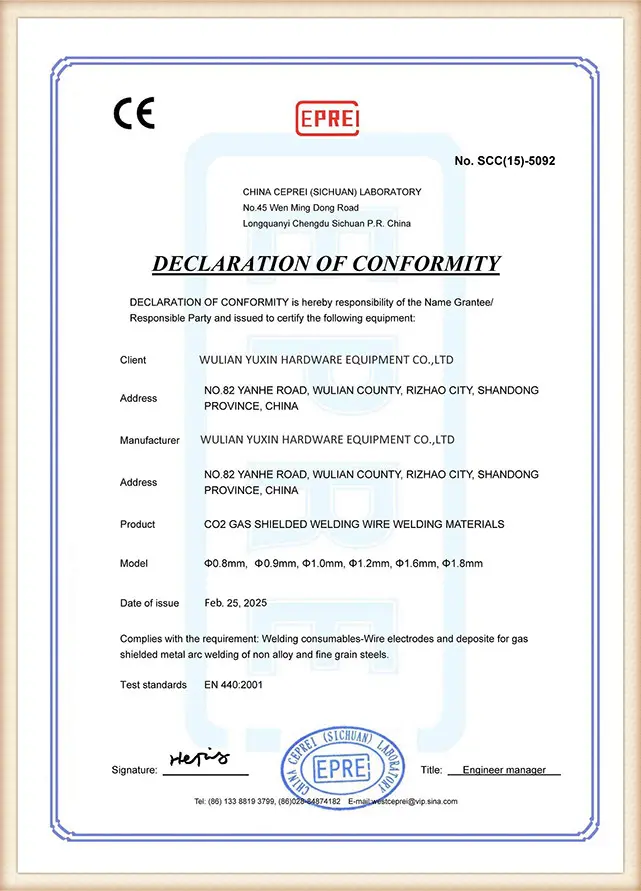
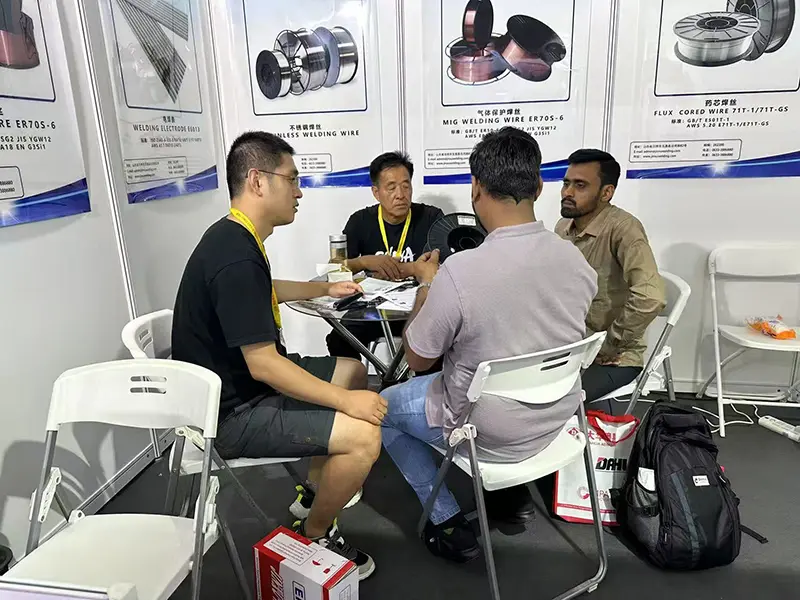
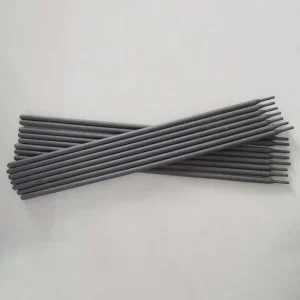
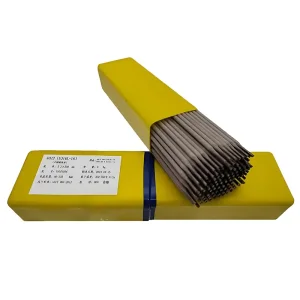
Wulian Yuxin's manufacturing capability features an annual production capacity of 3,000 tons, serving industrial fabricators across five continents. By maintaining an in-house R&D facility and metallurgical lab, the company applies quality tolerances 30% stricter than traditional AWS and EN standards. Their product range, spanning MIG Welding Wires (ER70S-6), Flux-Cored Wires (E71T-1C), Stainless Steel Welding Wires (ER308L/ER316L), and welding electrodes (E6013/E7018), meets strict international standards, including ISO9001 and CE certifications.
As the automotive industry transitions to electric drivetrains, lightweighting is critical to extending vehicle range. Aluminum alloys (primarily 5xxx and 6xxx series) are widely used in battery enclosures, subframes, and crash management systems. Aluminum flux-cored TIG welding offers a highly controlled thermal profile, preventing burn-through on thin-gauge battery trays.
Ocean-going ships, luxury yachts, and high-speed catamarans rely heavily on marine-grade aluminum (such as Al-Mg 5083) to reduce overall weight and resist saltwater corrosion. Using high-quality flux-cored TIG wire ensures uniform mechanical properties across the heat-affected zone (HAZ), reducing structural degradation under cyclic wave stress.
With the expansion of liquified natural gas (LNG) transport networks, pressure vessels operating at extreme sub-zero temperatures require alloys that avoid low-temperature embrittlement. Aluminum alloys combined with optimized flux-cored fillers deliver high fracture toughness at cryogenic levels down to -196°C.
Historically, MIG welding was favored for aluminum due to its high deposition rate. However, the requirement for flawless cosmetics, precise joint penetration, and zero-defect structures in critical aerospace and marine joints has driven a shift back to TIG processes. The development of flux-cored TIG wires bridges this gap, providing the precision of manual TIG welding alongside the oxide-cleaning efficiency of automated systems. Chinese factories are at the forefront of this shift, refining automated wire extrusion techniques that maintain a consistent core-to-sheath ratio (within +/-0.5% weight tolerance).
Why do leading global procurement departments source from Shandong-based clusters? The answers lie in integrated supply chains, logistics infrastructure, and technology investment. The Wulian and Rizhao industrial areas represent an ecosystem that optimizes costs and production timelines. This region provides several distinct advantages:
Supply Chain Stability Note: China's comprehensive industrial infrastructure protects manufacturers from material and energy shortages. This allows factories to offer stable pricing structures—a critical advantage for EPC contractors and major distributors working on multi-year development projects.
For procurement officers, sourcing welding consumables from international factories involves several key considerations. Quality assurance is more than just checking a certification; it requires verification of consistent chemical compositions and packaging integrity. The checklist below outlines essential guidelines for high-quality procurement:
Ensure each production lot is supplied with a Certified Material Test Report (CMTR) matching EN 10204 Type 3.1. This document should detail exact levels of alloying elements like Mg, Si, Mn, Cr, and Ti, which dictate the tensile strength and corrosion resistance of the finished joint.
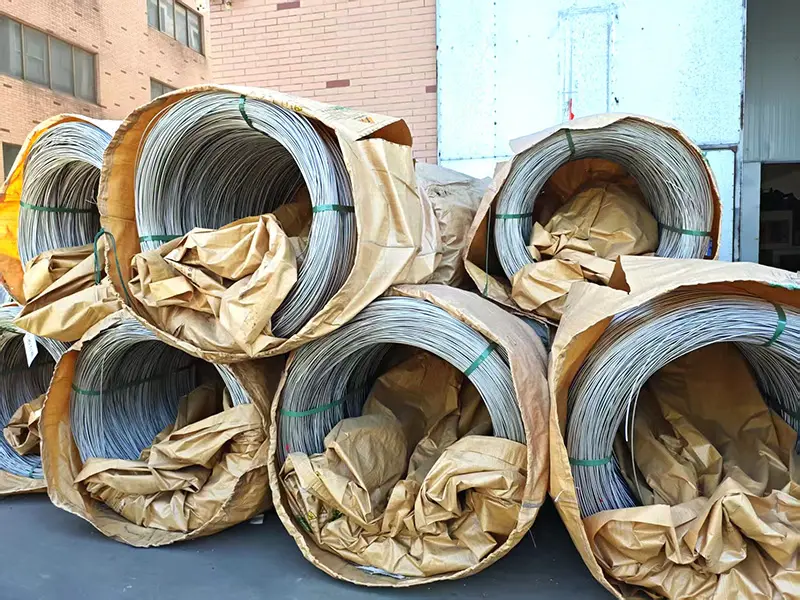
Aluminum filler wires absorb ambient moisture quickly if exposed to air. Premium suppliers utilize hermetically sealed aluminum foil bags, accompanied by silica gel desiccants. This keeps the wires clean and dry from the factory floor to the end-user's welding station.
Verify compliance with major classification standards. Sourcing from a factory certified to ISO9001, CE, and equivalent standards ensures the product line is suitable for high-responsibility structural work globally.
A: Solid aluminum TIG rods require extensive pre-weld chemical cleaning or mechanical brushing to remove the surface oxide layer, as the TIG arc alone may not break it up. Flux-cored TIG wires include active chemical flux compounds within the core. When heated, these flux agents dissolve the oxide layer chemically, allowing for successful welding on surfaces with minor oxidation, while saving preparation time in large-scale production environments.
A: For general applications, 99.99% pure Argon (Grade 4.5 or higher) is recommended. On thicker aluminum plates (exceeding 6mm), an Argon-Helium mixture (typically 75% Ar / 25% He or 50/50) can be used to increase heat input, improve penetration, and speed up travel times. The chemical action of the flux core remains stable across both pure Argon and helium-doped gas mixtures.
A: Our Shandong facility maintains traceability for all raw materials. Every batch of base alloy wire is analyzed using optical emission spectrometers (OES). The flux filling ratio is monitored continuously during the forming and drawing process. Each shipment is dispatched with a full chemical analysis sheet matching the production batch number.
A: Standard industrial practices recommend removing flux residue post-weld, particularly for parts slated for powder coating or anodizing. However, modern non-corrosive flux formulations are engineered to leave minimal, inert residues. Any remaining residue can be removed via wire brushing, hot-water washing, or mild acid etching.
A: Aluminum is sensitive to environmental moisture. Wires should be stored in their original sealed packaging in climate-controlled warehouses where the temperature stays between 15°C and 25°C and relative humidity remains below 60%. Once opened, spool covers or protective plastic wraps should be used to protect the wire when not in use.
A: With an annual production capacity of 3,000 tons, we can handle bulk orders for large infrastructure projects without long lead times. This scale also helps buffer against fluctuations in the raw material market, ensuring predictable pricing for our regular clients.
A: All our product lines, including MIG, TIG, flux-cored wires, and welding electrodes, meet global standards. We maintain ISO9001 quality management system certification and CE markings, ensuring compliance with strict industrial and construction standards in Europe and Asia.
Looking ahead, Wulian Yuxin is continuing to invest in manufacturing technologies and sustainable operations. Key initiatives include the implementation of automated production lines to increase output capacity by 40%, the introduction of recyclable packaging solutions, and the expansion of our in-house testing facilities to develop new alloys. By focusing on quality, innovation, and long-term customer relationships, we remain a reliable partner for high-precision welding consumables worldwide.
 Yuxin
Yuxin