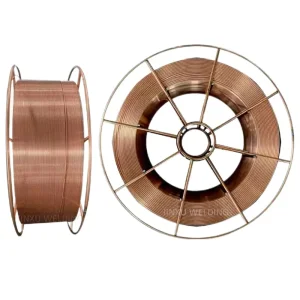
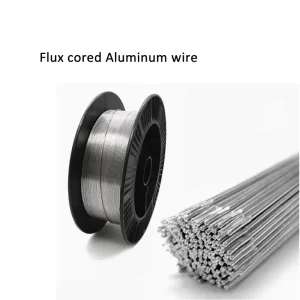
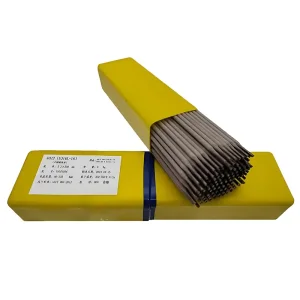
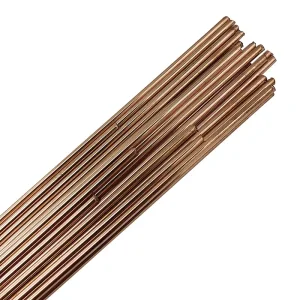
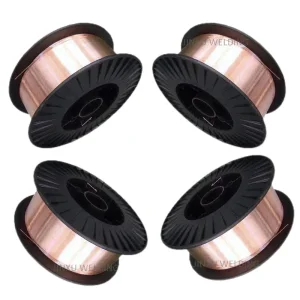
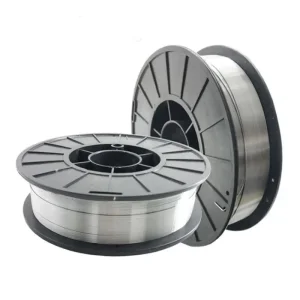
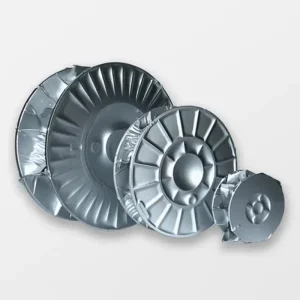
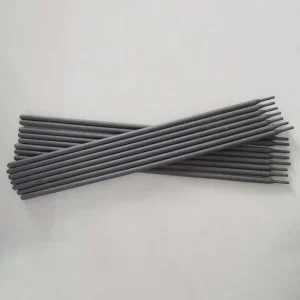
Examine our highly engineered solid wires, flux-cored variants, and electrodes optimized for diverse structural and heavy industrial fabrications.
The ER307 stainless steel welding wire is an industrial-grade consumable designed for heavy-duty joined structures. Typically classified under AWS A5.9, its chemistry features a balanced mix of chromium, nickel, and elevated manganese. This structure prevents hot cracking under extreme thermal stress while delivering high ductility.
ER307 is primarily utilized to join tough steel combinations—such as connecting manganese steels to carbon steels or armor plates. The high manganese composition (typically between 5.0% to 8.0%) prevents the development of low-melting-point eutectics, neutralizing hot-cracking tendencies. Under heavy strain, the weld deposit work-hardens, providing excellent resistance to cavitation and erosion wear.
Due to its high Cr levels, ER307 creates a passivated chromium-oxide protective layer. Combined with its nickel content, it prevents grain boundary carbide precipitation. Under corrosive atmospheric stresses, ER307 joints demonstrate exceptional structural integrity compared to traditional carbon steel and lower alloy fillers.
Globally, industrial infrastructure requires welding wires that tolerate diverse material dynamics. The market demand for ER307 has experienced strong growth due to developments in three main areas:
Modern catalytic converters and mufflers undergo constant thermal cycling. OEM manufacturers specify ER307 because of its excellent thermal stability and fatigue resistance at high operating temperatures.
Frog points, switches, and earthmoving buckets manufactured from high-manganese steels require heavy structural repair. ER307 provides a ductile structural base that withstands intense operational impact.
From joining armor plating in military vehicles to constructing complex steel frame structures, the mechanical properties of ER307 fulfill military and structural criteria for yield and tensile strength.
| Standard Specification (AWS A5.9) | Carbon (C) % | Chromium (Cr) % | Nickel (Ni) % | Manganese (Mn) % | Silicon (Si) % | Phosphorus/Sulfur % |
|---|---|---|---|---|---|---|
| ER307 Typical Composition | 0.04 - 0.14 | 19.5 - 22.0 | 8.0 - 10.0 | 4.5 - 7.50 | 0.50 - 1.00 | ≤ 0.030 / ≤ 0.020 |
China's manufacturing sector achieves strong competitive advantages through supply chain integration and raw material access. Our production facility stands at the forefront of this industrial model.
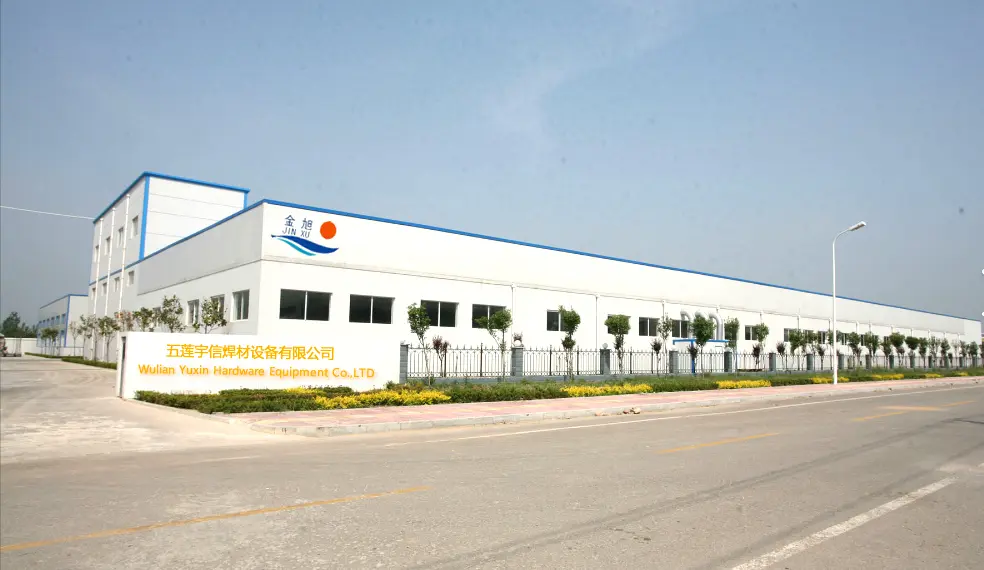
Established in Wulian, Rizhao City, Shandong Province, Wulian Yuxin Hardware Equipment Co., Ltd. has grown from a locally excellent manufacturer since 2004 to a globally recognized producer of premium welding consumables. With our own 15,000-square-meter production facility and advanced manufacturing equipment, we maintain complete control over our production processes, ensuring consistent quality across our entire product range.
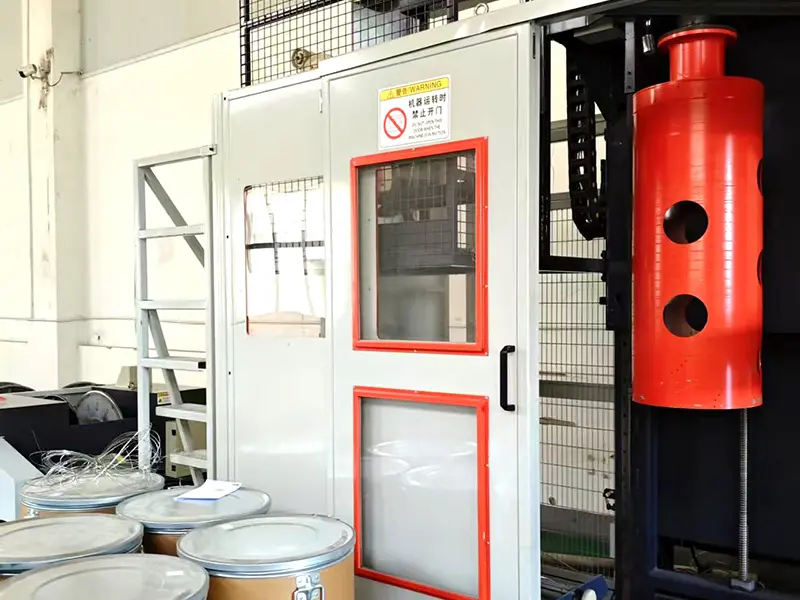
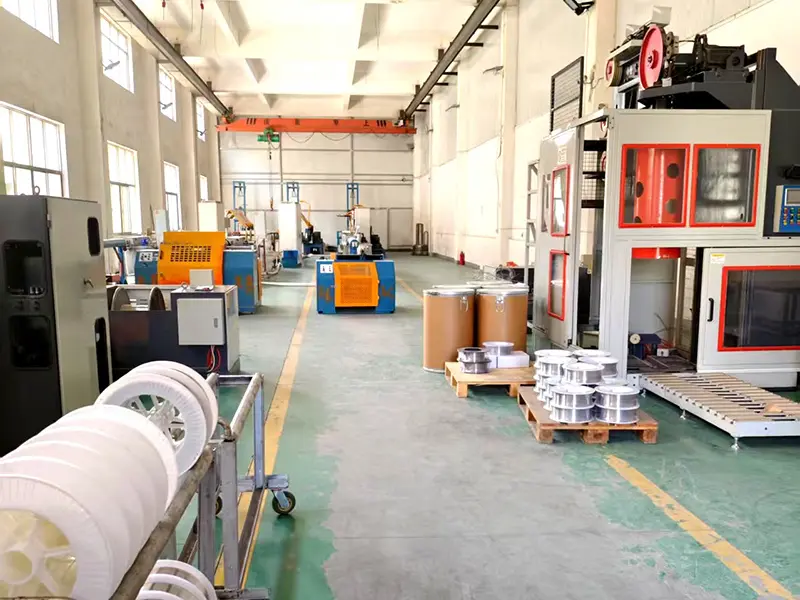
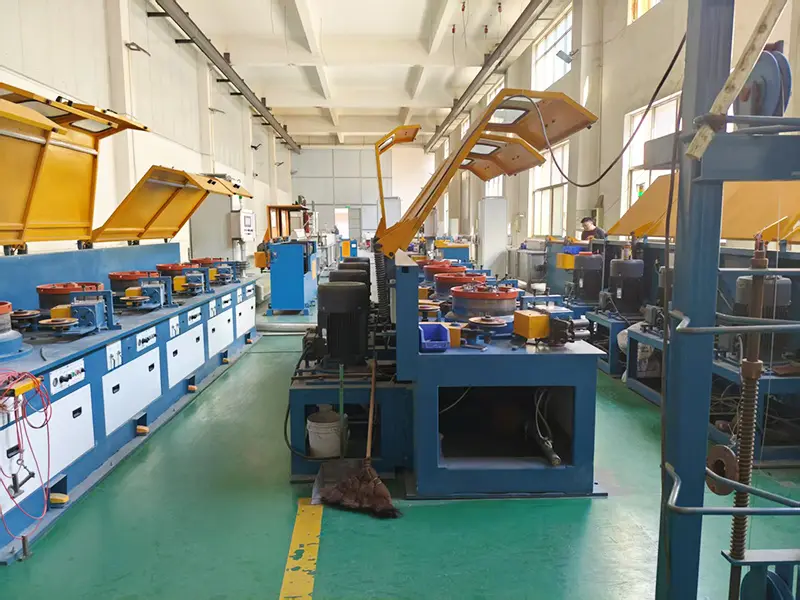
Our raw material procurement network coordinates closely with domestic steel mills to secure high-purity rods. Utilizing multi-stage drawing machines, precise gas-shielding controls, and automated layer-spooling systems, we maintain diameter tolerances within 30% of standard criteria. This prevents wire feeding issues in high-speed automated welding setups.
Choosing the correct filler material requires analyzing the mechanical loads of the target environment. ER307 performs consistently in demanding metallurgical scenarios:
Dragline buckets, pulverizers, and hammer mills encounter constant heavy impact. Repairing cracks with standard wires leads to premature weld interface failure. Using ER307 creates a tough buffer layer that absorbs shocks without fracturing.
Joints connecting structural carbon steel to stainless steel alloys (e.g., in civil architectural structures or chemical storage units) are prone to galvanic issues. The chemistry of ER307 provides a reliable transition zone.
High-speed rail switches, frogs, and crossovers undergo severe friction. In-situ weld build-up utilizing ER307 creates a surface layer that work-hardens under wheel pressure, extending component service life.
The global welding consumable market is shifting towards automation and stricter safety guidelines. Manufacturers must adapt to these changing regulatory environments:
Manual welding speed is limited, whereas robotic arms run continuously. This demands consistent casting and helix shapes from wire packaging. Our modern drawing machines eliminate twist, ensuring smooth wire feed over long conduits and reducing robotic downtime.
Air filtration regulations demand clean welding solutions. High manganese and chromium components generate particulates. Our current R&D focuses on refining surface lubrication and alloying levels to minimize fume emissions during GMAW processes.
Managing supply chains requires balancing cost against chemical consistency. B2B procurement agents should evaluate manufacturers based on these key operational standards:
Ensure manufacturers supply EN 10204 Type 3.1 Mill Test Certificates. These verify chemical batch values against AWS and ISO criteria.
Verify CE and ISO 9001:2015 approvals. These confirm that quality checks are maintained throughout the production cycle.
Choose dynamic packaging types, including robust plastic spools and moisture-barrier bags, to prevent surface rust during ocean shipping.
Confirm that monthly capacity supports large-volume orders. This prevents shipping bottlenecks during seasonal infrastructure expansions.
Here are technical solutions to frequent inquiries regarding ER307 and other stainless welding consumables:
Browse our selection of specialized solid, flux-cored, and electrode consumables designed for global distribution.
 Yuxin
Yuxin