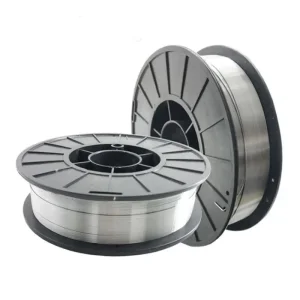
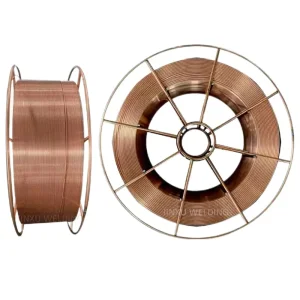
Within the highly specialized sector of industrial metallurgy, the joining of dissimilar metals is recognized as a complex engineering challenge. Specifically, joining mild or low-alloy carbon steels with stainless steels requires precise chemical ratios to prevent cold cracking, carbon migration, and premature stress ruptures. The 309 Flux-Cored Welding Wire (AWS A5.22 E309LT1-1 / E309T1-1) acts as the metallurgical buffer layer that makes these complex joints possible.
By delivering high levels of Chromium (approx. 22%-25%) and Nickel (approx. 12%-14%), 309 grade deposits form a stable austenitic weld metal matrix. This high alloy content offsets the dilution effect that occurs when the molten pool mixes with the unalloyed carbon steel substrate. The resulting weld zone exhibits a carefully controlled volume of delta ferrite (typically measured in Ferrite Number, FN, between 4 and 12), ensuring the primary crystal solidification morphology avoids hot cracking while retaining outstanding ductility and resistance to intergranular corrosion.
| Element | Carbon (C) | Chromium (Cr) | Nickel (Ni) | Manganese (Mn) | Silicon (Si) |
|---|---|---|---|---|---|
| Standard Range | ≤ 0.04% | 22.0% - 25.0% | 12.0% - 14.0% | 0.5% - 2.5% | ≤ 1.0% |
*Note: The ultra-low carbon level (≤ 0.04% in 'L' grades) is critical for preventing carbide precipitation at the grain boundaries, which avoids sensitization during high-temperature thermal cycling.
Today, the global manufacturing landscape is characterized by increasing operational temperatures, higher operating pressures, and corrosive environments. Industrial operators in sectors such as petrochemical refining, power generation, offshore oil and gas exploitation, and maritime construction rely heavily on E309L-1 flux-cored wires for cladding buffer layers, lining reactors, and constructing transition joints.
Modern shipyards and heavy pressure vessel fabrication shops are rapidly adopting automated robotic welding systems. Flux-cored wires provide a distinct advantage over solid wires in robotic setups due to their excellent arc stability, minimal spatter levels, and rapid-solidifying slag systems that support high deposition rates in all positions.
The rise of marine civil engineering and hydrogen fuel containment vessel construction has elevated the demand for structural transitions between carbon steel and austenitic stainless steel. 309 flux-cored wire ensures these structural transitions maintain high tensile strength and fatigue resistance.
Cladding carbon steel plates with high-alloy corrosion-resistant alloys (CRAs) is a cost-effective way to protect vessels. Applying E309L-1 as a first-pass overlay prevents carbon diffusion from the base steel into subsequent corrosion-resistant alloy layers.
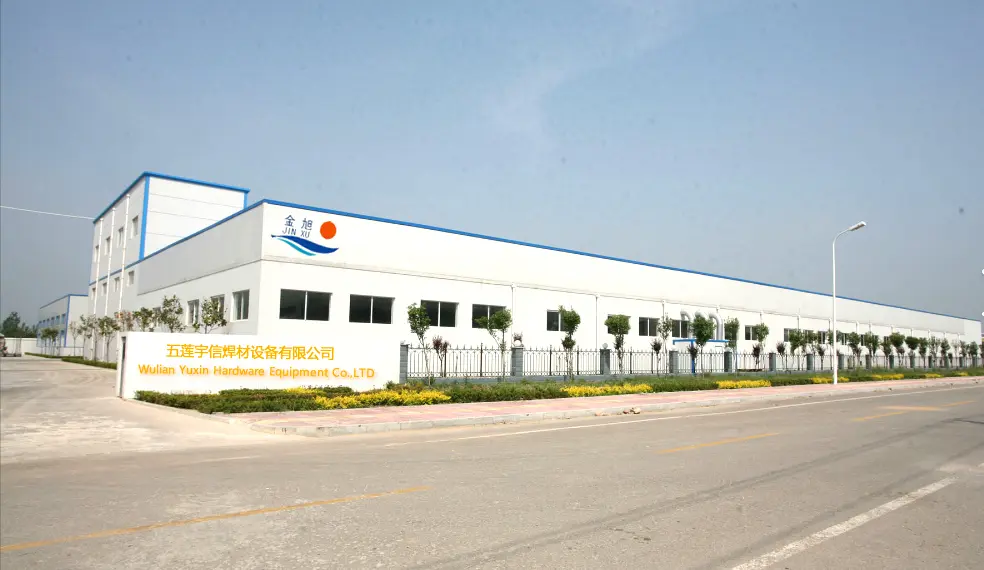
Pioneering Excellence in Welding Solutions Since 2004
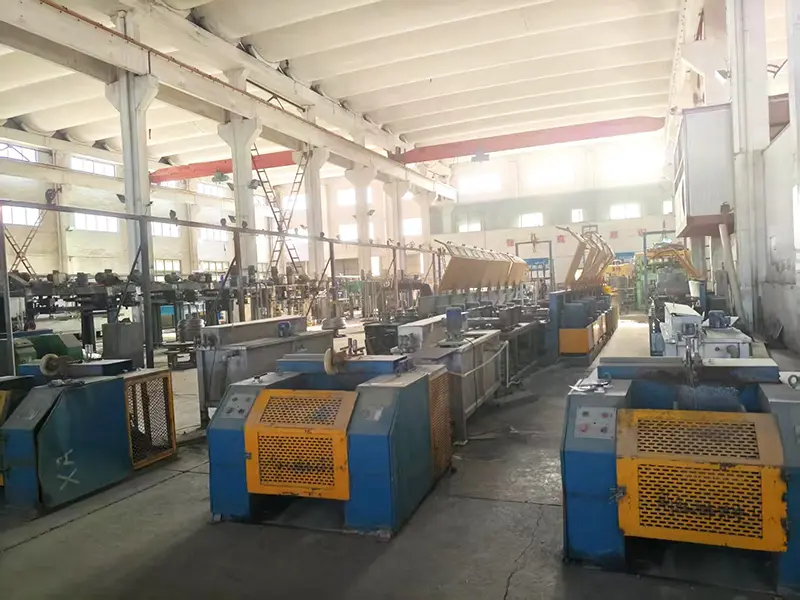
Established in Wulian, Rizhao City, Shandong Province, Wulian Yuxin Hardware Equipment Co., Ltd. has grown from a locally excellent manufacturer to a globally recognized producer of premium welding consumables. With our own 15,000-square-meter production facility and advanced manufacturing equipment, we proudly maintain complete control over our production processes, ensuring consistent quality across our entire product range.
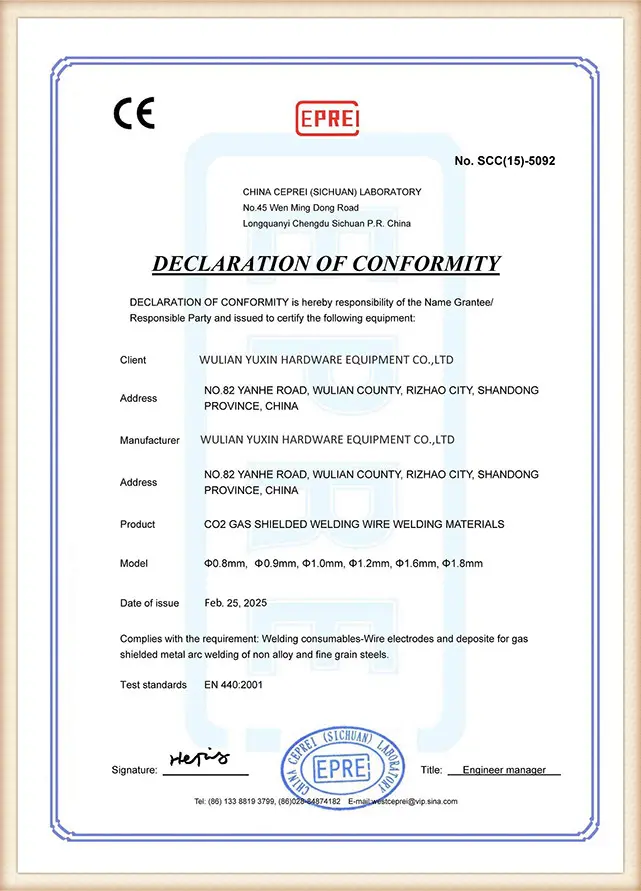
All products meet stringent international standards, including ISO9001 and CE certifications, and undergo rigorous quality control at every production stage. What sets Wulian Yuxin apart is our unwavering commitment to quality. Our in-house R&D team continuously improves product formulations, while our QC department maintains tolerances 30% stricter than industry standards. This dedication has earned us long-term partnerships with dozens of Fortune 500 suppliers and distributors.
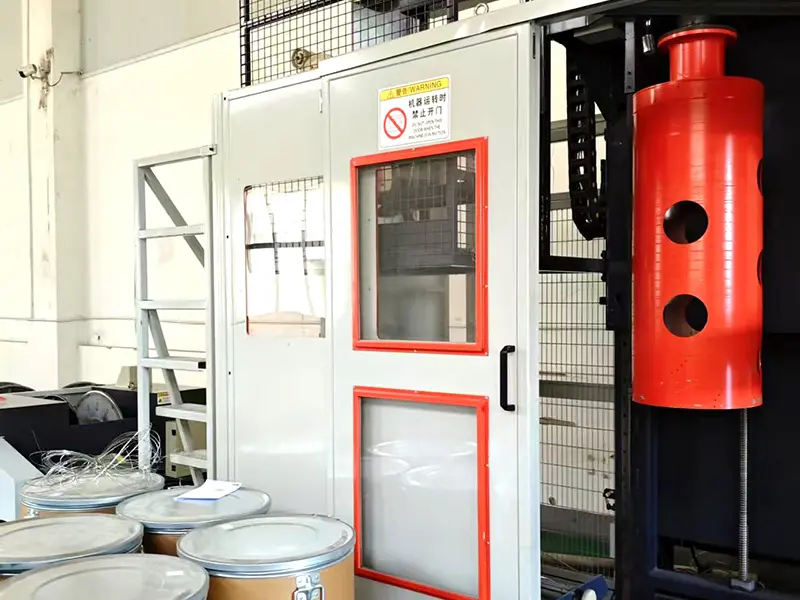
Production Workshop: Heavy Drawing Lines
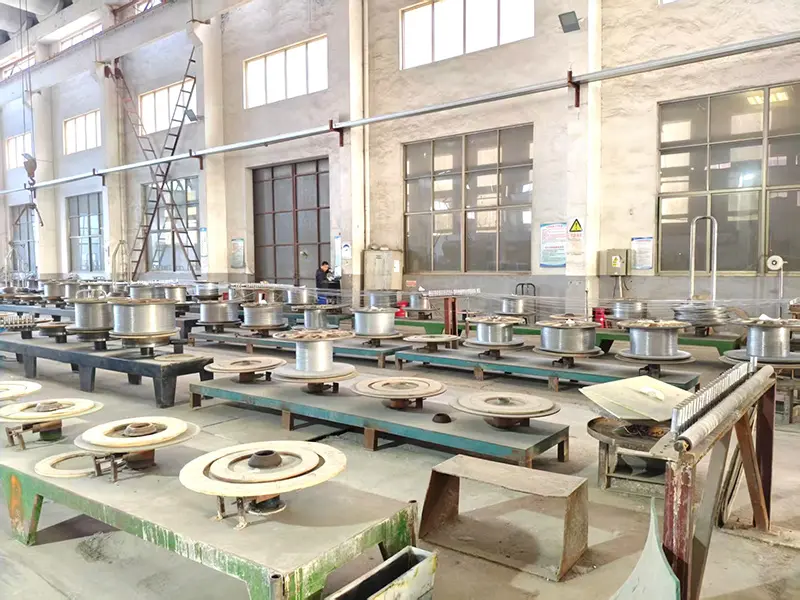
Production Workshop: High Precision Formulation
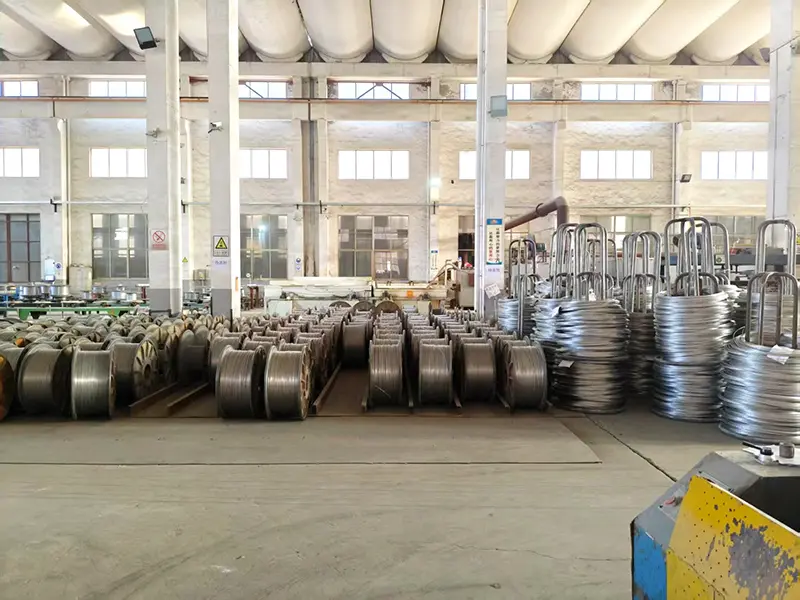
Production Workshop: Spooling & Packing Line
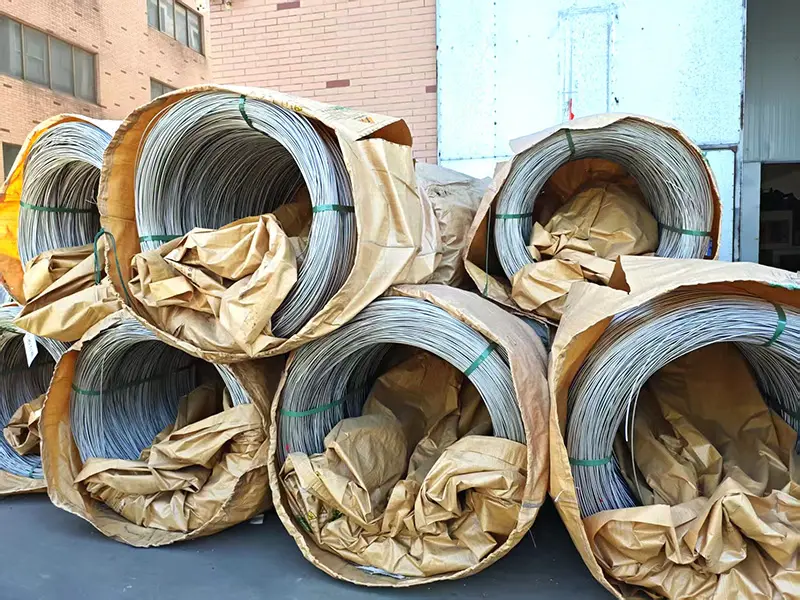
Quality Control: X-Ray & Tensile Lab
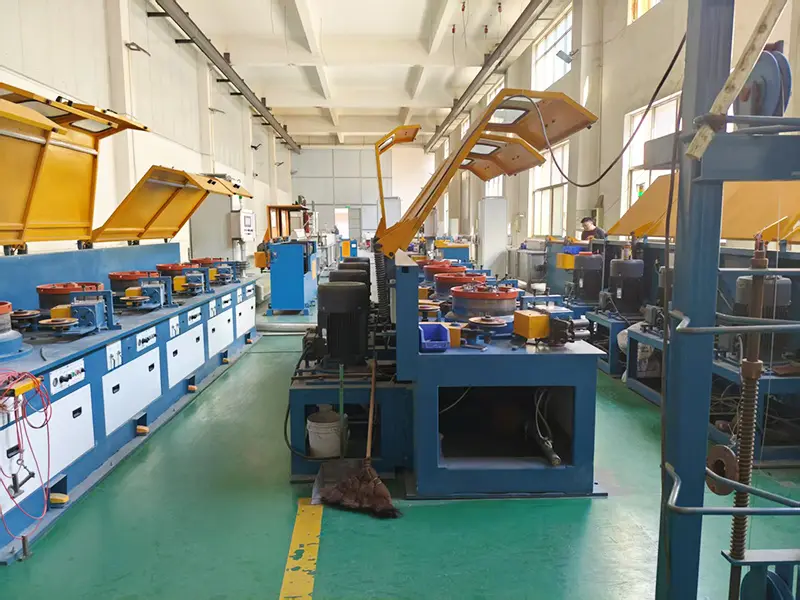
Inventory Management & Climate-Controlled Warehouse
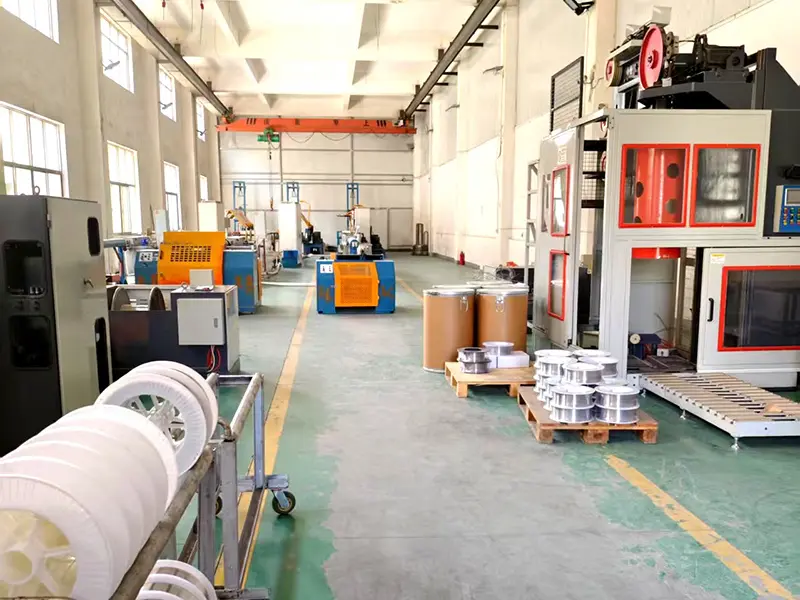
Finished Spool Testing & Dynamic Balancing Inspection
With our advanced 15,000-square-meter facility, Wulian Yuxin coordinates continuous supply lines to industrial centers around the world. We offer comprehensive OEM/ODM solutions, manufacturing custom wire compositions, tailored packaging, and custom labels to match the technical specifications of your localized market.
As an expert OEM manufacturer, Wulian Yuxin designs and optimizes the flux chemistry of our 309 core wires to match distinct environmental conditions. Here is a breakdown of our high-deposition welding formulations across major industries:
In hydrocracking reactors, desulfurization columns, and heat exchangers, structural components are subjected to high concentrations of hydrogen sulfide ($H_2S$) and carbon dioxide ($CO_2$) at elevated temperatures. These structures typically use thick-walled carbon steel or low-alloy steels clad with a corrosion-resistant layer of 304L or 316L stainless steel. Our E309L-1 flux-cored wire serves as the critical transition barrier, providing low hydrogen levels (≤ 4ml/100g of weld metal) to eliminate hydrogen-induced cracking (HIC) and stress corrosion cracking (SCC) at the interface boundary.
Coastal bridges, marine pilings, and harbor structures frequently join heavy structural carbon steel with weathering steel or marine-grade stainless steels to combat marine atmospheres and salt-water splash zones. In these applications, solid wires are highly susceptible to wind-driven shielding gas disruption. Our E309T1-1 flux-cored wire utilizes a robust slag system that provides superior shielding coverage even in light outdoor winds, guaranteeing consistent weld penetration, clean radiographic inspection profiles, and minimal cleanup times.
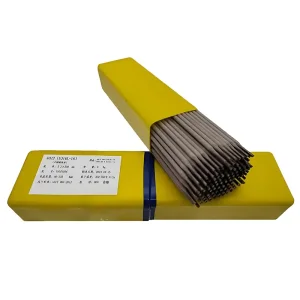
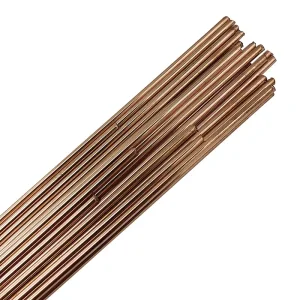
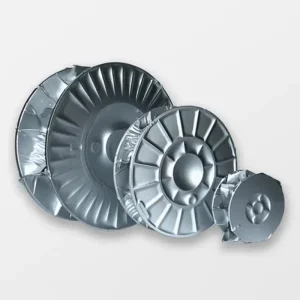
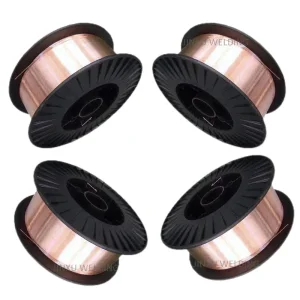
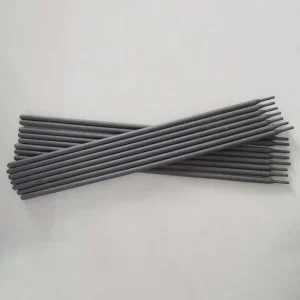
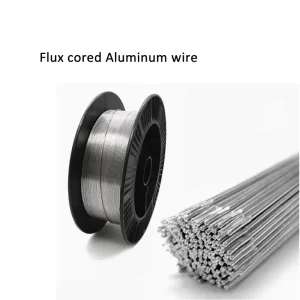
In addition to E309 Flux-Cored Wires, Wulian Yuxin Hardware Equipment Co., Ltd. operates state-of-the-art production lines specialized in manufacturing the following high-grade welding consumables:
Today, our products are trusted by industrial clients in over 20 countries worldwide. From major construction projects in Germany to manufacturing plants in Vietnam, our welding solutions form invisible bonds that hold critical infrastructure together. Our export markets include: Europe (Germany, Poland, Italy, Spain), Southeast Asia (Vietnam, Thailand, Indonesia), Africa (South Africa, Egypt, Nigeria), and South America (Brazil, Argentina, Chile).
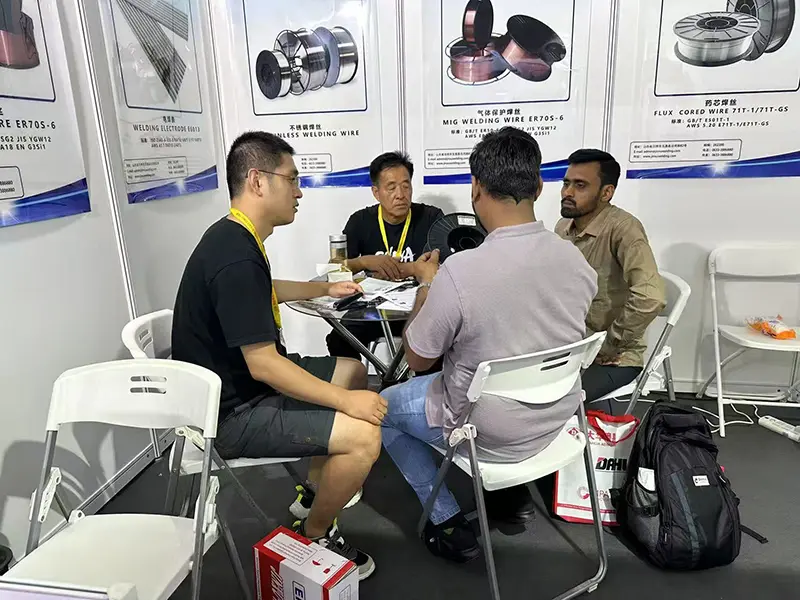
Exhibiting at international metal processing and welding technology fairs.
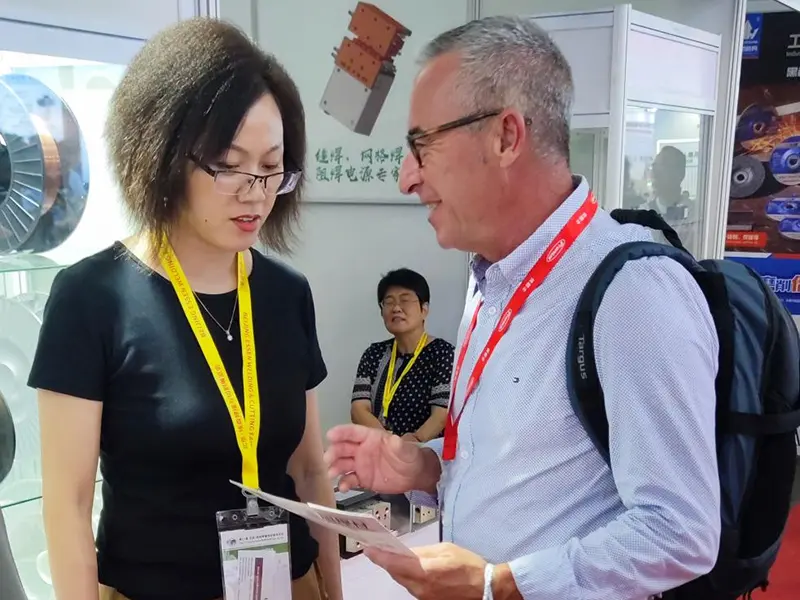
Demonstrating our latest flux formulation capabilities to international partners.
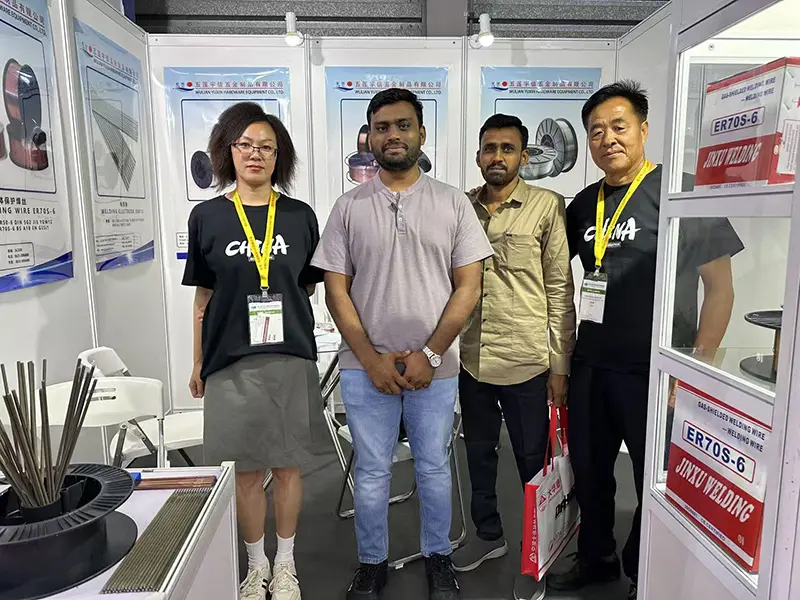
Sharing technical parameters of E309L-1 wires with European distributors.
As global industries focus on carbon neutrality and worker safety, the development of welding consumables is undergoing a major shift. Wulian Yuxin's R&D department is actively pursuing a technical roadmap aligned with these industry challenges:
Chromium emissions during stainless steel welding, particularly hexavalent chromium ($Cr^{VI}$), pose health and safety risks. Our engineering team is developing advanced mineral shielding formulas inside the flux core to reduce overall welding fume output by up to 35% and convert chromium into insoluble compounds, significantly improving indoor air quality in confined fabrications.
To support high-speed robotic applications, our future line of E309T1-1 wires is optimized for pulse welding wave profiles. This ensures arc stability at high travel speeds, reduces cycle times, and minimizes post-weld cleanup by virtually eliminating spatter.
We are phasing out single-use plastics from our packaging lines. Over the next three years, Wulian Yuxin is transition to 100% recyclable, moisture-resistant fiber spools and bio-degradable vapor corrosion inhibitor (VCI) films to protect the wire core from environmental degradation during ocean transit.
Explore how our customized wire compositions and structural engineering cases have solved actual fabrication challenges in the field.
High-efficiency structural steel frame welding in heavy vehicle assembly.
Heavy-duty shipbuilding and offshore structural steel joining under variable weather conditions.
Joining corrosion-resistant components in chemical processing plants.
Precision backing pass root welding for high-pressure boilers and heat exchangers.
General fabrication and maintenance cladding of worn heavy machinery components.
The primary difference lies in the maximum carbon content of the weld metal deposit. AWS E309T1-1 specifies a carbon content of up to 0.08%, while the 'L' designation in E309LT1-1 guarantees an ultra-low carbon level of 0.04% or less. This reduction in carbon is crucial for applications exposed to temperatures between 800°F and 1500°F (427°C and 815°C) to prevent chromium carbide precipitation at the grain boundaries, which can lead to intergranular corrosion in aggressive environments.
Flux-cored wires feature a specially formulated slag system. For E309T1-1, which is a rutile-type wire, the slag acts as a supporting shelf that holds the molten weld pool in place during vertical-up (3G) and overhead (4G) welding. This slag support enables higher travel speeds, better deposition rates, and a smoother weld bead appearance compared to solid ER309L wires, which can struggle with weld pool control in out-of-position welds.
Most standard E309T1-1 wires are designed to run using either 100% $CO_2$ or a 75% Argon / 25% $CO_2$ shielding gas mixture. Using 100% $CO_2$ gas provides deep penetration and is cost-effective, but can result in slightly higher spatter and alloy loss. The 75/25 Argon/$CO_2$ mix stabilizes the transfer arc, improves deposition efficiency, and minimizes spatter, making it the preferred choice for high-precision components and automatic welding processes.
Wulian Yuxin operates an in-house laboratory to perform rigorous quality checks on every batch. Testing includes: chemical analysis via spectrometer to verify Cr/Ni/C ratios, mechanical testing (tensile, yield, and charpy V-notch impact tests at sub-zero temperatures), radiographic (X-ray) inspections to ensure zero internal porosity, and wire feedability testing to guarantee smooth feed rates through 15-meter robotic conduits.
While physically possible, it is not recommended for standard carbon steel-to-carbon steel welds due to cost constraints and metallurgical implications. 309 wire is alloyed with chromium and nickel, making it significantly more expensive than standard carbon steel wires (like E71T-1). In addition, welding mild steel with 309 results in high delta ferrite and potential martensite phases if dilution is not controlled, which can alter the mechanical performance compared to carbon steel welding consumables.
 Yuxin
Yuxin