Explore our range of premium certified welding consumables. Click on each solution to inspect technical applications and specifications.
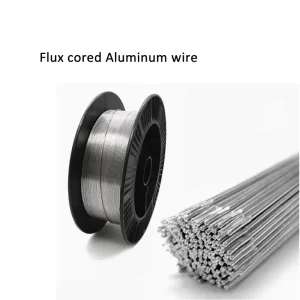
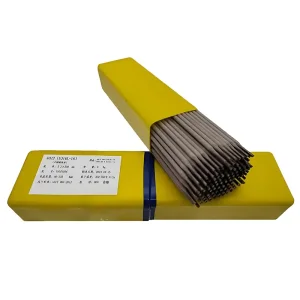
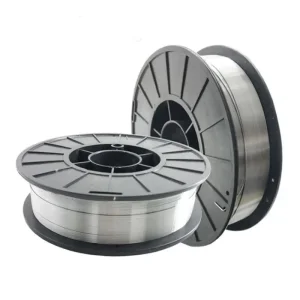
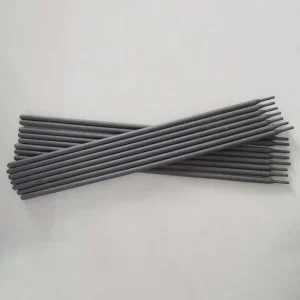
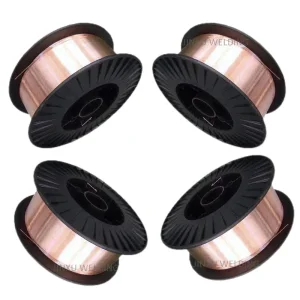
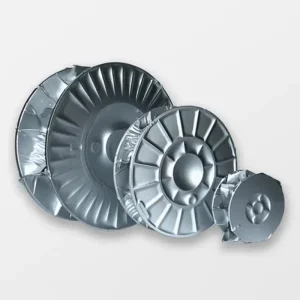
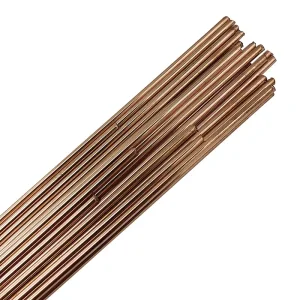
Pioneering Excellence in Welding Solutions Since 2004. Established in Wulian, Rizhao City, Shandong Province, Wulian Yuxin Hardware Equipment Co., Ltd. has grown from a locally excellent manufacturer to a globally recognized producer of premium welding consumables. With our own 15,000-square-meter production facility and advanced manufacturing equipment, we proudly maintain complete control over our production processes, ensuring consistent quality across our entire product range.
For nearly two decades, we have continuously bridged technological gaps, ensuring that our welding consumables meet the highest international demands. We understand that global infrastructure relies on structural joints that cannot fail, which is why our chemical formulations, manufacturing limits, and final inspections are held to tighter thresholds than standard industrial codes mandate.
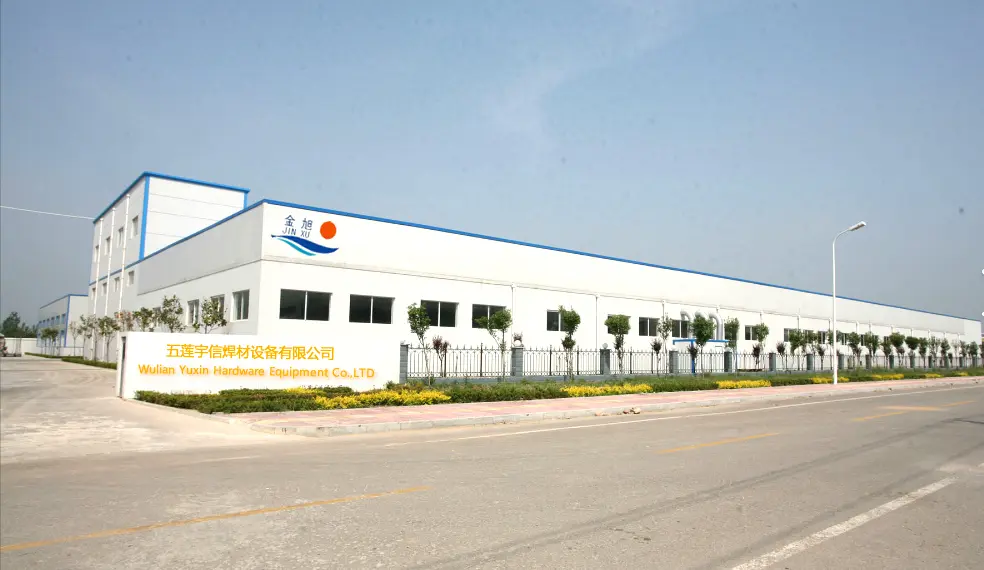
Uncompromised resistance to intergranular corrosion and stress-cracking starts with the micro-structural configuration of the alloy. Here is how China's premier 316L welding wire is engineered.
ER316L (including its TIG rod and MIG wire variants) is an extra-low carbon austenitic stainless steel welding consumable. With carbon levels kept strictly below 0.03%, the formation of chromium carbides along grain boundaries during welding is mitigated. This prevents sensitization and the subsequent threat of intergranular corrosion in aggressive media. The addition of 2.0% to 3.0% molybdenum (Mo) significantly boosts the alloy’s resistance to localized pitting and crevice corrosion, particularly in chloride-bearing environments such as marine atmospheres and chemical processing pipelines.
| Alloy Element | AWS A5.9 Standard (%) | Yuxin Certified Composition (%) | Core Functional Benefit |
|---|---|---|---|
| Carbon (C) | ≤ 0.03 | 0.015 - 0.022 | Eliminates chromium carbide precipitation; prevents weld sensitization. |
| Chromium (Cr) | 18.0 - 20.0 | 18.5 - 19.2 | Provides baseline oxidation and general corrosion resistance. |
| Nickel (Ni) | 11.0 - 14.0 | 11.5 - 12.5 | Stabilizes the ductile austenitic microstructure at low and high temperatures. |
| Molybdenum (Mo) | 2.0 - 3.0 | 2.1 - 2.4 | Provides superior resistance to chloride-induced pitting and crevice corrosion. |
| Manganese (Mn) | 1.0 - 2.5 | 1.6 - 1.9 | Acts as an effective deoxidizer and prevents hot cracking during solidification. |
| Silicon (Si) | 0.30 - 0.65 | 0.38 - 0.45 | Optimizes puddle fluidity and bead profile structure without causing embrittlement. |
In addition to chemical optimization, the Delta Ferrite level in our ER316L wire is tightly controlled within a 3 to 8 Ferrite Number (FN) range. This controlled ferrite level acts as a critical phase buffer that accommodates impurities such as sulfur and phosphorus, eliminating the risk of hot micro-cracking in high-restraint welds. This precision makes our 316L wire the top choice for automated orbital welding applications, where consistent puddle behavior is vital.
Sourcing directors and welding engineers from multinational corporations prioritize stability, traceable compliance, and smooth wire feeding.
Continuous production environments require zero micro-stoppages. Our drawing processes guarantee a highly uniform diameter tolerance (±0.01mm) with a controlled cast and helix profile. This eliminates wire-snaking, minimizes copper-to-steel friction, and reduces contact tip wear during long-arc shifts.
A welding wire is only as reliable as its raw wire rod source. We secure premium raw materials from vetted domestic mills. Each batch is verified by spectrometer testing to prevent chemical variation, ensuring that WPS protocols remains valid without resetting welder parameters.
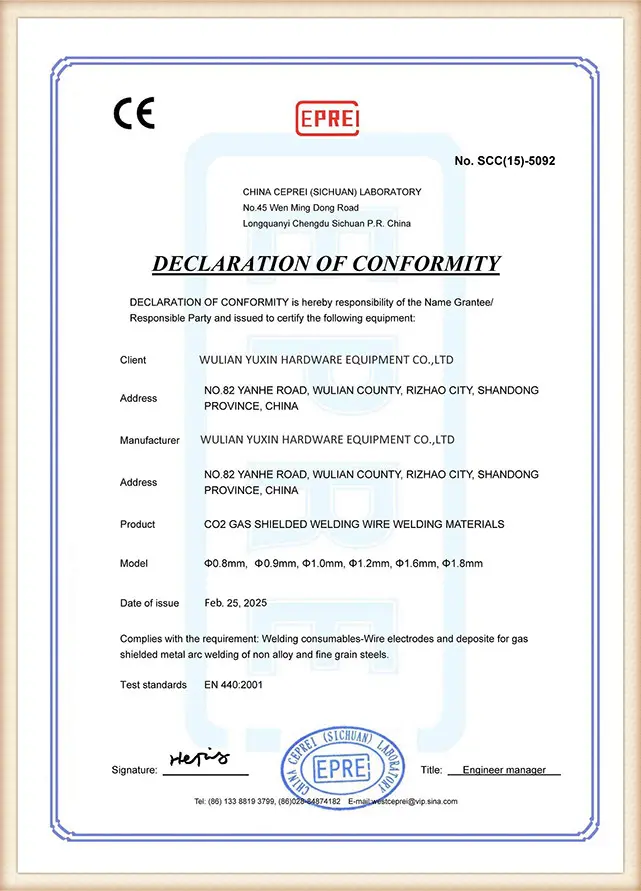
For critical infrastructure projects, structural integrity is paramount. We supply comprehensive material test certificates (MTC) detailing chemical compositions and physical mechanical values (tensile strength, elongation, and low-temperature impact properties) for every shipment.
Different industries face unique environments. Our ER316L welding wire is engineered to address these challenges:
We combine high-volume production with localized support to help buyers manage lead times and maintain quality compliance.
Through strategic partnerships, we provide localized clearance and warehouse-to-door delivery. This helps clients lower inventory costs and buffer against supply chain disruptions.
Our technical team provides direct support for welding procedure qualification (WPQR) challenges, assisting with shielding gas optimization, pre-heat suggestions, and joint design advice.
We offer tailored packaging options (including high-barrier moisture-proof foils, plastic spools, and custom labels) to align with our partners' brand identities.
As automation and environmental standards reshape the manufacturing landscape, Wulian Yuxin is investing in the next generation of welding technology.
Collaborating with automated systems requires consistent weld performance. Our research focuses on adjusting trace elements (such as bismuth and oxygen levels) to improve slag detachability in high-speed orbital welding setups.
We are reducing our environmental footprint by transitioning to solvent-free wire cleaning methods. Additionally, our R&D team is working to reduce weld fumes by optimizing surface lubricant formulas without compromising feeding reliability.
To help prevent wire contamination, we are introducing humidity-monitored bulk drums (250kg-350kg) for robotic cells. These drums feature integrated desiccant packs and tracking sensors to monitor environment conditions during transit.
Get expert answers to common technical queries from procurement officers, metallurgists, and QA managers.
The primary difference is carbon content. Standard ER316 contains up to 0.08% carbon, whereas ER316L is limited to a maximum of 0.03% carbon. The low carbon content in ER316L prevents chromium carbide precipitation during welding, which protects the weldment against intergranular corrosion in high-temperature applications.
Delta Ferrite is crucial for preventing hot cracking (solidification cracking) in austenitic stainless steel welds. If the ferrite level is below 3 FN, the weld is susceptible to cracking. However, if it exceeds 8 to 10 FN, the weldment may suffer from embrittlement during high-temperature service or cryogenic storage. Our controlled process target of 3-8 FN ensures a safe, balanced microstructure.
For gas metal arc welding (MIG/GMAW) of 316L, a gas mix of Argon + 2% CO2 or Argon + 1-2% O2 is recommended. Avoid using pure Argon as it can cause arc instability and poor wetting. High CO2 levels (above 5%) should also be avoided, as carbon pickup from the gas can exceed the 0.03% limit of the weld metal, reducing its corrosion resistance.
We use precision drawing dies equipped with inline laser diameter monitoring. Any variation outside our internal tolerance limits (±0.01mm) is immediately flagged. This ensures smooth wire feeding and prevents arc instability during high-speed automated welding processes.
Our welding consumables are deployed across diverse demanding applications around the globe.
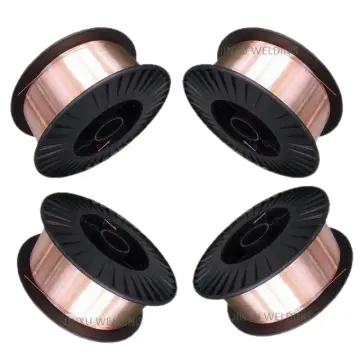
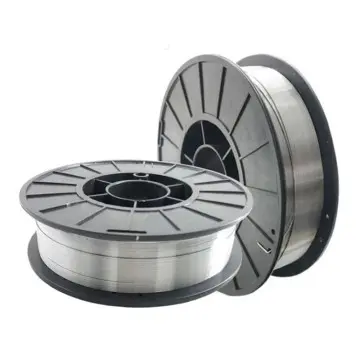
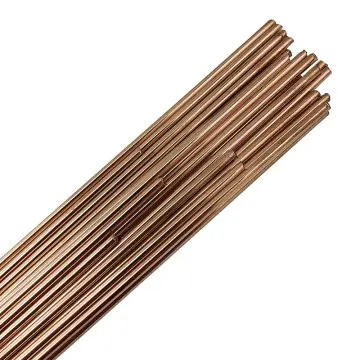
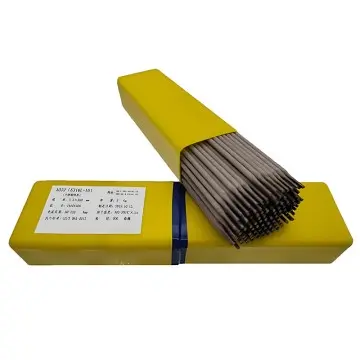
Take a closer look at our 15,000-square-meter facility equipped with advanced wire drawing lines, precision winding equipment, and rigorous QA stations.
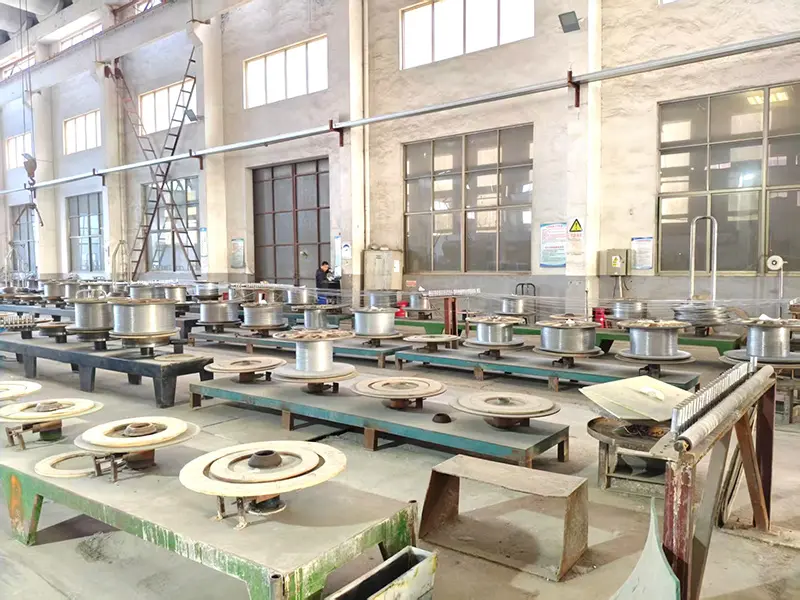

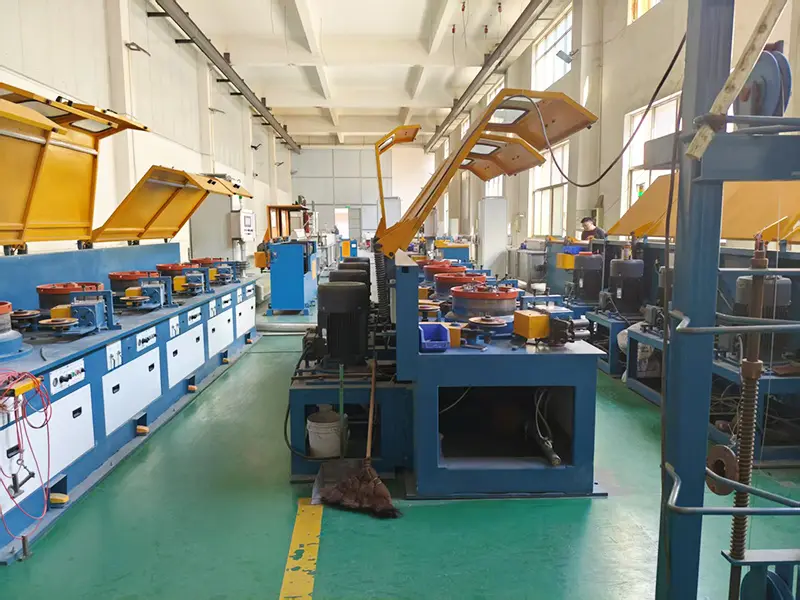
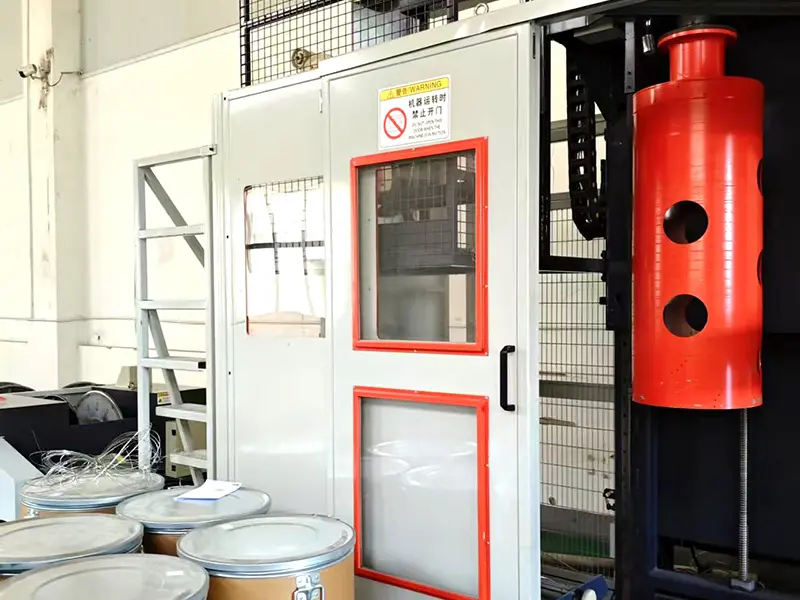
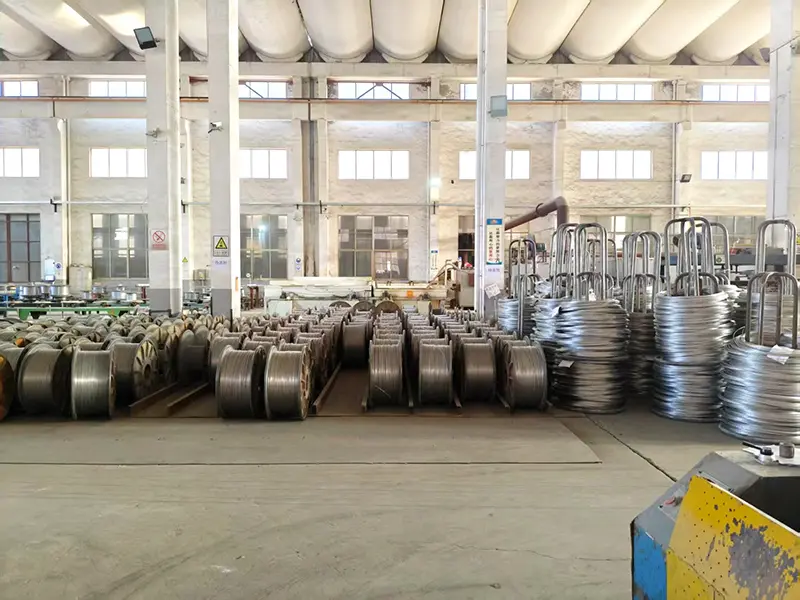
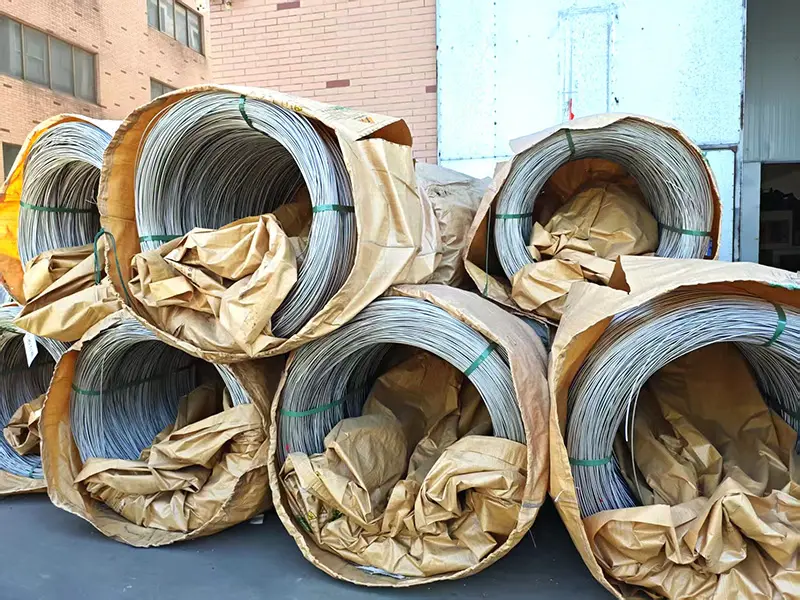
Compare our diverse production capabilities for both structural carbon steel and highly alloyed stainless systems.
 Yuxin
Yuxin