Explore our international standard welding wires and electrodes engineered for demanding industrial tasks.
A deep dive into the metallurgical chemistry and engineering significance of Niobium-stabilized wire.
ER318 is an austenitic stainless steel welding consumable designated under AWS A5.9 and EN ISO 14343-A standards. In the global industrial landscape, ER318 is recognized as a vital solution for fabricating and repairing equipment made from stabilized stainless steels like AISI 316Ti or similar grades. The critical metallurgical difference lies in the deliberate addition of Niobium (Nb), which selectively binds with free Carbon to form stable Niobium Carbides.
This stabilization mechanism prevents the precipitation of Chromium Carbides along the metal grain boundaries during welding—a process known as sensitization. Without Niobium, sensitization leaves the grain boundaries depleted of Chromium, rendering the heat-affected zone (HAZ) highly vulnerable to Intergranular Corrosion (IGC) under hot, acidic, or high-pressure operating regimes.
| Element | Typical Composition % (AWS A5.9 ER318) | Metallurgical Role and Industrial Benefit |
|---|---|---|
| Carbon (C) | 0.04 - 0.08 | Controlled low levels to minimize carbide formation while maintaining structural creep strength. |
| Chromium (Cr) | 18.5 - 20.5 | Provides the foundation for passivation, forming a resilient Chromium Oxide film against oxidation. |
| Nickel (Ni) | 11.0 - 14.0 | Stabilizes the ductile austenitic matrix, guaranteeing sub-zero impact toughness. |
| Molybdenum (Mo) | 2.0 - 3.0 | Enhances resistance to localized pitting and crevice corrosion in chloride-bearing environments. |
| Niobium (Nb) | 10 x C to 1.00 | Acts as the stabilizing agent, forming primary carbides to stop intergranular corrosion. |
| Manganese (Mn) | 1.0 - 2.5 | Acts as a deoxidizer and helps control hot cracking susceptibility during solidification. |
| Silicon (Si) | 0.30 - 0.65 | Optimizes weld pool surface tension, promoting bead wetting and minimizing post-weld grinding. |
How China's OEM factories support global heavy industries with high-performance alloys.
With infrastructure investments surging across developing markets, the requirement for high-grade austenitic consumables like ER318 has expanded. Modern processing facilities in the EU and North America rely on OEM partnerships in China to balance production costs while maintaining strict compliance with ISO, CE, and AWS welding classifications.
Advanced industries are moving rapidly toward automated robotic welding systems. This demands high consistency in wire diameter, cast, and helix. OEM factories in China have upgraded to precision layer-winding machinery and continuous laser measurement systems to prevent wire-feeding halts in robotic MIG setups.
Modern guidelines push for low-fume, eco-friendly chemical compositions that reduce hazardous metal vaporization during the arc process. China's top-tier manufacturers are pioneering new physical surface treatments that eliminate drawing lubricants, resulting in cleaner, safer work environments for operators globally.
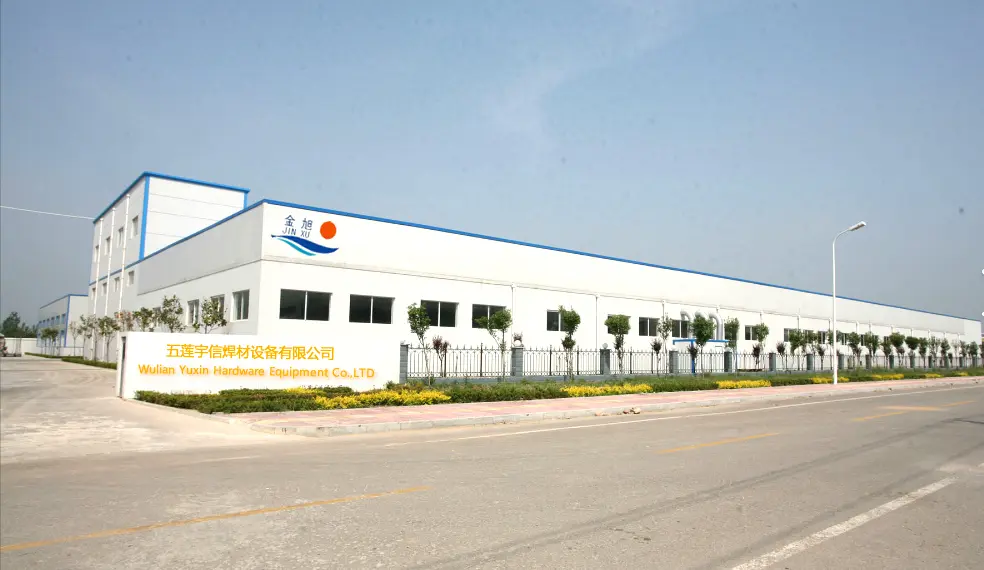
Pioneering Excellence in Welding Solutions Since 2004
Established in Wulian, Rizhao City, Shandong Province, Wulian Yuxin Hardware Equipment Co., Ltd. has grown from a locally excellent manufacturer to a globally recognized producer of premium welding consumables. With our own 15,000-square-meter production facility and advanced manufacturing equipment, we proudly maintain complete control over our production processes, ensuring consistent quality across our entire product range.
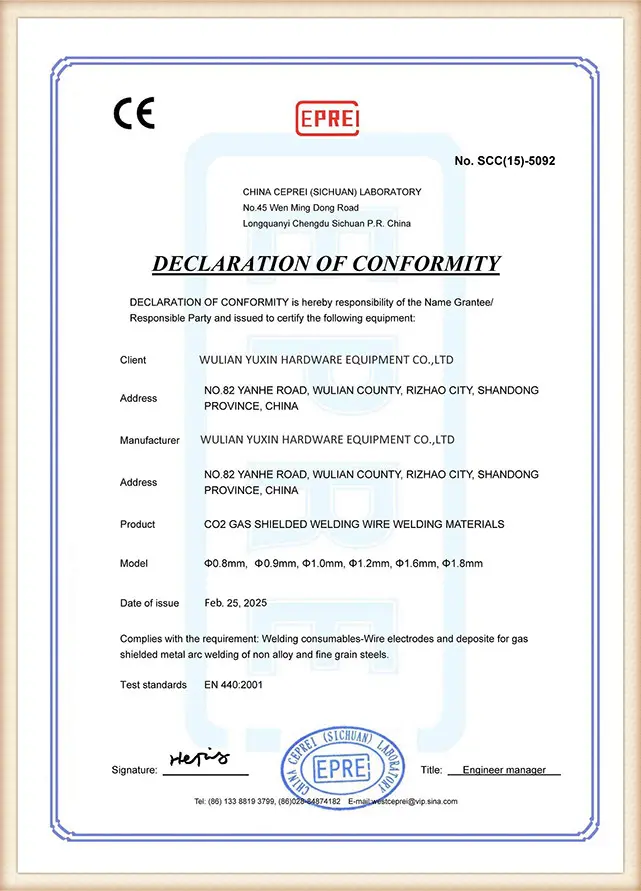
Our in-house R&D team continuously improves product formulations, while our QC department maintains tolerances 30% stricter than industry standards. This dedication has earned us long-term partnerships with dozens of Fortune 500 suppliers and distributors worldwide. All products meet stringent international standards, including ISO9001 and CE certifications, and undergo rigorous quality control at every production stage.
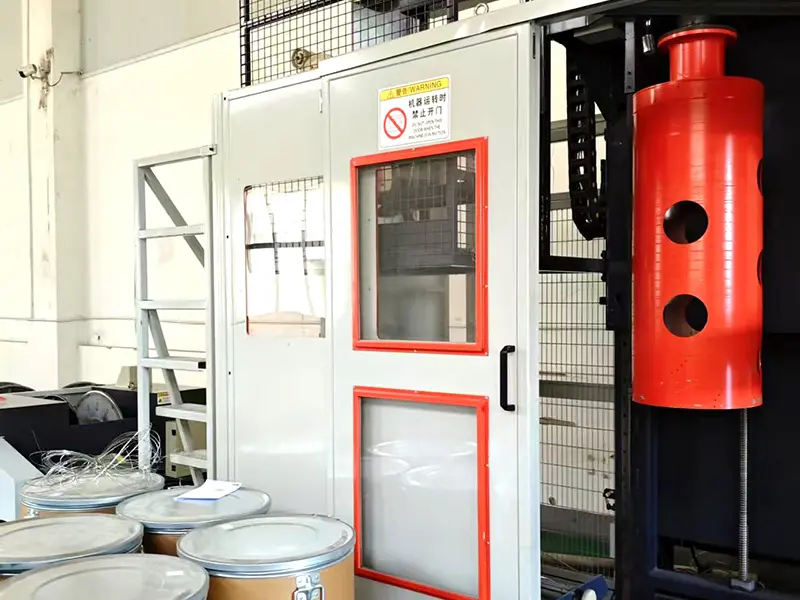
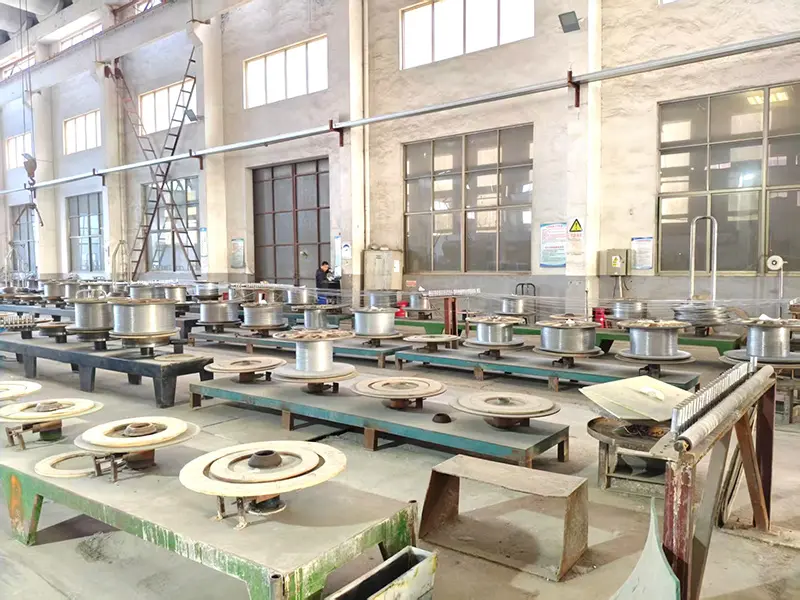
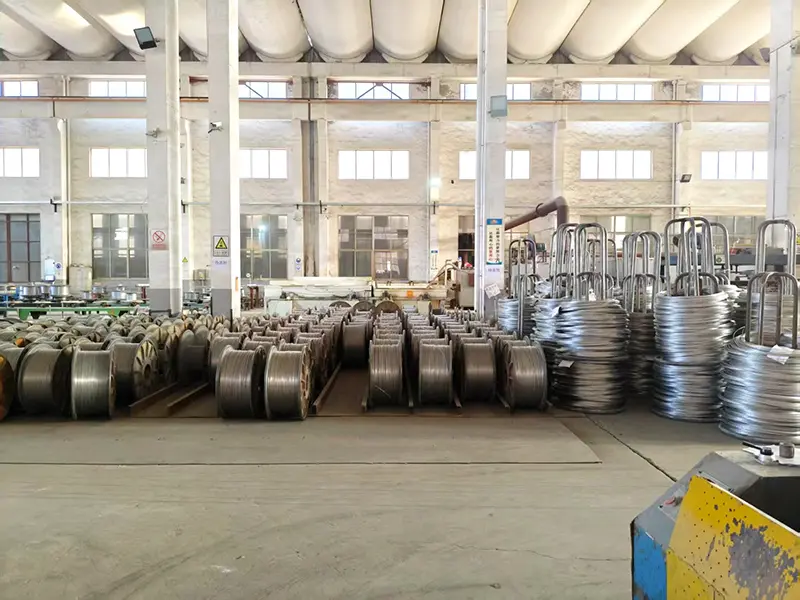
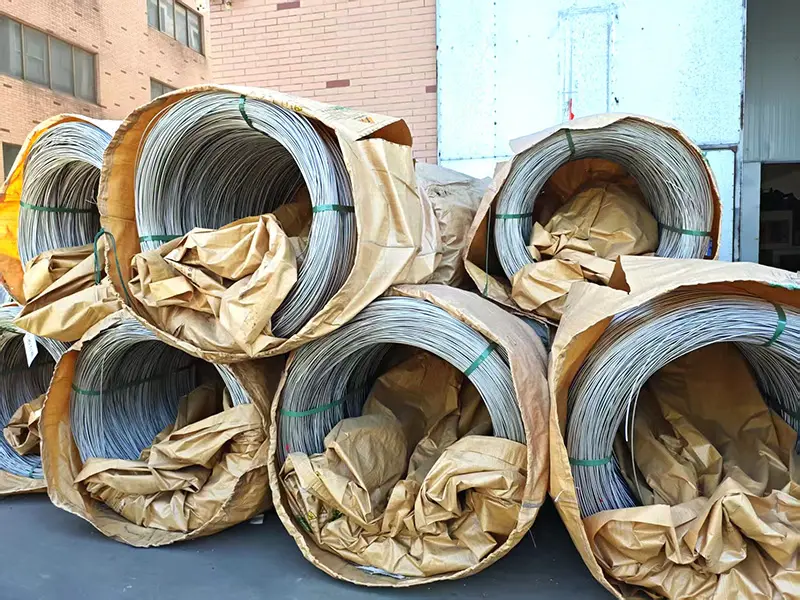
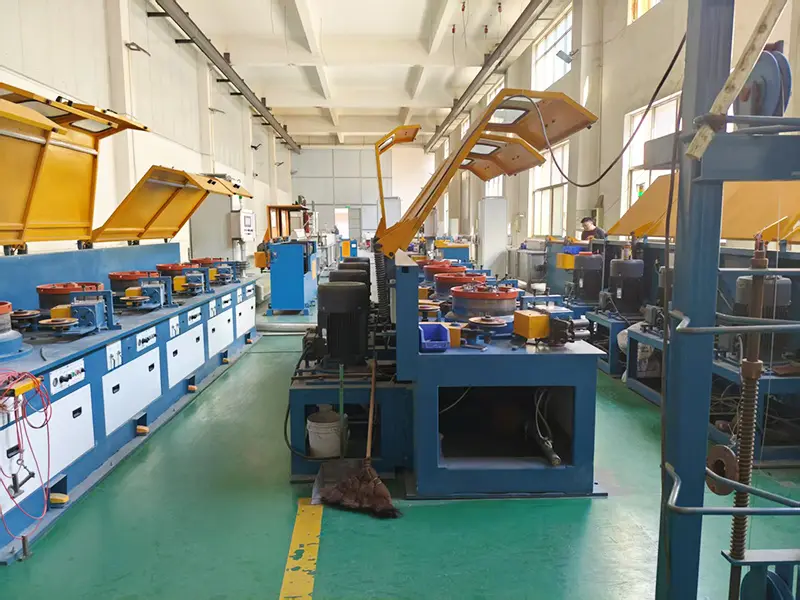
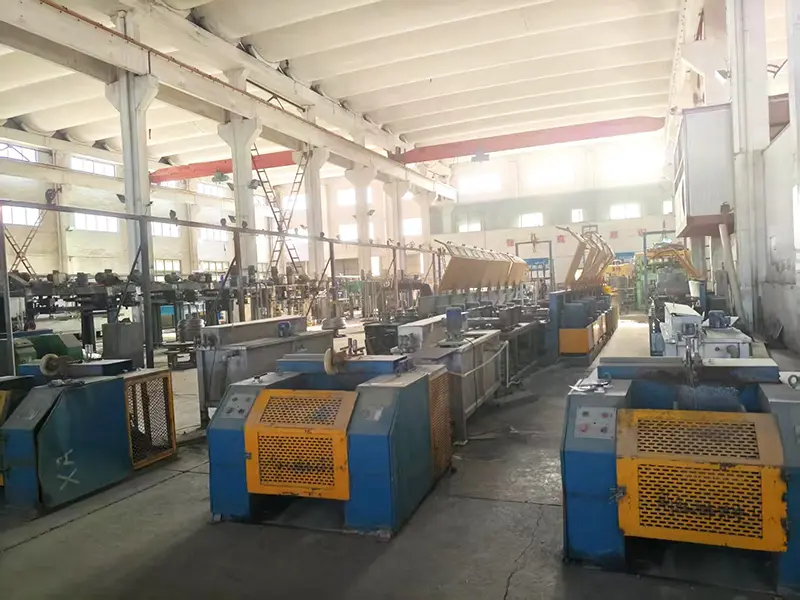
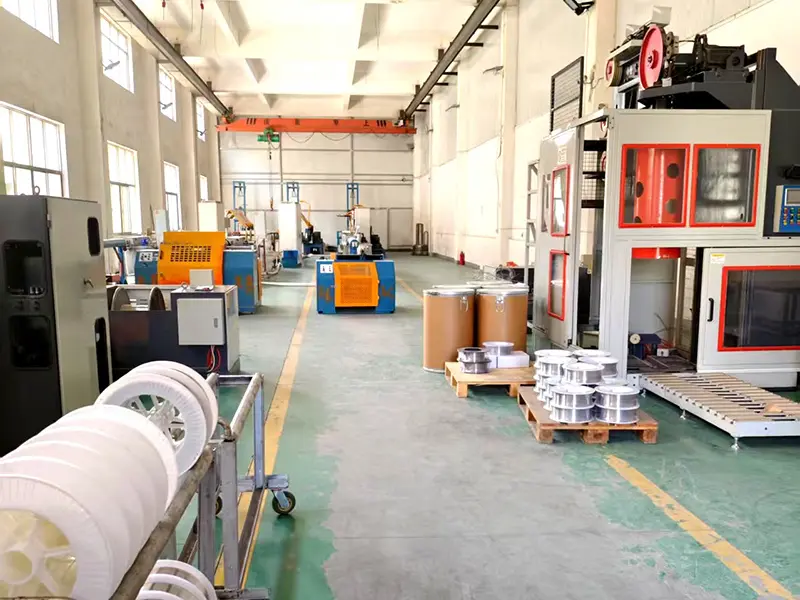
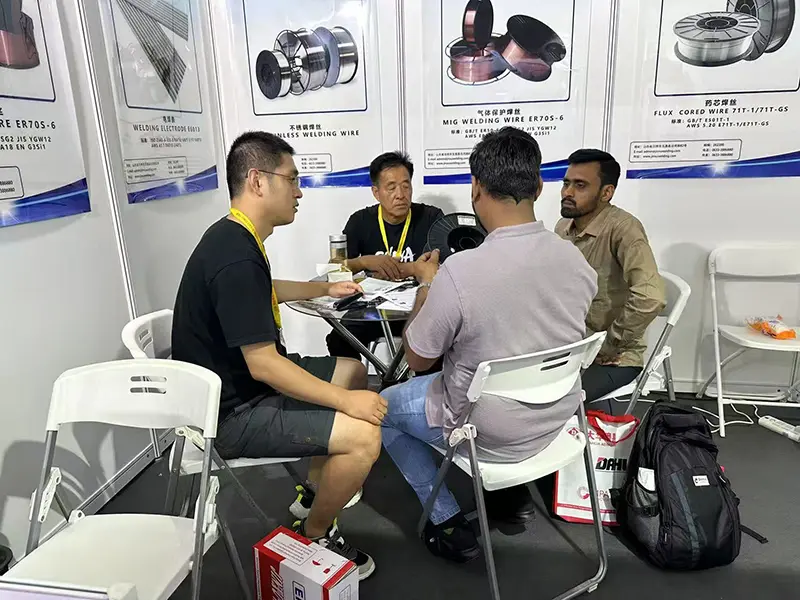
Take a look inside our state-of-the-art facility in Shandong, China, where high-grade alloys are drawn, treated, and packed.
How ER318 addresses structural challenges in regional environments and specific process streams.
In tropical offshore platforms situated in the South China Sea or Gulf of Thailand, equipment is exposed to extreme temperatures coupled with constant salt-laden mist. Standard stainless steel welds quickly develop micro-pitting, leading to catastrophic failure of pressurized conduits. Our OEM ER318 welding wire, stabilized with Niobium and containing 2.5% Molybdenum, provides the necessary barrier against chloride-induced stress corrosion cracking. Engineers utilize ER318 for heat exchanger piping, guaranteeing the joint's lifespan matches that of the host material (typically AISI 316Ti or similar grades).
In Germany, Poland, and Italy, heavy power generation components operate at steam temperatures exceeding 550°C. Standard alloys undergo sensitization, producing chromium carbides that generate stress cracks along the weld seam. ER318's precise Niobium stabilization suppresses this carbide formation. By tying up the carbon atoms as NbC, Chromium remains distributed uniformly in the matrix. Wulian Yuxin provides customized batch solutions to European EPC contractors, offering wires with minimal tramp element content (Phosphorus & Sulfur < 0.015%) to prevent hot-cracking during deep-groove pipe welding.
Chemical processing plants in Brazil and Chile handling phosphoric or sulfuric acid mixtures require piping that is completely resistant to intergranular attack. The combination of Molybdenum (preventing pitting) and Niobium (preventing sensitization) in ER318 makes it the preferred consumable for fabricating storage tanks and process pumps. The smooth finish provided by Yuxin's advanced wire drawing ensures that the weld surface is uniform, reducing crevice corrosion sites where acid pools could compromise joint integrity.
The evolutionary trajectory of stainless steel welding consumables driven by metallurgy and AI manufacturing.
Future iterations of ER318 focus on micro-alloying techniques. By introducing traces of rare-earth elements or nano-sized titanium particles, the solidification grain size of the weld deposit can be refined. This refinement increases both mechanical tensile strength and toughness at cryogenic temperatures, opening new application areas in liquefied natural gas (LNG) transport terminals and space exploration storage complexes.
As 3D metal printing (additive manufacturing) expands into chemical machinery fabrication, the demand for high-quality ER318 wire feedstock has grown. The industry roadmap aims to standardize ER318 for wire arc additive manufacturing (WAAM). This requires precise tolerances for wire diameter variation (under ±0.01mm) and ultra-clean wire surfaces to prevent void formation in multi-layer 3D builds.
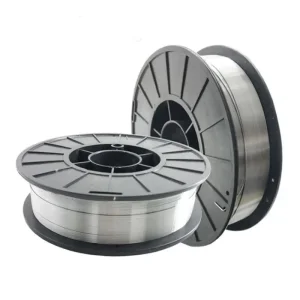
Comprehensive solutions designed for structural steel, stainless steel, and flux-cored applications.
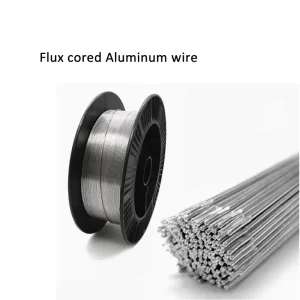
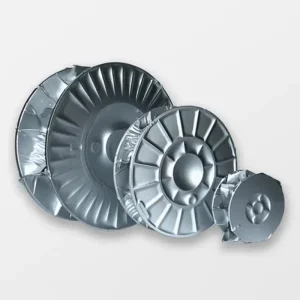
Optimal slag systems for all-position welding, offering high deposition rates and minimal cleanup.
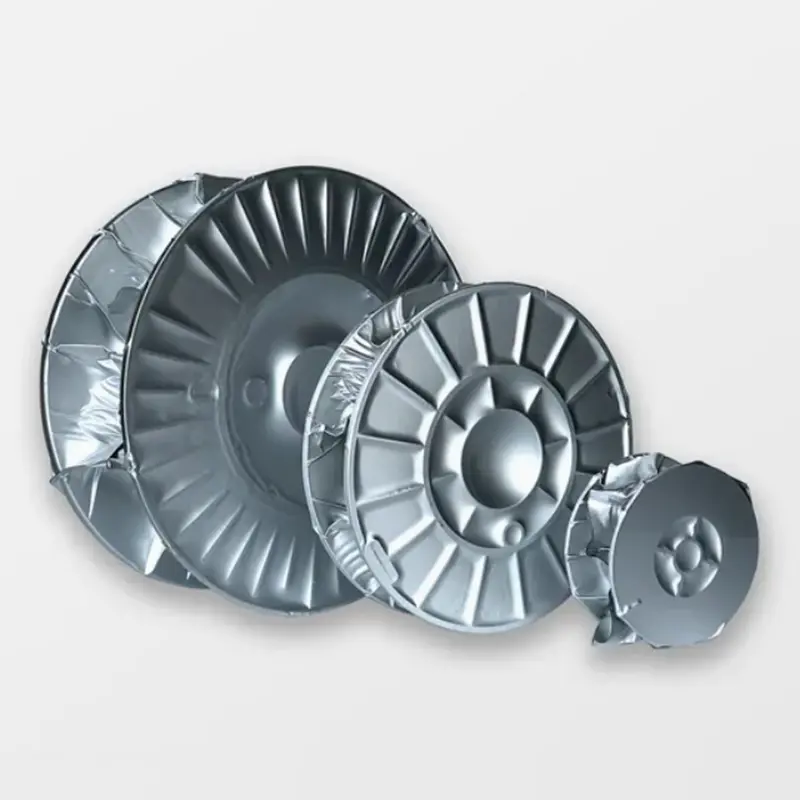
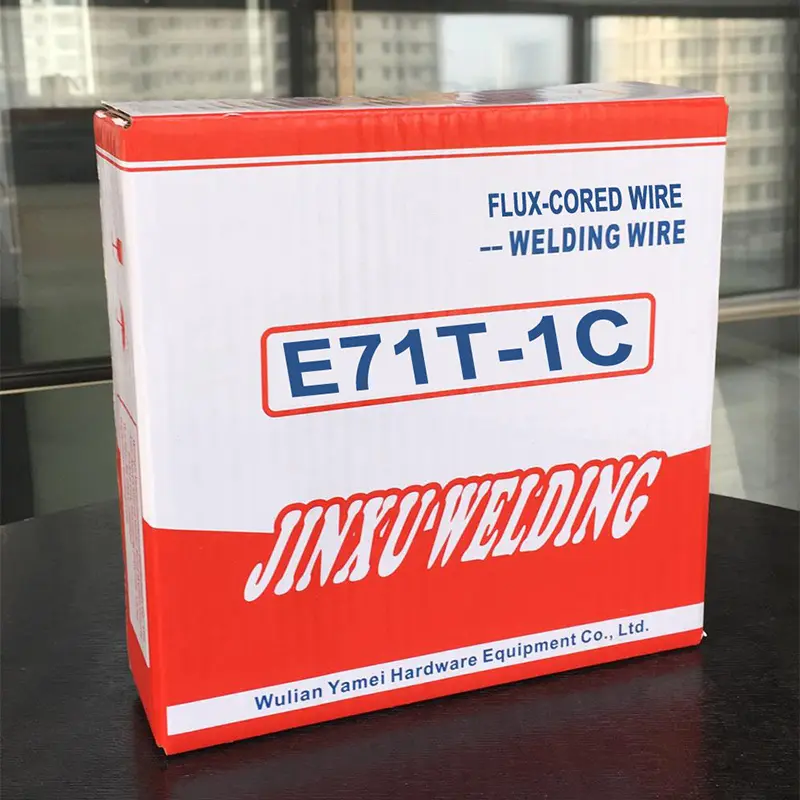
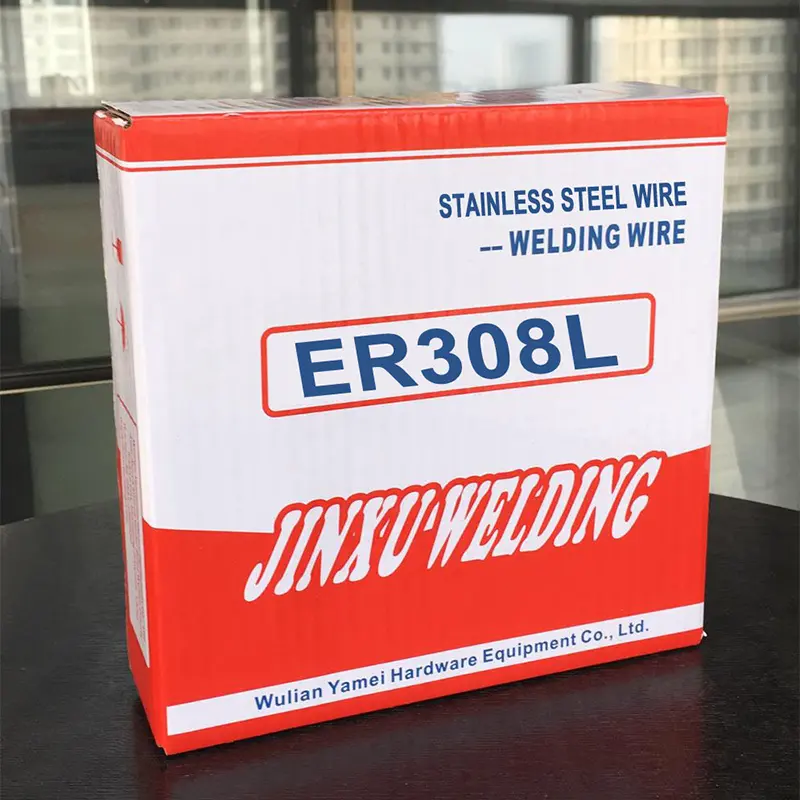
Corrosion-resistant grades including ER308L, ER316L, and stabilized ER318 for chemical and food industries.
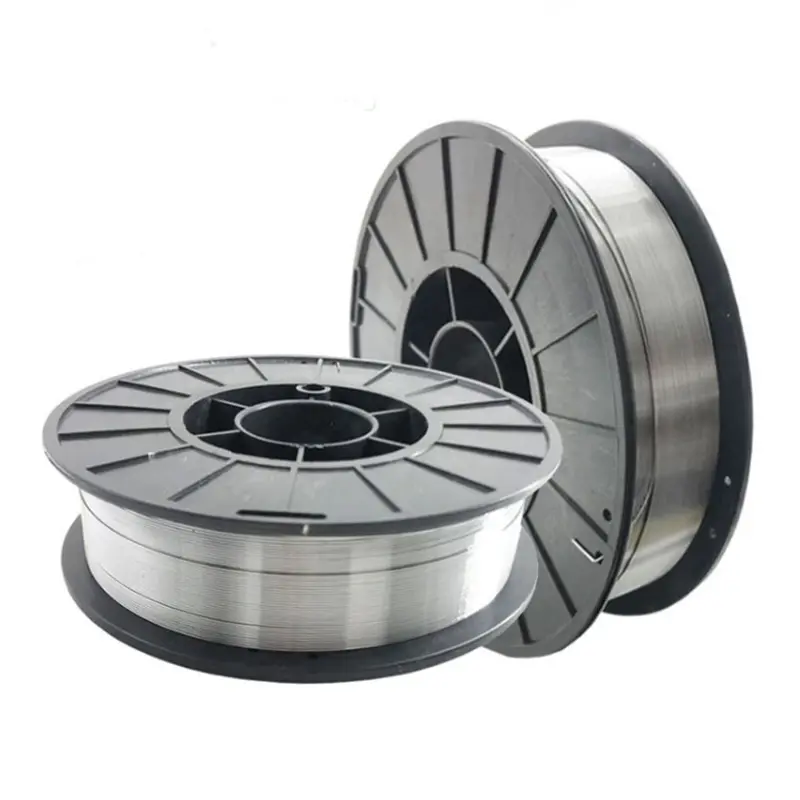
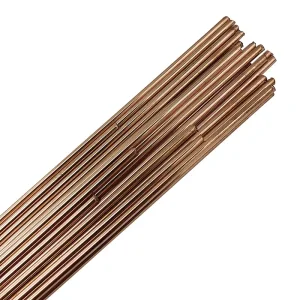
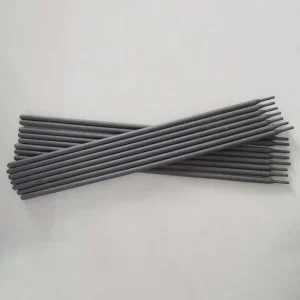
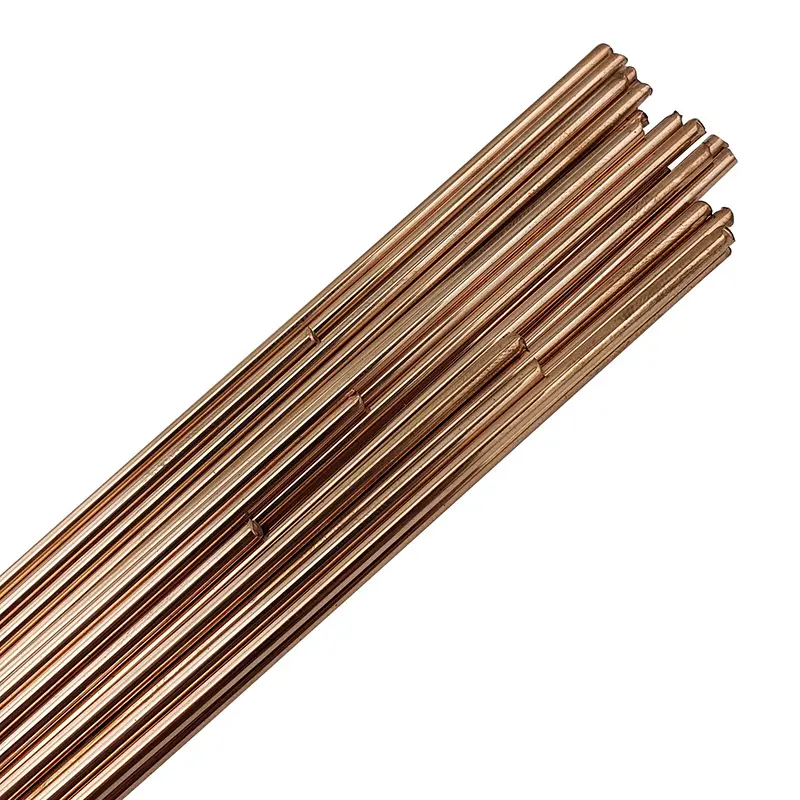
Precision-cut TIG rods with clean, polished surfaces for high-integrity GTAW root passes.
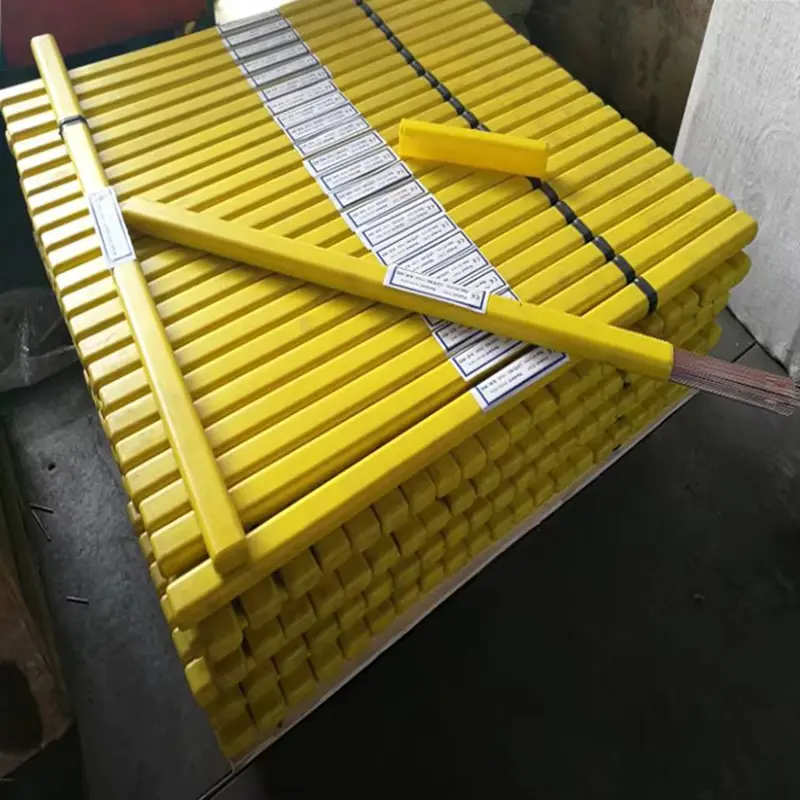
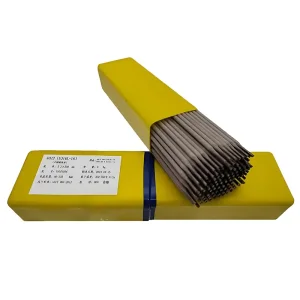
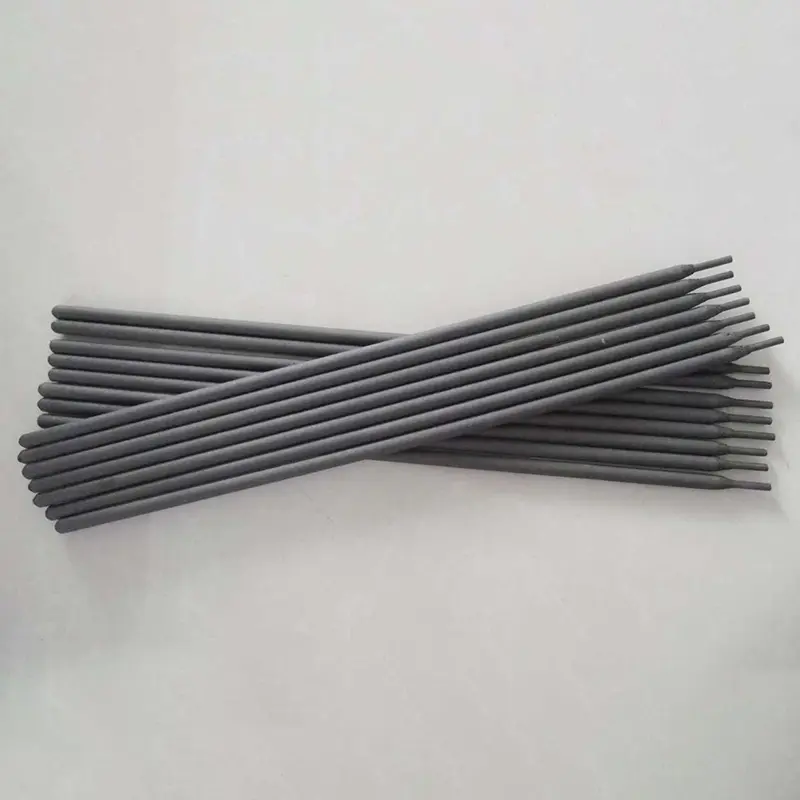
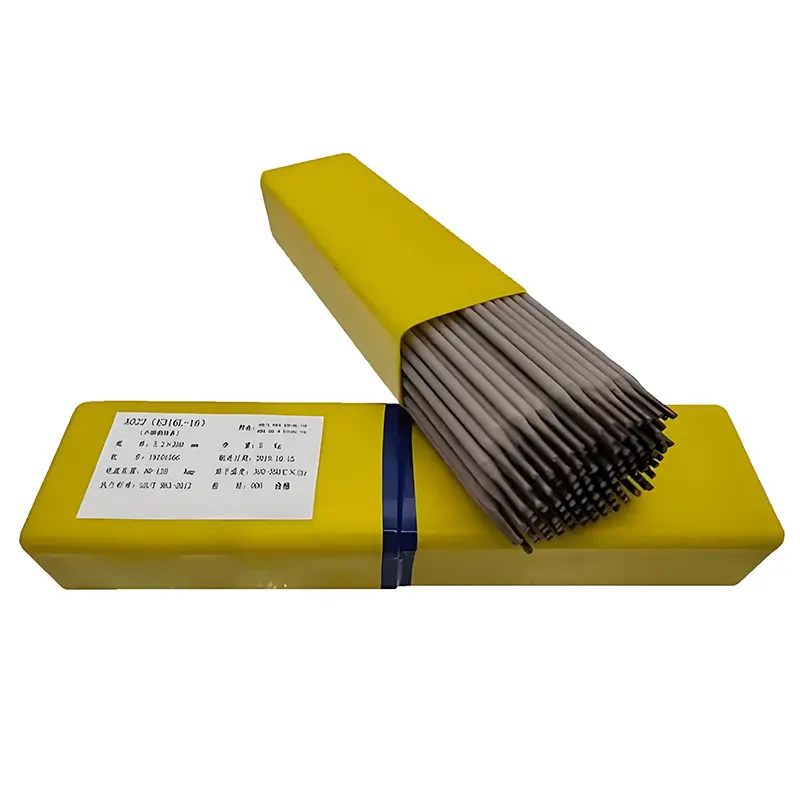
Coated stick electrodes (E6013, E7018) offering low moisture pickup and arc stability.
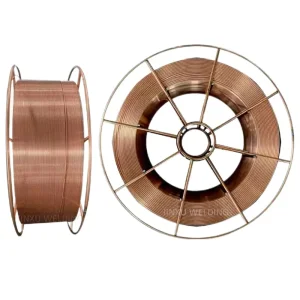
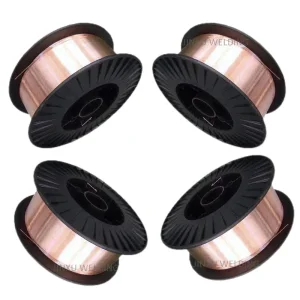
Carbon steel MIG solid wires (ER70S-6) featuring smooth copper coatings and minimal copper flaking.
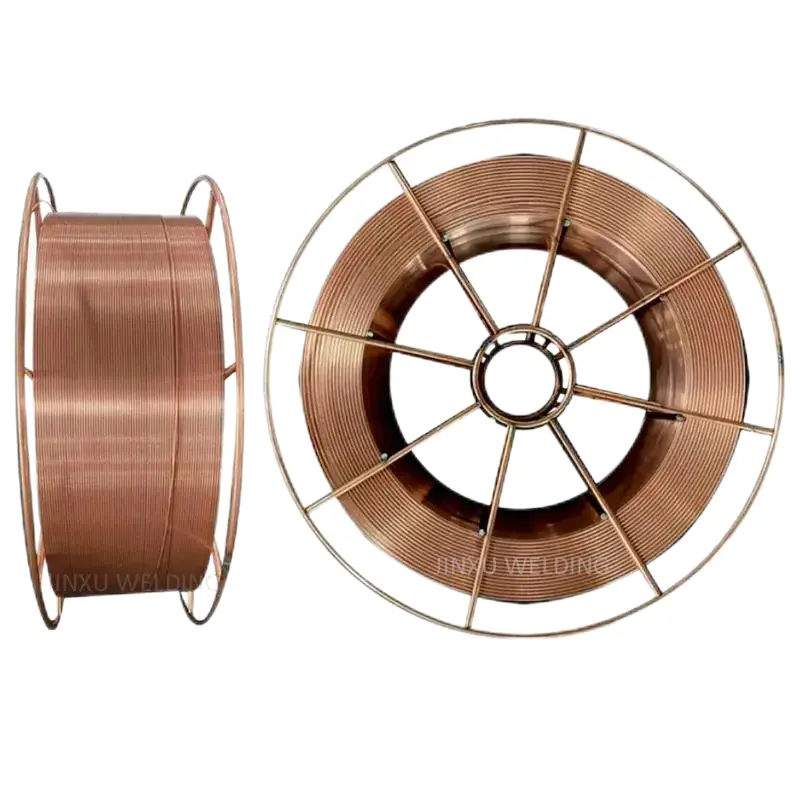
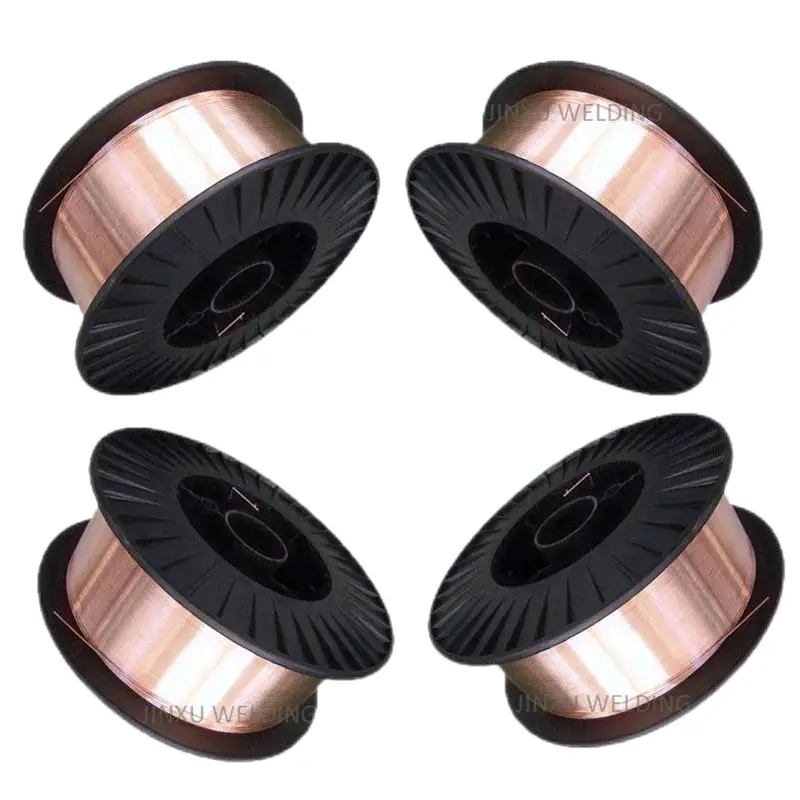
Field-proven performance of Wulian Yuxin welding solutions across diverse industrial plants.
High-efficiency carbon steel fabrication in automotive chassis and structural beams.
View Details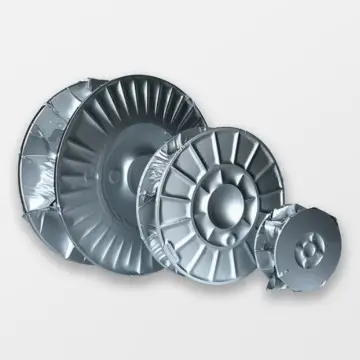
Shipbuilding and heavy bridge construction utilizing slag-shielded wire for high-deposition welding.
View Details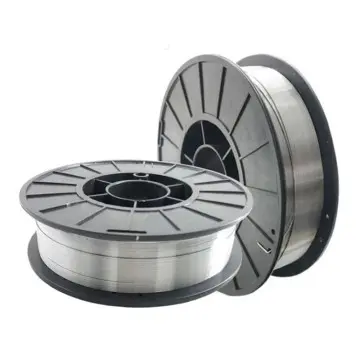
Stabilized stainless steel pressure vessels and reactors in chemical refining operations.
View Details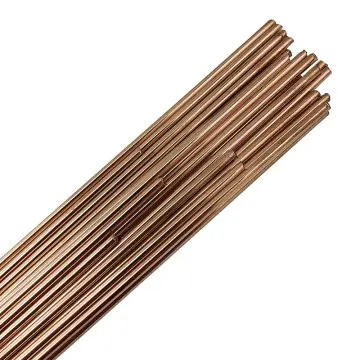
Critical food and beverage piping networks with zero-defect requirements for the root pass.
View Details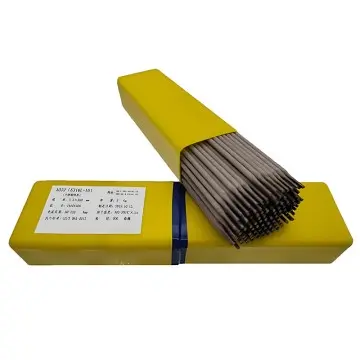
Manual metal arc (MMA) repairs in thermal boilers, steel structures, and machinery under remote site conditions.
Read the Full Case StudyExpert insights addressing key metallurgical questions, weld parameter selections, and OEM procurement queries.
The fundamental distinction lies in stabilization. ER316L uses ultra-low carbon (typically C < 0.03%) to limit sensitization. ER318 contains Niobium (Nb) as a stabilizing element (up to 1.0%), allowing it to safely withstand exposure to the 400°C–800°C sensitization range. For high-temperature services (above 400°C) or where AISI 316Ti parent metals are joined, ER318 is preferred over ER316L due to its higher long-term creep strength and resistance to chromium carbide precipitation.
Niobium has a much stronger chemical affinity for Carbon than Chromium does. When the weld metal cool or is exposed to heat, Niobium combines with Carbon to form Niobium Carbide (NbC) dispersoids, which precipitate out harmlessly. This prevents Carbon from combining with Chromium, ensuring the Chromium remains dissolved in the austenitic matrix to form the passive film that prevents intergranular corrosion.
For Gas Metal Arc Welding (GMAW/MIG) using ER318, we recommend Argon with 1-2% Oxygen or 2-3% Carbon Dioxide. Using excessive Carbon Dioxide (e.g. 100% CO2) is prohibited because it can cause carbon pickup in the weld pool, offsetting the stabilizing effect of Niobium. For TIG (GTAW) welding, 100% pure Argon is standard.
Preheating is generally not required for welding austenitic steels with ER318. However, interpass temperature must be strictly controlled, keeping it below 150°C (300°F). Excessive heat accumulation slows down the cooling rate, which can lead to grain growth and increase the susceptibility to hot cracking in the weld metal.
We operate a dedicated metallurgical laboratory in our Shandong facility. Every batch of raw wire rod undergoes optical emission spectrometry (OES) to verify chemistry. During the drawing process, inline laser sizing heads monitor wire diameters. Finally, spooled wire is eddy-current tested to confirm there are no internal cracks or surface drawing flaws before vacuum packaging.
An ER318 weld deposit is designed to have a duplex microstructure with a Ferrite Number (FN) typically in the range of 3 to 10. The presence of a small amount of delta ferrite is crucial; it acts to dissolve impurities like Phosphorus and Sulfur, reducing the risk of hot cracking during the solidification of the austenitic weld pool.
Reliable welding wires and electrodes for heavy structural, pressure vessel, and chemical operations.
 Yuxin
Yuxin