Engineered for high deposition rates, low spatter levels, and superior mechanical weld joint characteristics.
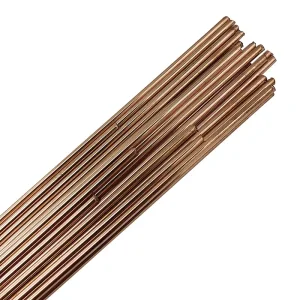
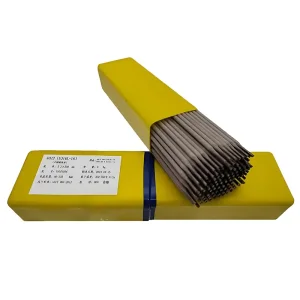
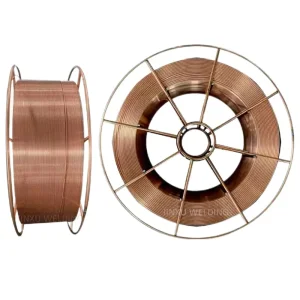
Welding high carbon steel structures presents a distinct set of thermodynamic and microstructural challenges. High carbon steels, generally categorized as having carbon concentrations between 0.60% and 1.00% (or even higher in specialized tool applications), possess high hardness, tensile strength, and wear resistance. However, these identical mechanical qualities lead to high susceptibility to cold cracking, heat-affected zone (HAZ) embrittlement, and rapid martensitic transformation during cooling phases.
To establish durable joints without structural compromise, utilizing highly optimized MIG/GMAW (Gas Metal Arc Welding) consumables is critical. Leading Chinese OEM factories are redesigning wire chemistries to solve these concerns, balancing carbon equivalent values with advanced deoxidizing elements (such as manganese and silicon) to guarantee smooth arc stabilization, reduced hydrogen inclusion, and excellent seam integrity.
Balancing high strength requirements with metallurgical crack-prevention measures.
During the MIG process on high carbon steels, the rapid thermal cycle creates a brittle martensitic structure in the Heat-Affected Zone (HAZ). Modern OEM wires resolve this by refining grain boundary structures and managing cooling rates via custom alloy additions, reducing internal residual tensile stresses.
High carbon weld pools are susceptible to carbon monoxide gas entrapment, resulting in internal porosity. Incorporating elevated levels of Silicon (Si) and Manganese (Mn) acts as a powerful deoxidation system, binding oxygen to form slag and producing clear, radiographically clean welds.
Diffusible hydrogen is the main driver of cold cracking. Our manufacturing facility uses proprietary double-bake wire drawing techniques and advanced dry lubricants to lower diffusible hydrogen to under 4ml/100g of weld deposit, guaranteeing ultra-low crack risk.
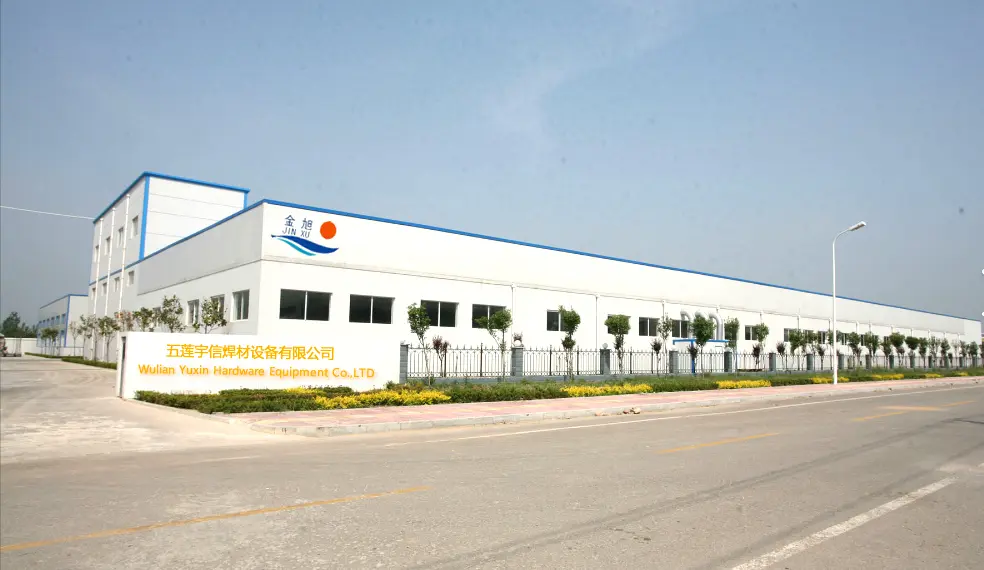
Situated within the industrial heartland of Wulian, Rizhao City, Shandong Province, Wulian Yuxin Hardware Equipment Co., Ltd. leverages a highly localized steel supply ecosystem. Our proximity to major steel mills allows us to source premium grade wire rods directly, cutting down transportation costs and ensuring raw material trace-ability from ladle analysis to finished spool.
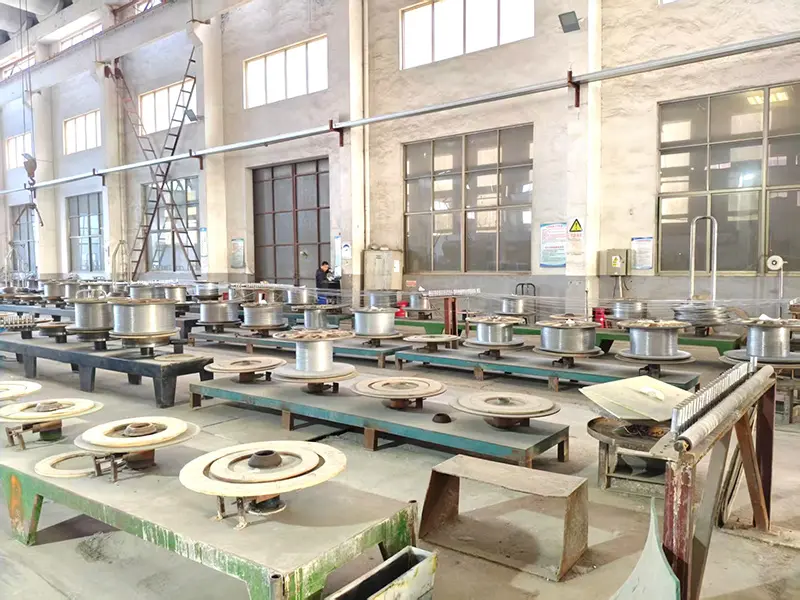
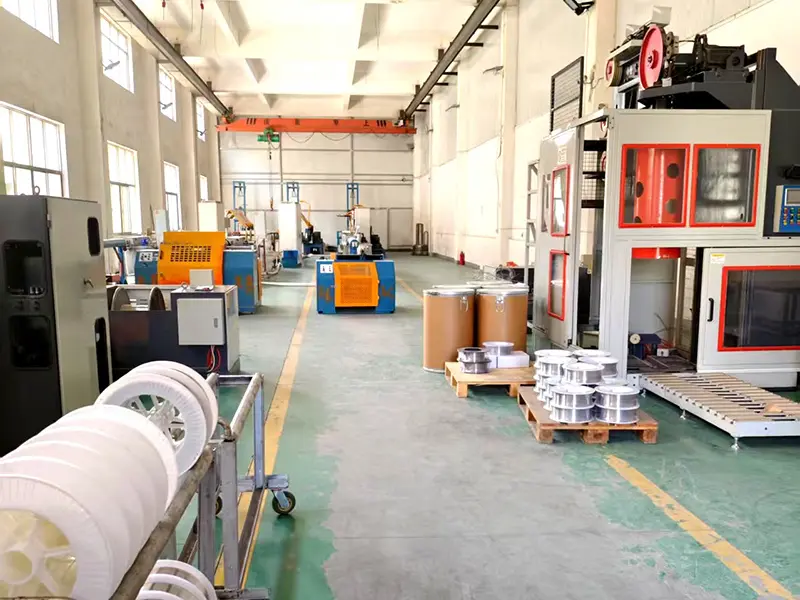
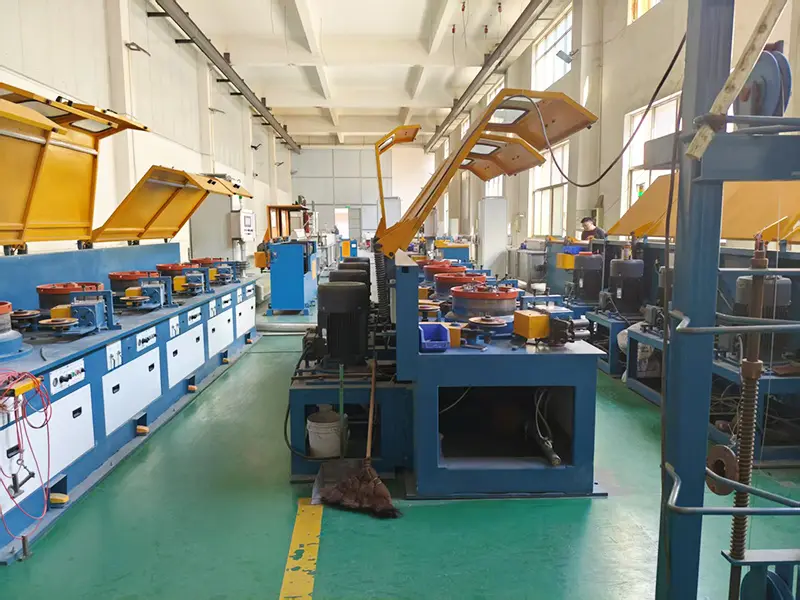
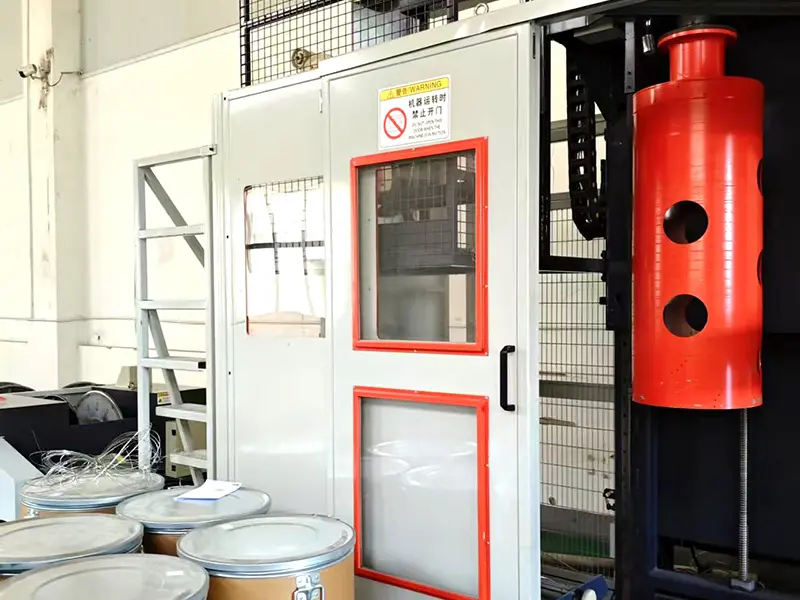
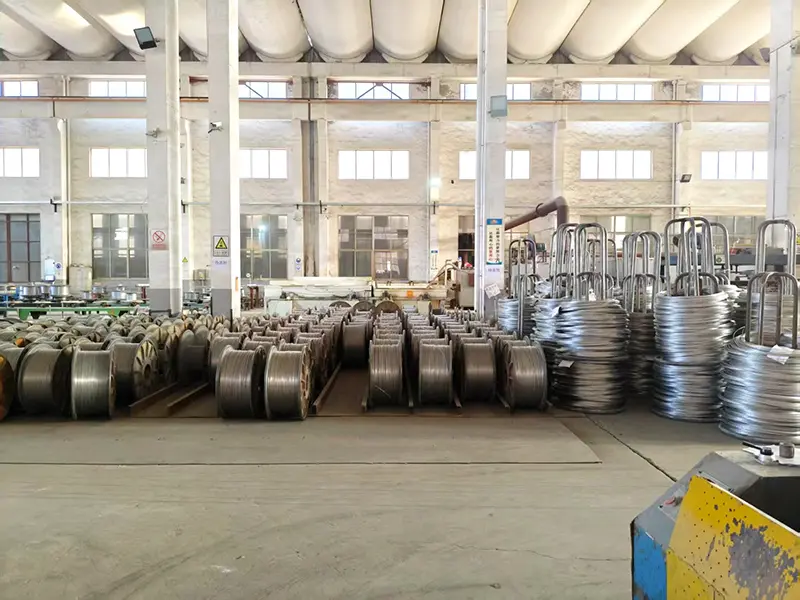
Operational efficiency is bolstered by our 15,000-square-meter facility. Equipped with advanced continuous drawing machinery, precision layering spoolers, and automated packing lines, we minimize cycle times. For global distributors, this yields shorter lead times, consistent quality, and competitive price structures that withstand global market volatility.
With an annual capacity of 3,000 tons, our facilities easily scale up production from standard containers to high-volume OEM contracts without compromising quality, making us a strategic long-term supply partner.
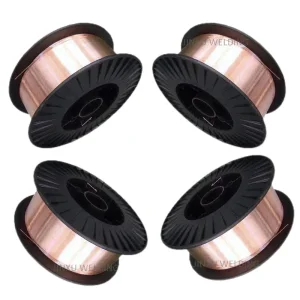
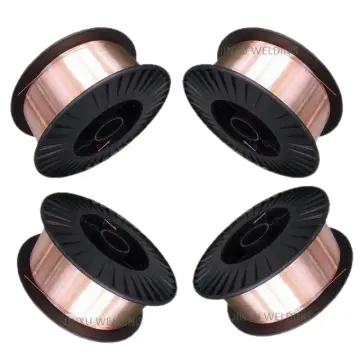
Maintaining stringent compliance through every phase: from cold drawing to final copper-coating.
Across global manufacturing sectors, high-carbon wire electrodes are essential for specialized applications.
Railway crossings, switches, and frog points are manufactured from high-carbon manganese steels to withstand constant cyclic impact. Our specialized OEM wires offer the exact chemistry to deposit hard, wear-resistant overlay surfaces on rails, reducing wear and extending line longevity.
High-tensile structural frames, stabilizer bars, and heavy-duty drivetrain gears rely on precise high-carbon steels. Welds in these assemblies must withstand severe fatigue stresses. Our low-hydrogen MIG wires deliver clean joints that meet strict automotive crash-safety testing.
Excavation buckets, draglines, and crushers face extreme abrasion from soil, rock, and mineral materials. Using high carbon MIG wires for hardfacing layers forms a tough shield, dramatically decreasing downtime and machinery replacement costs.
Innovating welding consumables to align with high-speed automation and environmentally friendly standards.
Developing eco-friendly, non-copper coated solid wires. Copper-free wires reduce copper fumes during welding and eliminate copper flake buildup in the liner, optimizing feeding and lowering overall nozzle maintenance costs.
Modifying wire surface stiffness and cast/helix specifications to meet the demands of robotic and automated multi-pack welding systems, assuring zero wire twist and high arc placement precision.
Integrating chemical barcodes and real-time wire-feed tracking technology to help high-speed robotic systems automatically adjust voltage and feed rate parameters based on the wire lot profile.
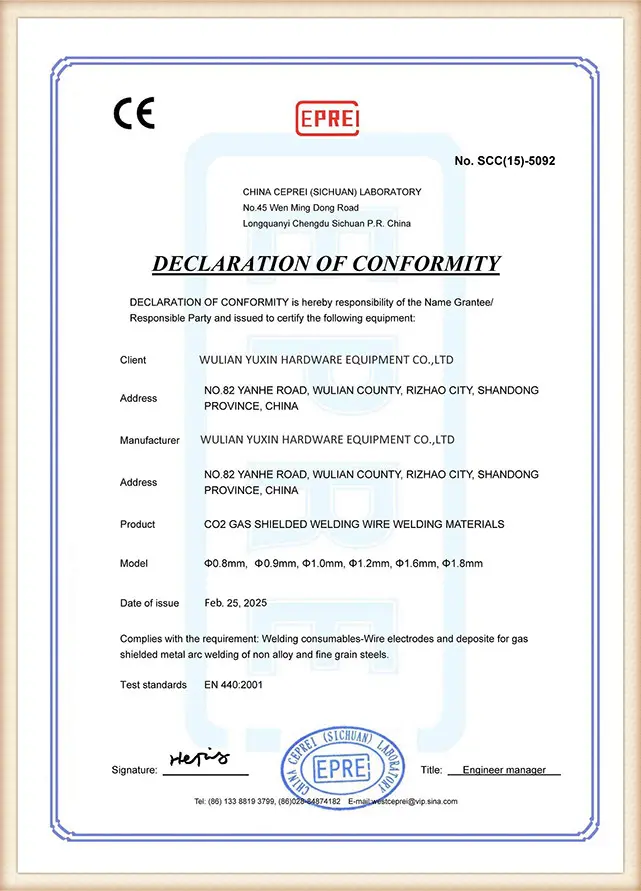
For international procurement departments, certification and compliance are non-negotiable. At Wulian Yuxin, our quality assurance processes comply with major international directives. We hold certifications under ISO 9001:2015 and CE Standards, verifying that every production run meets international requirements.
Our quality control testing includes chemical analysis via optical emission spectrometers, mechanical testing (such as Charpy V-Notch impacts at low temperatures and ultimate tensile strength), and radiographic inspection of weld specimens. This ensures that every shipment is backed by clear, detailed material test reports (MTRs).
From European rail applications to African mining operations, our products deliver consistent results on every spool.
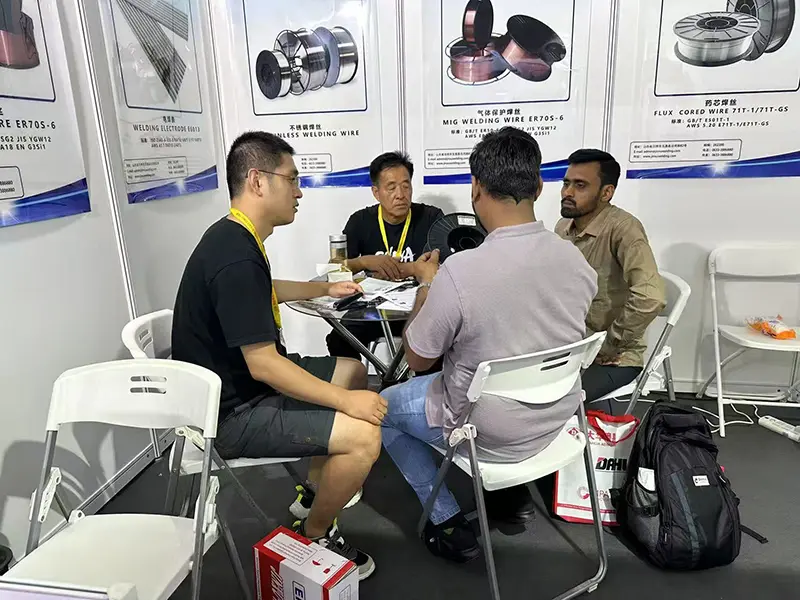
Showcasing the application cases of our MIG, TIG, and flux-cored products across various global industries.
Providing expert answers to common queries regarding high carbon steel welding.
High carbon steels contain more carbon, which increases hardenability. This causes the steel to form brittle martensite in the heat-affected zone (HAZ) during rapid cooling. Martensite has low ductility and is sensitive to cracking under tension, particularly when hydrogen is present.
Generally, preheat temperatures should range between 150°C and 350°C (300°F to 660°F), depending on section thickness and carbon equivalent. Preheating slows the cooling rate, preventing martensitic formation and helping diffusible hydrogen escape the weld zone.
For solid wire GMAW, we recommend using an Argon/CO2 blend (such as 80% Ar/20% CO2 or 75% Ar/25% CO2). This blend produces a stable spray arc transfer, minimizes spatter, and manages heat input better than 100% CO2 gas.
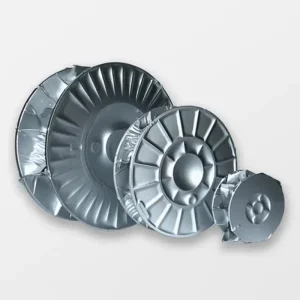
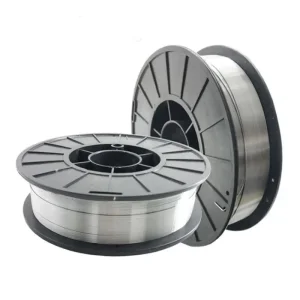
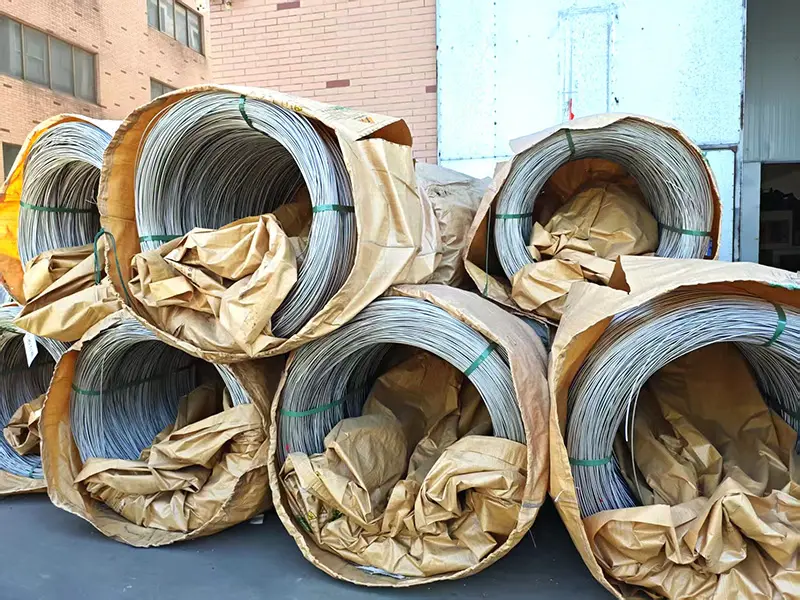
Yes, we provide customizable packaging, including plastic spools, wire basket spools, and heavy payoff drums (up to 250kg or 350kg) for continuous robotic production lines. Custom branding and labeling options are available.
Our drawing lines are equipped with continuous laser measurement systems that monitor wire diameter in real-time. If the diameter drifts by even 0.01mm from the standard, the system alerts the operator to adjust the draw die, ensuring smooth wire feeding without jams.
Explore our complete product lineup, designed to handle challenging welding conditions.
 Yuxin
Yuxin