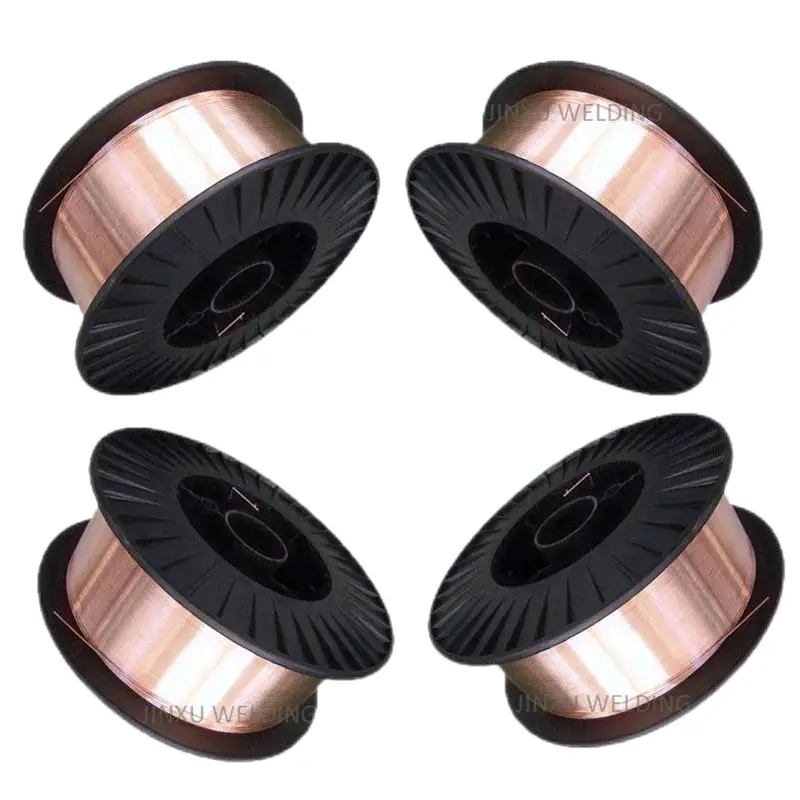
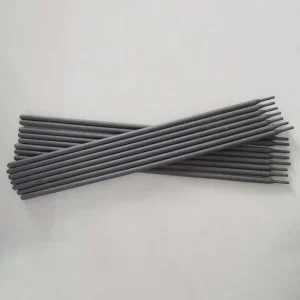
Explore our elite range of high-conductivity welding wires and advanced chemical flux matrices designed for heavy-duty manufacturing and infrastructure projects.
Pioneering Excellence in Welding Solutions Since 2004
Established in Wulian, Rizhao City, Shandong Province, Wulian Yuxin Hardware Equipment Co., Ltd. has grown from a locally excellent manufacturer to a globally recognized producer of premium welding consumables. With our own 15,000-square-meter production facility and advanced manufacturing equipment, we proudly maintain complete control over our production processes, ensuring consistent quality across our entire product range.
By prioritizing metallurgical innovation and strict quality assurance, we have forged strategic partnerships with heavy industrial conglomerates and procurement networks in over 20 countries. Our location in Shandong offers unparalleled logistics connectivity via Qingdao Port, accelerating global supply chains and reducing transit lead times for large-scale operations.
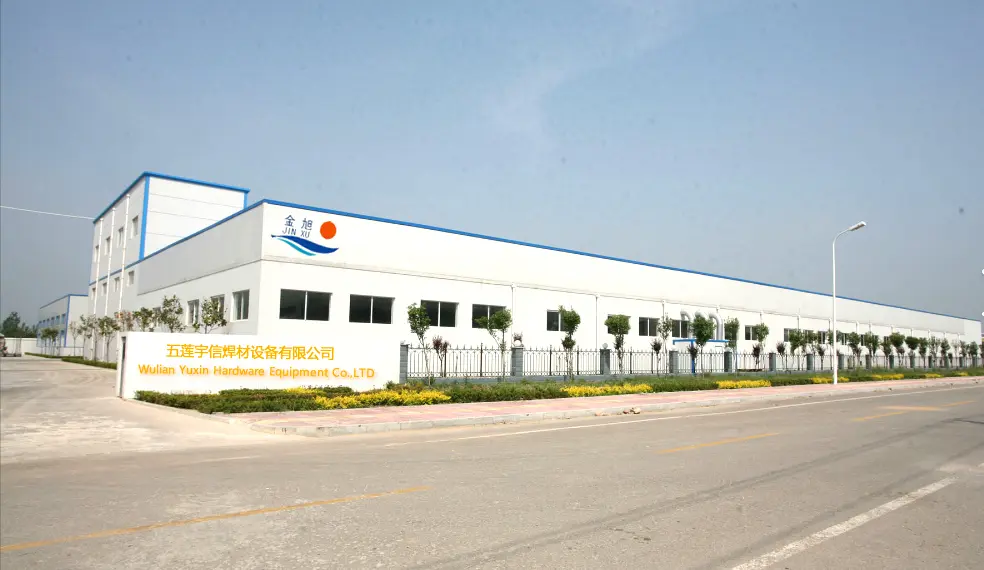
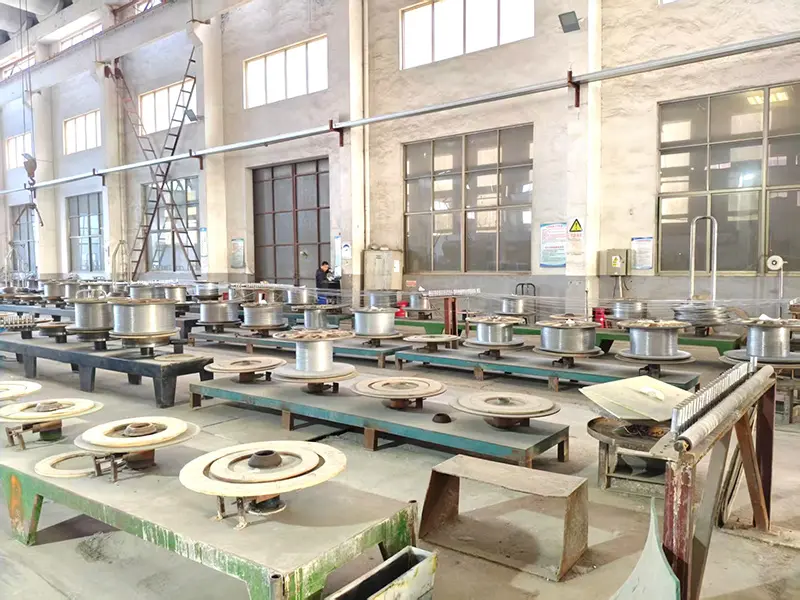
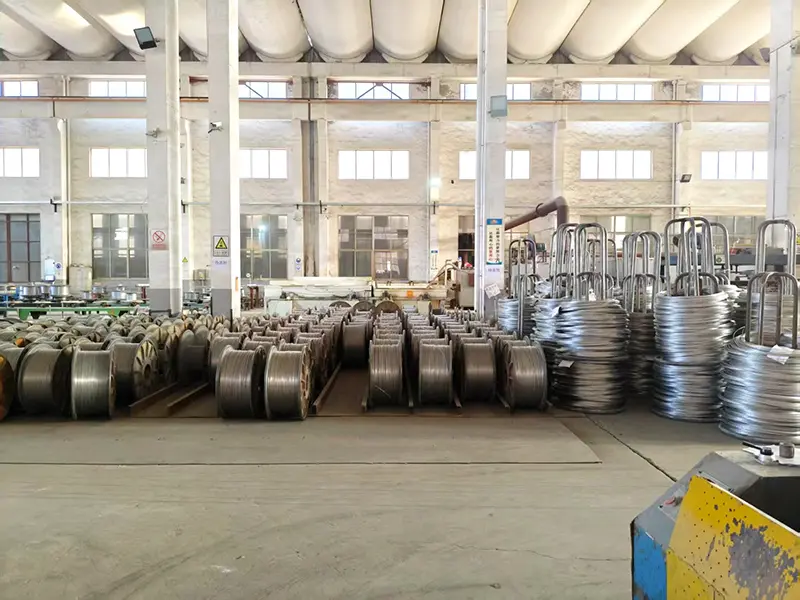
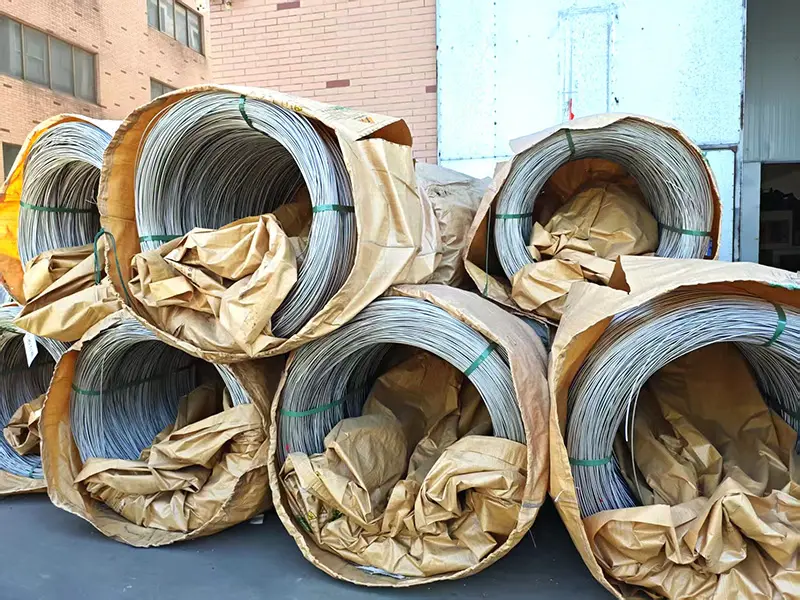
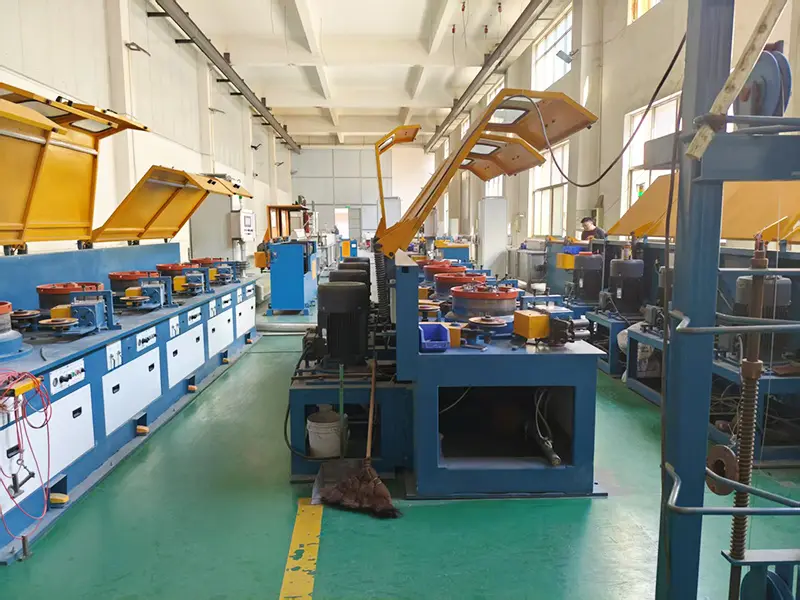
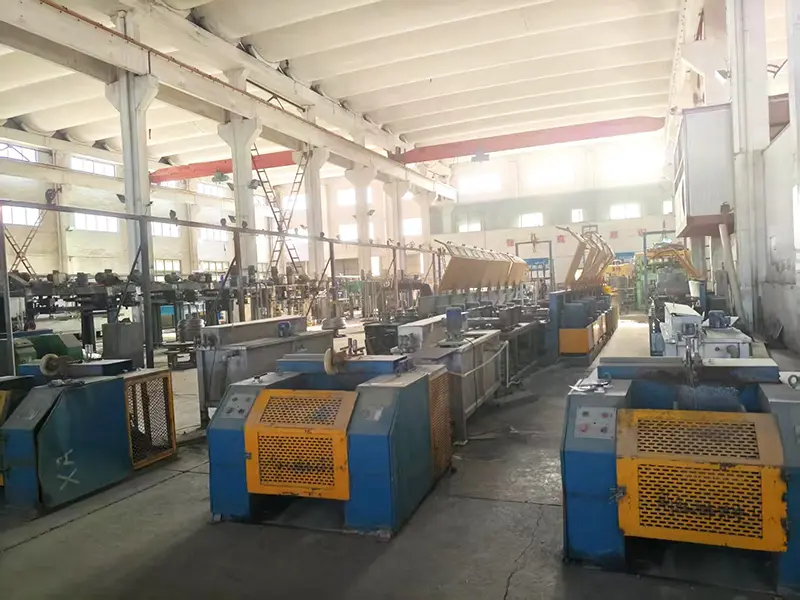
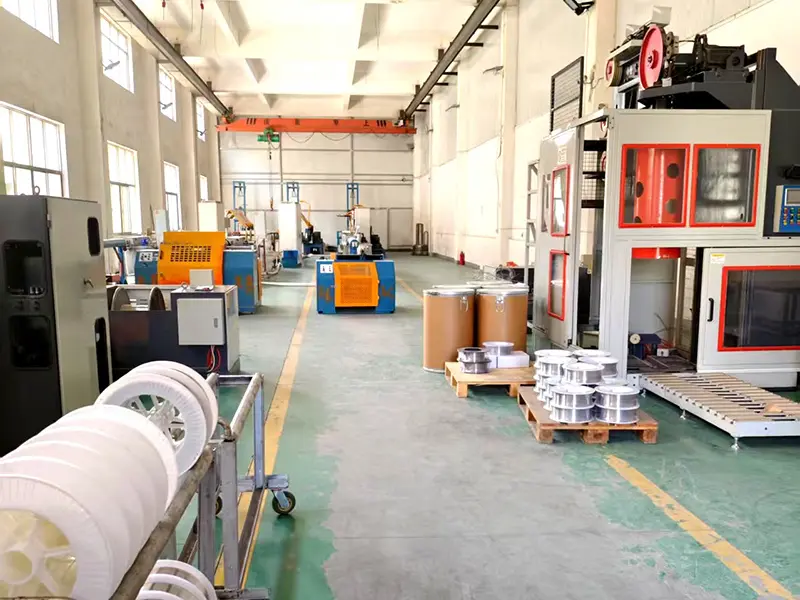
Inside Wulian Yuxin's advanced 15,000-square-meter production workshops, where precision meets state-of-the-art technological automation.
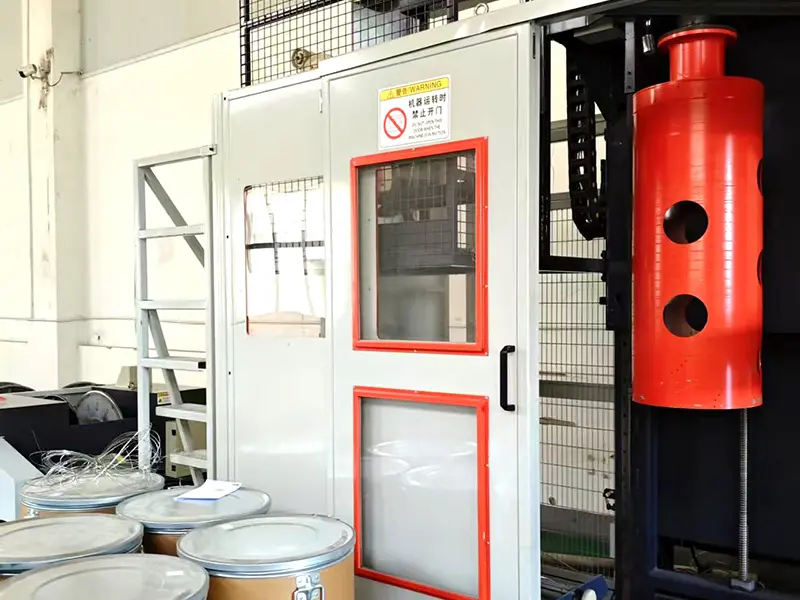
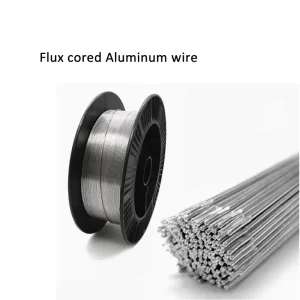
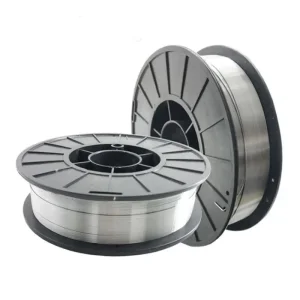
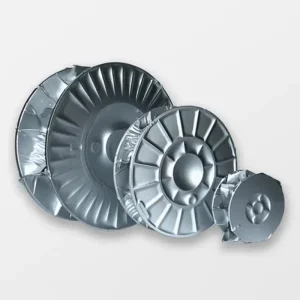
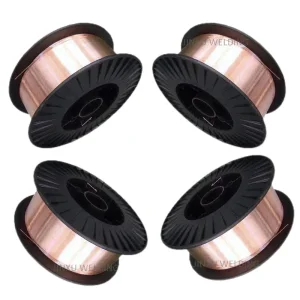
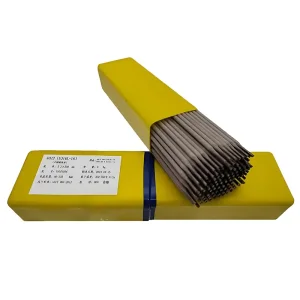
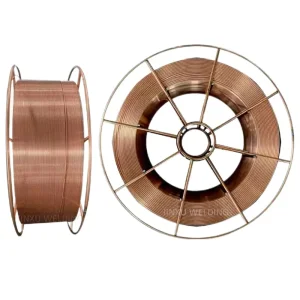
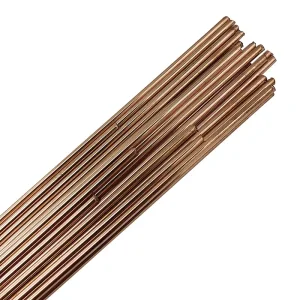
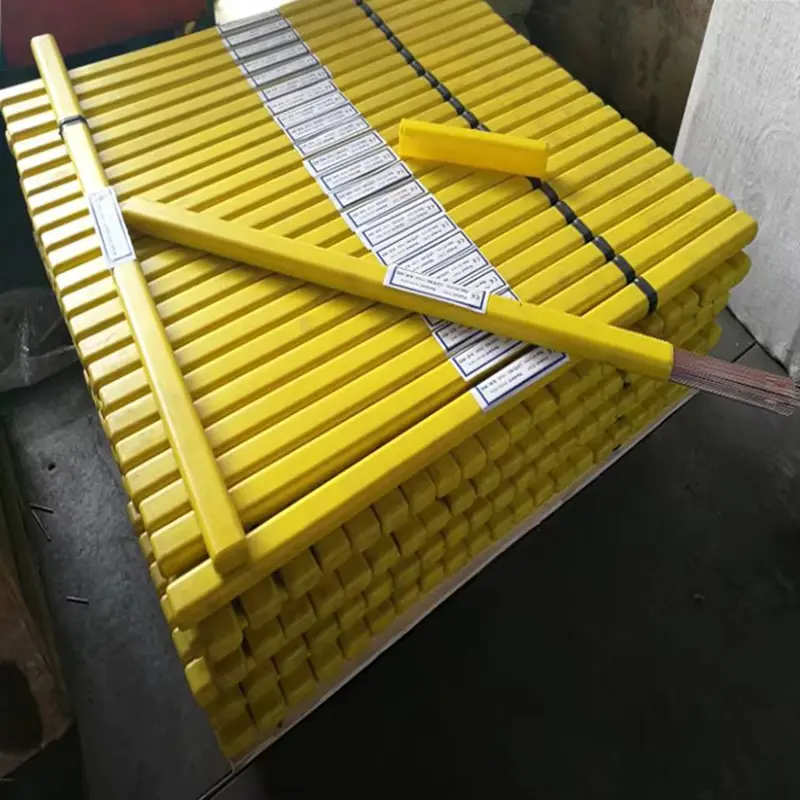
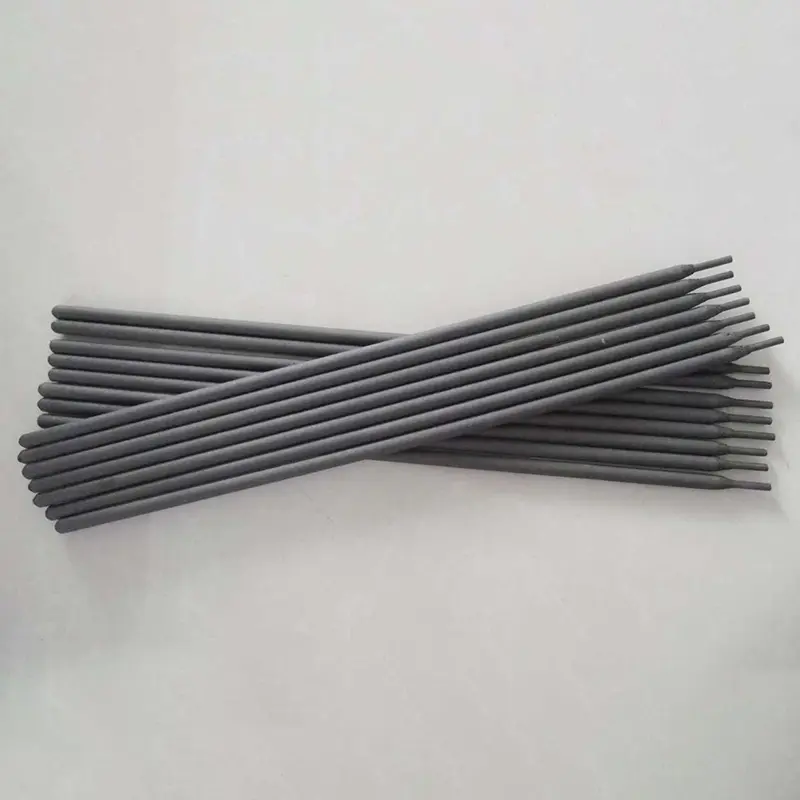
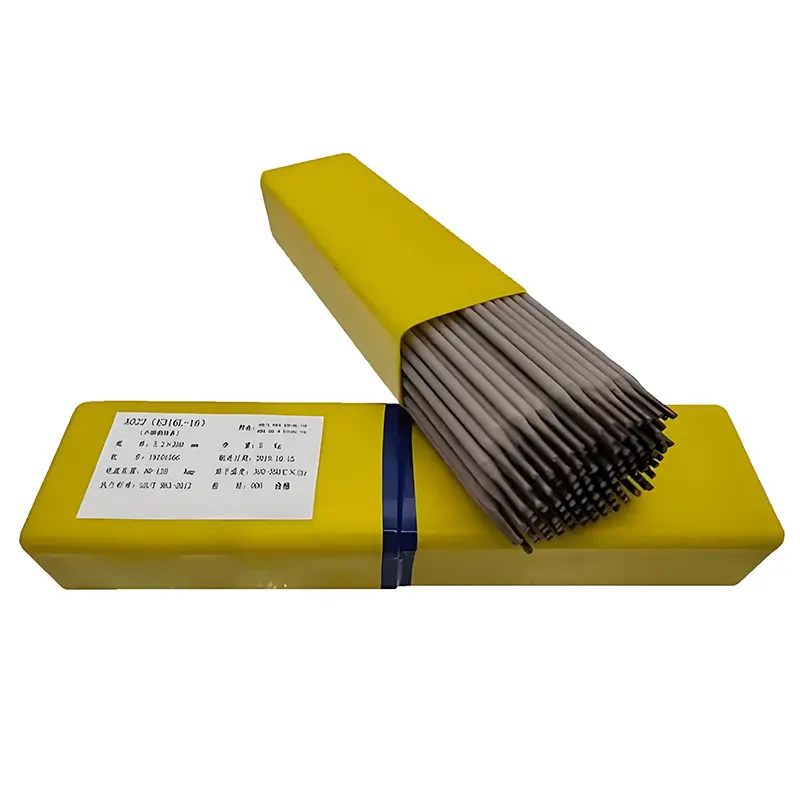
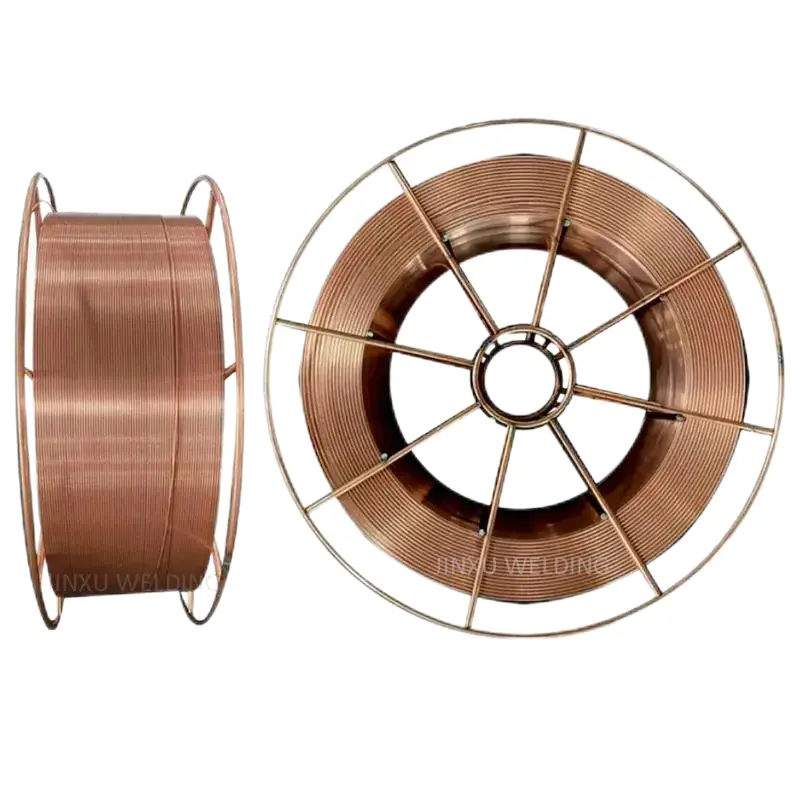
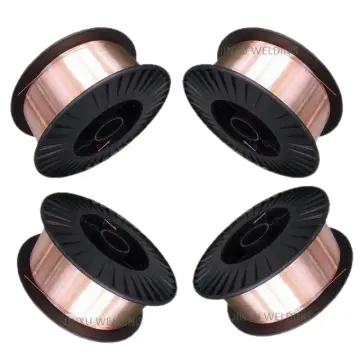
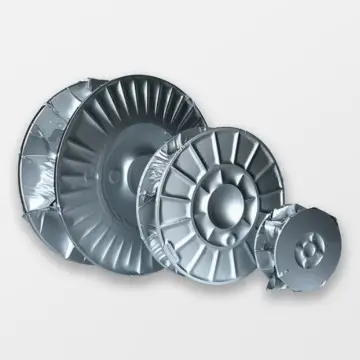
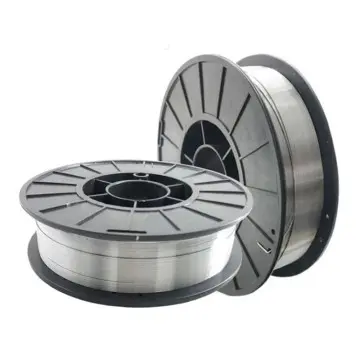
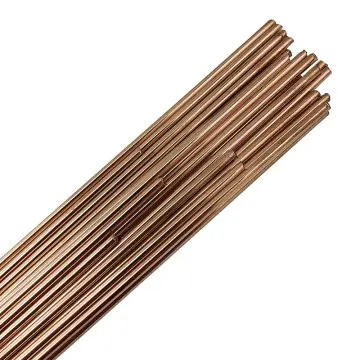
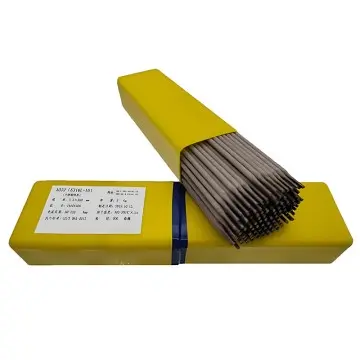
High-grade alloy consumables matching global structural standards. Hover over categories to view alternative material representations.
Why leading global EPC contractors and industrial distributors select Wulian Yuxin as their long-term supply partner.
All products meet stringent international standards, including ISO9001 and CE certifications, and undergo rigorous quality control at every production stage.
Today, our products are trusted by industrial clients in over 20 countries worldwide, supporting infrastructure from Europe to Southeast Asia.
Our in-house R&D team continuously improves product formulations, while our QC department maintains tolerances 30% stricter than industry standards.
We remain committed to our founding principles of integrity, innovation, and customer focus - values that have guided us through nearly two decades of sustainable growth.
Real-world deployment of our high-yield strength welding wires across critical structural engineering fields.
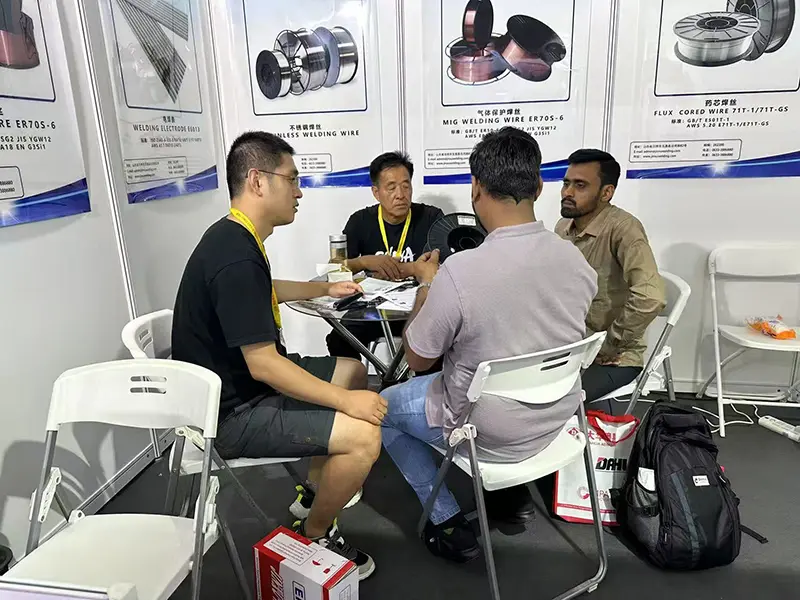
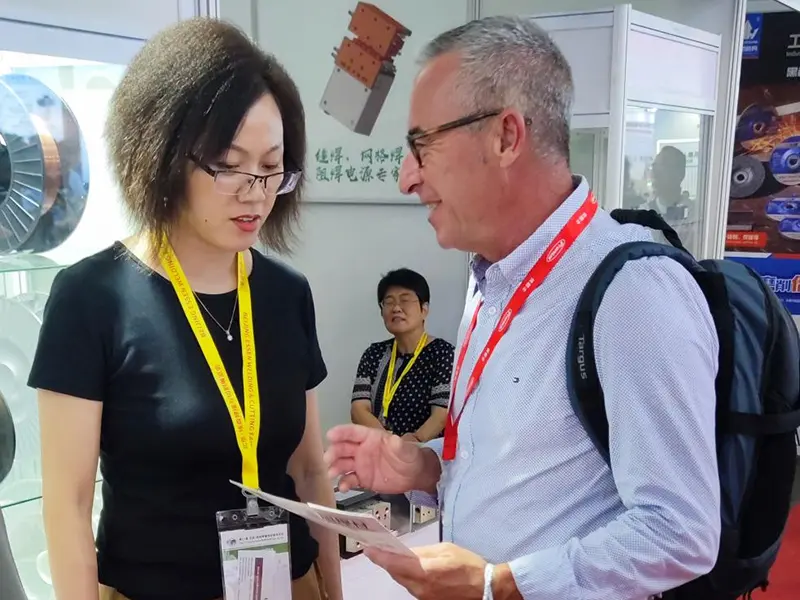
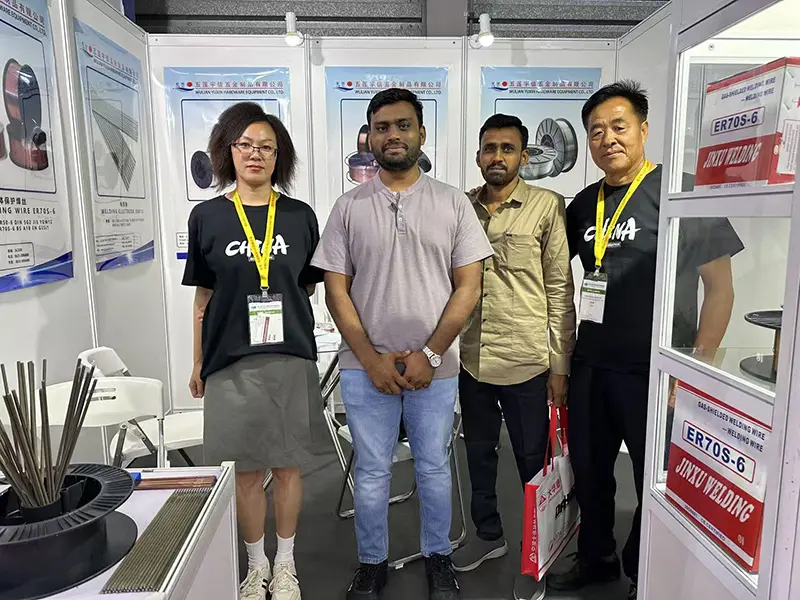
Engaging with the international metal joining community, presenting our patent-backed chemical formulations to global buyers.
In modern industrial fabrication, welding stainless steel demands far more than basic structural adhesion. The integrity of stainless steel weldments in heavy chemical processing plants, marine engineering, cryogenic tanks, and nuclear reactors depends directly on the behavior of the weld pool. The flux system—whether incorporated as the core fill in a flux-cored arc welding (FCAW) wire or applied as a granular shielding material in submerged arc welding (SAW)—serves as a complex chemical reactor. This whitepaper analyzes the metallurgical challenges, formulation engineering, and structural solutions that define modern stainless steel welding consumables.
Welding flux is engineered to shield the molten weld metal from atmospheric nitrogen, oxygen, and hydrogen, while simultaneously deoxidizing the weld pool and stabilizing the arc. For stainless steels (particularly austenitic grades such as 304L and 316L, and duplex grades), the flux must perform these duties without causing carbon pickup or detrimental chromium depletion.
When selecting an OEM partner or a direct factory supplier in China, engineers look closely at how the consumables resolve two critical faults: sensitization and hot cracking (micro-fissuring).
Sensitization and Intergranular Corrosion: When austenitic stainless steels are heated to the 450°C to 850°C range, carbon diffuses to the grain boundaries and combines with chromium to form chromium carbides (Cr23C6). This depletes the adjacent areas of chromium, rendering the steel susceptible to intergranular attack. The solution lies in using extra-low carbon content (e.g., E308L or E316L with C ≤ 0.03%) and incorporating stabilizing agents like niobium (Nb) or titanium (Ti) into the flux formulation. Our OEM processes strictly limit carbon contamination during drawing and drawing-lubricant removal stages.
Hot Cracking & Ferrite Control: Fully austenitic weld deposits are highly sensitive to hot cracking due to the segregation of low-melting-point impurity elements (like sulfur and phosphorus) at grain boundaries. To prevent this, the weld metal chemistry must be balanced to yield a controlled amount of delta ferrite (typically between 3 to 10 Ferrite Number, FN) upon solidification. Ferrite acts as a solvent for these harmful impurities, effectively eliminating micro-fissuring. Wulian Yuxin utilizes the WRC-1992 constitution diagram to optimize our wire chemistry, guaranteeing accurate FN ranges in the deposited weld metal.
As a leading Chinese welding consumable factory, Wulian Yuxin leverage regional advantages to deliver high-performance products globally. China's industrial ecosystem provides key structural benefits:
Our location in Shandong Province places us in close proximity to major domestic steel mills and chemical refineries. This permits direct sourcing of high-purity, low-impurity wire rods (with ultra-low phosphorus and sulfur contents) and mineral resources like fluorspar, rutile, and high-purity silica. Operating out of our dedicated 15,000-square-meter facility, we manage the entire production cycle in-house: from wire drawing and flux powder blending to automated tube filling, baking, and precision spooling. This direct control reduces reliance on third-party processors, lowers production costs, and guarantees batch-to-batch chemical uniformity.
Our facility employs computerized drawing machines that prevent surface defects and maintain wire diameter tolerances far tighter than standard AWS requirements. Our automated flux-cored wire forming lines monitor fill-ratio uniformity continuously using inline sensor arrays. Additionally, our testing laboratories feature optical emission spectrometers (OES), mechanical testing equipment for tensile and impact evaluations, and diffusible hydrogen testers. This rigorous quality control system is designed to maintain tolerances 30% stricter than standard industry benchmarks, ensuring our products consistently meet ISO9001 and CE standards.
Industrial projects operate under diverse environments, each requiring tailored welding consumable solutions. Below, we examine key application scenarios where Wulian Yuxin products are routinely deployed.
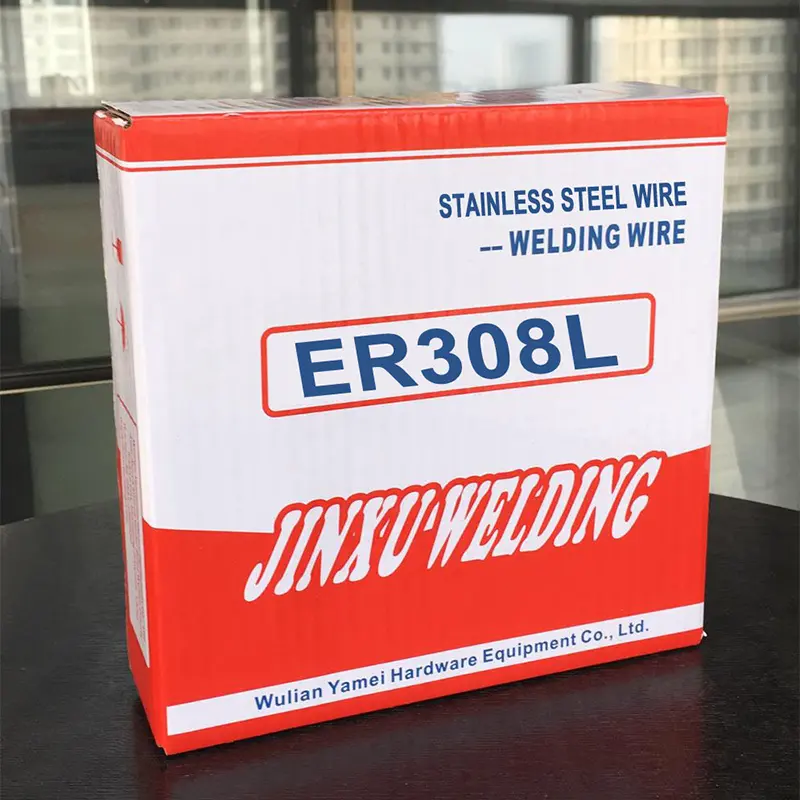
Storage tanks, heat exchangers, and distillation columns handling corrosive hydrocarbons at elevated pressures require weld joints that resist high-temperature sulfidation and hydrogen attack. In these applications, our ER316L and ER308L welding wires provide corrosion resistance and high-yield strength. For cladding application on carbon steel vessels, our flux formulations are designed to control dilution ratios, ensuring the outermost weld layer retains sufficient chromium and nickel to resist corrosion.
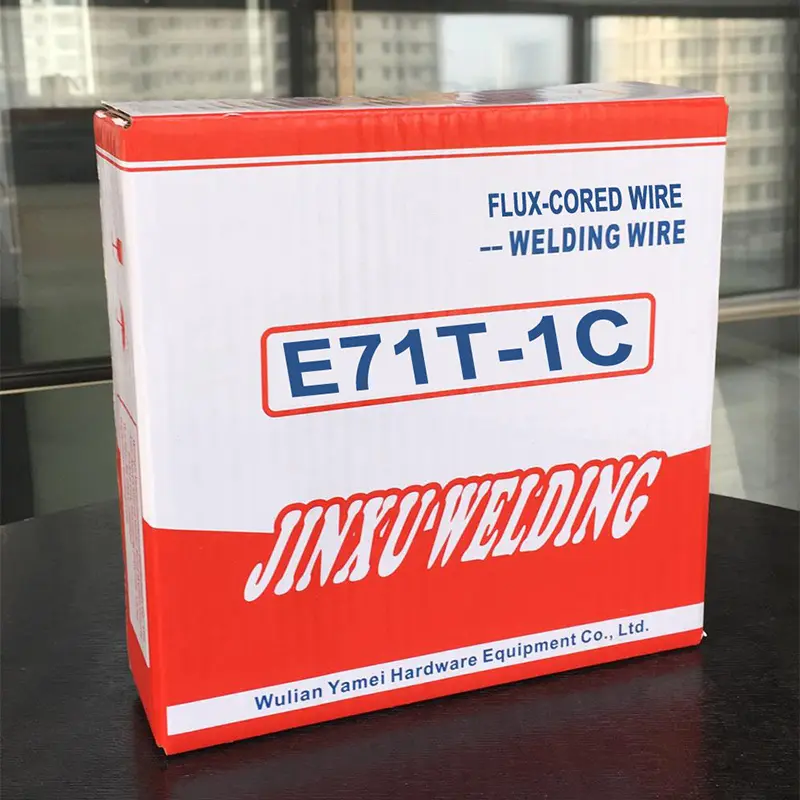
Offshore oil platforms, LNG carriers, and commercial vessels operate in harsh marine environments exposed to chloride-induced pitting. Here, weld joints must maintain structural toughness under dynamic wave loading. Wulian Yuxin's flux-cored wires (such as E71T-1C and stainless equivalents) are formulated to provide deep penetration, low spatter, and fine weld bead cosmetics. This reduces post-weld dressing times and ensures joints pass ultrasonic and radiographic inspections.
The transport and storage of liquefied natural gas (LNG) at temperatures down to -162°C requires materials with high toughness. Austenitic stainless steel welds can suffer embrittlement at cryogenic temperatures if the ferrite content is too high or if coarse slag inclusions are present. Wulian Yuxin adjusts the metallurgy of our stainless steel consumables to yield a precise 3-6 FN range, which ensures excellent Charpy V-notch impact values at sub-zero temperatures.
Global procurement directors require more than just technical specifications; they need supply chain security, regulatory compliance, and consistent product performance. Wulian Yuxin meets these international procurement demands through several key initiatives:
Looking ahead, the welding industry is moving toward environmental sustainability and automated integration. Wulian Yuxin is proactively adapting to these trends through targeted metallurgical research:
Technical explanations for engineers and B2B procurement professionals.
We control the Ferrite Number by carefully balancing the ratio of ferrite-stabilizing elements (such as chromium, molybdenum, and silicon) to austenite-stabilizing elements (such as nickel, carbon, manganese, and nitrogen) in our raw steel heats. Each batch is verified using magnetic ferrite indicators and the WRC-1992 diagram to ensure it falls within the specified range (typically 3 to 10 FN) to prevent hot cracking while maintaining cryogenic toughness.
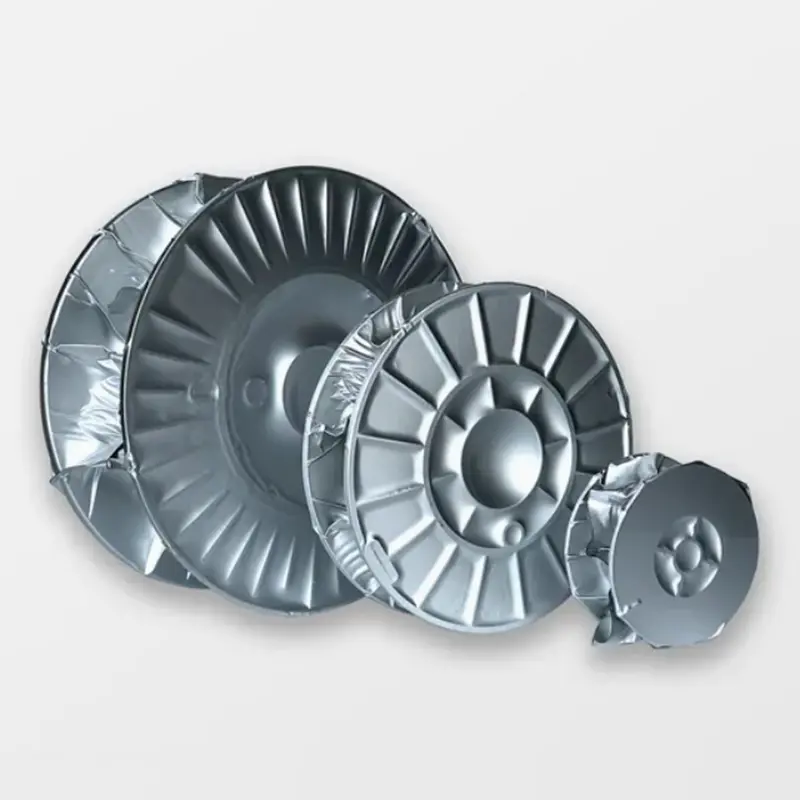
Our flux-cored wires are precision-wound onto spools and immediately heat-sealed in multi-layer vacuum aluminum foil barrier bags containing desiccant packets. These bags prevent ambient humidity from degrading the internal flux powder, which helps keep diffusible hydrogen levels low and prevents hydrogen-induced cracking during deployment.
Yes, our in-house metallurgical R&D team can customize chemical compositions, modify slag-forming agents, and adjust wire drawing diameters to meet specific mechanical properties or unique parent metal configurations for large-scale OEM projects.
We offer fluxes ranging from semi-basic to highly basic (basicity index between 1.2 and 2.4). For applications requiring high impact toughness at low temperatures (such as offshore wind structures and pressure vessels), we recommend our high-basicity fluxes, which yield low oxygen content in the weld metal.
Our 15,000-square-meter facility in Shandong Province maintains an annual production capacity of 3,000 tons. This high output capacity, combined with our close relationships with domestic steel suppliers and proximity to Qingdao Port, allows us to maintain stable production schedules and lead times even during volatile market conditions.
Select from our certified welding consumables, engineered for structural performance and compatibility with automated welding systems.
 Yuxin
Yuxin