Premium wire specifications certified to global engineering standards, engineered for superior mechanical integrity and low-spatter performance.
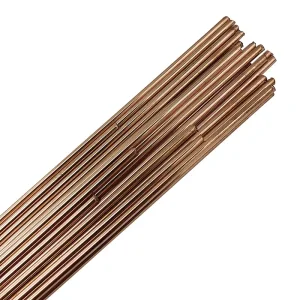
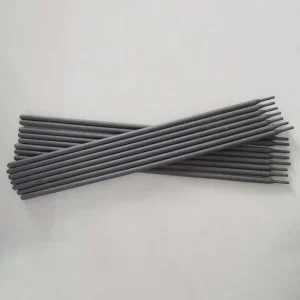
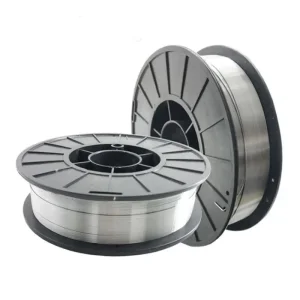
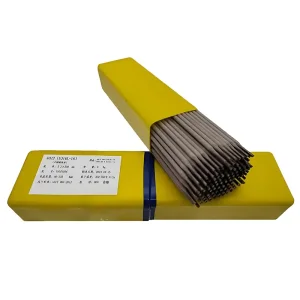
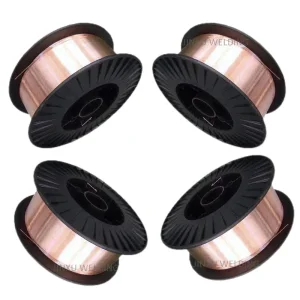
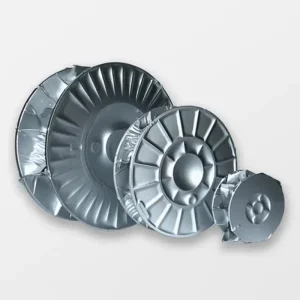
In heavy duty structural fabrication, infrastructure building, and robotic production, selecting the optimal metallurgical composition of wire consumables is critical. The mechanical properties of the weld joint depend entirely on the carbon and alloying elements present in the wire.
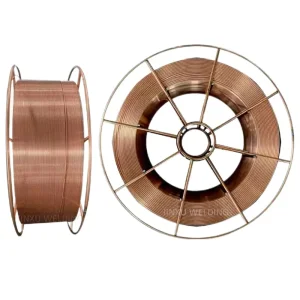
Carbon Steel Welding Wires (e.g., ER70S-6, E71T-1C) contain carbon, manganese, and silicon as major alloying components. Manganese acts as a vital deoxidizer, reinforcing tensile strength while maintaining weld ductility. Silicon enhances fluid puddle dynamics, reducing surface spatter. When properly deployed, carbon steel wire provides exceptional joint yield strengths exceeding 480 MPa, optimal for mild steel assemblies, boilers, and heavy machine framing.
Stainless Steel Welding Wires (e.g., ER308L, ER316L) incorporate substantial Chromium (18-20%) and Nickel (8-12%) fractions. The presence of Chromium creates a passive chromium-oxide layer on the molecular scale, ensuring unparalleled resistance against corrosion, oxidization, and aggressive chemical environments. The "L" suffix represents low carbon content (<0.03%), which prevents chromium-carbide precipitation during the heating cycle, mitigating intergranular corrosion risks at high stress areas.
Exploring the industrial clustering, supply chain integrations, and technological factors that position China at the peak of welding consumables manufacturing.
China's steel clusters (such as in Shandong and Hebei) provide immediate domestic access to high-quality raw steel rods. By reducing transport expenses for core iron ore and raw nickel materials, manufacturers pass substantial cost savings directly onto global buyers without sacrificing wire grade integrity.
Modern Chinese factories deploy automated multi-pass wire-drawing mills equipped with dynamic diamond dies. This keeps outer diameter tolerances within ±0.01 mm, preventing wire feeding interruptions in sensitive industrial automated robotic welders.
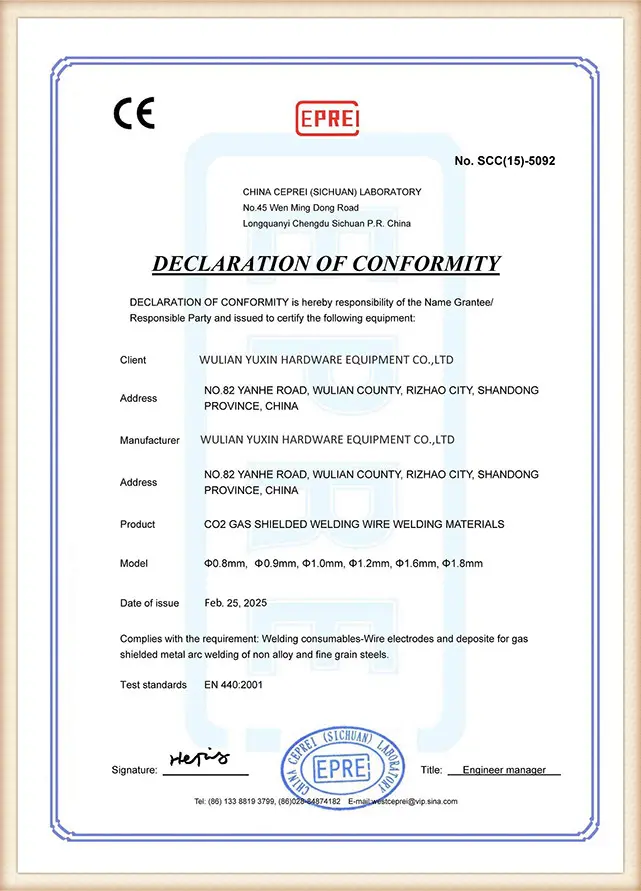
Top Chinese factories utilize internal labs for chemical composition spectroscopy, Charpy V-notch impact testing, and radiographic testing to meet international classifications such as AWS (American Welding Society) and EN ISO.
From standard mild steel framing to heavy chemical pressure vessels, explore how our wire grades adapt to diverse project requirements.
High salinity calls for superior corrosion resistance. Stainless steel wires (ER316L) loaded with Molybdenum block pitting in marine environments, while flux-cored wires (E71T-1C) speed up structural hull welding.
Consistent wire diameter and high-speed robotic feed properties make ER70S-6 MIG wire a preferred selection for robotic car framing and component welding, minimizing down-time.
Chemical reactors operate under immense temperatures and pressures. Our low-carbon stainless filler wires eliminate intergranular cracking hazards, ensuring durable seal joints.
Industrial procurement officers should verify three major items prior to bulk import:
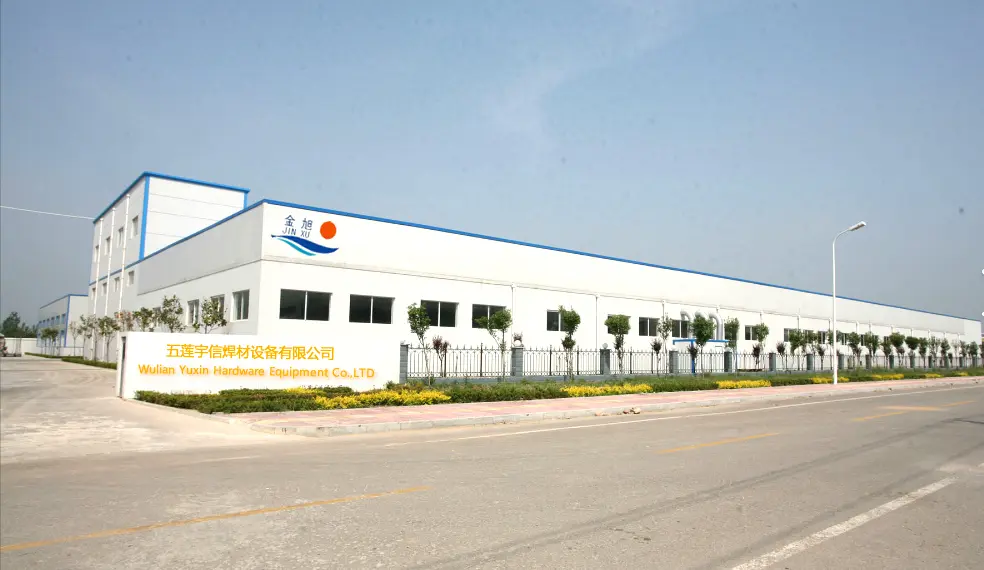
Established in 2004 in Wulian, Rizhao City, Shandong Province, Wulian Yuxin Hardware Equipment Co., Ltd. has grown from a specialized domestic supplier into a major global manufacturer of premium welding consumables.
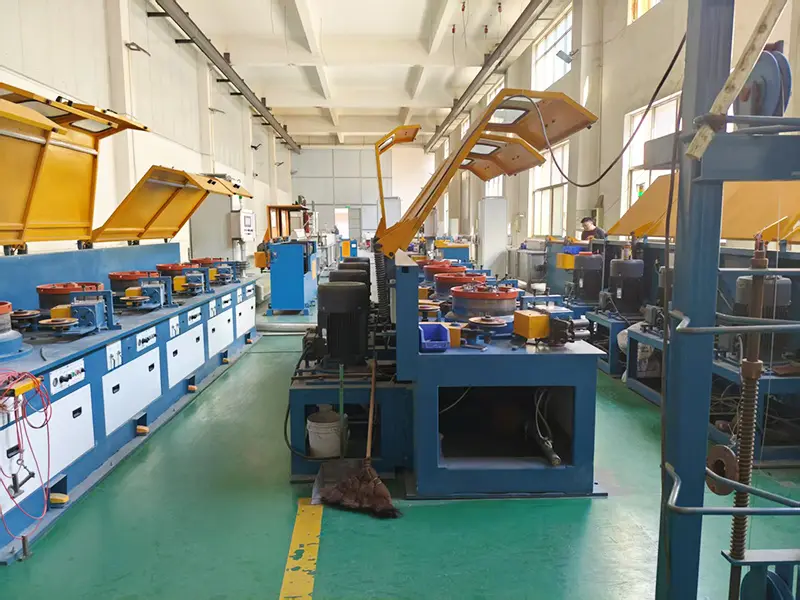
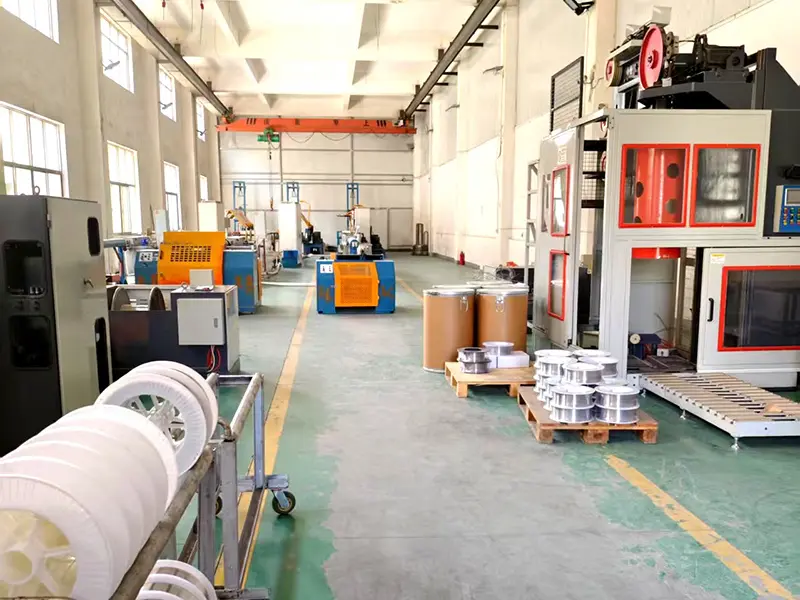
Operating from our state-of-the-art 15,000-square-meter production facility, we maintain complete vertical integration over our wire processing. From rod selection to advanced multi-pass drawing, heat treatment, chemical cleaning, copper plating, and spool winding, every stage is monitored. This commitment enables us to maintain an annual capacity of 3,000 tons, exporting globally across five continents.
Our formulations undergo strict testing from our quality assurance lab, with diameter control tolerances that are 30% tighter than standard industry baselines.
How digitalization, automated welding, and green manufacturing parameters shape the next generation of wire consumables.
Traditional MIG carbon wires utilize copper coating to prevent corrosion and improve electrical contact. However, copper-free solid wires are growing in popularity to eliminate toxic copper fumes from enclosed factory workshops, improving environment health safety (EHS) metrics.
As high-duty cycle robotic welding cells expand globally, demand is shifting from standard 15kg spools toward large 250kg and 350kg payoff drums. This setup minimizes line intervention, lowers wear on feed rolls, and delivers uninterrupted arc time.
Modern structural construction requires steels capable of surviving extreme environments. Micro-alloyed flux-cored wires, enhanced with micro-additions of Titanium and Boron, improve weld metal toughness even down to -40°C.
A look inside our 15,000㎡ manufacturing facilities, raw material storage, and quality control departments.
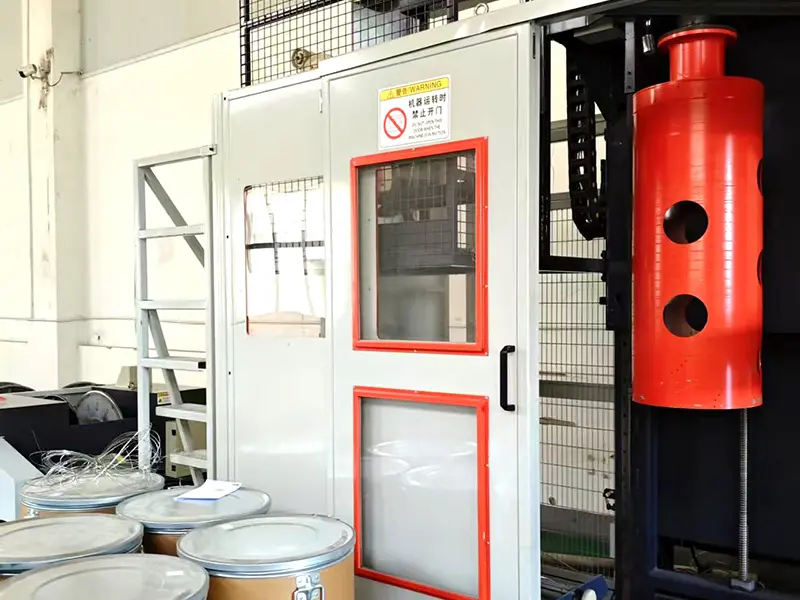
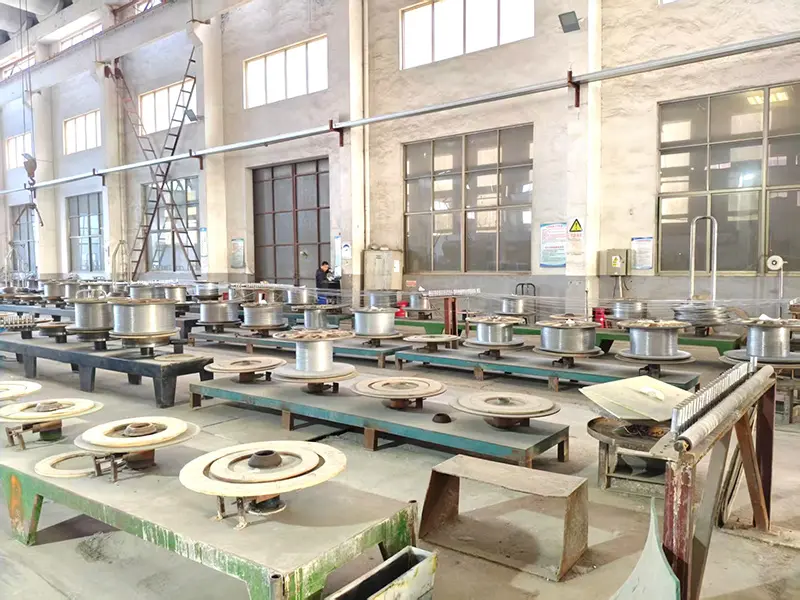
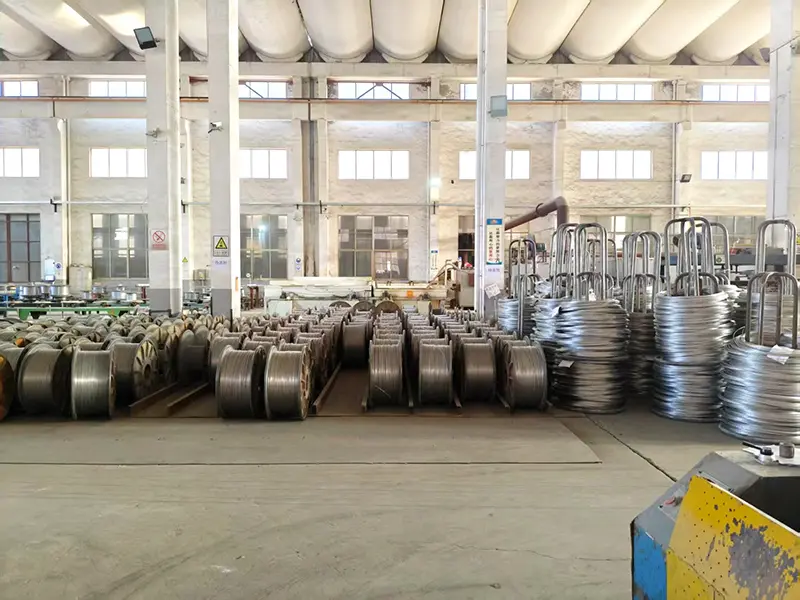
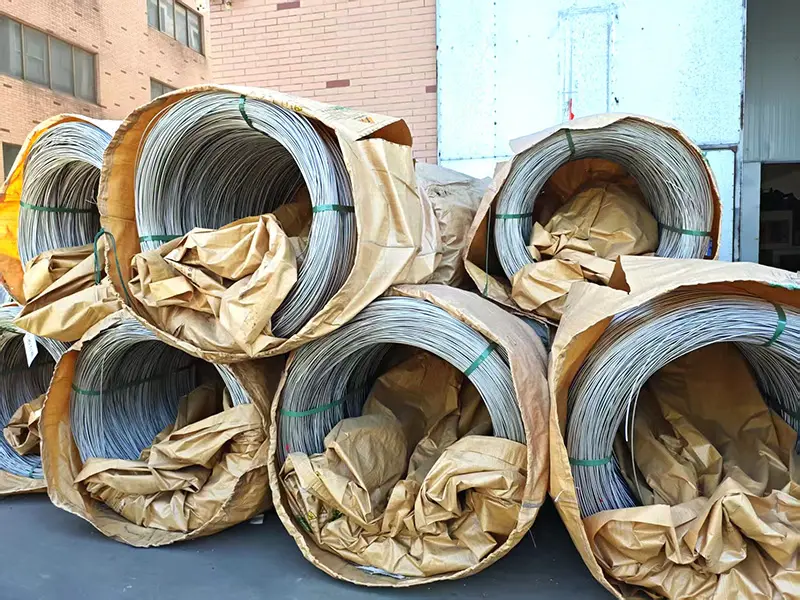
Real-world industrial application configurations for major welding categories.
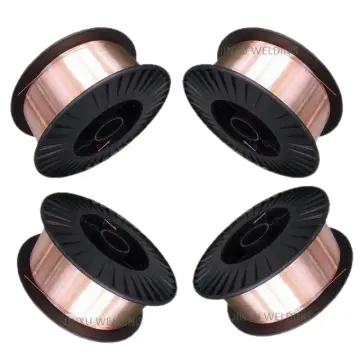
Excellent copper layer conductivity, stable arc performance, minimal spatter during carbon dioxide/mixed gas shielding operations. Optimized for structural manufacturing.
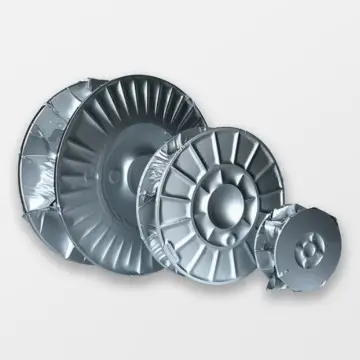
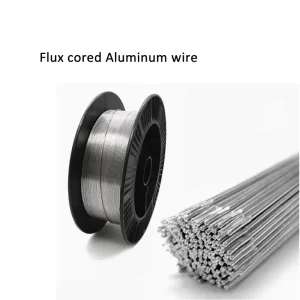
Formulated with an internal flux core to stabilize arc mechanics, generate fast-freezing slag for out-of-position vertical up welds. High deposition rates.
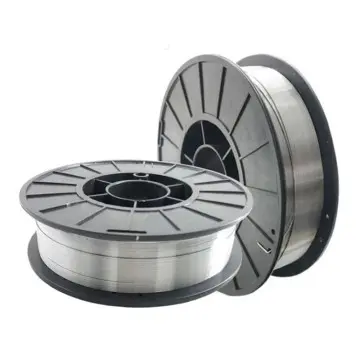
Maintains microstructural austenite ratios to prevent cracking under high heat stresses. Exceptional pitting resistance in aggressive industrial fluids.
Answers to essential technical and commercial questions from international engineering procurement managers.
ER70S-6 is a carbon steel solid wire formulated with high levels of Manganese and Silicon, delivering a minimum tensile strength of 70,000 psi (480 MPa). ER80S-D2 is a low-alloy wire containing Molybdenum, designed to increase tensile strength up to 80,000 psi (550 MPa) and improve creep resistance under high-temperature configurations, making it suited for heavy pipelines and boilers.
To prevent rust during maritime logistics, quality manufacturers implement multi-layer protective packaging: placing spools inside heat-sealed polyethylene bags with silica gel desiccants, followed by rigid corrugated boxes, and wrapping pallets in heavy-duty stretch film. For high-humidity export environments, vacuum-sealed aluminum-foil packaging is recommended.
Standard grade stainless steels can experience carbon precipitation at grain boundaries when heated (between 450°C and 850°C), making the heat-affected zone vulnerable to intergranular corrosion. L-grade wires limit carbon content to below 0.03%, preventing chromium carbide formation and maintaining corrosion resistance across the welded joint.
ER70S-6 solid MIG wires generally require either 100% CO2 or an Argon/CO2 mix (75/25 or 80/20) to stabilize the arc. Gas-shielded flux-cored wires (like E71T-1C) typically utilize 100% CO2 to protect the flux reactions. Self-shielding flux-cored wires (E71T-GS) do not require external gas cylinders, making them well-suited for outdoor, windy construction settings.
We source our raw steel wire rods from verified domestic steel mills, with mill certificates for every heat number. When materials arrive at our Rizhao facility, our testing lab performs optical emission spectrometry (OES) analyses. This verification step confirms element contents (such as Carbon, Silicon, Manganese, Chromium, Nickel, Phosphorus, and Sulfur) are within specification limits before drawing begins.
Discover our comprehensive range of carbon steel, stainless steel, and flux-cored products engineered for heavy-duty welding processes.
 Yuxin
Yuxin