The global welding consumables market is experiencing a profound transition driven by the requirements of heavy transport infrastructure, military engineering, and structural steel reinforcement. Within this shifting paradigm, ER307 welding wire (commonly classified under AWS A5.9 ER307 / ISO 14343-A G 20 10 3 L) stands out as a critical solution for high-stress applications. Specifically engineered with elevated manganese concentrations, ER307 offers an exceptional combination of high elongation, high ductility, and work-hardening capabilities.
Historically, European and North American heavy industries dominated the specification of high-manganese austenitic wires. However, over the past two decades, China’s industrial transformation has reshaped the supply chain. China-based manufacturers now utilize advanced metallurgical techniques, continuous drawing processes, and direct-from-source wire rod supplies to produce ER307. This output meets and exceeds Western military and civilian performance metrics, including ASTM, EN ISO, and ABS certification protocols.
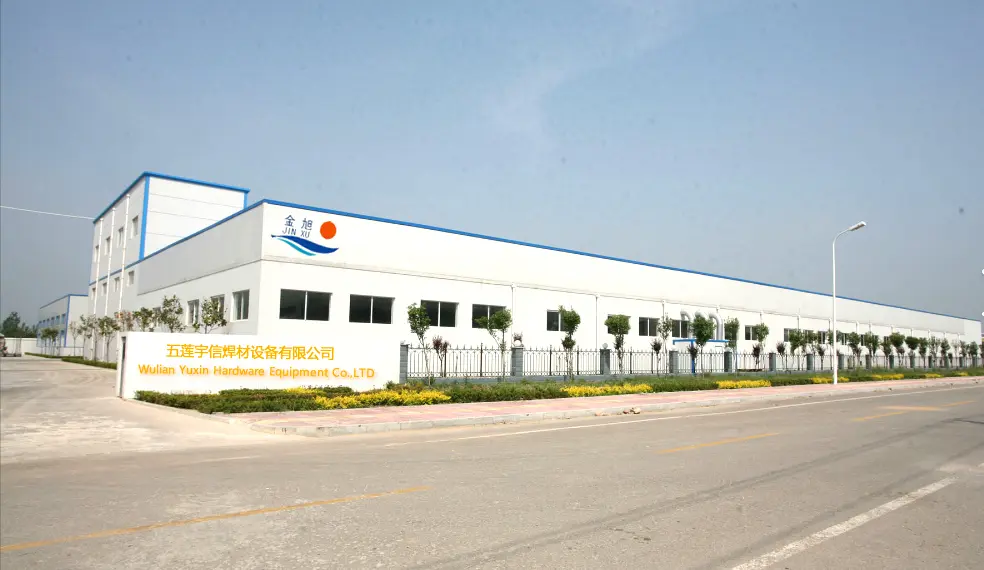
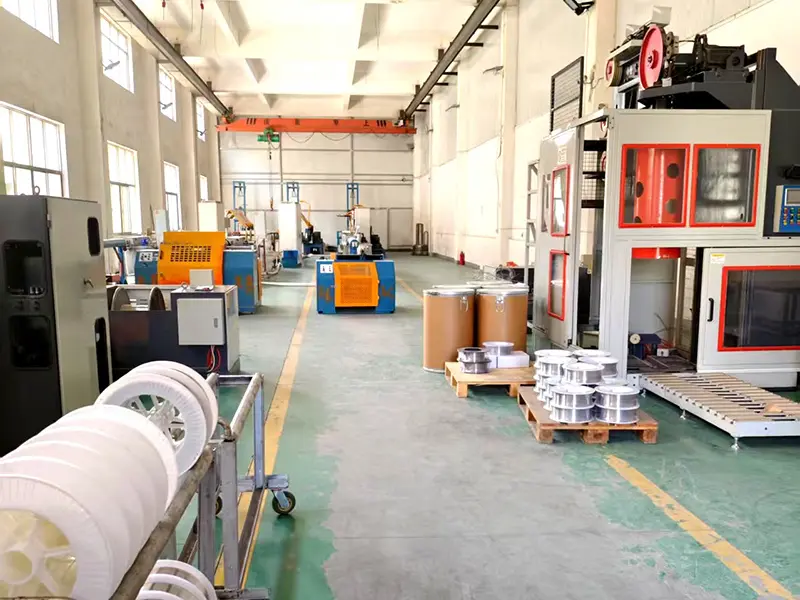
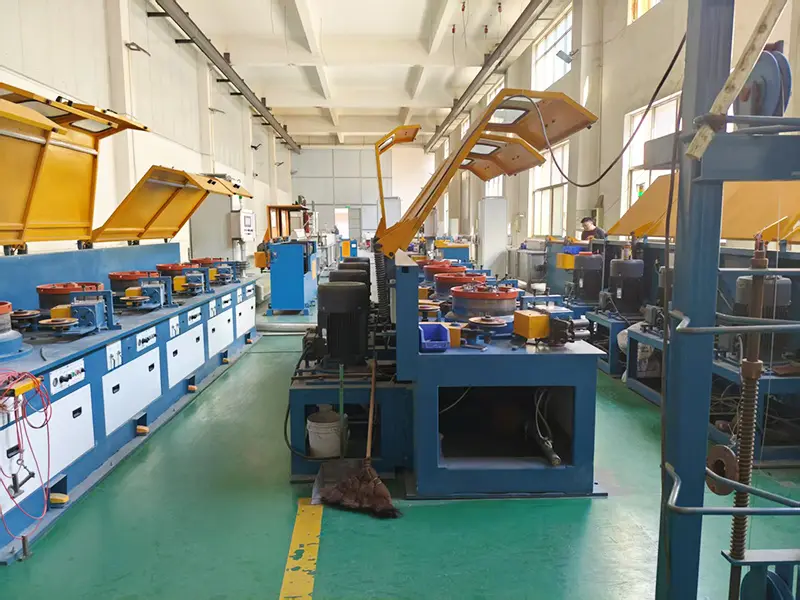
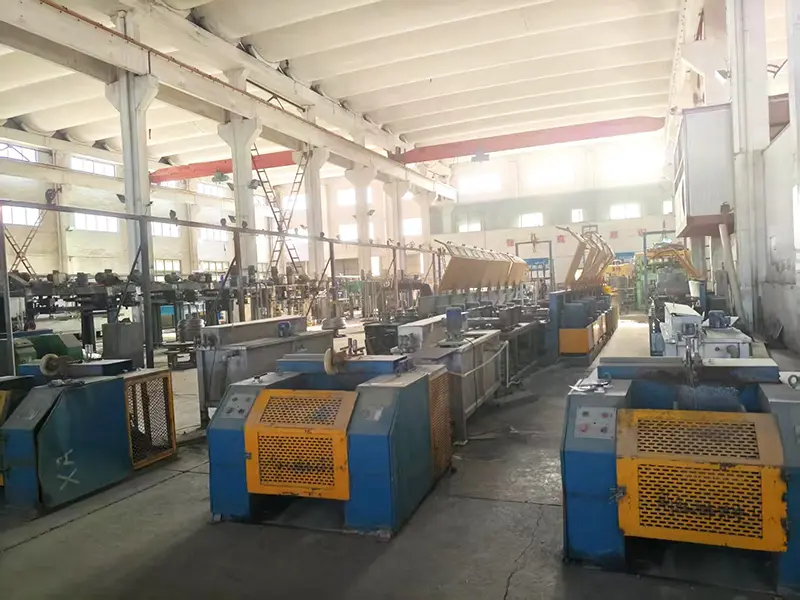
Established in 2004 in Wulian, Rizhao City, Shandong Province, Wulian Yuxin Hardware Equipment Co., Ltd. has evolved from a specialized local manufacturing workshop into a globally recognized producer of premium welding consumables. Spanning a state-of-the-art 15,000-square-meter facility, we integrate chemical research, raw wire refinement, precise layer winding, and testing systems to guarantee high reliability for every spool produced.
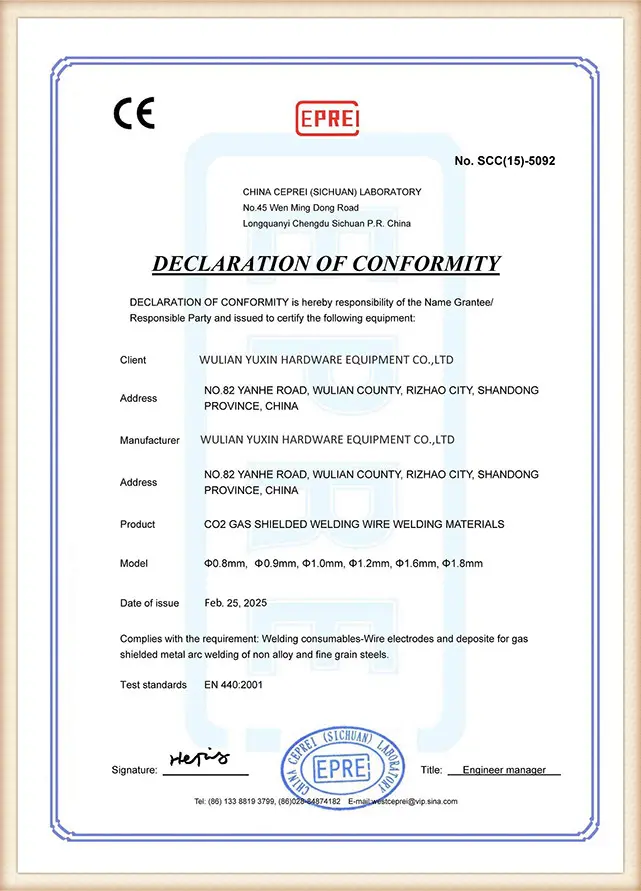
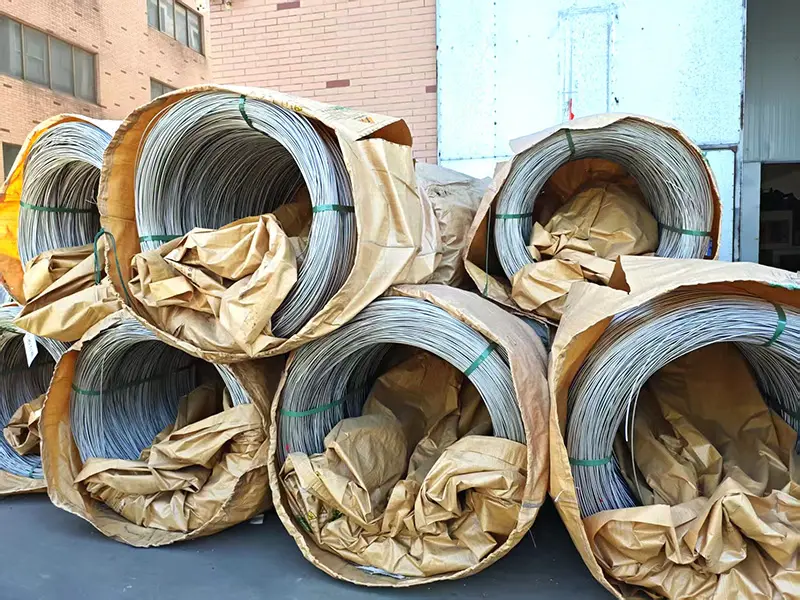
Our infrastructure supports an annual production capacity of over 3,000 tons of solid and flux-cored welding wires. This scale allows us to serve distributors, construction firms, and automated fabrication yards across five continents. By maintaining control over the entire production cycle, our tolerances are 30% stricter than standard international norms. We deliver direct-from-factory solutions that eliminate intermediary markups while maintaining ISO9001 and CE compliance.
Annual Production Output
Industrial Manufacturing Plant
The technical superiority of China-manufactured ER307 lies in its optimized chemistry. It is formulated to construct a stable austenitic weld metal containing a controlled amount of delta ferrite (typically 3-10 FN). This minor ferrite volume fraction is critical because it offers solid solubility for harmful impurities like sulfur and phosphorus, preventing their accumulation at grain boundaries that leads to solidification cracking.
| Chemical Element | AWS A5.9 ER307 Standard (%) | Yuxin Premium ER307 Controlled Range (%) | Key Metallurgical Purpose |
|---|---|---|---|
| Carbon (C) | 0.04 - 0.14 | 0.06 - 0.09 | Optimizes tensile strength at elevated operating temperatures. |
| Manganese (Mn) | 3.30 - 4.75 (or up to 7.0 globally) | 5.50 - 6.50 | Combats micro-cracking; promotes work hardening under strain. |
| Silicon (Si) | 0.30 - 0.65 | 0.40 - 0.55 | Controls puddle fluidity, bead shape, and minimizes spatter. |
| Chromium (Cr) | 19.5 - 22.0 | 20.0 - 21.5 | Provides base oxidation and high-temperature corrosion scaling resistance. |
| Nickel (Ni) | 8.0 - 10.7 | 8.5 - 9.5 | Stabilizes the ductile FCC austenite matrix structure. |
When welding high-carbon steel, tool steel, or structural carbon steel to stainless steels, carbon migration can create brittle martensitic zones in the fusion boundary. The high manganese content in ER307 prevents this transition by expanding the gamma (austenite) phase field. This suppresses the martensite start (Ms) temperature, ensuring the joint remains ductile and crack-resistant even without preheating in many cases.
As the international welding industry transitions toward automation, welding consumables must evolve to meet the requirements of robotic installations. At Wulian Yuxin, our technical team works on a roadmap focused on high-speed robotic welding compatibility and green manufacturing.
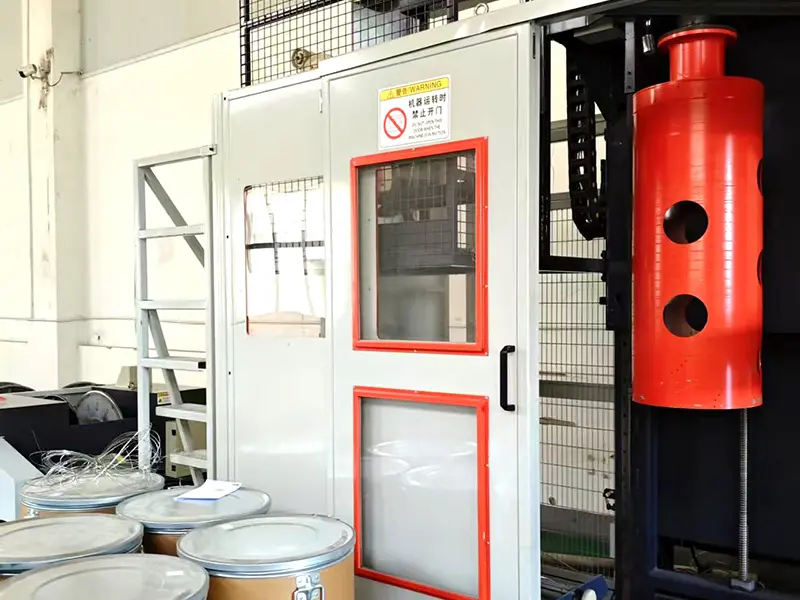
Traditional manually-fed welding wires can tolerate minor deviations in wire cast and helix. Robotic systems, however, demand high precision to target seams consistently. Our wire drawing processes use advanced inline laser sizing to check cast and helix parameters. This guarantees steady arc tracking and prevents burn-backs in multi-hour continuous weld cycles.
Hydrogen-assisted cracking remains a primary risk in heavy machinery manufacturing. Our production lines utilize heat treatment schedules that remove lubricants and draw moisture from wire surfaces. This guarantees low diffusible hydrogen in the deposited metal, eliminating the need for expensive post-weld baking procedures.
By employing vacuum induction melting and electro-slag remelting (ESR) technologies for our wire rods, we maintain tramp element concentrations (like Pb, Sn, As, Sb) near zero. This ensures excellent fracture toughness at low temperatures, making it suitable for arctic engineering projects.
With its robust chemical configuration, ER307 serves as a key welding consumable in major heavy-duty sectors:
High-manganese steel crossings (Hadfield steels) undergo massive impact loads from train axles. Joint maintenance requires a deposit that work-hardens dynamically from 200 HB up to 500 HB under mechanical impact. ER307 is the industry standard for depositing buffer layers and rebuilding worn-out frogs.
Military armored vehicles utilize high-hardness steels (hardened martensite) to maximize ballistic performance. These materials are susceptible to hydrogen-induced underbead cracking when joined. ER307 provides an austenitic buffer zone that accommodates thermal stresses, keeping critical defenses secure.
Automotive exhaust manifolds and muffler assemblies experience constant thermal fatigue and exposure to hot combustion gasses. ER307’s high alloy content prevents corrosion and oxide scaling at high operating temperatures, ensuring long component service life.
Heavy fabrication plants often face defect challenges due to base metal contamination or improper heat input. Here are solutions recommended by our R&D team:
| Problem / Defect | Primary Root Cause | How ER307 Overcomes It | Best Operating Practice |
|---|---|---|---|
| Heat-Affected Zone (HAZ) Cracking | High heat input on high-carbon base metals causing coarse grain growth and embrittlement. | Low-dilution metallurgy and lower thermal expansion coefficient reduce cooling stresses. | Maintain interpass temperature below 150°C and use stringer bead techniques. |
| Hydrogen Embrittlement | Moisture pickup from flux coatings or contaminated solid wire surfaces. | The highly clean drawing process keeps wire surfaces dry and free of organic residues. | Store spools in controlled environments; use clean Ar+CO2 gas mixtures (98/2 or 80/20). |
| Interfacial Cracking on Dissimilar Joints | Carbon migration from mild steel forming a brittle zone at the fusion line. | Manganese elements bind alloy constituents, maintaining a ductile, crack-free zone. | Use buttering layers on the mild steel side before executing the main joint run. |
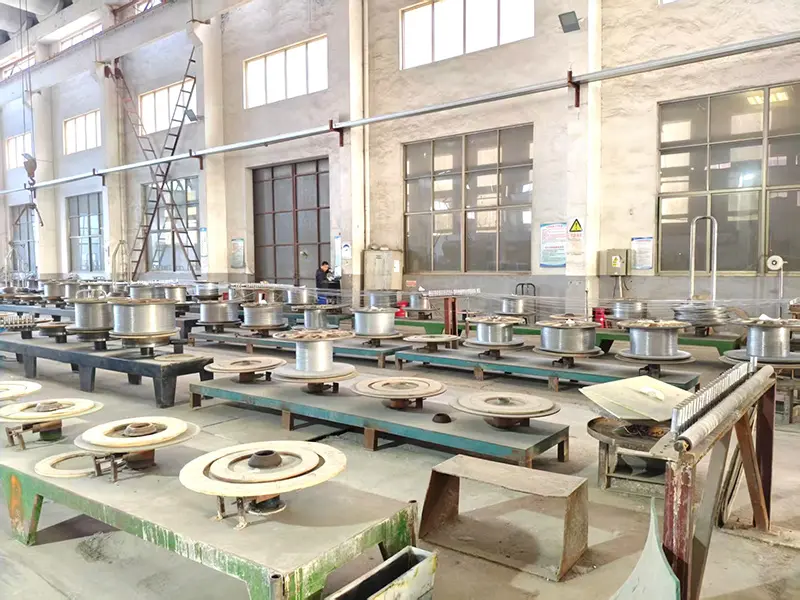
Wulian Yuxin operates under strict Quality Management Protocols. Our facility in Rizhao City utilizes drawing machinery, inline detection systems, and dedicated chemistry laboratories to ensure every batch aligns with AWS and EN standards.
Explore our main product lines and application cases, proving our capability as a trusted supplier of industrial consumables.
Understand the specifications, storage methods, and application profiles of China-made ER307 welding wire to optimize your supply chains.
ER307 deposits typically exhibit a yield strength of ≥ 400 MPa, a tensile strength ranging between 580 to 750 MPa, and a high elongation factor of ≥ 35%. This high elongation is critical because it allows the welded joints to deform plastically and work-harden under external loads rather than cracking under stress.
In most dissimilar steel welding applications (such as carbon steel to high-manganese steel), preheating is not recommended or should be limited to very low temperatures (below 100°C). This is because heating manganese steels above 250-300°C can precipitate carbides along the grain boundaries, which leads to high brittleness and loss of toughness.
For gas metal arc welding (GMAW/MIG) with ER307, the optimal shielding gas is a mixture of Argon and Carbon Dioxide (typically 98% Ar + 2% CO2 or 80% Ar + 20% CO2). Argon keeps the arc stable and minimizes spatter, while the small percentage of CO2 provides proper weld puddle wetting and prevents oxidation.
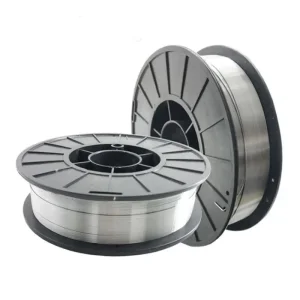
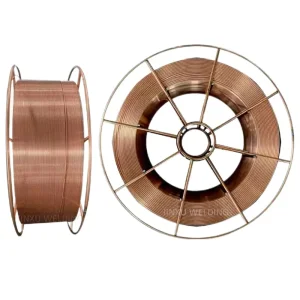
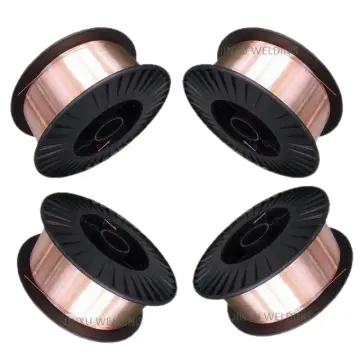
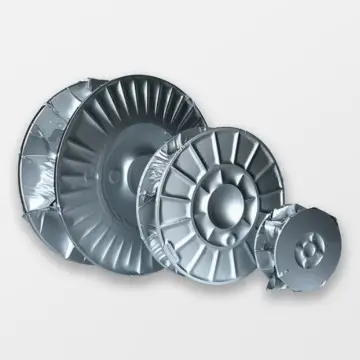
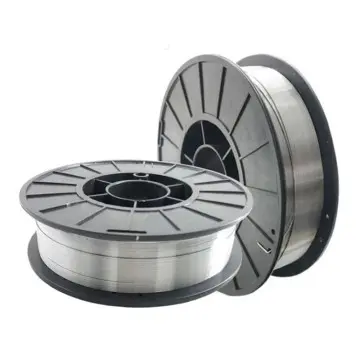
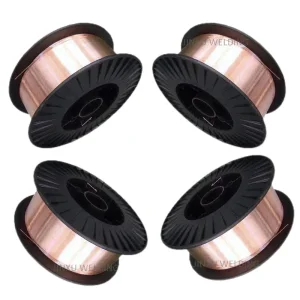
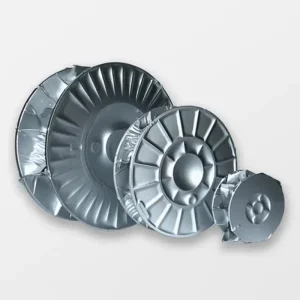
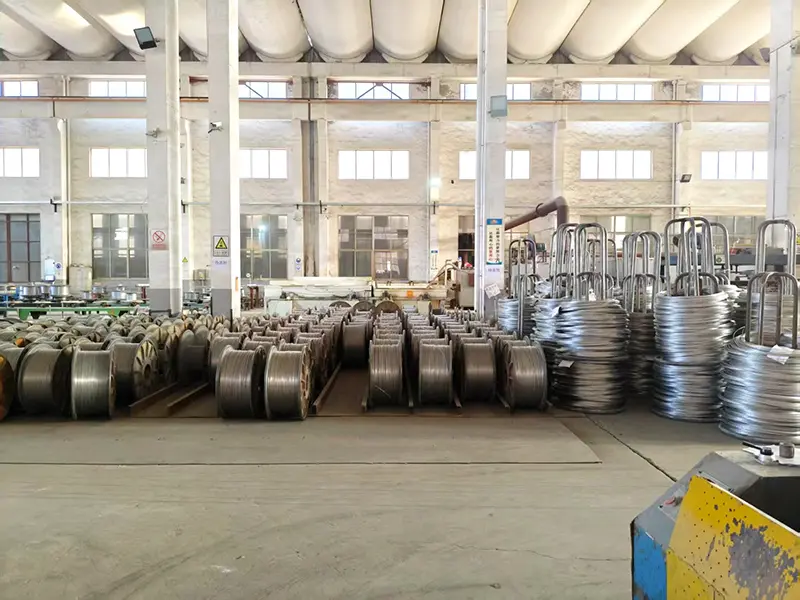
We pack our welding wires to protect them against humidity and physical damage. Standard MIG wires are supplied on precision layer-wound plastic spools (D200, D300) or metal basket spools (BS300), wrapped in plastic film, and boxed in corrugated cartons. Bulk orders are loaded onto fumigated wooden pallets and bound with heavy-duty tension strapping for ocean transit.
 Yuxin
Yuxin