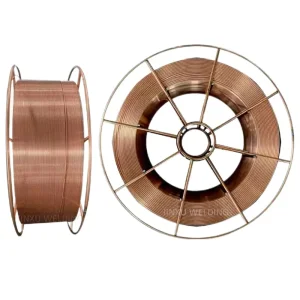
Direct from Wulian Yuxin Hardware Equipment Co., Ltd. — Certified Quality & Global Shipping
Pioneering Excellence in Welding Solutions Since 2004
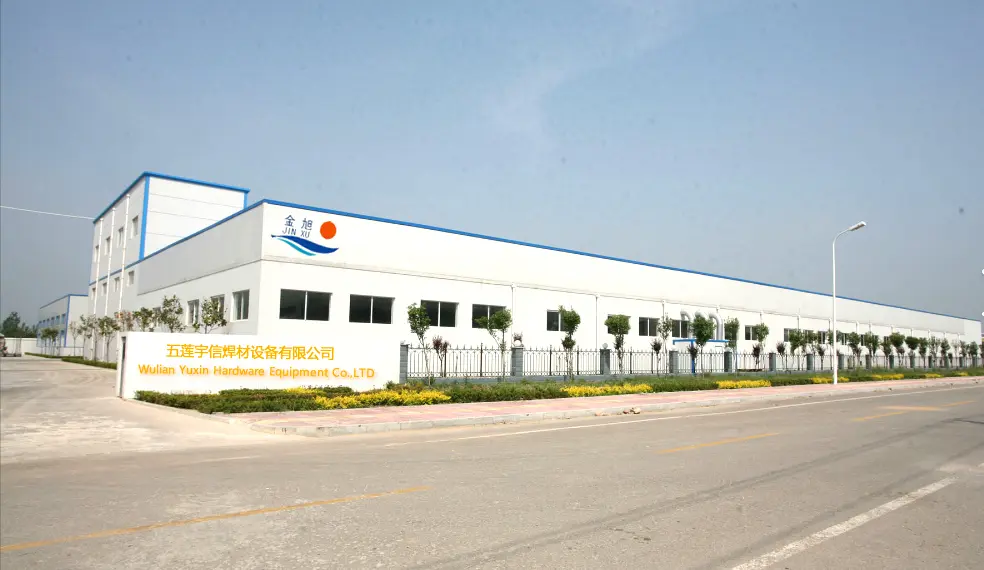
Established in the industrial hub of Wulian, Rizhao City, Shandong Province, Wulian Yuxin Hardware Equipment Co., Ltd. has evolved from a premier regional supplier into a globally respected manufacturer of high-quality welding consumables. Our 15,000-square-meter facility features automated production systems, allowing us to maintain exact tolerances and superior consistency across every batch.
By controlling all aspects of the manufacturing cycle, from wire-rod selection to drawing, chemical coating, precision spooling, and packaging, we guarantee our customers reliable products that meet international standards (ISO9001 and CE). Today, our yearly output exceeds 3,000 tons, supplying clients across five continents in construction, automotive assembly, pipeline laying, and shipbuilding industries.
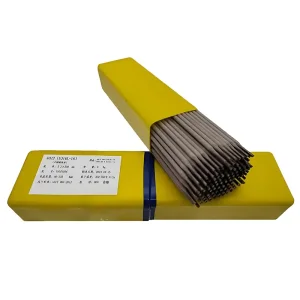
ER70S filler rods and solid wires represent the backbone of modern structural fabrication. Under the American Welding Society (AWS) designation systems, ER70S-6 stands out as the most widely used carbon steel filler metal, utilized heavily in Gas Metal Arc Welding (GMAW/MIG) and Gas Tungsten Arc Welding (GTAW/TIG). The classification translates to a minimum tensile strength of 70,000 psi (indicated by "70"), a solid wire structure (indicated by "S"), and specific chemical composition variations (indicated by the numerical suffix such as "-6").
The primary metallurgical distinction of ER70S-6 compared to options like ER70S-3 lies in its increased levels of Silicon (Si) and Manganese (Mn). These two elements act as highly efficient deoxidizers. During high-temperature arc melting, atmospheric oxygen or residual surface oxides on the base metal can cause weld porosity. Manganese (typically 1.40% to 1.85% in ER70S-6) and Silicon (typically 0.80% to 1.15%) react with these free oxides to form a harmless slag crust, keeping the molten weld pool clean and free of bubbles. This composition makes ER70S-6 exceptionally forgiving when welding over light rust, mill scale, or residual surface oils, ensuring a dense, crack-resistant joint without requiring excessive pre-weld surface grinding.
To achieve the mechanical characteristics defined by international standards, the shielding gas selection is critical. When welding with ER70S-6, operators generally utilize 100% Carbon Dioxide ($CO_2$) or mixtures of Argon and Carbon Dioxide ($Ar/CO_2$), such as 75% Argon / 25% $CO_2$. Pure $CO_2$ yields deep joint penetration and is cost-effective but produces more spatter and a slightly rougher weld profile. Transitioning to an Argon-rich mixture narrows the arc column, produces a smooth spray transfer, reduces spatter significantly, and generates higher mechanical toughness at lower temperatures. This synergy between gas chemistry and metallurgy is a focal point of Wulian Yuxin’s R&D department, which analyzes weld metal chemistry to optimize wire performance in various gas mixtures.
Strict controls on carbon, manganese, and silicon levels ensure excellent deoxidizing action and minimal weld defects under challenging conditions.
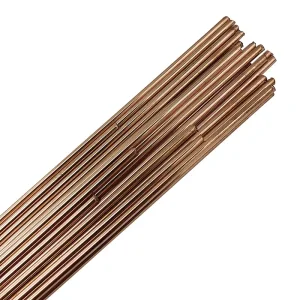
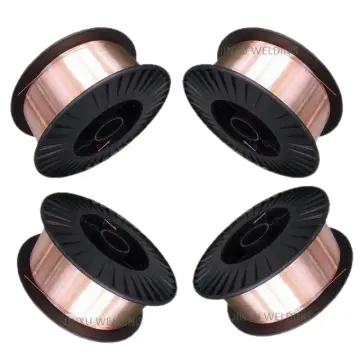
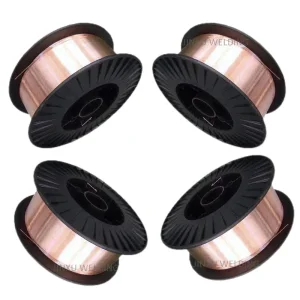
Micro-engineered copper coating layer guarantees stable electrical contact, decreases contact tip wear, and resists atmospheric corrosion.
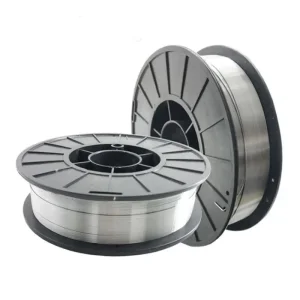
Precision layer spooling and tight dimensional tolerances prevent wire buckling, bird-nesting, and arc instability in automated applications.
China is the world's leading producer and exporter of steel-based welding consumables, primarily due to its advanced supply chain integration. In regions like Shandong Province, where Wulian Yuxin Hardware Equipment Co., Ltd. is located, the industrial cluster model brings together raw steel producers, high-precision chemical suppliers, packaging manufacturers, and deep-water ports like Qingdao and Rizhao. This physical proximity removes extensive logistics overhead, providing a major cost advantage compared to manufacturers located elsewhere.
In addition, modern Chinese factories have shifted away from low-cost manual systems to automated, high-precision operations. The production of ER70S wire requires drawing raw wire rods down to diameters such as 0.8mm, 1.0mm, 1.2mm, or 1.6mm. This is done through multi-stage tungsten carbide and diamond drawing dies. By employing continuous online diameter monitoring systems, Chinese manufacturers ensure that variation in wire thickness remains under 0.02mm. This consistency is essential for high-performance robotic welding systems where any deviation in wire size can cause feeding resistance, contact tip wear, and arc wandering.
Leading Chinese manufacturers do not simply draw wire; they supervise the entire metallurgical chain. Wulian Yuxin conducts direct spectrographic chemical testing of incoming steel rods from premier mills to confirm that trace impurities like sulfur (S) and phosphorus (P) are kept under 0.025%. Elevating these elements increases the risk of hot cracking during the solidification of the weld pool. By control-checking chemistry, maintaining uniform copper deposition, and testing mechanical performance in-house, Chinese factories provide filler rods that match or exceed Western counterparts at a much lower cost.
ER70S filler rods and solid wires are key components in global infrastructure projects. Their high tensile strength, ease of use, and adaptability to automatic systems make them the preferred choice for heavy industry applications.
In the automotive industry, where assembly lines rely on rapid robotic spot and seam welding, filler metal consistency is vital. The clean feeding profile of Wulian Yuxin’s ER70S-6 wire prevents line stoppages caused by wire jamming in welding torches. Its high tolerance for surface contamination allows car manufacturers to weld chassis components, suspension brackets, and exhaust systems efficiently without extensive pre-weld chemical cleaning.
For pressure vessels and oil and gas transmission pipelines, weld integrity is non-negotiable. Welds must pass radiographic and ultrasonic inspection without any trace of porosity, slag inclusion, or sidewall fusion defects. Our ER70S filler rods provide the smooth flow and puddle control required for TIG root pass welding, creating a flat root bead that resists stress concentration points.
Highways, multi-story buildings, and steel bridges are subject to heavy static and dynamic loads. The weld joints must withstand tension, compression, and shear forces under fluctuating outdoor temperatures. ER70S-6 wire, when paired with an Argon/$CO_2$ mix, produces high Charpy V-Notch impact values at temperatures as low as -30°C. This ensures the weld metal remains ductile and crack-resistant under extreme winter conditions.
15,000 Square Meters of Advanced Manufacturing & Strict Quality Control
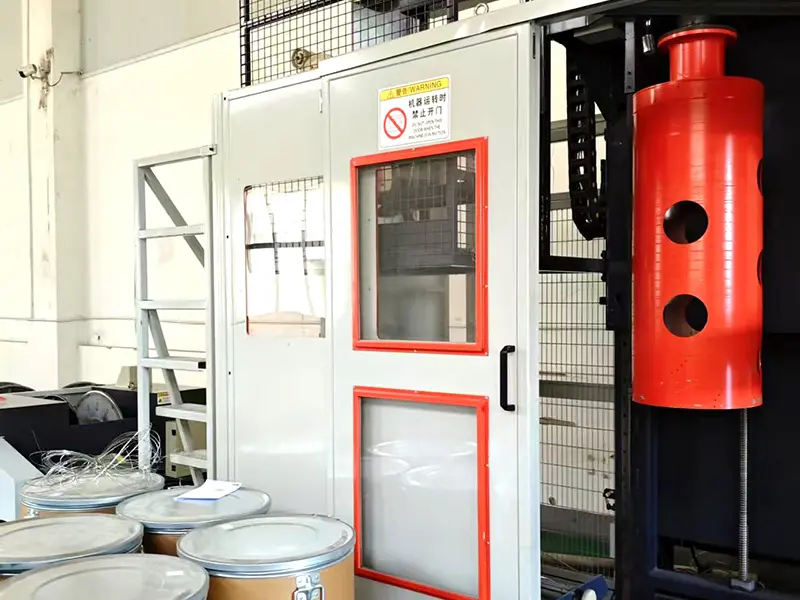
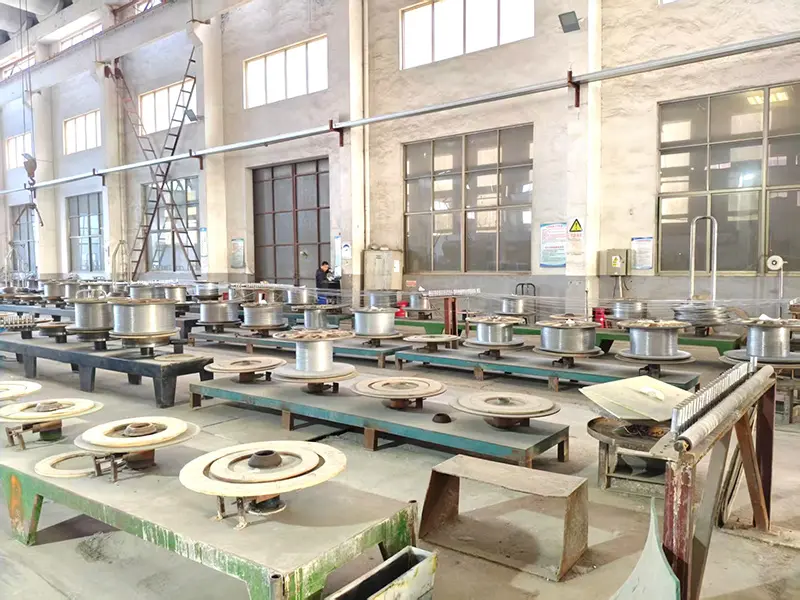
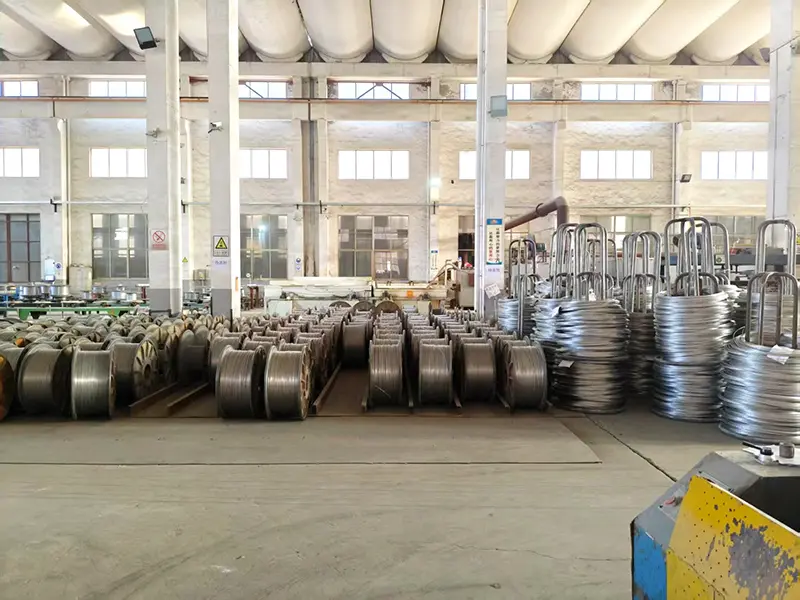
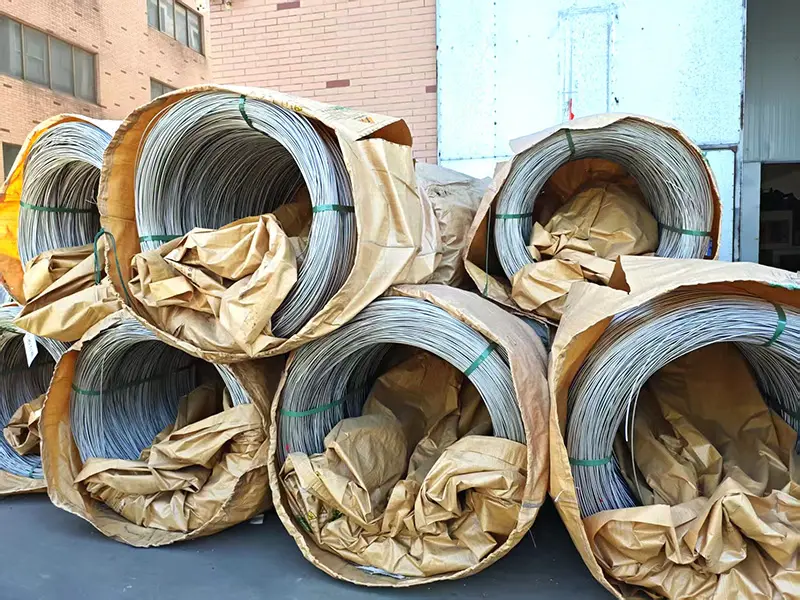
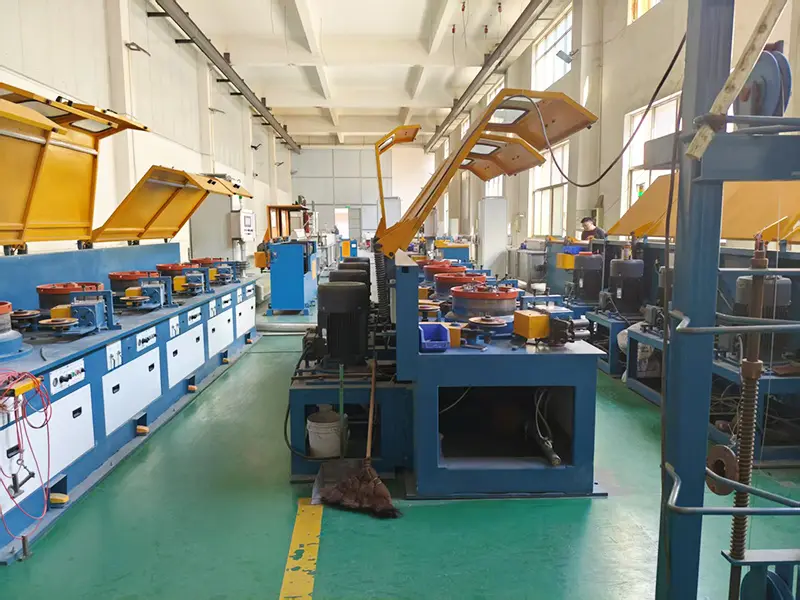
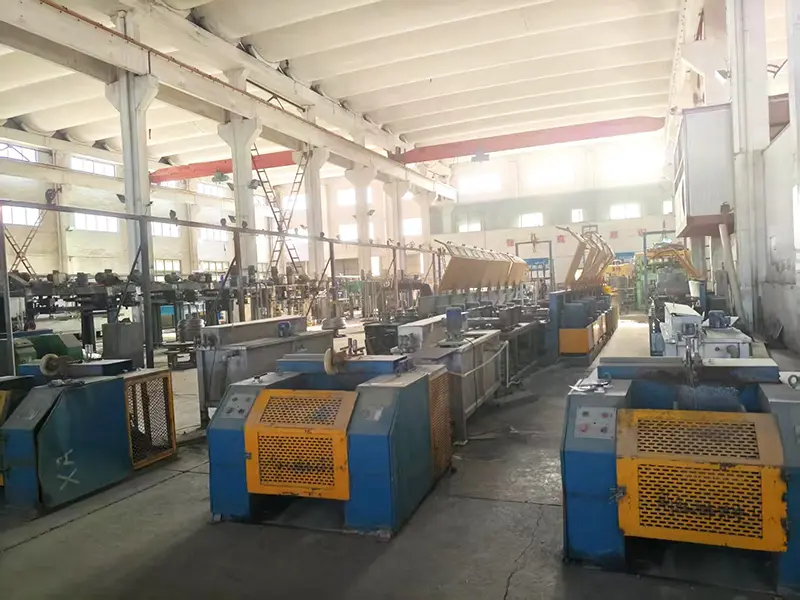
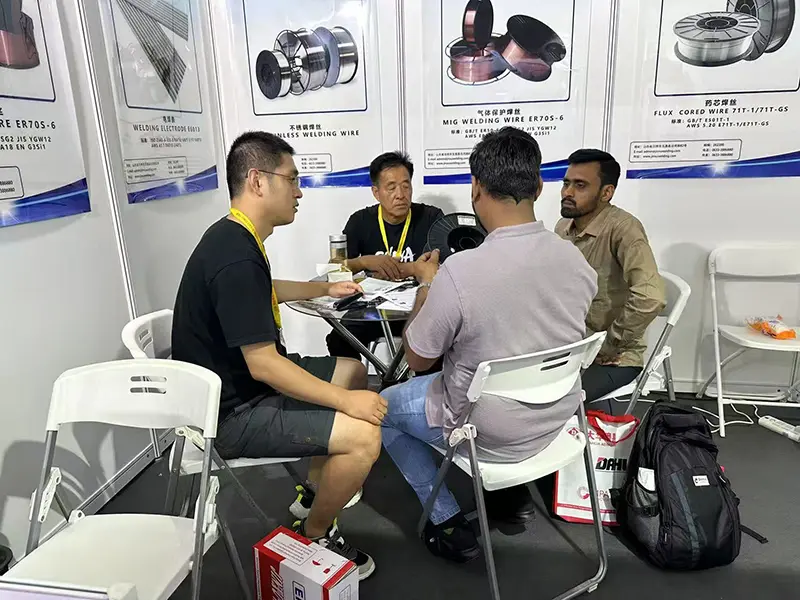
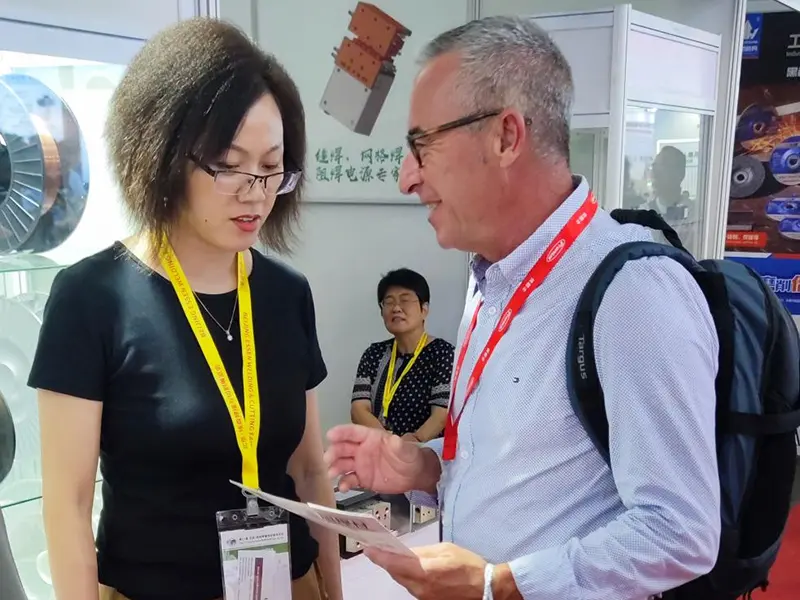
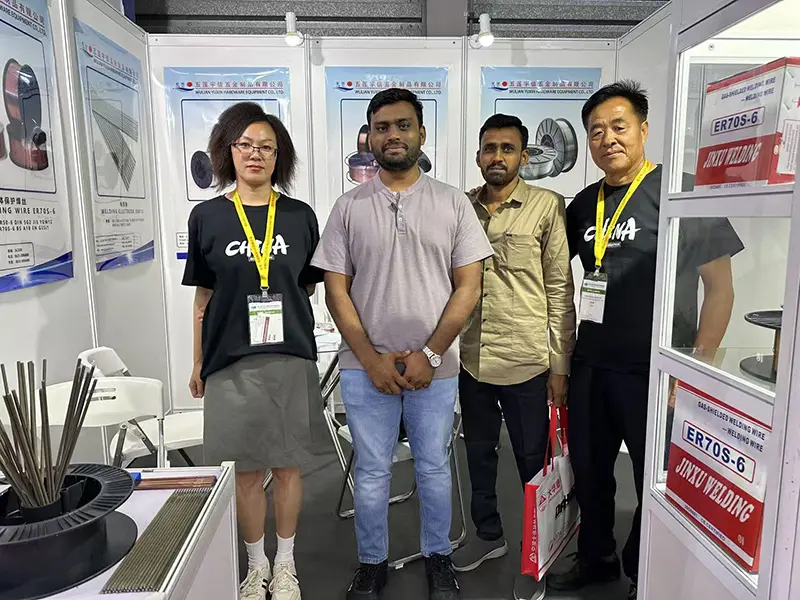
For procurement officers and supply chain managers in heavy engineering, selecting a filler rod supplier is a multi-step verification process. Purchasing decisions must balance mechanical compliance with long-term commercial reliability.
A reputable manufacturer must supply Mill Test Certificates (MTC) conforming to EN 10204 3.1 for every batch. These certificates verify the chemical composition (C, Mn, Si, P, S, Cr, Ni, Mo, V, Cu) and mechanical properties, including tensile strength, yield strength, elongation, and impact energy. Without these documents, welding consumables cannot be used in structural projects regulated by European or American standards.
When purchasing spooled wire for MIG or automated systems, buyers should test the wire's cast and helix. Cast refers to the diameter of a free loop of wire cut from the spool, and helix refers to the vertical height difference at the free ends. If the cast is too small or the helix too high, the wire will bend as it exits the contact tip, causing arc misalignment and uneven weld widths. Wulian Yuxin ensures our wire cast and helix comply with AWS specifications, guaranteeing stable feeding over long distances.
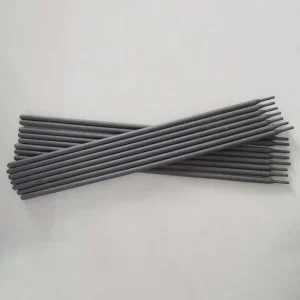
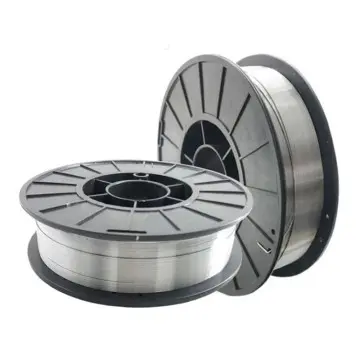
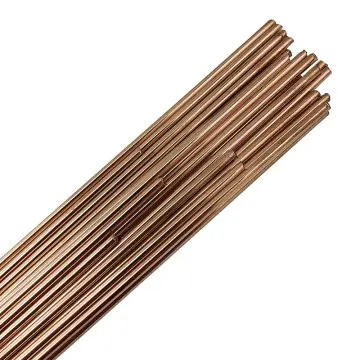
Mild steel welding consumables are susceptible to oxidation. To prevent rust during ocean transit, manufacturers must seal products in moisture-resistant vacuum packaging with desiccant packs. Wulian Yuxin packages TIG rods in sturdy plastic tubes and MIG wires in vacuum-sealed plastic bags before boxing, ensuring the products arrive at international ports in ready-to-use condition.
The global fabrication industry is moving quickly toward automated systems and environmentally sustainable practices. These trends are changing the design and production of welding consumables.
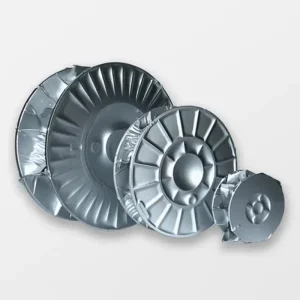
With ongoing skilled labor shortages, structural fabricators are increasingly turning to robotic welding cells. These robots require wire that can feed smoothly for hours without operator adjustment. This has led to the adoption of bulk pack options, such as 250kg and 350kg drums. These large drums reduce spool-change downtime and feature specialized anti-twist wire winding to prevent kinks, maintaining high arc stability on automated lines.
Copper coating on carbon steel wires has historically been used to improve electrical contact and prevent rust. However, during welding, the copper coating vaporizes, releasing copper oxide fumes that present health risks to operators in confined spaces. This has driven the development of copper-free solid wires. These wires use proprietary non-metallic coatings that offer excellent corrosion resistance and electrical conductivity without the associated health and environmental hazards. Wulian Yuxin is investing in these green technologies to help global partners meet strict occupational safety regulations.
Real-world projects showcasing the reliability of our premium filler rods and wires
Technical Answers from Our Metallurgy & Engineering Experts
The primary difference lies in the deoxidizing chemistry. ER70S-6 contains higher levels of Manganese (1.40% to 1.85%) and Silicon (0.80% to 1.15%) compared to ER70S-3, which typically contains 0.90% to 1.40% Mn and 0.45% to 0.75% Si. The higher deoxidizer content of ER70S-6 makes it more effective at preventing weld porosity when welding over rust, mill scale, or dirty parent metals, and it produces a slightly higher tensile strength under identical shielding gas mixtures.
A thin copper coating (typically less than 0.05% copper by weight) serves three main purposes: it prevents atmospheric rust during transit and storage, improves electrical contact at the torch tip for arc stability, and reduces friction inside the conduit liner to ensure smooth feeding.
For TIG welding, pure Argon (100% Ar) is the standard to protect the tungsten electrode and ensure a clean arc. For MIG welding, a mix of 75% Argon and 25% $CO_2$ is commonly preferred because it balances deep penetration with low spatter. If welding thicker steel where cost reduction is a priority, pure $CO_2$ can be used, though it generates more spatter.
To avoid moisture absorption and surface oxidation, store welding consumables in a dry, temperature-controlled environment with relative humidity kept under 60%. Once opened, spools and rods should be kept in protective cabinets or resealable containers. This prevents hydrogen from collecting on the wire surface, which can cause hydrogen-induced cracking in critical welds.
Yes. We support custom wire diameters, chemistry configurations, spooled weights (e.g., 1kg, 5kg, 15kg spools, or 250kg bulk drums), and private labeling to meet specific commercial and technical requirements.
Industrial Solutions Engineered for Superior Strength and Efficiency
 Yuxin
Yuxin