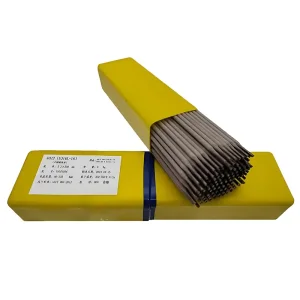
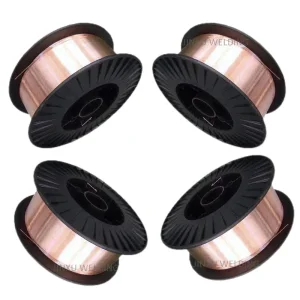
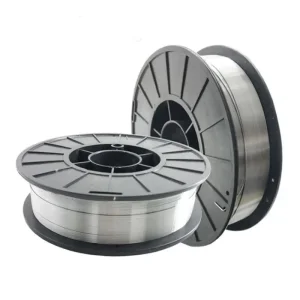
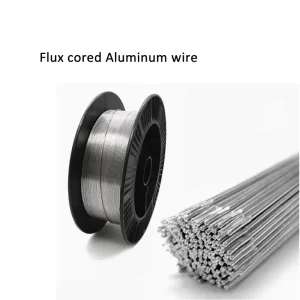
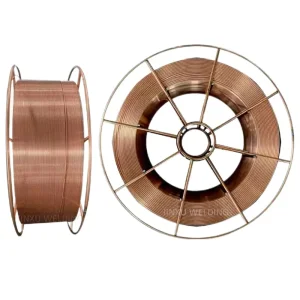
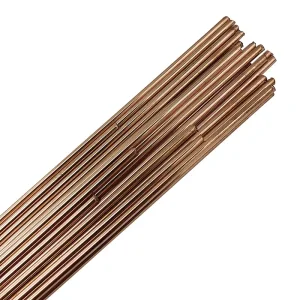
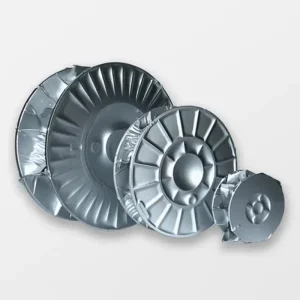
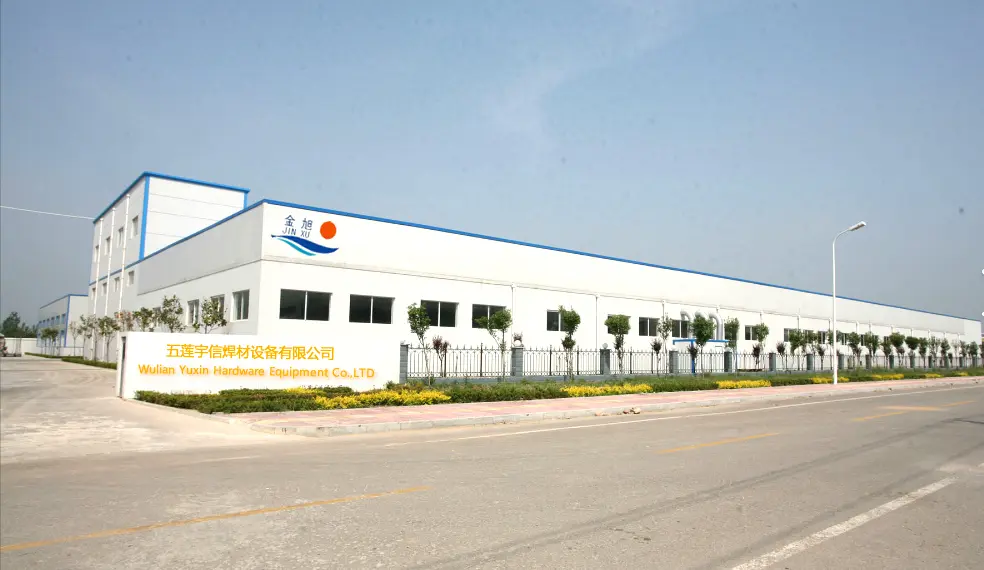
Established in Wulian, Rizhao City, Shandong Province in 2004, Wulian Yuxin Hardware Equipment Co., Ltd. has developed over nearly two decades into a globally dominant manufacturer of top-tier welding consumables. Driven by a dedicated commitment to material science and metallurgical engineering, our production footprint spans a state-of-the-art 15,000-square-meter facility.
We exercise comprehensive end-to-end process control. From the screening of premium wire rods to precise composition configurations in our flux-cored formulations, our production line is calibrated to meet strict international standards. Holding both ISO9001 and CE certifications, we maintain internal tolerances that are 30% stricter than standard industry requirements, ensuring every spool of wire operates consistently in demanding real-world conditions.
Our ongoing investment in automated manufacturing systems has allowed us to increase production capacities and serve high-volume industrial clients across five continents. By offering high-integrity welding consumables, we support heavy manufacturing, structural steel fabrication, automotive repairs, and marine infrastructure globally.
Gasless MIG welding, formally classified as Self-Shielded Flux-Cored Arc Welding (FCAW-S), has transitioned from a specialty outdoor repair option into a mainstream industrial joining method. Unlike traditional gas-metal arc welding (GMAW), which relies on external shielding gas cylinders (such as CO₂ or Argon/CO₂ mixtures) to protect the weld puddle from atmospheric contamination, gasless MIG wires rely on a core of specialized chemical compounds. Under the heat of the welding arc, this core decomposes to produce protective gases and a fast-freezing slag layer, shielding the molten metal.
In global markets, the demand for high-deposition, highly portable welding methods has driven significant volume growth. Key growth drivers include:
Traditional shielding gas is susceptible to breeze, as air movement above 5 mph can displace the gas, leading to porosity and micro-cracking. Gasless MIG wire maintains arc shielding integrity in outdoor and high-altitude winds, making it the preferred standard for bridges, agricultural structures, and open-air industrial plants.
By eliminating high-pressure gas bottles, regulators, and solenoid valves, operations can simplify logistics. This reduction in system weight supports mobile maintenance fleets, field-service technicians, and construction crews working in hard-to-access locations.
Gasless flux-cored wire formulations include built-in deoxidizers (primarily Aluminum and Magnesium). These compounds react with impurities on dirty or rusted surfaces, allowing high-integrity joints to be made with minimal surface preparation.
Understanding the metallurgical design of gasless MIG wire is critical for selecting the correct consumable for industrial applications. Wulian Yuxin manufactures self-shielded flux-cored wires under strict alignment with AWS (American Welding Society) A5.20 specifications, focusing primarily on the E71T-GS and E71T-11 classifications.
| AWS Classification | Typical Shielding Mode | Polarity | Pass Limitations | Key Application Focus |
|---|---|---|---|---|
| E71T-GS | Self-Shielded (Gasless) | DCEN (Direct Current Electrode Negative) | Single Pass Only | Thin gauge sheet metal, galvanized steel, lap & fillet welds. |
| E71T-11 | Self-Shielded (Gasless) | DCEN (Direct Current Electrode Negative) | Multiple Pass Capable | Structural fabrication, machinery components, general repair on carbon steels. |
| ER70S-6 (Solid reference) | External Shielding Gas (CO2 / Argon mix) | DCEP (Direct Current Electrode Positive) | Multiple Pass Capable | Indoor automated production, thick plates with clean surfaces. |
Self-shielded wires are complex chemical delivery systems. The steel sheath contains a core comprised of minerals, metal powders, and deoxidizers:
Located in Shandong, our 15,000-square-meter facility utilizes advanced, automated drawing and spooling systems. We trace every batch from raw rod feedstock to the final vacuum-packed spool.
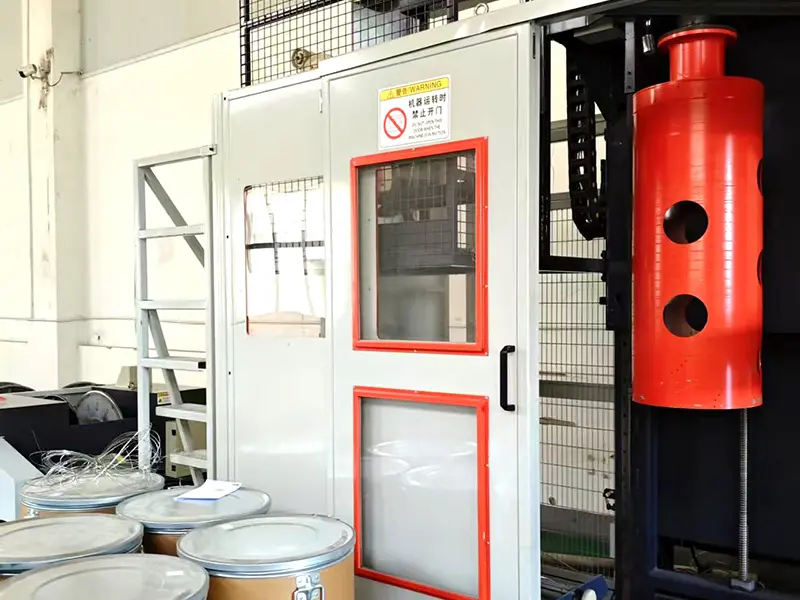
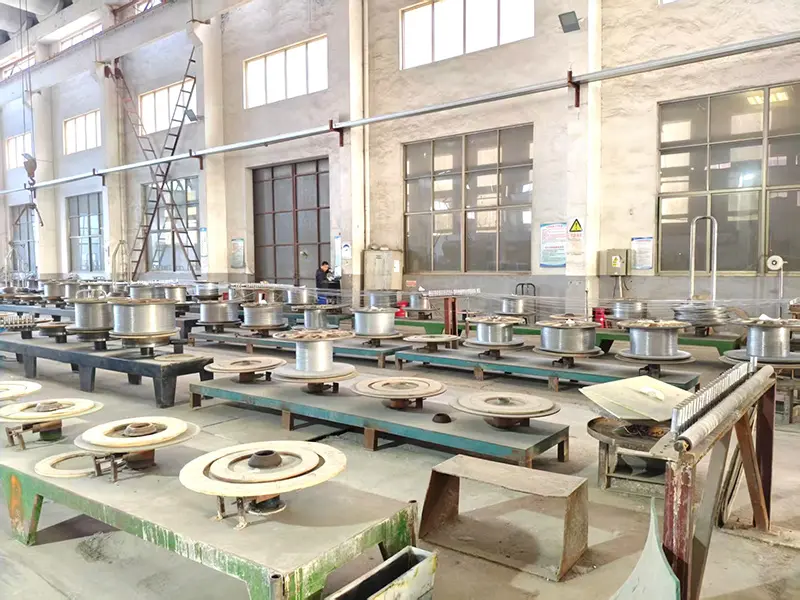
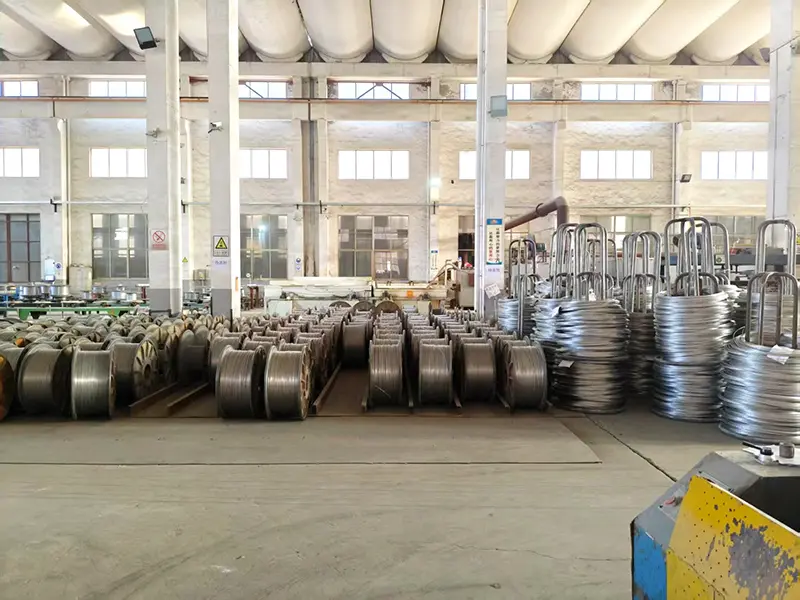
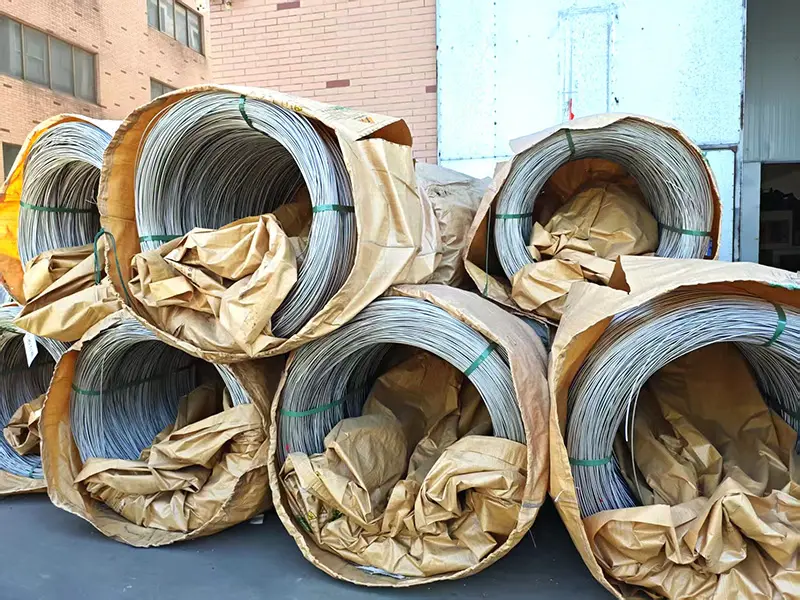
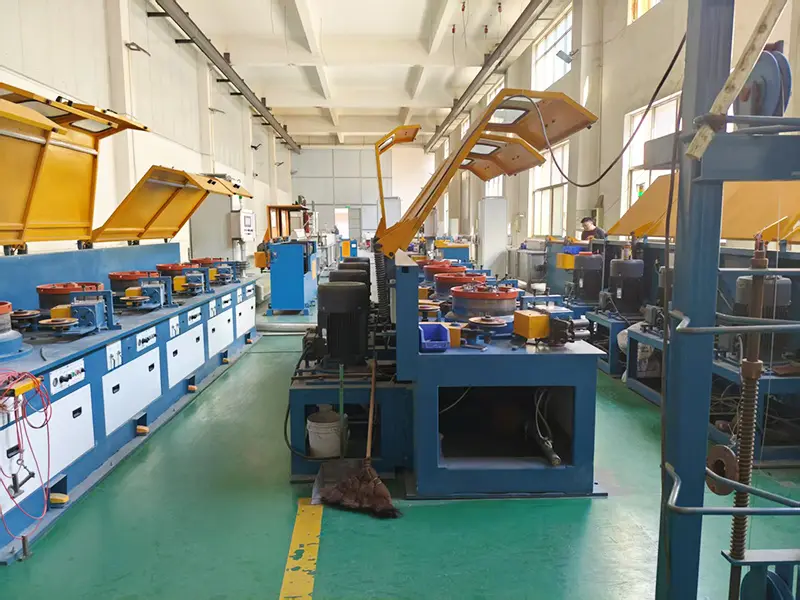
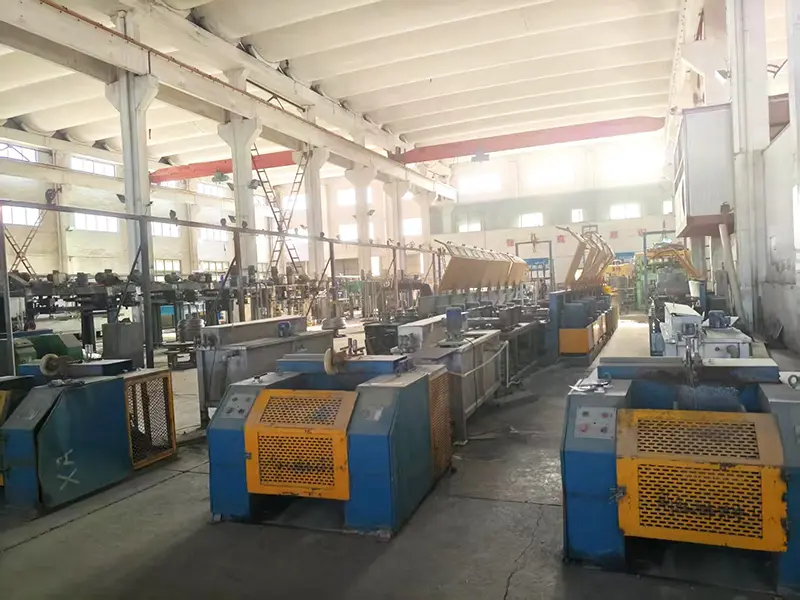
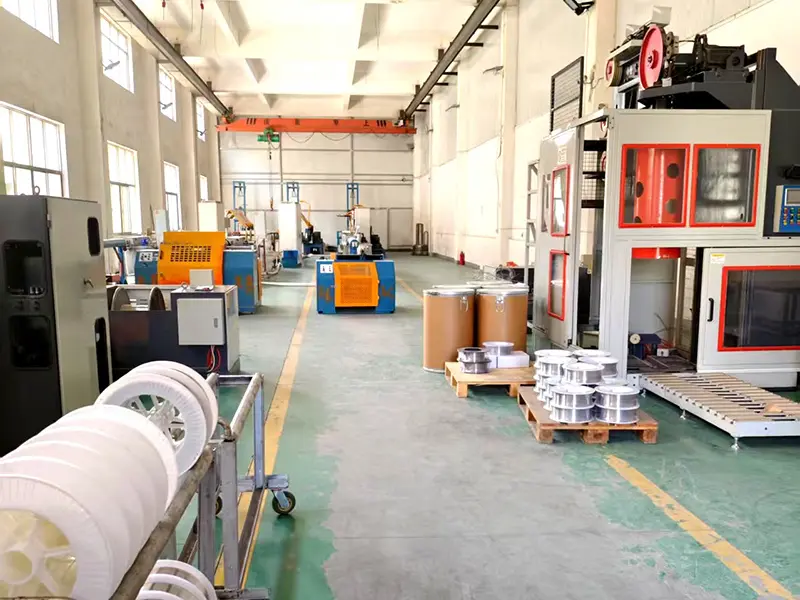
Maintaining low hydrogen levels, accurate outer wire diameters, and consistent flux-fill ratios requires a tightly controlled production sequence:
We source cold-rolled low-carbon steel strip from premium domestic mills. The strip is cleaned and chemically descaled to prevent impurities from entering the drawing stage.
Our formulation is batched and mixed in a moisture-controlled cleanroom. The raw strip is fed into roll-forming mills, forming a U-channel where the flux mixture is deposited at a monitored fill ratio.
The U-channel is closed and drawn through reduction dies. This process compresses the flux inside and reduces the outer diameter of the wire (typically down to 0.8mm, 0.9mm, 1.2mm, or 1.6mm) while refining the grain structure of the steel sheath.
The wire is baked in ovens to remove manufacturing lubricants and residual hydrogen, helping prevent cold cracking in completed welds. It is then finished with a clean, low-friction surface coating to support smooth wire feeding.
Automated winding machines spool the wire into precision layers. Each spool is sealed in vacuum barrier foil with desiccant packets, preventing ambient moisture absorption during transit.
As a global supplier, Wulian Yuxin understands that different industrial applications demand customized product performance. Our gasless MIG wires are engineered for key application fields:
On job sites where wind makes shielding gas impractical, our E71T-11 wire allows workers to weld structural steel shapes, building joints, and roof trusses quickly and reliably.
Farm machinery operating in dusty, field-like conditions requires regular maintenance. Using gasless wire on portable welding rigs allows for repairs directly on tillage equipment, frames, and steel parts without transporting them back to a shop.
For thin-gauge steel sheets, vehicle frames, and exhaust pipes, E71T-GS wire offers high travel speeds and low spatter. The wire's chemistry is balanced to minimize burn-through risks on thin sheets.
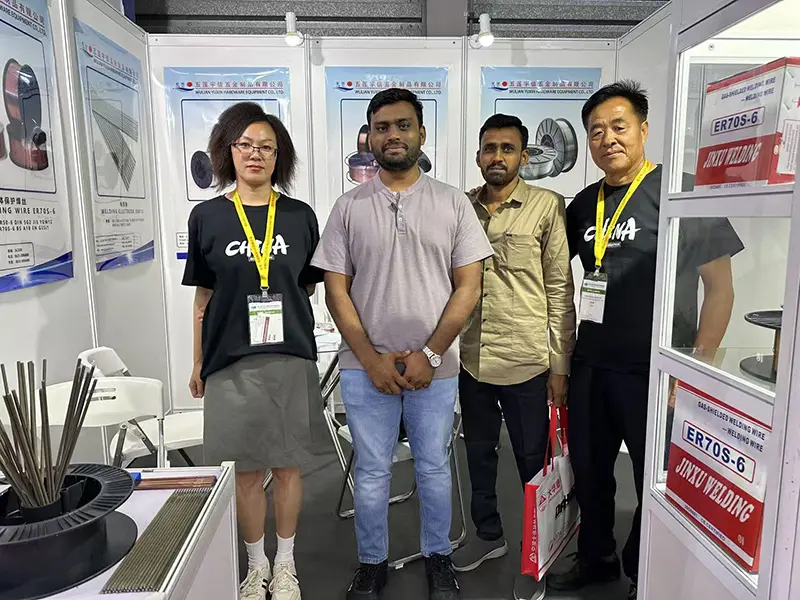
Wulian Yuxin works closely with heavy industrial firms, wholesale distributors, and hardware retail brands across Europe, Southeast Asia, South America, and Africa. Below are typical application cases using our primary product range:
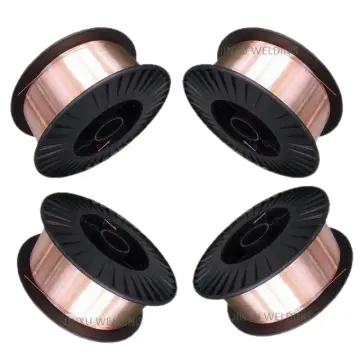
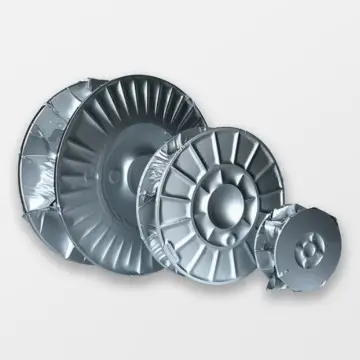
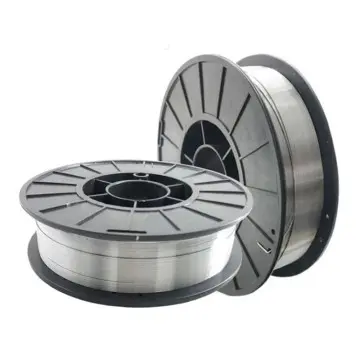
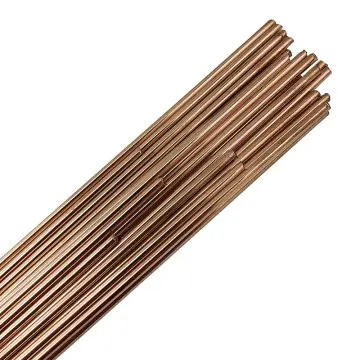
As a leading China gasless MIG wire manufacturer, our R&D engineers address common technical inquiries from procurement managers and engineers:
Most self-shielded flux-cored wires operate on Direct Current Electrode Negative (DCEN), meaning the welding gun is connected to the negative terminal and the ground clamp to the positive. In DCEN, approximately 65-70% of the electrical heat is concentrated at the positive pole (the workpiece). This helps vaporize the flux core elements efficiently and prevents excessive heat build-up in the wire, reducing burn-through on thin sheet metals and improving control of the slag.
"Worm tracks" (surface gas marks or indentations) occur when gas generated by the decomposing flux core becomes trapped beneath the freezing slag layer. This is typically caused by excessive arc voltage or an overly long contact-tip-to-work distance (CTWD). To resolve this, lower the voltage, maintain a consistent wire extension (usually 10-15mm for 0.9mm wires), and adjust the travel speed to ensure the slag freezes properly behind the molten weld pool.
E71T-GS is formulated for single-pass applications only. It contains higher levels of deoxidizers to manage unclean materials, but multi-pass builds using it can lead to accumulation of these elements, potentially reducing weld ductility. E71T-11 is designed for multi-pass applications, offering balanced mechanical properties and suitable impact toughness for structural fabrication.
Because moisture in the flux core can lead to diffusible hydrogen in the weld metal, causing porosity, we pack our spools in vacuum-sealed plastic bags wrapped in a moisture-barrier laminate. Each spool is boxed individually and placed inside palletized crates wrapped in high-density stretch film, ensuring protection during sea freight and long-term storage in humid regions.
The global welding industry is shifting toward automated, eco-friendly, and high-efficiency systems. Wulian Yuxin's R&D efforts focus on several key initiatives:
We are researching alternative flux ingredients to reduce welding fumes and minimize hexavalent chromium emissions, creating a safer working environment for operators in confined spaces.
By adjusting flux core density and particle size distributions, we aim to design wires that support high-speed pulsed-arc welding systems, helping reduce cycle times in robotic assemblies.
Utilizing high-hardness drawing dies, we maintain diameter tolerances within ±0.01mm. This precision ensures uniform wire feeding and stable contact-tip conductivity in automated processes.
 Yuxin
Yuxin