Explore our high-performance welding wires, flux-cored products, and electrodes manufactured to global quality standards.
In high-stakes industrial welding, the joint is only as reliable as the metallurgy behind it. The ER309 TIG Filler Rod represents a highly specialized class of welding consumables designed primarily for joining stainless steels to carbon or low-alloy steels, and for cladding applications. Standard chemical structures typically comprise approximately 23% to 25% Chromium (Cr) and 12% to 14% Nickel (Ni), providing a unique microstructural buffer.
At Wulian Yuxin Hardware Equipment Co., Ltd., our manufacturing process ensures that the Delta Ferrite level (measured as Ferrite Number, or FN, typically between 4 and 10) is precisely controlled. This controlled ferrite level is essential for preventing hot cracking (microfissuring) in the weld deposit during solidification, particularly when diluted with carbon steels. The low carbon formulation (ER309L) further guarantees immunity to carbide precipitation at the grain boundaries, preventing intergranular corrosion under critical service conditions.
Established Year
Production Facility
Annual Capacity
Exporting Countries
Examining how high-quality ER309 consumables drive modern heavy fabrication across five continents.
With massive infrastructure investments in Europe, Southeast Asia, and the Americas, sourcing high-grade welding filler metals directly from established Chinese factories has become vital. Wulian Yuxin ensures predictable supply patterns and cost efficiencies for global supply chains.
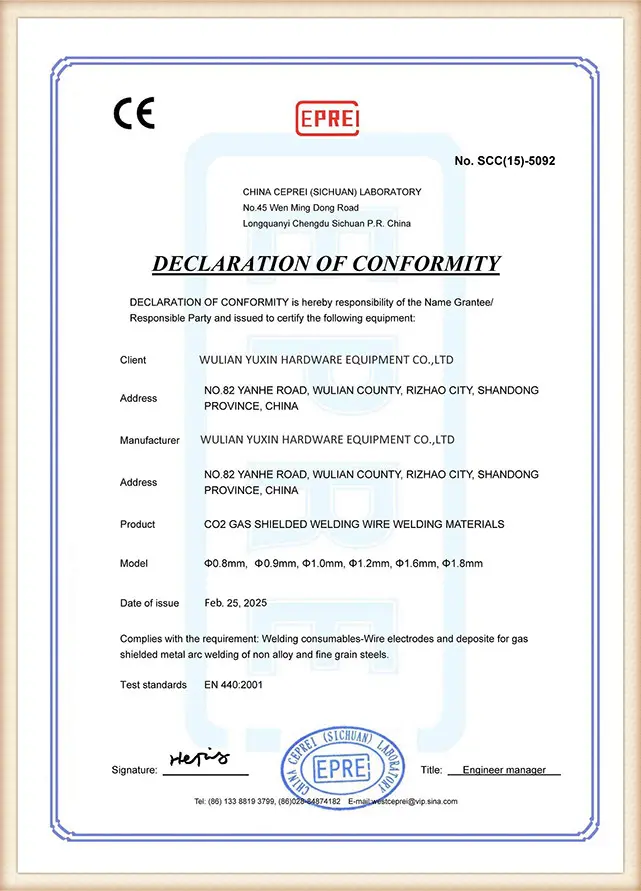
Modern pressure vessels, offshore platforms, and power generation plants require welding consumables with full traceability and compliance. Our products meet ISO9001 and CE certifications, validating their mechanical performance under stress.
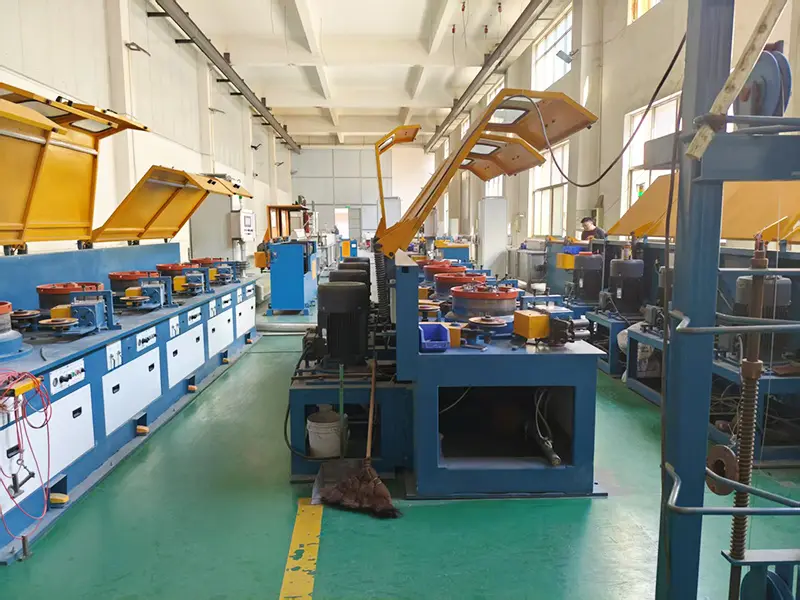
Automation in TIG welding, such as orbital tube-to-tubesheet systems, demands extreme dimensional consistency and clean rod surfaces. Our state-of-the-art wire drawing and straightening lines meet these strict tolerances.
Welding dissimilar steels—specifically joining austenitic stainless steels (such as 304 or 316) to structural carbon steels or low-alloy steels—presents distinct metallurgical risks. Dilution of the stainless steel weld pool by the carbon steel base metal can lead to brittle martensitic phases, causing cracking. The high alloy content (23% Cr / 13% Ni) of 309 TIG Filler Rods accommodates this dilution, keeping the weld structure safely within the ductile austenitic-ferritic region.
These features render 309 TIG welding critical for many high-stress industries:
Wulian Yuxin guarantees adherence to global chemistry standards to ensure reliable high-temperature welds.
| AWS Class | C (%) | Cr (%) | Ni (%) | Mn (%) | Si (%) | P (%) | S (%) | Cu (%) |
|---|---|---|---|---|---|---|---|---|
| AWS A5.9 ER309 | 0.08 max | 23.0 - 25.0 | 12.0 - 14.0 | 1.0 - 2.5 | 0.30 - 0.65 | 0.03 max | 0.03 max | 0.75 max |
| AWS A5.9 ER309L | 0.03 max | 23.0 - 25.0 | 12.0 - 14.0 | 1.0 - 2.5 | 0.30 - 0.65 | 0.03 max | 0.03 max | 0.75 max |
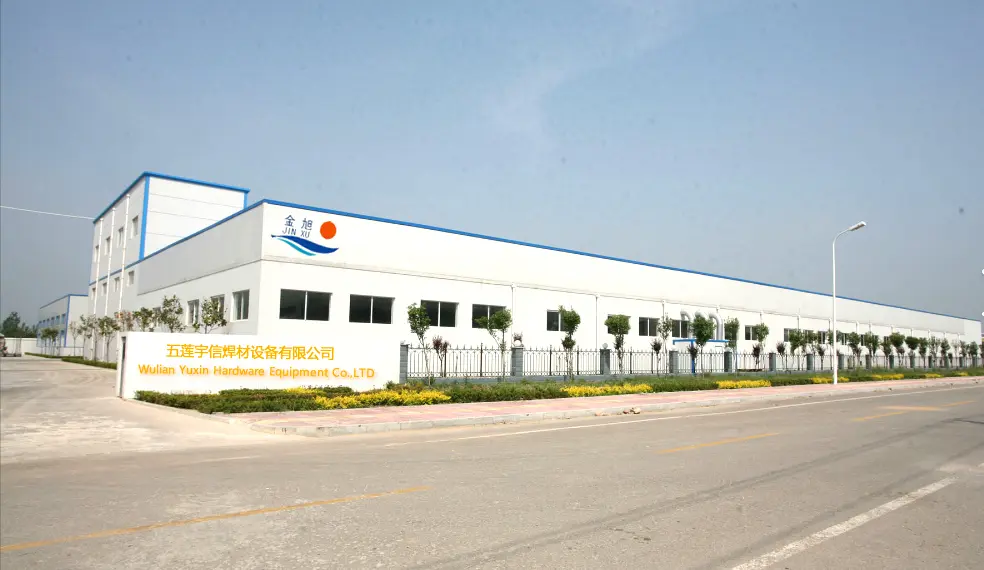
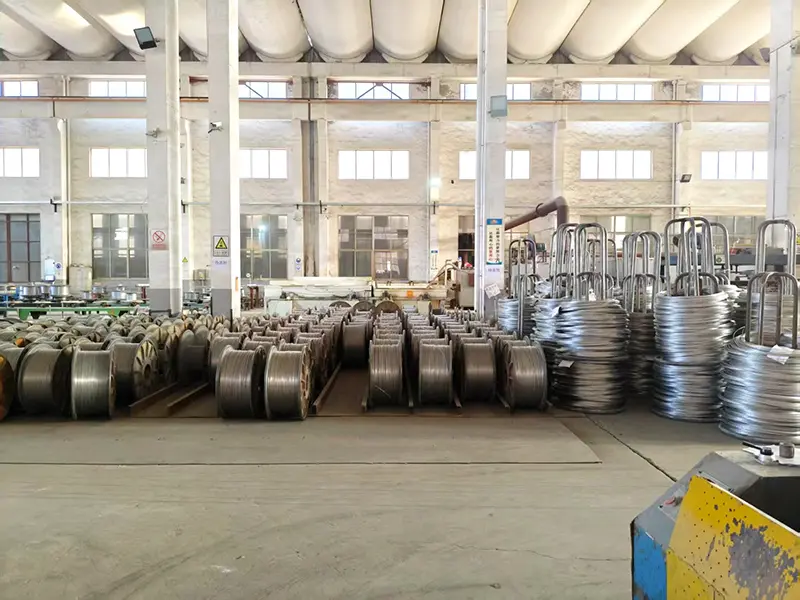
Located in Wulian, Rizhao City, Shandong Province, Wulian Yuxin Hardware Equipment Co., Ltd. operates a 15,000-square-meter production facility dedicated to the development and manufacturing of premium welding consumables. We control every phase of production—from checking raw hot-rolled wire rods to final automated packaging—to ensure consistency.
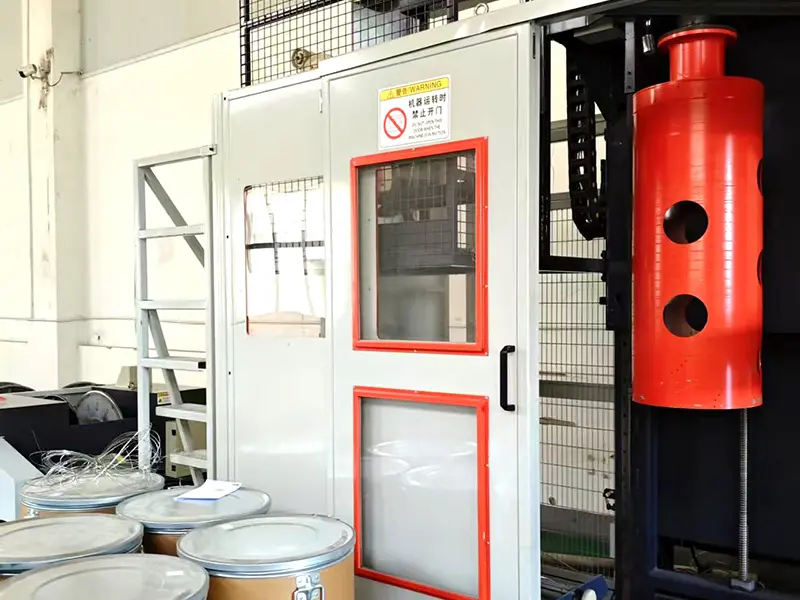
Our dedicated quality assurance laboratory utilizes optical emission spectrometers (OES) to verify chemical compositions before drawing. The wire drawing lines feature carbide dies that maintain structural roundness, and our inline polishing systems eliminate lubricants or surface oxides that could trigger welding porosity. Consequently, our QA team maintains wire diameter tolerances that are 30% stricter than standard industry requirements.
With an annual capacity of 3,000 tons, our processes conform to ISO9001 and CE standards. Welder operators worldwide trust Wulian Yuxin consumables for critical joint integrity.
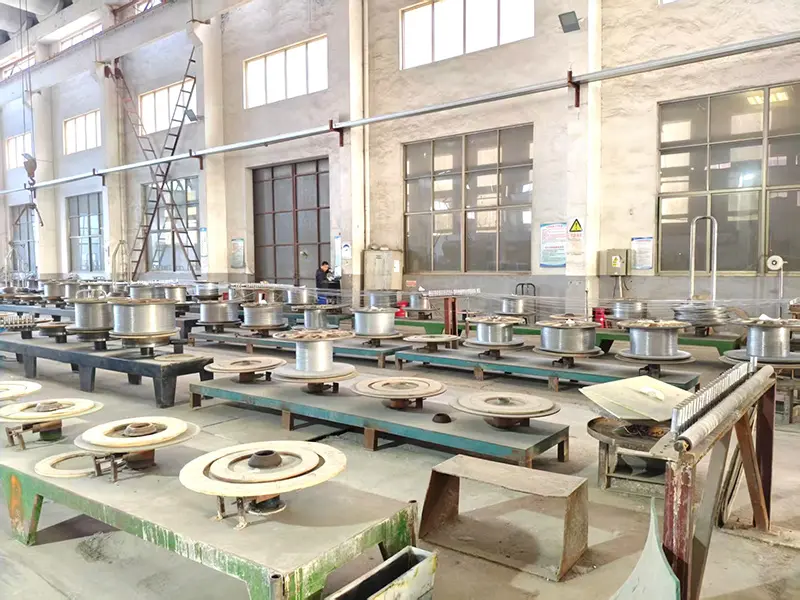
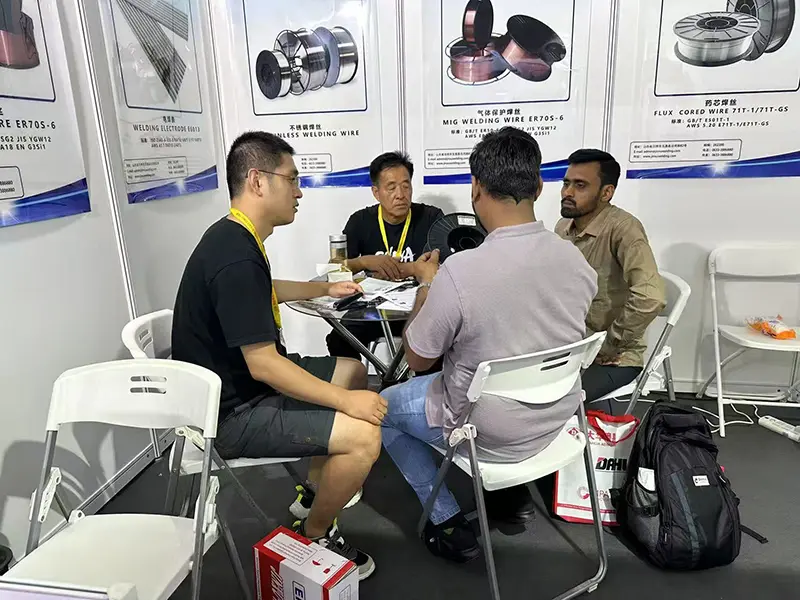
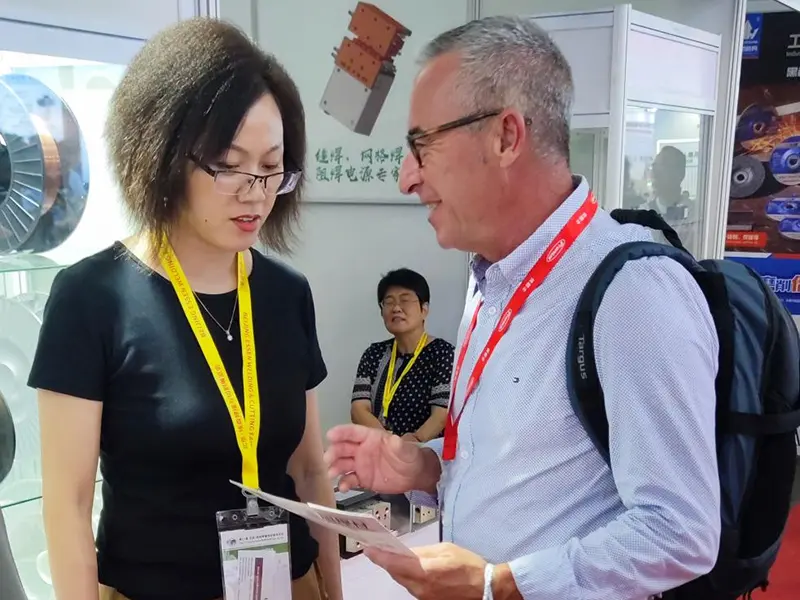
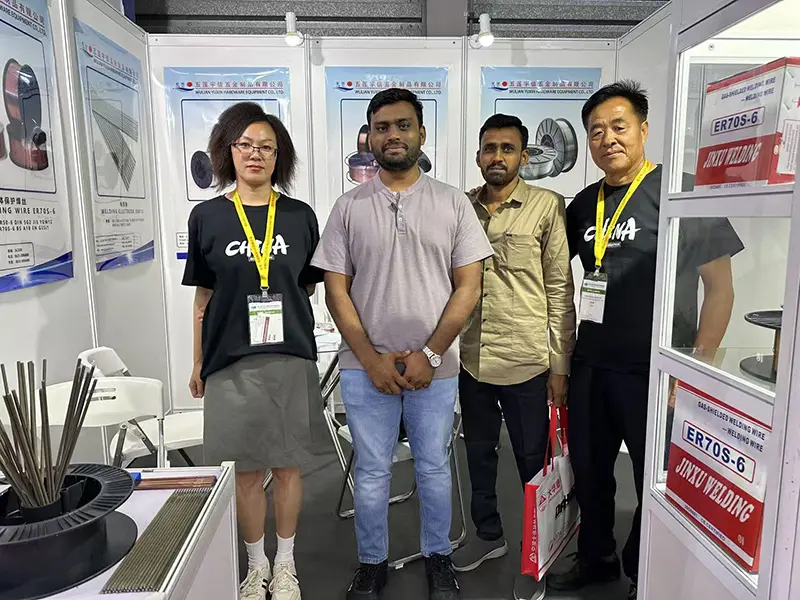
Take a virtual tour of our workshops, machinery, and global exhibition platforms.
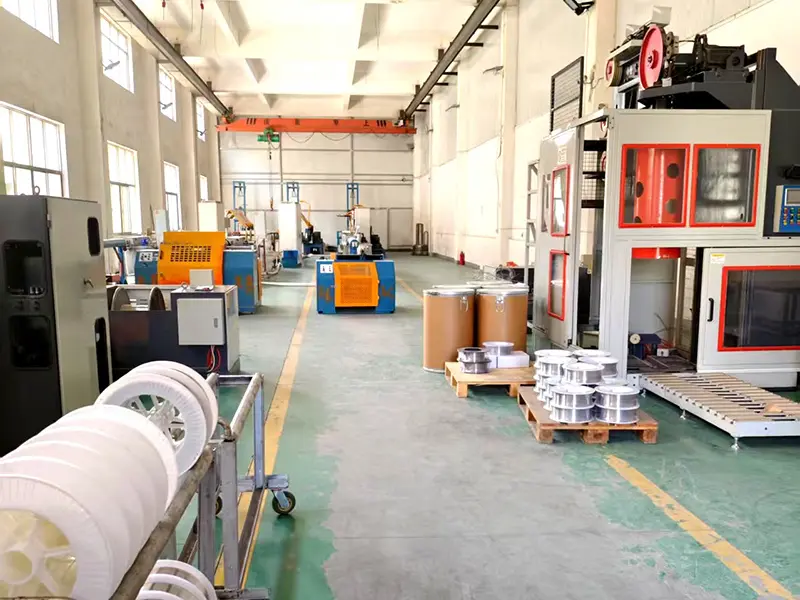
Our vision centers on carbon-neutral manufacturing and automation-friendly welding alloys.
TIG welding is transitioning toward robotic orbital cells. We design filler metals with highly consistent feed traits to minimize arc instability and downtime.
Our R&D department continues to optimize the metallurgical cleanliness of our wires, reducing micro-impurities to limit chromium vaporization and welding fumes.
We supply complete batch-level tracking, complete with physical and chemical test certification to comply with ASME Sec II Part C and AWS A5.9.
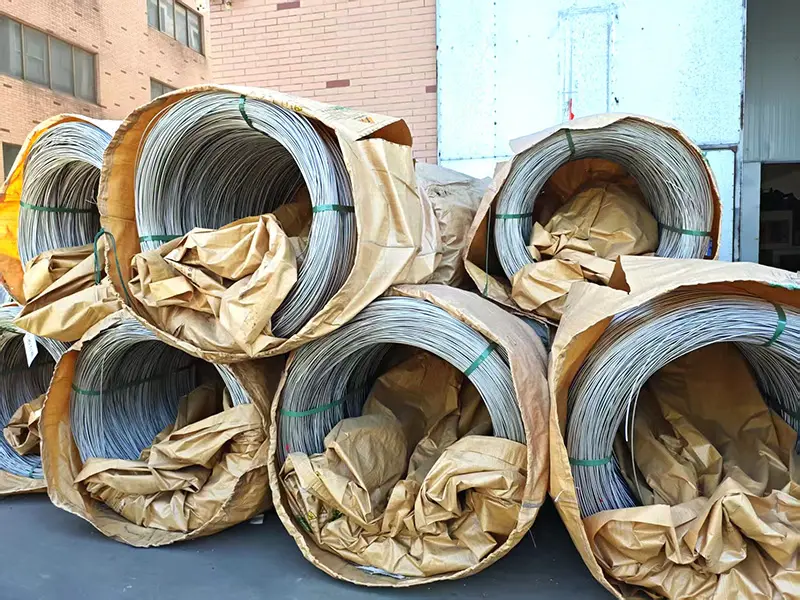
Reducing packaging waste is central to our goals. We are transitioning to fully recyclable cardboard tube containers for all TIG cut lengths.
Our application cases provide reliable performance across critical engineering sectors.
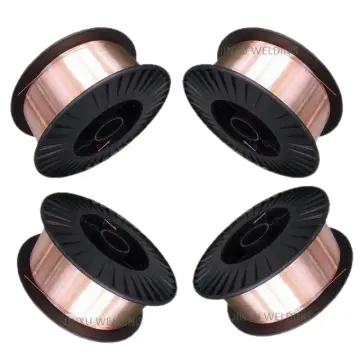
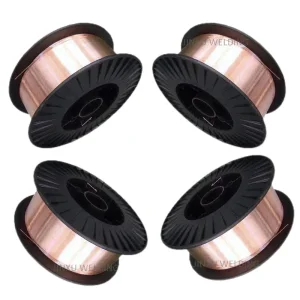
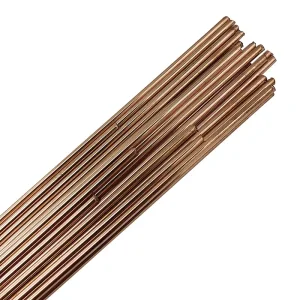
Optimized for structural carbon steel applications. Ensures excellent bead appearance, low spatter, and high deposition rates in automated high-volume production environments.
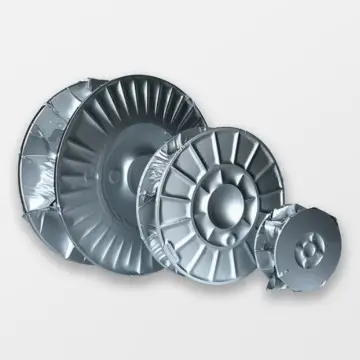
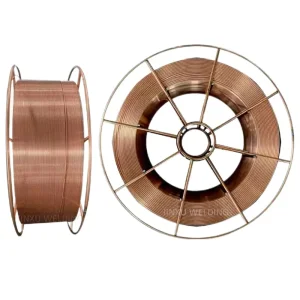
Developed for structural steel fabrication and heavy construction projects. Delivers deep penetration and flat bead profiles, even in out-of-position vertical-up configurations.
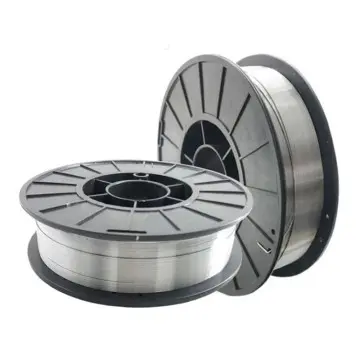
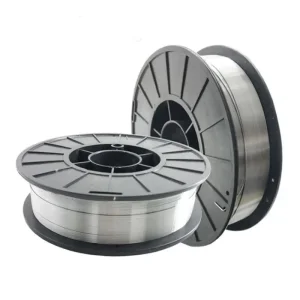
Covers both MIG and TIG processes (ER308L/ER316L/ER309L). Used extensively in chemical containment tanks, food processing equipment, and cryogenics.
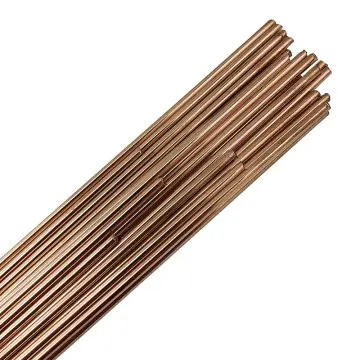
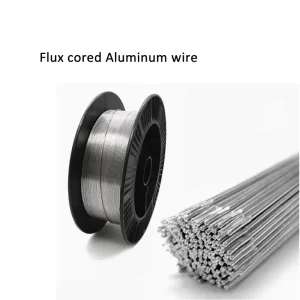
Designed for root-pass piping welds, thin sheet metals, and critical joints requiring highly precise control over heat input and weld-pool behavior.
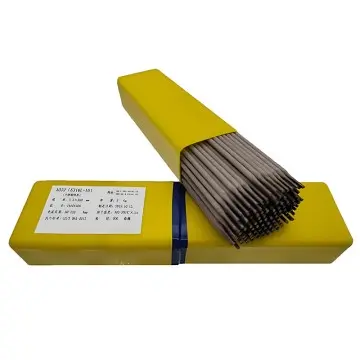
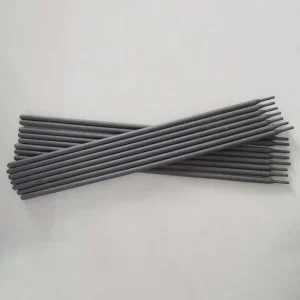
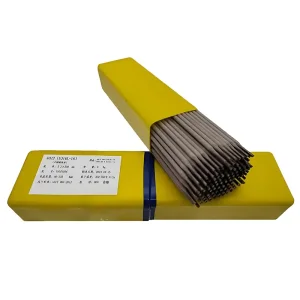
Manual arc welding consumables (E6013/E7018) providing excellent arc stability and slag detachability for maintenance, repair, and field construction.
Direct answers from our engineering team regarding ER309 TIG consumables and metallurgical best practices.
A: The "L" in ER309L denotes low carbon content (maximum 0.03% C compared to 0.08% C in ER309). This lower carbon level minimizes the formation of chromium carbides along the grain boundaries at temperatures of 425°C to 815°C (800°F–1500°F), dramatically reducing the risk of intergranular corrosion in service.
A: Yes. ER309L is the industry standard for joining carbon steel to 316L. The high concentration of chromium and nickel offsets dilution from the carbon steel base metal, preventing the formation of hard, brittle martensite and ensuring a robust austenitic weld structure.
A: Delta Ferrite acts as a solvent for impurities like sulfur and phosphorus during solidification. If a weld deposit is fully austenitic, these elements segregate at the grain boundaries, causing hot cracking. A ferrite number (FN) of 4 to 10 ensures crack-free results.
A: 100% High-Purity Argon (minimum 99.99%) is recommended. For thicker cladding applications, adding 2% to 5% Helium to the Argon mix can increase puddle fluidity and penetration without compromising chemical stability.
A: Preheating requirements depend on the carbon steel grade. While austenitic stainless steels do not require preheating, low-alloy or thick-section carbon steels may require it (typically 100°C to 150°C) to prevent underbead cracking in the HAZ of the carbon steel.
A: We utilize multi-stage cold drawing benches equipped with precision carbide dies and inline non-contact laser measurement systems. This setup controls diameter variations to within ±0.02mm, ensuring consistent wire feed and current transfer during automatic TIG processes.
Review our factory-direct catalog of premium carbon steel, aluminum, and stainless steel welding consumables.
 Yuxin
Yuxin