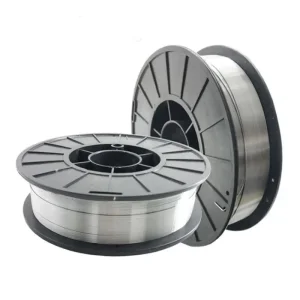
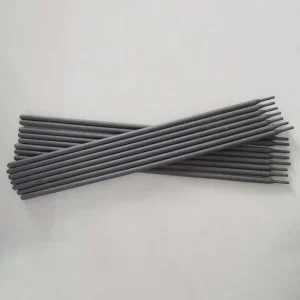
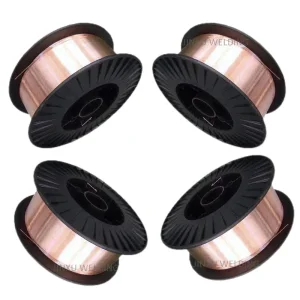
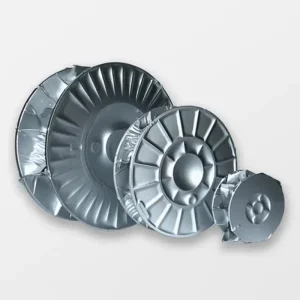
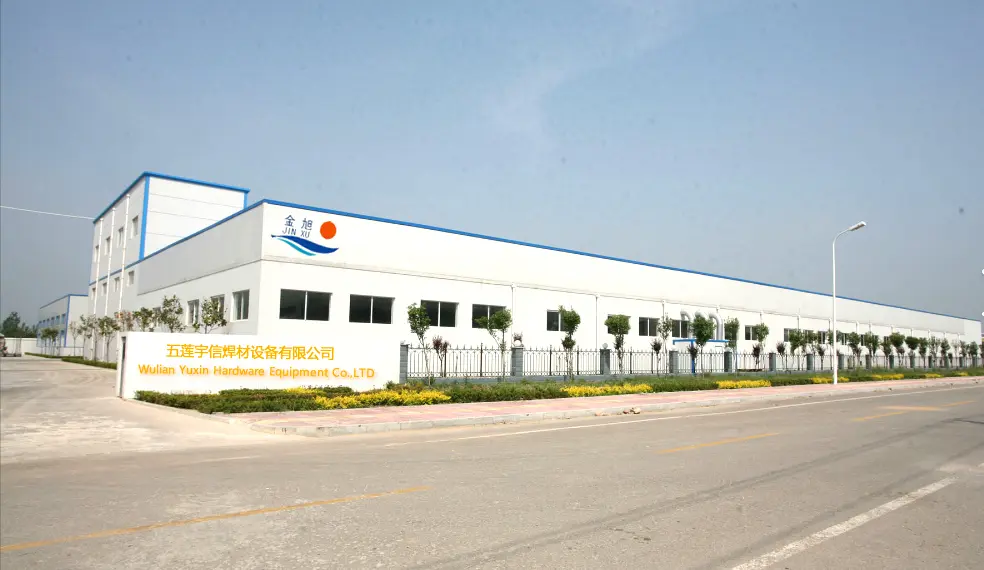
Established in the key industrial corridor of Wulian, Rizhao City, Shandong Province, Wulian Yuxin Hardware Equipment Co., Ltd. has scaled dynamically from a dedicated regional manufacturer into a globally recognized producer of premium welding consumables. By operating our state-of-the-art 15,000-square-meter integrated production facility, we ensure that every stage of wire drawing, chemical treatment, layer-winding, and packaging conforms to absolute quality requirements.
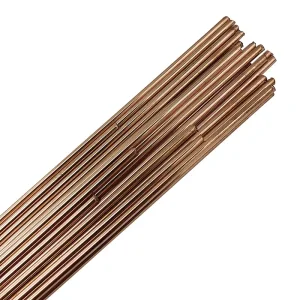
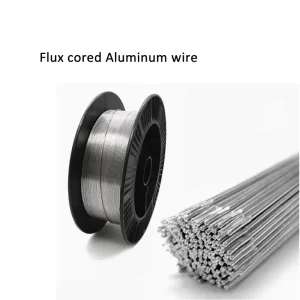
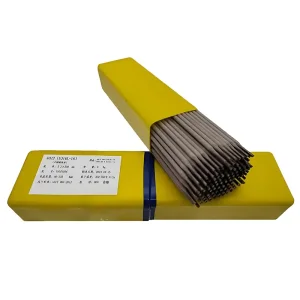
We pride ourselves on manufacturing premium-tier ER312 stainless steel filler rods and TIG/MIG welding wires, widely termed the "universal problem-solver" in heavy industries. Our advanced metallurgic methodologies allow us to serve critical sectors such as oil and gas, maritime construction, railway networks, and automotive manufacturing. Our products meet or exceed the requirements of global classification societies, ensuring seamless integration into your supply pipeline.
Understanding the chemical balance and phase formation of AWS A5.9 ER312 is vital for maintaining mechanical properties when joining dissimilar metals.
ER312 alloy filler metal features a high chromium content (~29%) balanced with ~9% nickel. This formulation yields a two-phase duplex microstructure consisting of an austenite matrix embedded with a high percentage of ferrite (often exceeding Ferrite Number 20). The high ferrite level acts as a sink for low-melting impurities like sulfur and phosphorus, preventing hot cracking during the solidifying phase of weld deposits.
This unique chemistry makes ER312 filler rods the optimal choice for welding difficult materials, high-carbon alloys, tool steels, and dissimilar joints where dilution ratios are unpredictable.
When welding carbon steel to stainless steel, the carbon steel dilutes the weld pool, introducing elements that can lead to martensite formation and subsequent hydrogen cracking. ER312 contains enough ferrite-forming elements to absorb severe dilution without shifting into the crack-sensitive zone of the Schaeffler diagram.
This characteristic enables joints to retain tensile strength up to 750 MPa and elongation limits above 22%, which is essential for demanding industrial environments.
| AWS Spec | C (%) | Cr (%) | Ni (%) | Mn (%) | Si (%) | P (%) | S (%) | Cu (%) |
|---|---|---|---|---|---|---|---|---|
| ER312 Typical | 0.08 - 0.15 | 28.0 - 32.0 | 8.0 - 10.5 | 1.0 - 2.5 | 0.30 - 0.65 | ≤ 0.03 | ≤ 0.02 | ≤ 0.75 |
| Our Factory Target | ≤ 0.11 | 29.5 - 31.0 | 8.8 - 9.8 | 1.5 - 2.0 | 0.40 - 0.55 | ≤ 0.015 | ≤ 0.010 | ≤ 0.15 |
Shandong Province serves as a central hub for China's steel manufacturing and metallurgical processing industries. This concentration provides Wulian Yuxin Hardware Equipment Co., Ltd. with reliable access to refined wire rods. Our supply chain features several operational advantages:
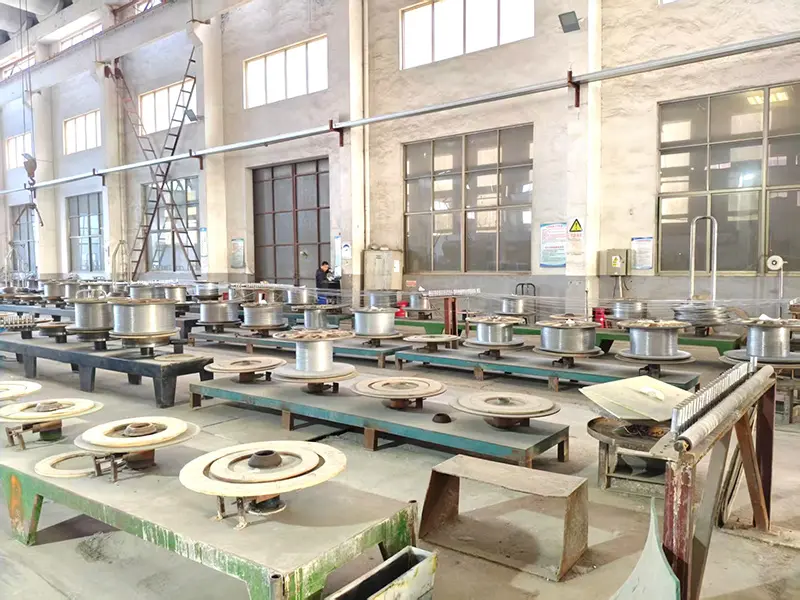
International procurement departments require welding consumables that align with standard mechanical, dimensional, and packaging specifications.
Precision robotic MIG and automated TIG welding require narrow wire diameter tolerances. Our drawing lines maintain wire diameter variation within ±0.01 mm. This consistency prevents feeding issues and contact tip wear.
Any surface residual grease or drawn lubricants can introduce hydrogen or carbon into the weld arc, leading to porosity. Our chemical polishing and ultrasonic wash systems remove residues, ensuring clean deposits.
To protect products during maritime transport, our filler rods are shipped in heavy-wall plastic tubes, hermetically sealed with silica desiccant packs, and packed into reinforced wooden crates to resist humidity.
Exporting welding consumables into highly regulated markets requires compliance with international standards. Our manufacturing processes align with the following regulatory benchmarks:
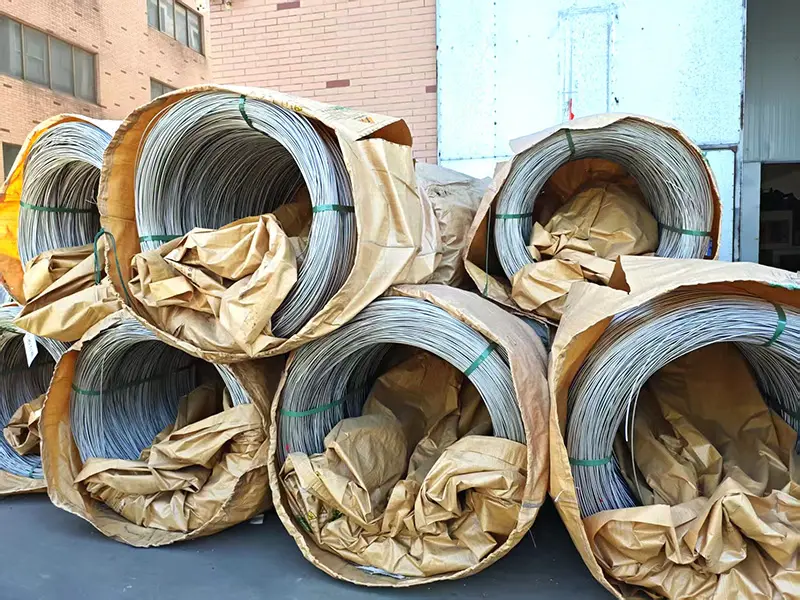
ER312 filler rods are used across multiple industries to resolve challenging metallurgical joint designs.
Joining low-alloy carbon steels directly to stainless steels often leads to cracking due to thermal expansion differences. ER312 establishes a ductile transition zone, minimizing mechanical stresses at the joint interface.
Tool steels and medium-carbon forging dies are susceptible to underbead cracking. ER312 serves as an initial buffer layer, providing a tough base before hardfacing alloys are deposited.
High-manganese steel parts subjected to impact and abrasion are difficult to weld without causing brittleness. ER312 filler metal accommodates structural stresses, maintaining joint integrity under load.
Wulian Yuxin aligns its engineering investments with global trends in automation, environmental standards, and alloy optimization.
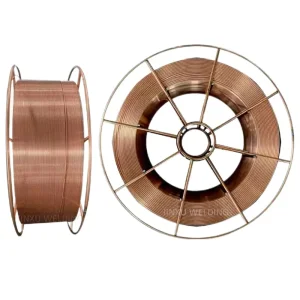
Automated production cells require continuous wire feeding without human intervention. We have adjusted our wire winding processes, utilizing precision layer winding (PLW) to maintain consistent feed rates and prevent wire tangle issues during operation.
Wulian Yuxin is working to reduce energy consumption across our wire drawing lines and utilizing recyclable polymer spools. We have also updated our packaging layouts to maximize ocean container utilization, helping to lower carbon emissions per ton shipped.
Access metallurgical answers regarding the use, limits, and application of ER312 filler rods.
 Yuxin
Yuxin