Direct supply from Shandong's premier manufacturing center. High quality, global certifications, and strict compliance.
A comprehensive study on China's manufacturing ecosystems, material advantages, and strategic sourcing options.
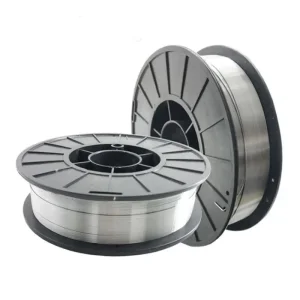
As modern manufacturing pivots toward lightweight materials to satisfy fuel economy mandates, emissions regulations, and structural optimization, aluminum alloy consumption is growing at an unprecedented rate. Among aluminum consumables, the ER5356 TIG (Tungsten Inert Gas) welding wire (commonly recognized as AlMg5 alloy) serves as a critical link in joining high-strength aluminum structures. Formulated with approximately 5% magnesium, this alloy offers a superior combination of tensile strength, corrosion resistance, and structural integrity, making it indispensable for critical fabrication tasks.
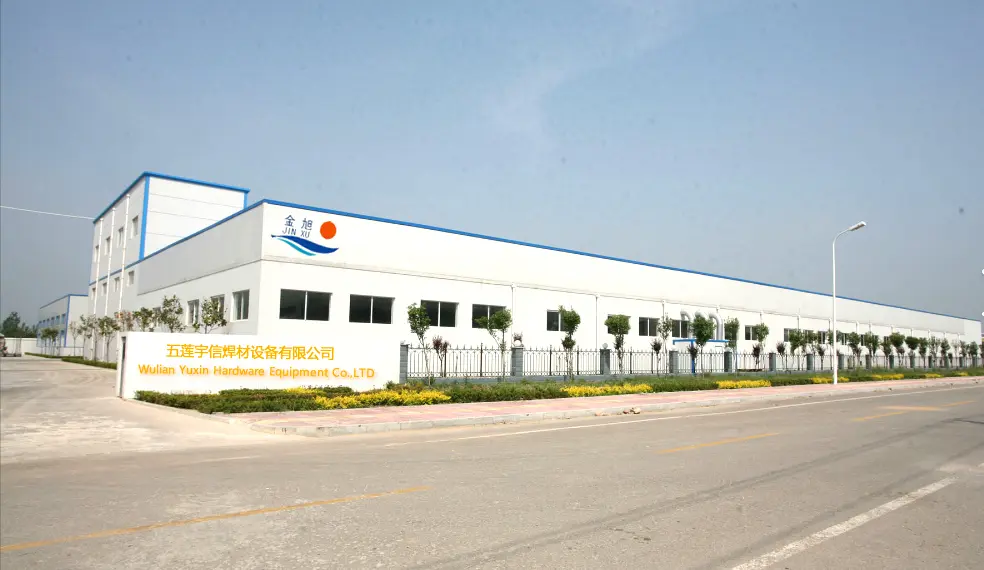
China is currently the world’s leading hub for aluminum welding wire production, controlling more than 50% of global output. This dominance is not merely a matter of lower labor costs; it is driven by deep vertical integration. Chinese factories in coastal and industrial hubs—particularly Shandong, Henan, and Zhejiang—benefit from direct access to high-purity aluminum smelting zones, specialized chemical scraping facilities, and advanced logistics channels. Wulian Yuxin Hardware Equipment Co., Ltd., based in Rizhao City, Shandong Province, sits at the heart of this manufacturing ecosystem, leveraging localized supply chains to supply premium-grade consumables to over 20 countries.
Information Gain Insight: Unlike general-purpose welding rods, ER5356 requires meticulous hydrogen-control processing. Leading Chinese factories deploy online shaving technology to remove 0.2mm–0.3mm of the wire's outer surface, eliminating the hydrated oxide layers that trigger micro-porosity during welding. This is a critical quality step that distinguishes high-tier factories from budget mills.
The global welding consumables sector is transitioning from manual, labor-intensive operations to automated, high-precision robotic systems. This shift heavily influences how ER5356 TIG wires are produced, packaged, and evaluated:
Understanding the exact chemical limitations of AWS A5.10 ER5356 is essential for structural integrity. Below is the analytical chemistry benchmark that Wulian Yuxin implements to achieve performance tolerances 30% stricter than standard international baselines:
| Element | AWS A5.10 Standard Range (%) | Wulian Yuxin Precision Control (%) | Primary Function in Weld Pool |
|---|---|---|---|
| Magnesium (Mg) | 4.50 – 5.50 | 4.85 – 5.20 | Imparts tensile strength, hardness, and corrosion resistance. |
| Manganese (Mn) | 0.05 – 0.20 | 0.12 – 0.18 | Refines grain structure and counteracts thermal cracking. |
| Chromium (Cr) | 0.05 – 0.20 | 0.08 – 0.15 | Controls recrystallization and improves stress-corrosion resistance. |
| Titanium (Ti) | 0.06 – 0.20 | 0.08 – 0.12 | Acts as a powerful grain refiner for high-toughness joints. |
| Iron (Fe) | Max 0.40 | Max 0.15 | Kept minimal to prevent brittle intermetallic compounds. |
| Silicon (Si) | Max 0.25 | Max 0.10 | Controlled to limit susceptibility to hot cracking. |
Pioneering Excellence in Welding Solutions Since 2004
Established in Wulian, Rizhao City, Shandong Province, Wulian Yuxin Hardware Equipment Co., Ltd. has grown from a locally excellent manufacturer to a globally recognized producer of premium welding consumables. With our own 15,000-square-meter production facility and advanced manufacturing equipment, we proudly maintain complete control over our production processes, ensuring consistent quality across our entire product range.
Over nearly two decades, we have optimized our metallurgical formulas and wire-drawing tolerances to meet the requirements of highly demanding industrial sectors. By integrating upstream raw materials with strict inspection standards, we ensure that every batch of TIG rods and MIG wires matches structural engineering criteria globally.
How ER5356 performance behaves across various critical environments and industrial operations.
Aluminum-magnesium alloys (specifically 5xxx series plates like 5083 and 5456) are standard in ship hulls, offshore decks, and patrol boats. Welding these components requires a deposit that matches the corrosion resistance of the base metal. ER5356 TIG wire provides a high-toughness joint that resists saltwater corrosion and prevents stress cracking under cyclic wave actions.
Modern electric vehicle (EV) battery enclosures, chassis frames, and suspension structures rely on 6xxx and 5xxx series aluminum extrusions. ER5356 is the preferred filler wire for these structures, balancing shear strength and impact performance. Robotic TIG cell applications demand high-purity surfaces to eliminate spatter and ensure structural joints that pass automated testing.
Aluminum alloys retain excellent mechanical properties at sub-zero temperatures. Tanks designed for storage of liquefied natural gas (LNG) or chemical fluids often utilize 5083 alloys welded with high-quality ER5356. The weld metal must undergo zero defect testing, which requires using wire with low raw-material impurity levels (low Fe, low Si) to avoid cryogenic embrittlement.
Aluminum bridges, highway sign gantries, and architectural frameworks utilize AlMg alloys for corrosion resistance and strength. ER5356 provides structural joints that do not require painting or post-weld protective coatings, minimizing long-term maintenance costs for civil infrastructure projects.
Our systematic quality assurance protocols ensure high purity and consistent performance in industrial welding environments.
Wulian Yuxin's manufacturing facility uses an advanced 5-step processing pipeline designed to eliminate structural inconsistency in aluminum wire fabrication:
We source high-purity aluminum ingots with a minimum purity of 99.7%. Magnesium and trace elements are alloyed in controlled induction furnaces, with continuous spectrographic monitoring to ensure uniform element distribution.
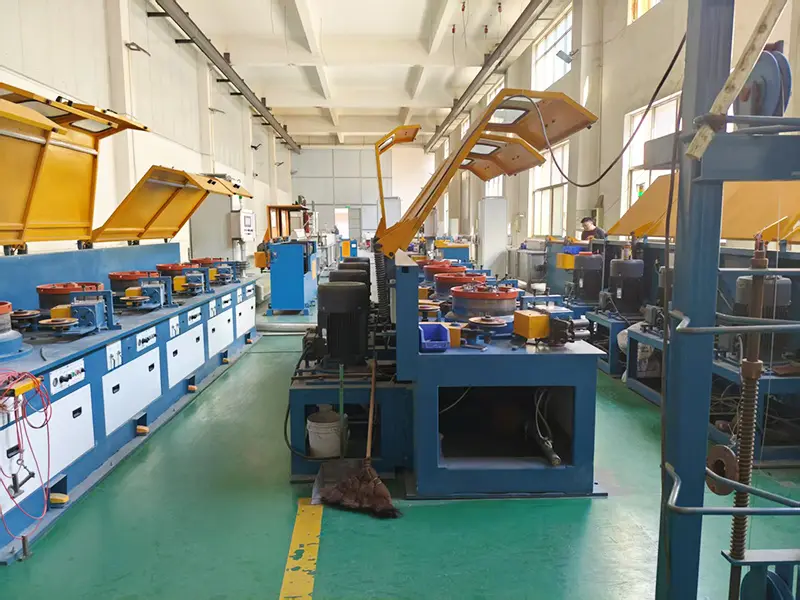
The alloy rods are drawn through multiple dies in a temperature-controlled environment. This process optimizes the wire’s mechanical properties, maintaining diameter tolerances within +/- 0.02 mm.
The wire undergoes specialized mechanical shaving to remove surface oxides, lubricants, and potential contaminants. This step is critical for minimizing the risk of weld porosity.
Laser dimensioning sensors and optical cameras inspect the surface in real time. Wire with surface defects, scratches, or uneven cast is automatically flagged and rejected.
This technical approach results in an extremely clean product. When using Wulian Yuxin's ER5356 TIG wire, the resulting weld puddle demonstrates low surface tension, clean wetting, and minimal post-weld soot, helping engineers reduce cleaning time and overall finishing costs.
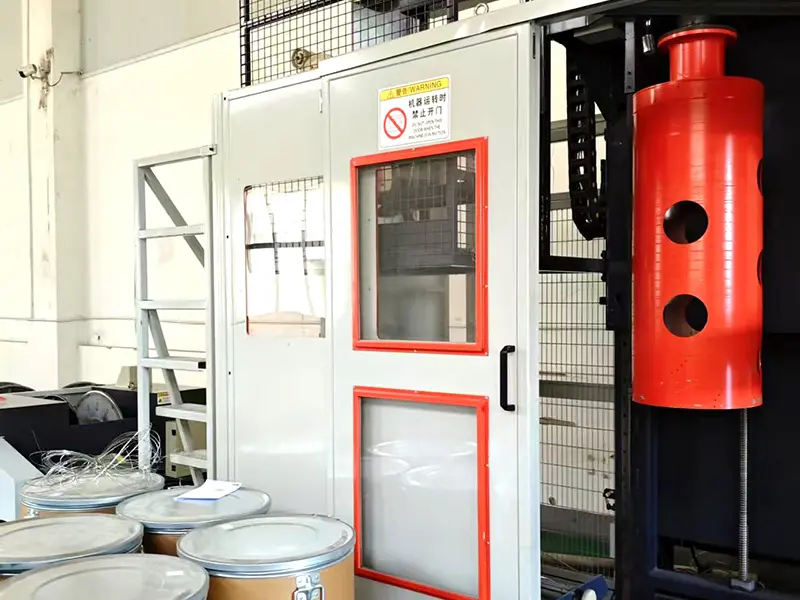
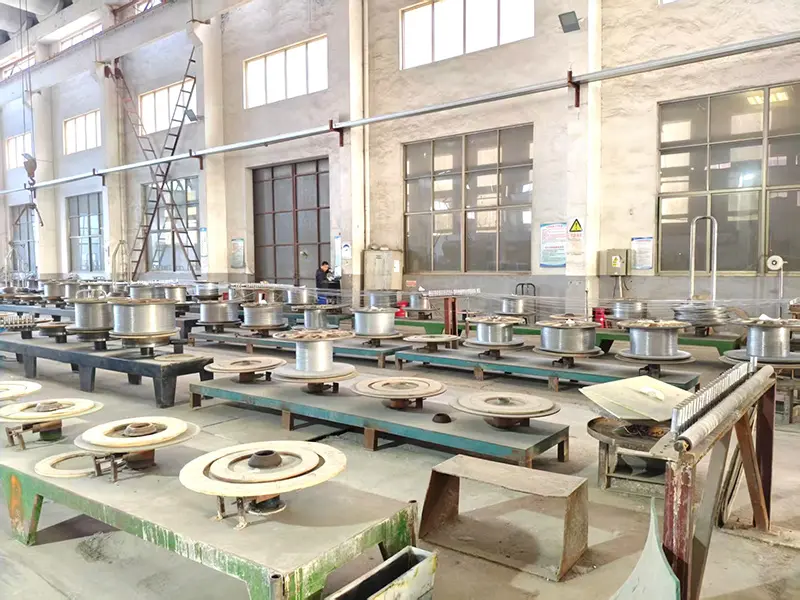
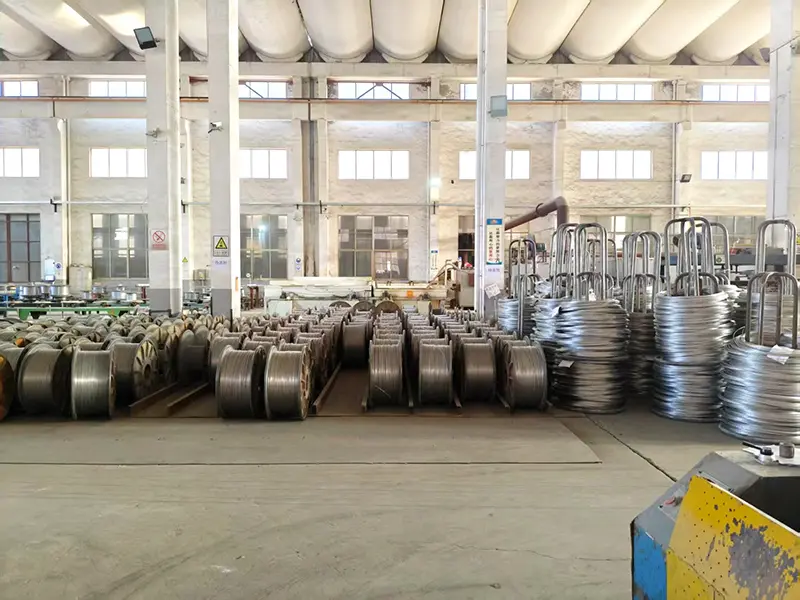
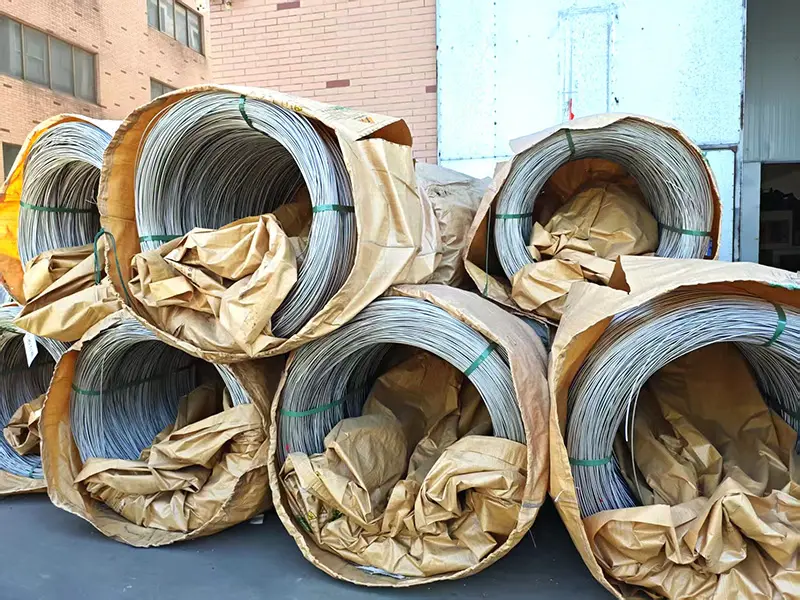
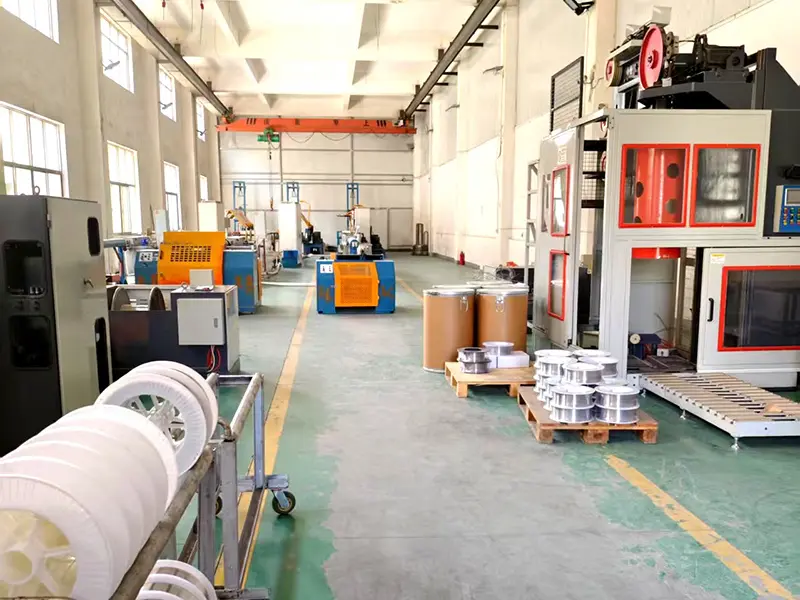
A closer look at our 15,000-square-meter facility equipped with automated manufacturing systems.
Expert guidance on resolving common issues encountered during structural aluminum welding.
Porosity is a common issue when welding aluminum alloys. It typically occurs when hydrogen gas becomes trapped in the weld pool during solidification. Hydrogen has high solubility in liquid aluminum but very low solubility in solid aluminum, causing gas pockets to form as the metal cools. Below is our recommended protocol for minimizing porosity:
Hot cracking can occur in aluminum welds, particularly when welding chemistry falls within crack-sensitive ranges. ER5356, with its 5% magnesium composition, is designed to reduce crack sensitivity when welding 5xxx series alloys. If cracking occurs in the heat-affected zone (HAZ), adjusting the travel speed or heat input can help optimize the cooling rate and prevent grain boundary separation.
Detailed answers to common technical and procurement questions regarding ER5356 TIG consumables.
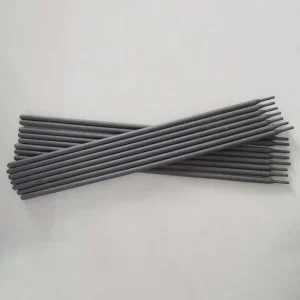
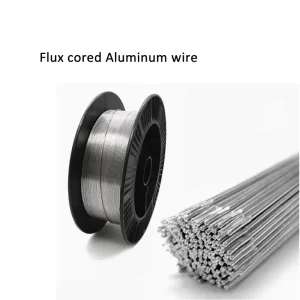
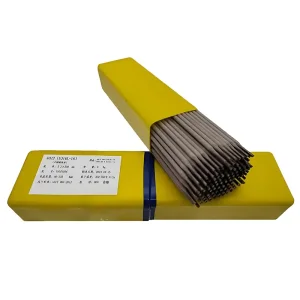
Browse our selection of MIG wires, flux-cored wires, stainless steel consumables, and electrodes designed for diverse engineering applications.
 Yuxin
Yuxin