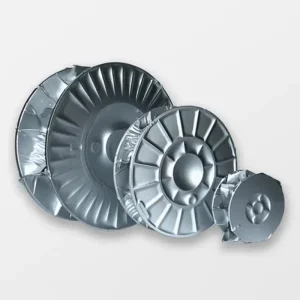
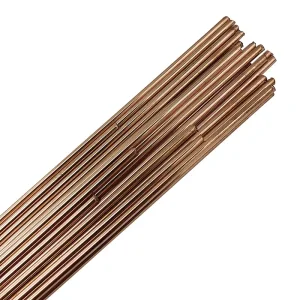
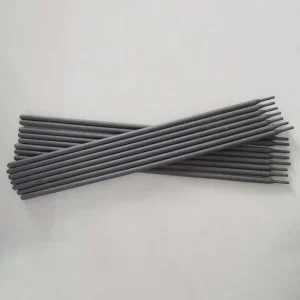
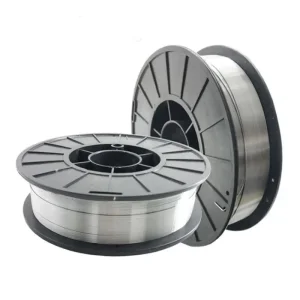
Engineered for high-durability joins, excellent electrical conductivity, and structural integrity under cyclic thermal stress.
In modern industrial manufacturing, heat transfer systems are critical components across automotive, aerospace, heavy machinery, power generation, and HVAC applications. Radiators—whether configured as micro-channel heat exchangers, plate-fin configurations, or tube-and-shell architectures—operate in severe environments marked by constant thermal cycling, intense vibrations, and corrosive chemical exposures. Consequently, the integrity of structural welds is a primary factor in preventing premature system failure.
China has solidified its position as the global center for premium welding wire manufacturing and structural hardware fabrication. The integration of advanced metallurgical technologies, state-of-the-art drawing facilities, and sophisticated quality assurance frameworks allows Chinese factories to supply key markets in North America, the European Union, Southeast Asia, and beyond. This industrial ecosystem relies on high-grade materials, such as ER70S-6 carbon steel wires, ER308L/ER316L stainless steel wires, and E71T-1C flux-cored consumables, to meet strict ASME, AWS, and EN ISO standards.
With the shift toward lightweight design in the automotive sector—driven by the expansion of electric vehicles (EVs)—radiator manufacturing has migrated toward thin-gauge aluminum alloys and precision stainless steel. These materials require clean, chemical-consistent welding consumables. China’s manufacturing base has adapted by producing ultra-clean surface wire products that minimize porosity and oxidation during high-frequency robotic welding processes. This adaptation ensures robust performance across international commercial networks.
The global welding consumables sector is undergoing significant structural shifts driven by automation, stricter environmental mandates, and the demand for higher productivity. Several prominent trends shape the future of radiator manufacturing:
Modern radiator assembly lines utilize robotic GMAW (MIG/MAG) and TIG welding. Feeding wires must exhibit minimal cast and helix variations to prevent weld path deviation and gun jams. High-precision layer winding processes ensure continuous, trouble-free operation.
Micro-porosity is a major issue in radiator welding due to the thin walls of liquid-carrying tubes. Manufacturers utilize drawing techniques that eliminate lubricants and surface impurities, resulting in stable arc transfers and clean weld pools.
Industrial health standards restrict allowable fume generation rates on factory floors. Modern flux formulations in products like E71T-1C minimize spatter and greenhouse emissions, supporting a cleaner and safer workplace.
Different regions present unique engineering constraints and material preferences for radiator and heat exchanger fabrication:
| Application Area | Primary Material Base | Recommended Welding Consumable | Key Technical Parameter |
|---|---|---|---|
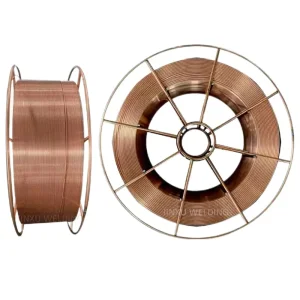
| Automotive Radiators | Thin-gauge Carbon Steel | ER70S-6 Solid Wire (MIG/TIG) | High silicon content for improved puddle fluidity |
| Industrial HVAC Heat Exchangers | Stainless Steel (304L/316L) | ER308L / ER316L TIG/MIG Wire | Controlled ferrite number to prevent hot cracking |
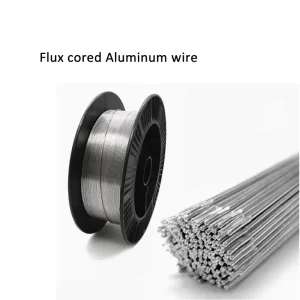
| Heavy Mining Equipment Coolers | High-Strength Low-Alloy | E71T-1C Flux-Cored Wire | Excellent impact toughness at low temperatures |
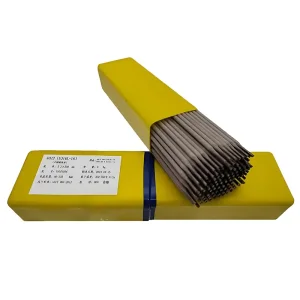
| Power Generation Radiator Frames | Structural Carbon Steel | E6013 / E7018 Welding Electrodes | Low diffusible hydrogen to avoid cold cracking |
The manufacturing process for welding wire is shifting toward integrated digital control. Key objectives of our current research and development include:
By implementing these technical upgrades, radiator manufacturers can reduce reject rates, lower overall consumable costs, and meet stringent carbon-emission targets.
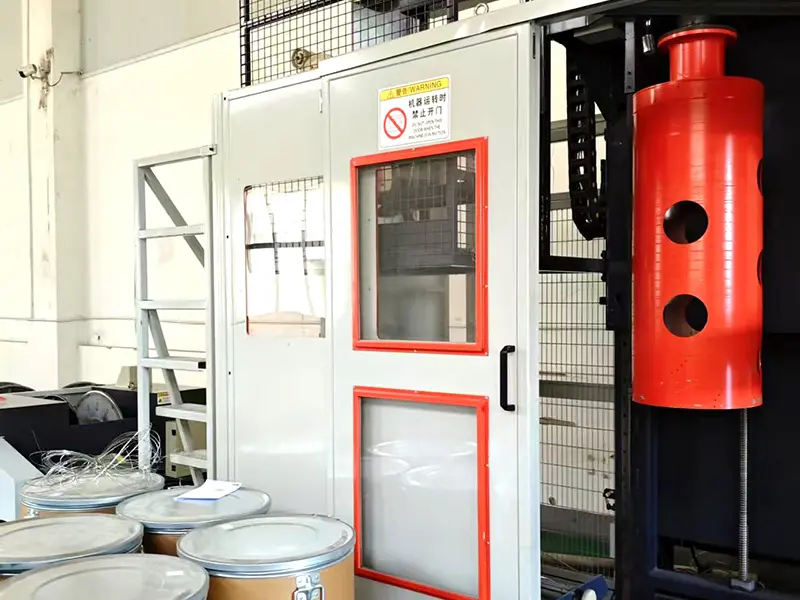
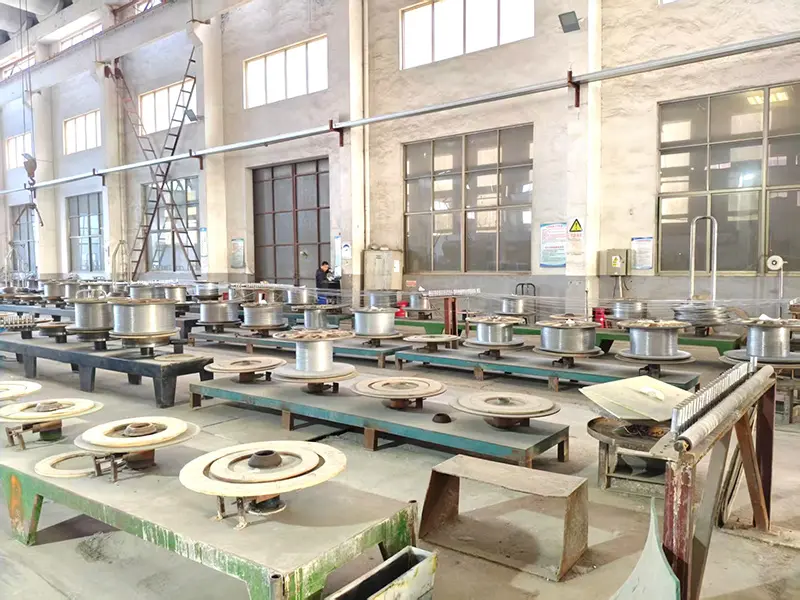
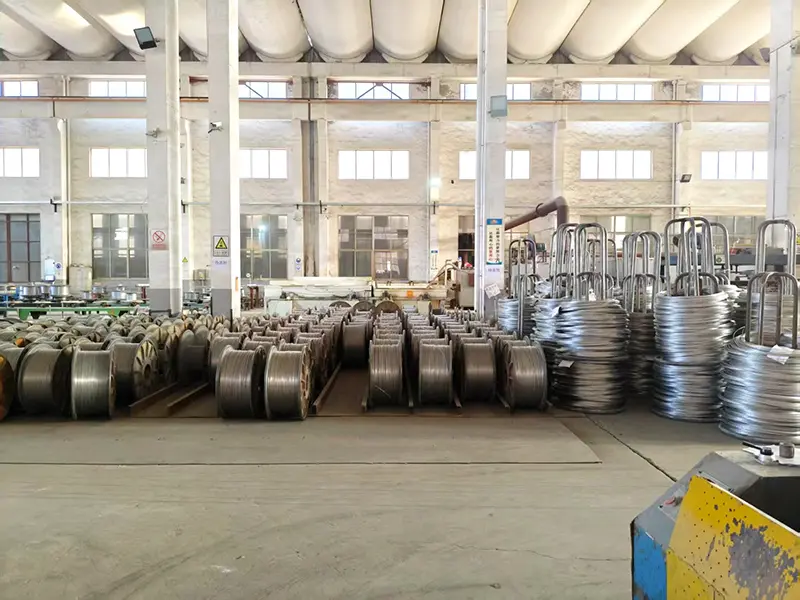
To support high-volume manufacturing, factories require end-to-end solutions that resolve common welding defects. The table below highlights troubleshooting strategies developed by our technical services team:
| Common Defect | Root Cause in Radiator Manufacturing | Corrective Action & Consumable Solution |
|---|---|---|
| Joint Porosity | Moisture or oil drawing residues on the parent metal or wire surface. | Use double-deoxidized ER70S-6 wire and optimize shielding gas purity (99.99% Argon/CO2 mix). |
| Burn-Through | Thin-wall tubes (typically <1.5mm) subject to excessive heat input. | Transition to smaller diameter wires (0.8mm) or pulsed-arc GMAW configurations. |
| Hot Cracking | High weld restraint and unfavorable manganese-to-sulfur (Mn/S) ratios. | Ensure the carbon steel wire has a Mn/S ratio above 35; control heat input. |
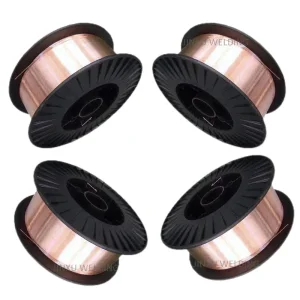
| Wire Feeding Stoppage | Poor spool winding or deformed wire from low-quality plastic spools. | Use precision-wound wires on impact-resistant, reinforced spools with low-friction coatings. |
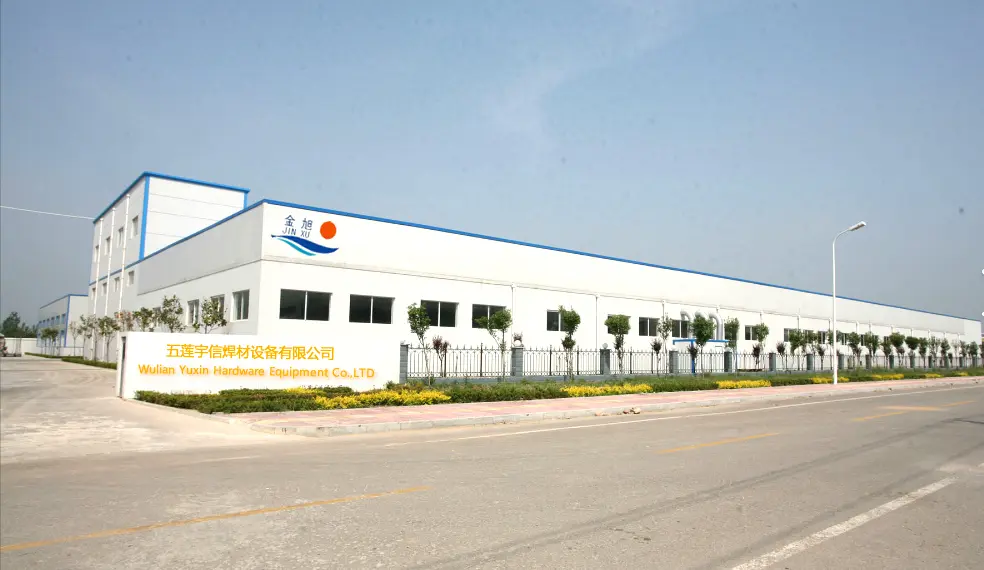
Pioneering Excellence in Welding Solutions Since 2004
Established in Wulian, Rizhao City, Shandong Province, Wulian Yuxin Hardware Equipment Co., Ltd. has grown from a local manufacturer to a globally recognized producer of premium welding consumables. With our own 15,000-square-meter production facility and advanced manufacturing equipment, we maintain complete control over our processes, ensuring consistent quality across our product range.
Our annual production capacity of 3,000 tons allows us to serve clients across five continents, with strong partnerships in European and Southeast Asian markets. All products meet international standards, including ISO9001 and CE certifications, and undergo quality control inspections at every stage of production.
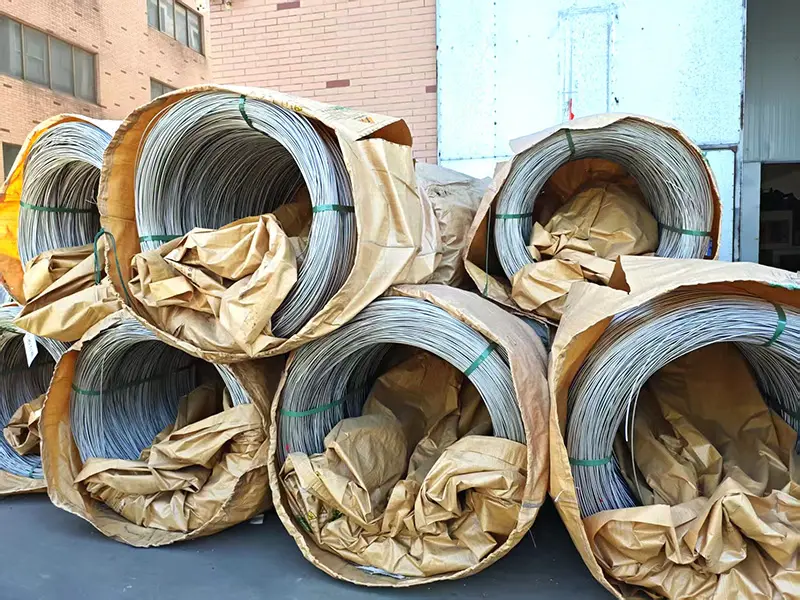
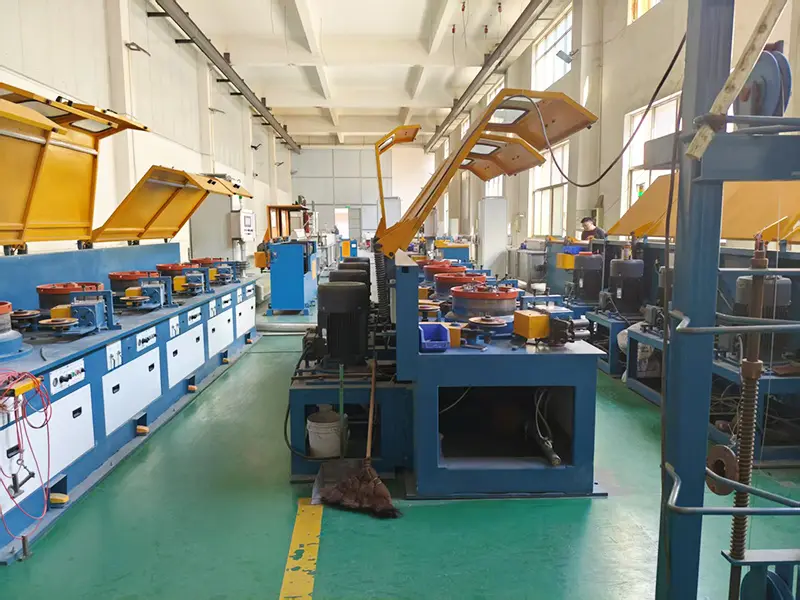
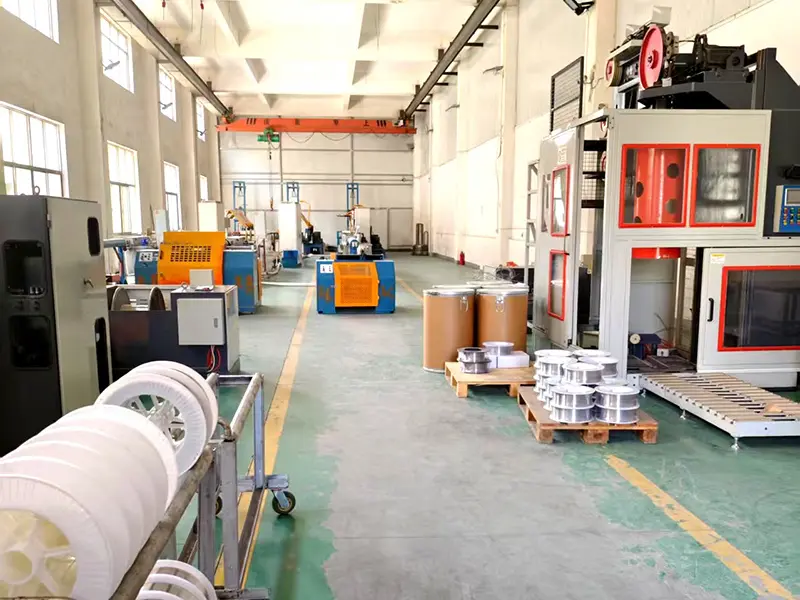
Why Tier-1 industrial buyers and international distributors partner with Wulian Yuxin.
All products meet international standards, including ISO9001 and CE certifications, and undergo quality control checks at every stage of production.
Our welding consumables are trusted by industrial clients in over 20 countries worldwide, with a strong logistics network operating across Europe, Southeast Asia, Africa, and South America.
Our in-house R&D team works to improve product formulations, while our QC department maintains tolerances that are up to 30% stricter than industry standards.
Explore real-world industrial installations leveraging our welding wires and electrodes.
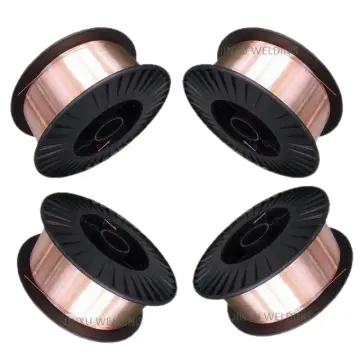
Automated welding of high-pressure structural HVAC support frames.
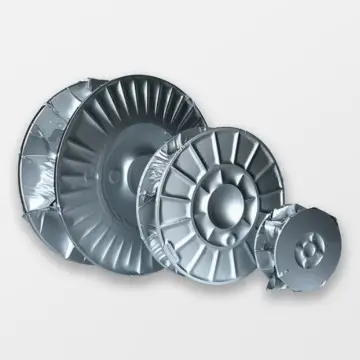
Heavy machinery structural cooling assemblies and radiators.
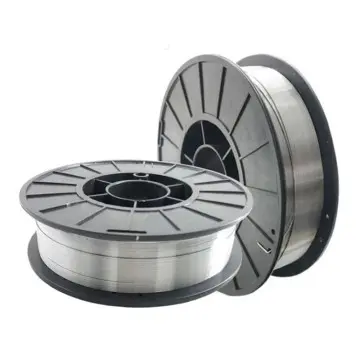
Corrosion-resistant marine heat exchanger and radiator welding.
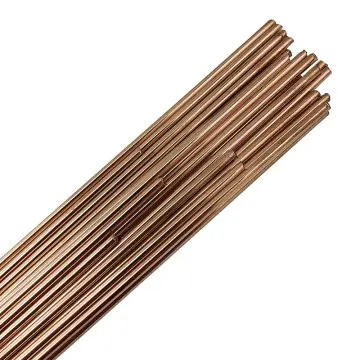
Precision root-pass welding for thin-walled fluid distribution lines.
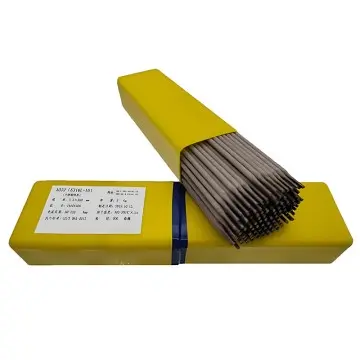
Structural assembly for industrial radiator framework and heavy piping manifolds.
In-depth technical answers addressing chemical composition, process controls, and procurement logistics.
Explore our full range of welding consumables manufactured at our Shandong facility.
 Yuxin
Yuxin