Explore our industrial-grade welding wire portfolio engineered for absolute structural integrity and certified performance.
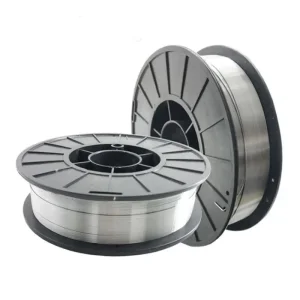
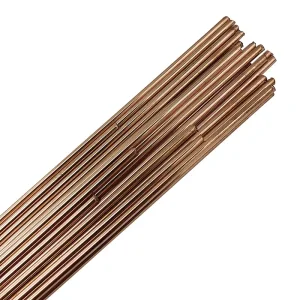
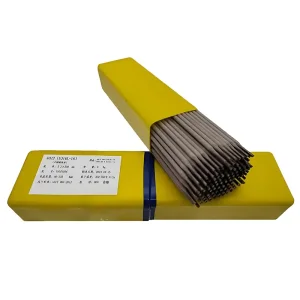
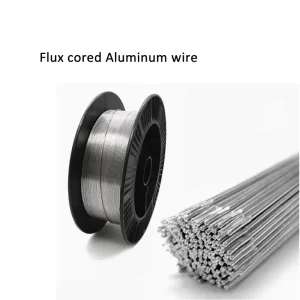
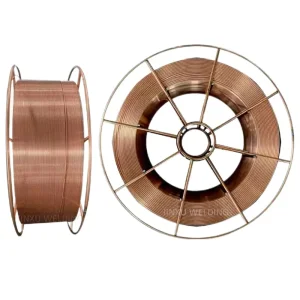
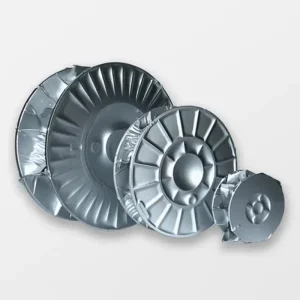
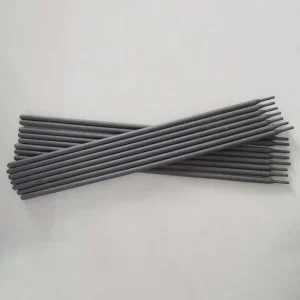
Understanding the critical role of E309T/E309LT in high-temperature applications and dissimilar metal welding.
The manufacturing and application of AWS A5.22 E309LT1-1 / E309T1-1 flux-cored arc welding (FCAW) wires represent one of the most metallurgically complex segments of the global welding consumables industry. Specifically engineered for joining stainless steel to mild or low-alloy steel, 309 class wires must contend with dilution effects that could otherwise lead to hot cracking, brittle martensitic phases, and premature mechanical failure. For global engineering procurement managers and technical directors, sourcing from certified factories that understand this chemistry is critical.
Standard 309 flux core wire typically features a nominal composition of 23% to 24% Chromium (Cr) and 12% to 13% Nickel (Ni). By optimizing the chromium-nickel equivalent balance, premium Chinese factories like Wulian Yuxin Hardware Equipment Co., Ltd. ensure that the weld deposit retains a controlled amount of delta ferrite (typically measured as Ferrite Number or FN between 4 and 12). This residual ferrite acts as an essential buffer, isolating impurity segregations (such as sulfur and phosphorus) and preventing micro-fissuring during solidification.
"Controlling the carbon limit below 0.04% (as in E309LT1-1) is critical for preventing carbide precipitation at the grain boundaries, which directly maintains corrosion resistance in the heat-affected zone."
Furthermore, the physical construction of a flux-cored wire is highly dependent on advanced manufacturing. The formulation of the flux powder inside the metal sheath dictates the weldability, arc stability, slag coverage, and overall deposition rate. High-tier manufacturers utilize proprietary mineral and metal powder blends that act as deoxidizers, slag formers, and arc stabilizers. In all-position flux-cored wires, the slag is designed to freeze faster than the weld pool, supporting the molten stainless steel in vertical-up and overhead positions, while still being easily detachable post-weld.
For demanding heavy industrial applications, such as cladding carbon steel vessels to resist corrosion or building transitional buffers for high-pressure boilers, understanding the thermodynamic behavior of the 309 alloy during transfer is mandatory. Sub-par wire leads to high spatter levels, erratic arc control, and slag inclusions. These defects lead to expensive rework and compromise safety limits in chemical processing, power generation, and marine construction.
| AWS Classification | C (%) | Cr (%) | Ni (%) | Mn (%) | Si (%) | Tensile Strength (MPa) | Elongation (%) |
|---|---|---|---|---|---|---|---|
| E309T1-1 / E309T1-4 | ≤ 0.10 | 22.0 - 25.0 | 12.0 - 14.0 | 0.5 - 2.5 | ≤ 1.0 | ≥ 550 | ≥ 30 |
| E309LT1-1 / E309LT1-4 | ≤ 0.04 | 22.0 - 25.0 | 12.0 - 14.0 | 0.5 - 2.5 | ≤ 1.0 | ≥ 520 | ≥ 30 |
Analyzing the paradigm shift in international welding consumables procurement and structural engineering requirements.
As heavy fabrication industries globally struggle with labor shortages and rising welder wages, there is a clear macro-shift toward automated and robotic welding. Flux-cored arc welding (FCAW) has become the preferred choice over manual shielded metal arc welding (SMAW) due to its high deposition rates, continuous wire feed capability, and adaptability to automated systems. Global buyers are actively looking for 309 flux core wires that demonstrate exceptional "cast and helix" properties, ensuring smooth, uninterrupted feeding through long conduit cables without bird-nesting or tip wear.
Another major trend is the restriction on hazardous emissions in production plants. Low-fume flux-cored formulations are growing in popularity. Manufacturers are tasked with altering flux formulations to reduce total particulate emissions and dangerous hexavalent chromium vapors, without sacrificing arc quality. This requires deep R&D expertise and advanced raw material selection, distinguishing top-tier factories from budget-grade suppliers.
Engineering procurement managers now prioritize supply chain stability as much as unit cost. Sourcing from factories with verified raw material pipelines, consistent manufacturing runs, and reliable logistics networks has become the primary mechanism to mitigate risk. Sourcing high-quality 309 flux core wire from leading Chinese manufacturers offers a reliable balance of high-volume capacity, cost control, and rapid response to complex delivery schedules.
Whether in European structural steel components (covered by EN 1090/ISO 3834) or American pressure vessels (ASME Section VIII), documentation is key. Sourcing professionals are no longer just buying wire; they are buying traceably documented performance. Materials must arrive with comprehensive Mill Test Certificates (MTC) conforming to EN 10204 Type 3.1, detailing exact chemical analyses, ferrite numbers, and Charpy V-notch impact values.
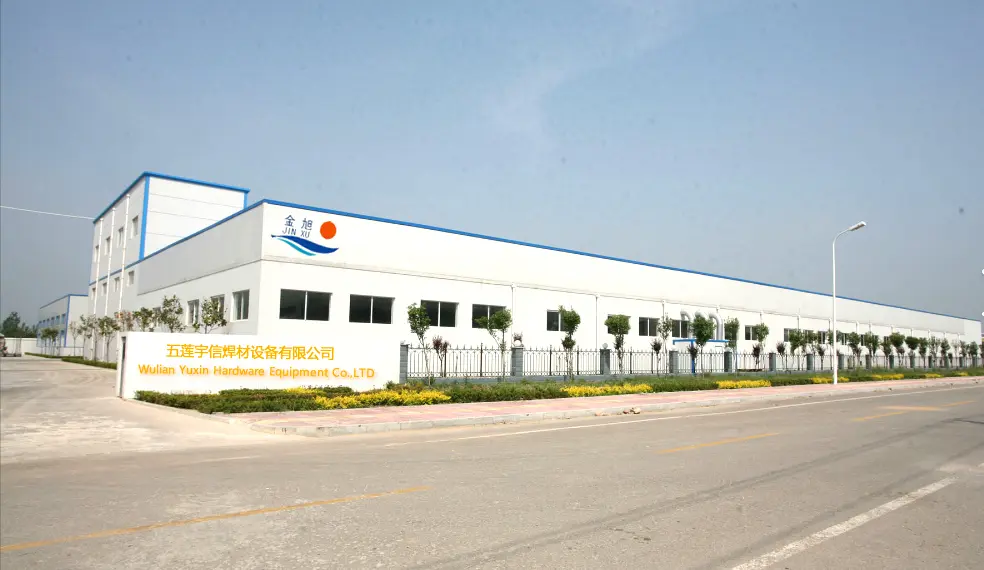
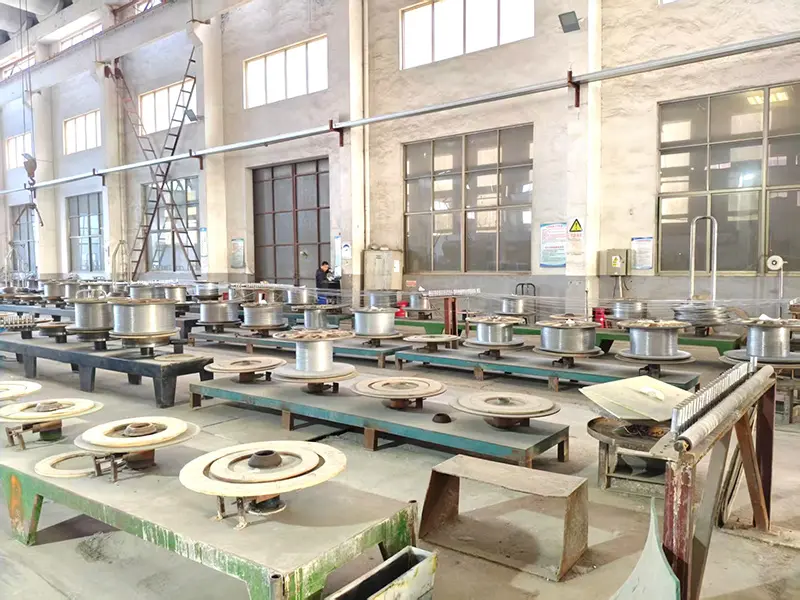
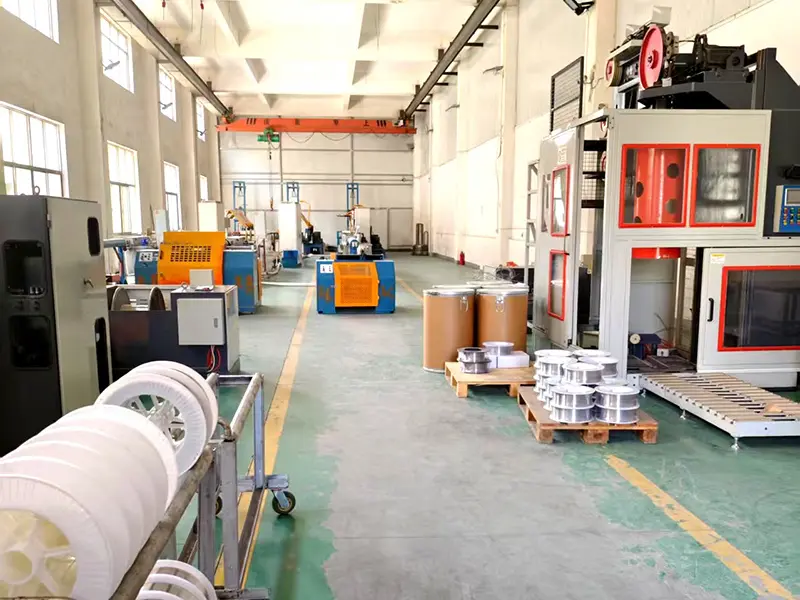
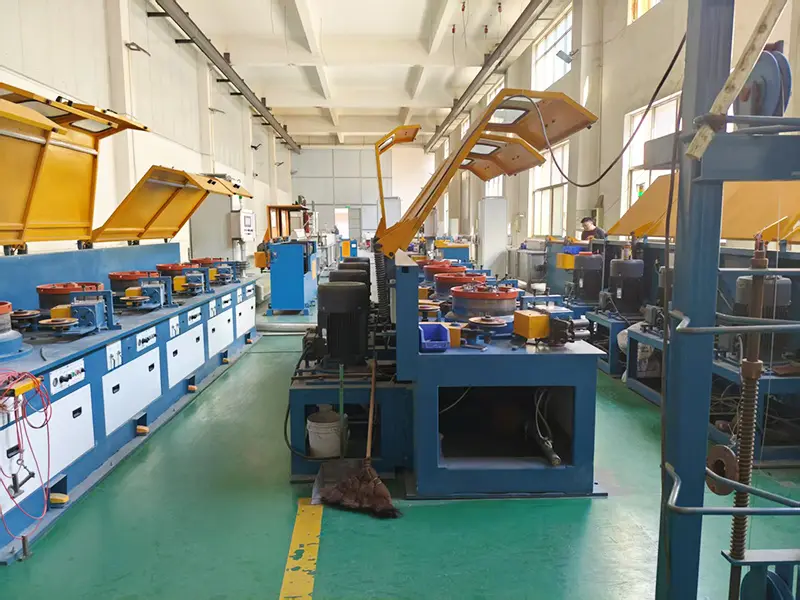
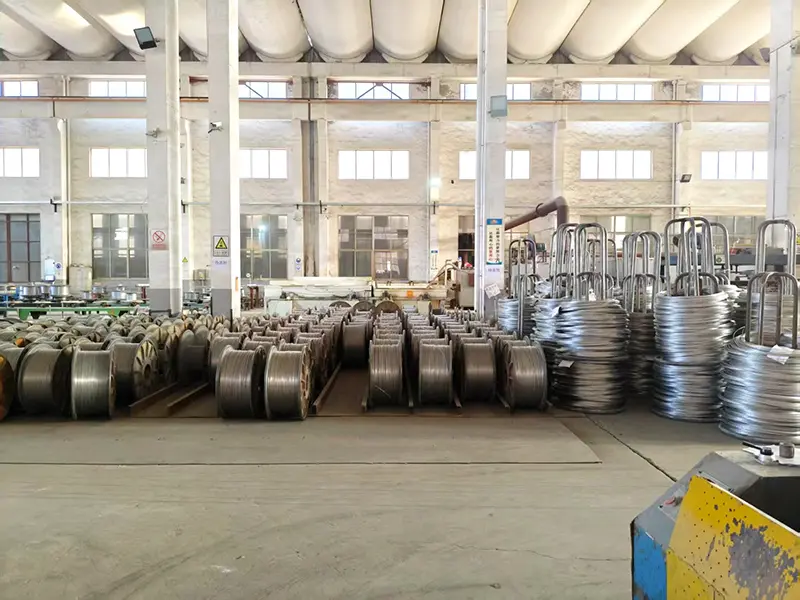
Established in Wulian, Rizhao City, Shandong Province, Wulian Yuxin Hardware Equipment Co., Ltd. has grown from a locally excellent manufacturer to a globally recognized producer of premium welding consumables. With our own 15,000-square-meter production facility and advanced manufacturing equipment, we proudly maintain complete control over our production processes, ensuring consistent quality across our entire product range.
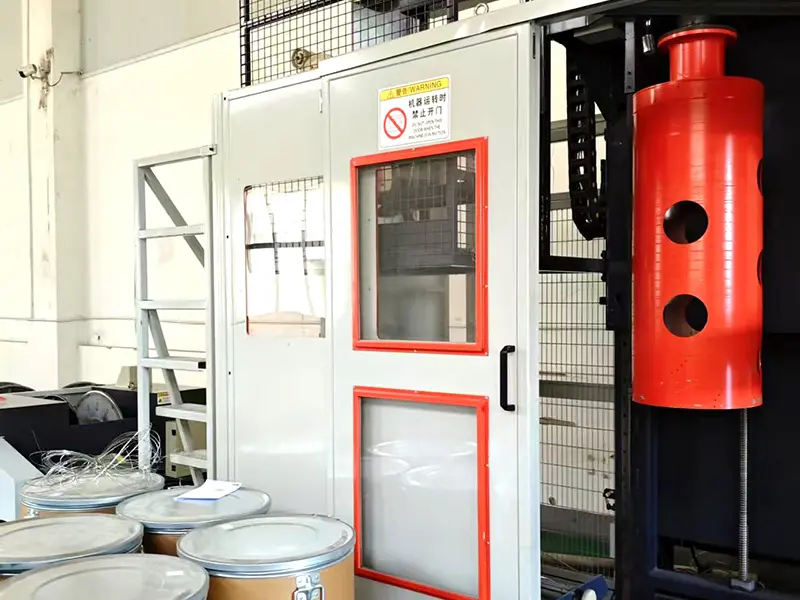
Our facility integrates advanced high-speed drawing machines, precise flux formulation blenders, high-density wire filling equipment, and computerized layer-winding machines. This ensures that every millimeter of wire has an exact flux-to-sheath ratio and seamless physical dimensions.
Why international procurement teams trust Wulian Yuxin as their reliable partner for welding consumables.
Our in-house R&D team continuously improves product formulations, while our QC department maintains tolerances 30% stricter than industry standards. All products meet ISO9001 and CE certifications.
Today, our products are trusted by industrial clients in over 20 countries, spanning Europe (Germany, Poland, Italy, Spain), Southeast Asia (Vietnam, Thailand, Indonesia), Africa, and South America.
We remain committed to our founding principles of integrity, innovation, and customer focus—values that have guided us through nearly two decades of sustainable growth.
As we look ahead, we are actively investing in automated production lines to increase capacity by 40%, eco-friendly packaging solutions, and enhanced testing facilities.
Inside Wulian Yuxin's 15,000-square-meter modern factory floor and testing labs.
Analyzing how our specialized welding wires perform under harsh environmental and mechanical conditions.
In chemical plants and offshore refineries, internal surfaces of carbon steel tanks and pipelines are clad with 309L stainless steel to provide cost-effective corrosion resistance. Using Yuxin Flux-Cored MIG Wire for the transition layer minimizes dilution from the base steel. The fast-freezing rutile slag supports complex geometries, providing flat weld surfaces and clean tie-ins that require minimal post-weld grinding. This significantly reduces project labor times while meeting critical API codes.
For municipal and industrial power boilers, joining low-alloy ferritic steel heat-exchanger tubes to austenitic stainless-steel headers is a common engineering challenge. Due to thermal expansion differences, the weld zone must withstand high operational cycles and heat. Our E309L wires offer the ductility and chemical stability required to prevent thermal fatigue cracking, guaranteeing long-term plant uptime.
Shipbuilding and offshore port cranes require robust welding solutions due to continuous exposure to saltwater. Transition welds made with Wulian Yuxin ER308L and ER316L wires provide corrosion resistance and high impact toughness even at sub-zero temperatures. Sourcing directly from our ISO9001 certified facility ensures compliance with international maritime welding standards.
In the manufacture of heavy-duty truck bodies, exhaust systems, and railway rolling stock, components must regularly join structural carbon steels to stainless steels. Our MIG and TIG wires provide the high arc stability required for high-speed robotic welding cells, minimizing spatter and keeping production lines moving smoothly.
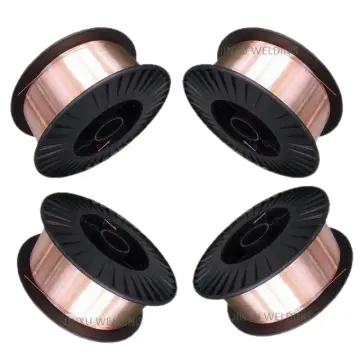
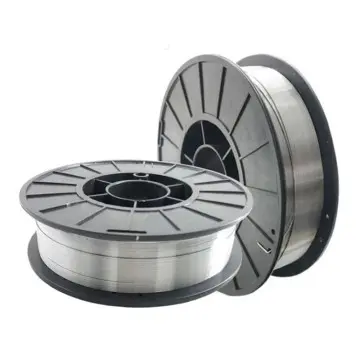
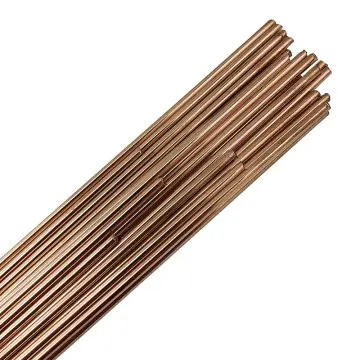
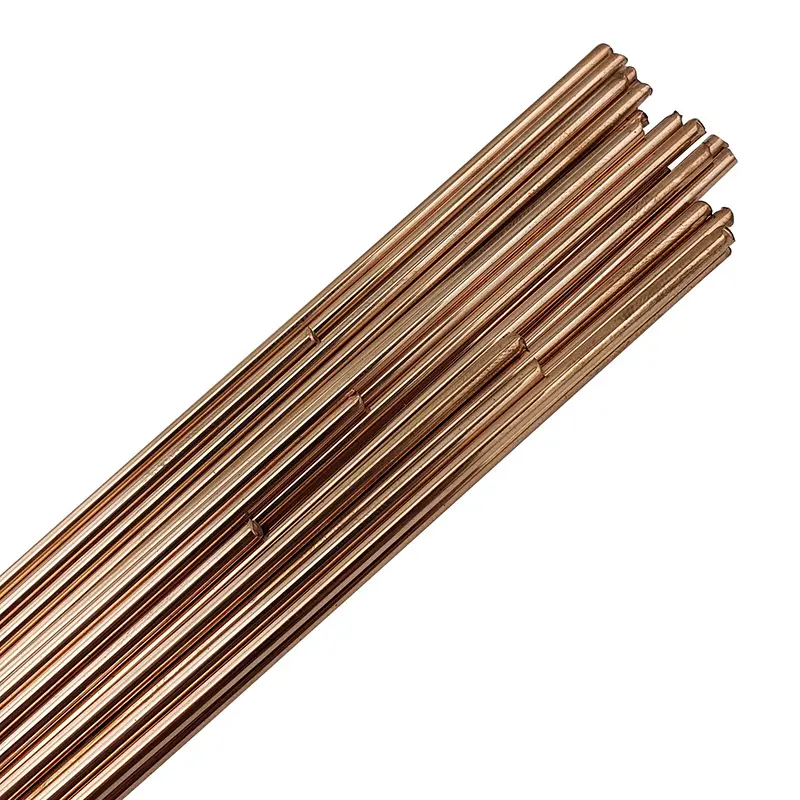
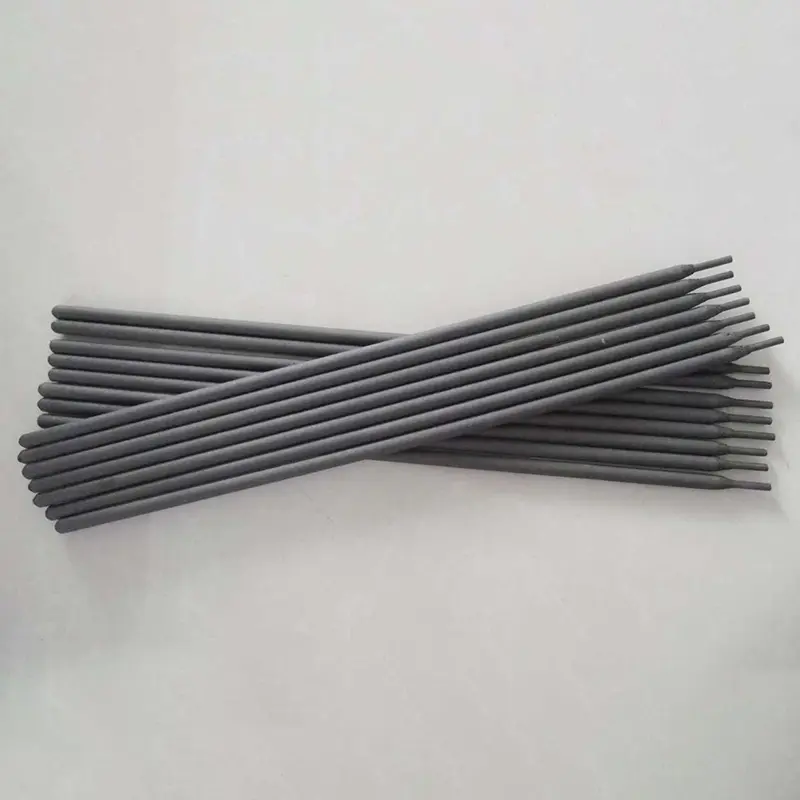
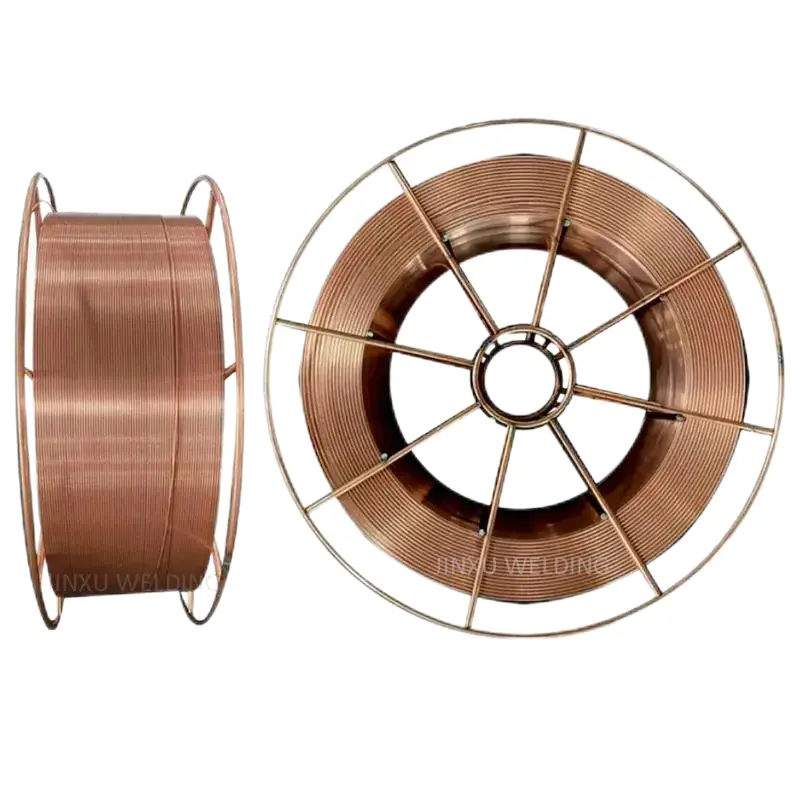
Offering a complete range of certified consumables for MIG, TIG, FCAW, and SMAW processes.
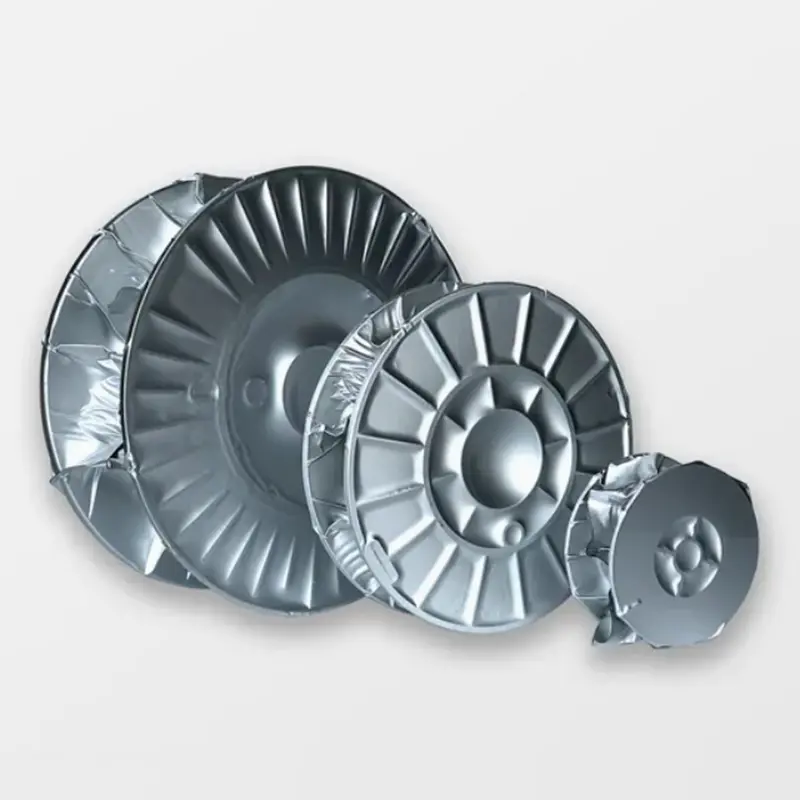
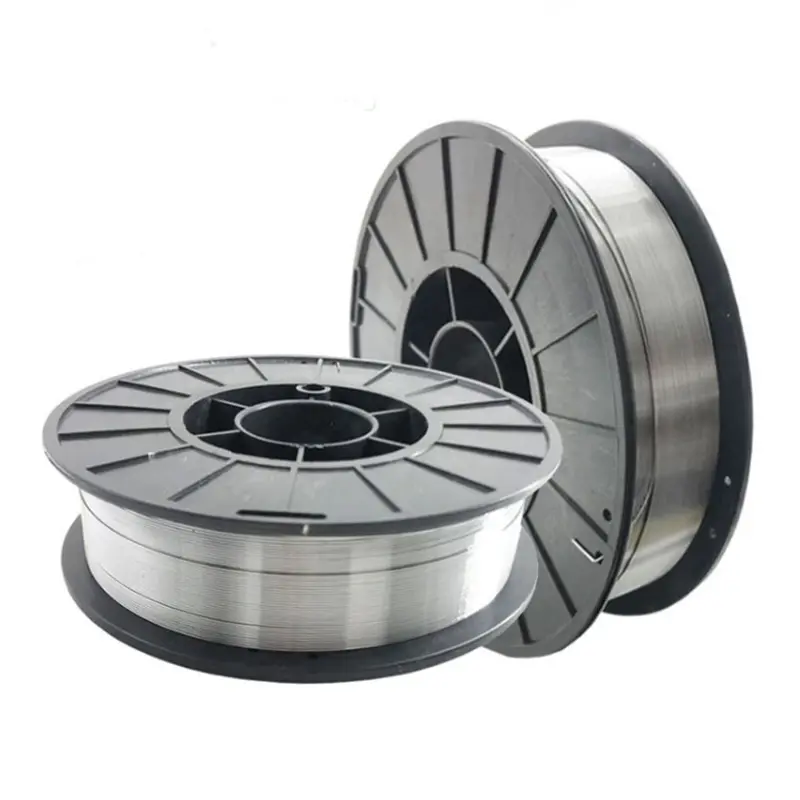
Addressing the technical, operational, and commercial questions asked by professional welding engineers.
Leading Chinese manufacturers utilize integrated supply chains, starting with premium raw wire rods from top-tier domestic steel mills and drawing them in automated facilities. Advanced, high-speed computerized drawing and layer-winding equipment ensure physical consistency (meeting AWS A5.22 parameters) at a lower production cost. This allows global distributors and industrial projects to optimize consumable costs without sacrificing quality or weld integrity.
The difference lies in the maximum carbon limit. E309 has a carbon limit up to 0.10%, whereas E309L restricts carbon to ≤ 0.04%. The low-carbon formulation (L-grade) is highly recommended for parts operating in corrosion-prone environments, as it prevents chromium carbide precipitation at the grain boundaries. This avoids intergranular corrosion without sacrificing tensile strength.
AWS A5.22 classified wires like E309LT1-1 are formulated to be shielded with 100% Carbon Dioxide (CO2), which offers deep penetration and lower cost, or an Argon/CO2 blend (typically 75% Ar / 25% CO2), which produces less spatter, yields a smoother weld bead profile, and improves puddle control in out-of-position welds. Sourcing from a factory that tests and certifies the wire for both gas options ensures versatility on the shop floor.
Consistency is managed through strict, multi-stage quality control. First, chemical testing verifies the composition of the sheath steel and incoming flux materials. During formulation, electronic weighing ensures the flux powders are mixed uniformly. Optical inspection systems scan the filled wire for gaps or inconsistent core density, and mechanical checks verify wire diameter and tensile properties to ensure reliable feeding and welding performance.
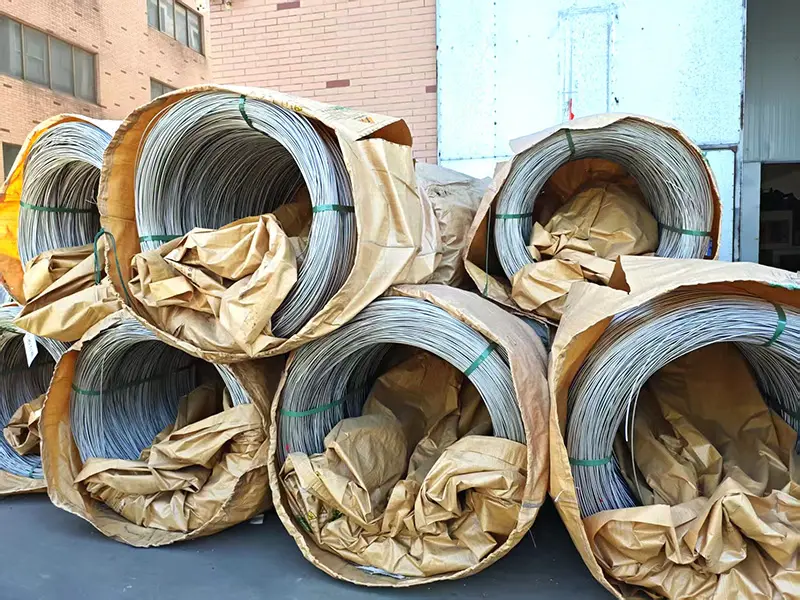
Flux-cored wires can absorb moisture from the air, which can cause hydrogen-induced cracking or porosity in the weld metal. Wire spools should be stored in dry, temperature-controlled environments, kept in their original sealed vacuum packaging until needed, and returned to protective cabinets or dry rooms if left out of the machine for extended periods. Sourcing spools packed with protective desiccant bags helps maintain quality during shipping and storage.
Premium welding electrodes, solid wires, and flux-cored products engineered for global industrial buyers.
 Yuxin
Yuxin