 Yuxin
Yuxin
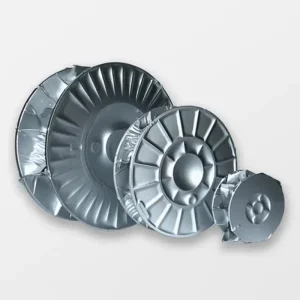
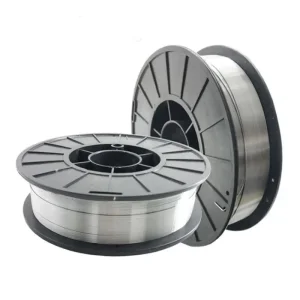
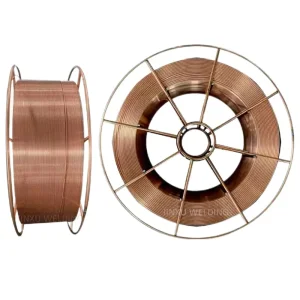
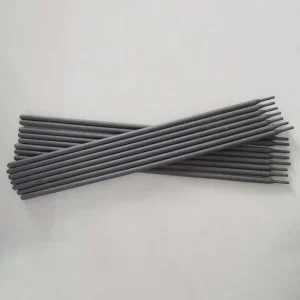
Industrial Whitepaper: The Evolution of Gasless Alloy MIG Wire in the Era of Global Engineering
"Modern metallurgical engineering is shifting rapidly toward independence from external shielding gases. Self-shielded flux-cored alloy wires represent the cutting edge of cost optimization, deposition efficiency, and environmental resilience for heavy industry."
1. Global Commercial Context & The Shift to Self-Shielding Solutions
In the competitive landscape of modern infrastructure, structural engineering, and heavy machinery fabrication, efficiency remains the primary driver of technological evolution. Traditional Gas Metal Arc Welding (GMAW/MIG) relies heavily on high-purity shielding gases such as Carbon Dioxide (CO2) or Argon mixtures to protect the molten weld pool from atmospheric contamination (nitrogen and oxygen). However, the reliance on external gas cylinders poses substantial logistical bottlenecks in remote, wind-swept, or offshore environments.
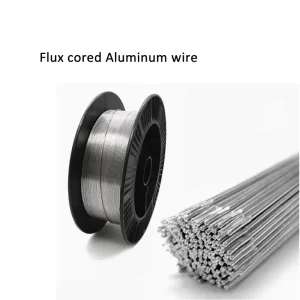
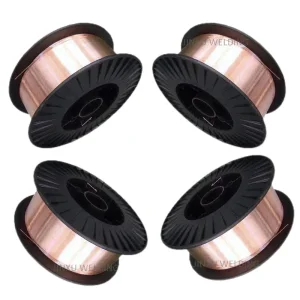
This is where Gasless Alloy MIG Wire (categorized scientifically as Self-Shielded Flux-Cored Arc Welding wire, or FCAW-S) has revolutionized the fabrication sector. By integrating the shielding components directly into the core of the tubular wire as a precise blend of deoxidizers, denitrifiers, and slag-forming elements, manufacturers eliminate the need for gas cylinders entirely.
From a macroeconomic perspective, global procurement officers are increasingly opting for Chinese manufacturers of gasless alloy wire. Key driving factors include the substantial reduction in shipping weight and volume by omitting shielding gas systems, lower capital expenditure on gas regulators and supply lines, and dramatic increases in arc-on time. This shift is particularly pronounced in developing industrial corridors across Southeast Asia, South America, and Eastern Europe, where logistics and local gas availability present persistent risks.
2. Advanced Metallurgy of Gasless Alloy MIG Wires
Engineering high-quality gasless alloy MIG wires demands precise metallurgical control. The process involves a complex balance of chemical formulations within the core:
- Deoxidation & Denitrifiers: Unlike solid wires, gasless wires must perform chemical work directly within the weld pool. The addition of aluminum (Al), titanium (Ti), and zirconium (Zr) ensures that nitrogen and oxygen are captured and bound into a light, floating slag before they can create porosity in the solidified weld metal.
- Alloy Customization: By customizing the internal alloy powder—integrating calculated portions of Nickel (Ni), Chromium (Cr), Manganese (Mn), and Molybdenum (Mo)—factories can tailor the deposition chemistry to match specific structural steels, high-tensile alloys, or low-alloy pressure vessels.
- Slag Dynamics: The chemical formulation must yield a fast-freezing, easily removable slag. This supports vertical-up and overhead welding positions (out-of-position capabilities) critical for structural work and field pipe laying.