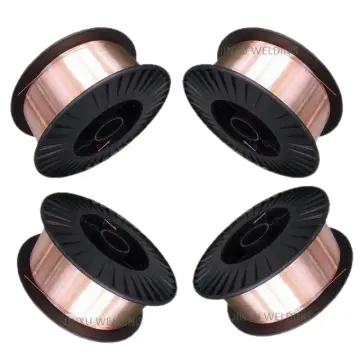
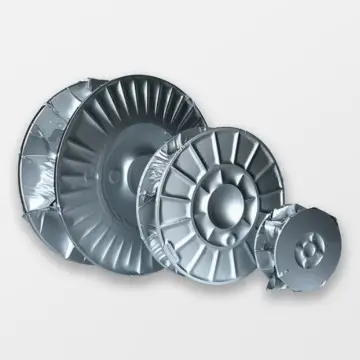
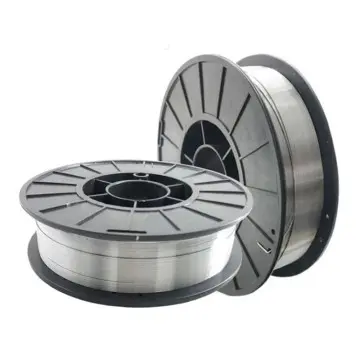
Direct supply of high-performance flux-cored wires and specialty electrodes optimized for Korean industrial standards (KS) and heavy-duty manufacturing environments.
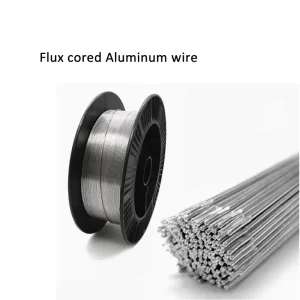
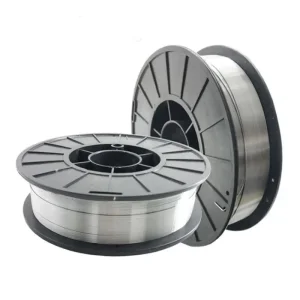
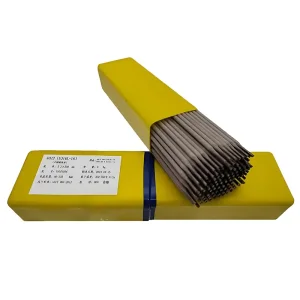
Understanding the strict quality benchmarks, metallurgical criteria, and heavy manufacturing shifts in East Asia's premier engineering hub.
South Korea stands as a global powerhouse in heavy industries, dominated by world-class maritime shipyards (including HD Hyundai Heavy Industries, Samsung Heavy Industries, and Hanwha Ocean) and automotive giants like Hyundai and Kia. In these high-stakes manufacturing ecosystems, structural integrity is non-negotiable. This has positioned Flux-Cored Arc Welding (FCAW) as the leading technology process, demanding consumables that deliver high deposition rates, low defect counts, and exceptional crack resistance.
The Korean market heavily relies on imported and domestically manufactured high-grade welding wires certified by global maritime registers (ABS, KR, LR, DNV, GL). Because Korean fabricators face extreme environmental conditions, particularly in offshore Arctic gas structures and deep-water container ships, the demands placed on flux core wires go far beyond generic AWS specifications.
A detailed engineering breakdown of flux formulations, gas shielding configurations, and physical mechanical properties required by Korean fabricators.
Modern flux-cored wires (such as E71T-1C) utilize complex mineral and alloy powders within a folded steel sheath to modify the weld pool chemistry. For Korean steel grades such as EH36 or AH36 used in offshore yards, the control of diffusible hydrogen levels is crucial. Excessive hydrogen leads to underbead cracking and catastrophic failure under fatigue stresses. Consequently, manufacturers targeting the Korean supply chain must enforce rigorous baking protocols for raw materials and maintain strict control over the wire joint seam sealing process.
| Welding Wire Classification | Common Shielding Gas | Tensile Strength (MPa) | Yield Strength (MPa) | Charpy V-Notch (CVN) Impact Toughness | Primary Industrial Applications |
|---|---|---|---|---|---|
| AWS A5.20 E71T-1C | 100% CO₂ | 530 - 600 | ≥ 400 | ≥ 47 J at -20°C | Shipbuilding, Heavy structural frames, Marine rigs |
| AWS A5.20 E71T-1M | 75-80% Ar + Bal CO₂ | 550 - 620 | ≥ 420 | ≥ 60 J at -20°C | Automotive fabrication, Heavy machinery construction |
| AWS A5.22 E308LT1-1 | 100% CO₂ or Mixed | ≥ 520 | ≥ 350 | N/A (Austenitic) | Cryogenic LNG piping, Chemical storage tank liners |
| AWS A5.18 ER70S-6 | Ar + CO₂ mix | ≥ 480 | ≥ 400 | ≥ 27 J at -30°C | Robotic assembly line welding, Pressure vessels |
By integrating micro-elements such as Titanium and Boron into the flux core, our wires guarantee refined weld metal grain structure. This dramatically improves low-temperature impact toughness, exceeding the standard expectations of marine operators in cold-climate trade routes.
Our manufacturing technology utilizes seamless tubular designs that eliminate internal moisture absorption, keeping diffusible hydrogen levels below 4ml/100g of weld metal (H4 rating), ideal for preventing cold cracking in high-tensile steels.
Pioneering global welding consumables and structural fabrication solutions since 2004.
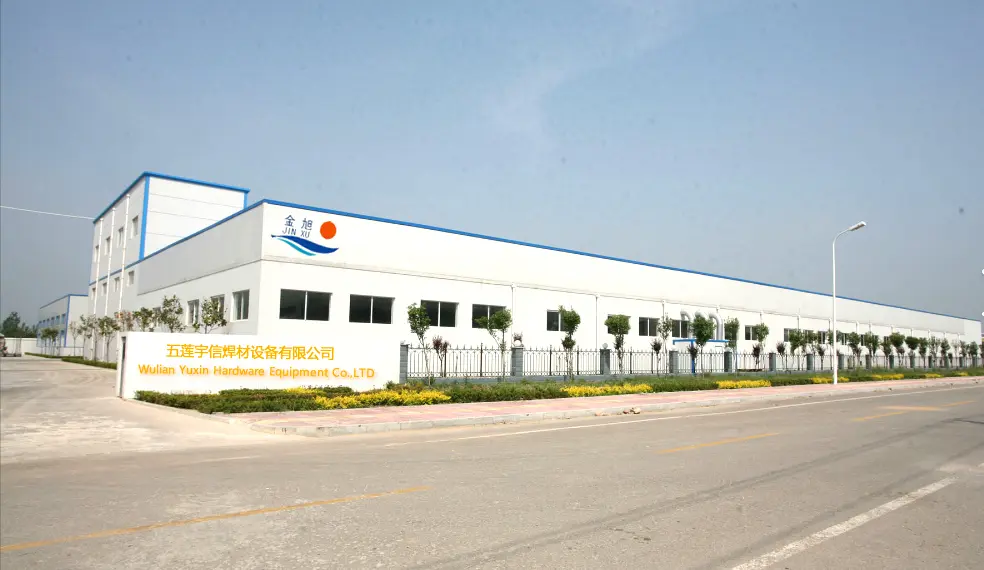
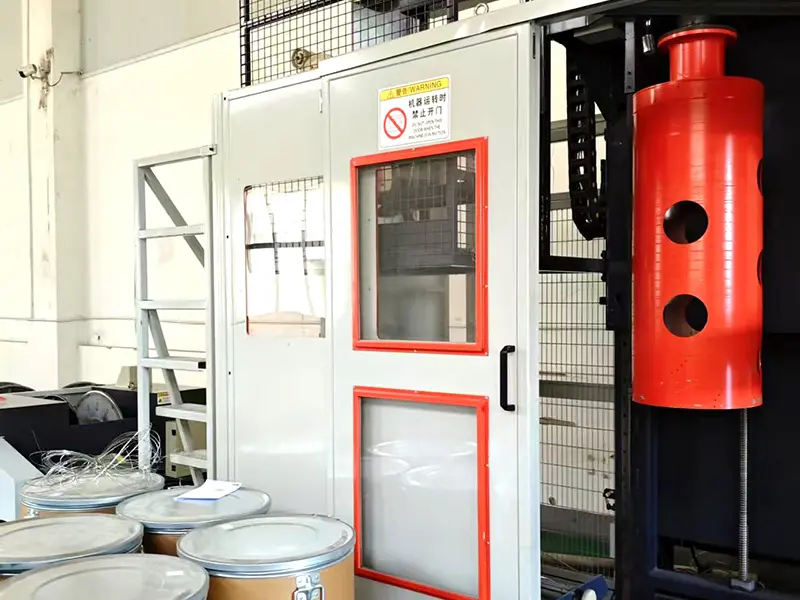
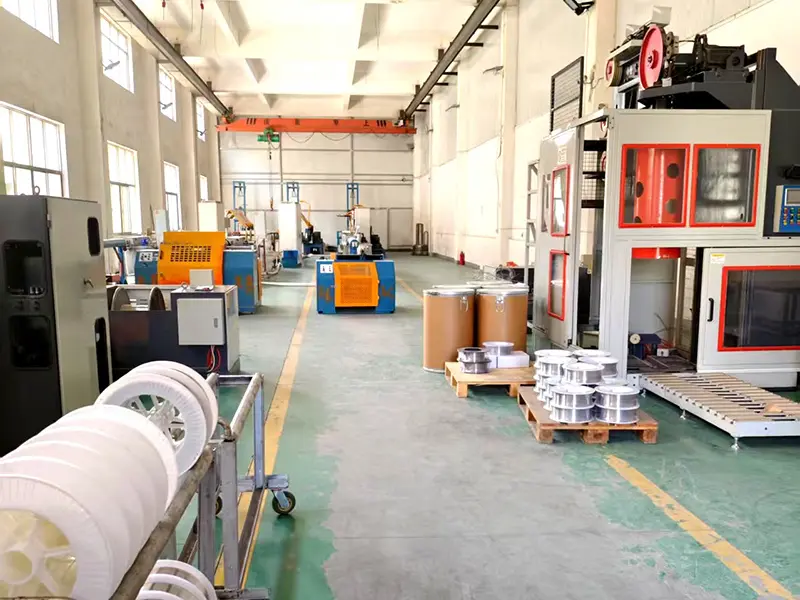
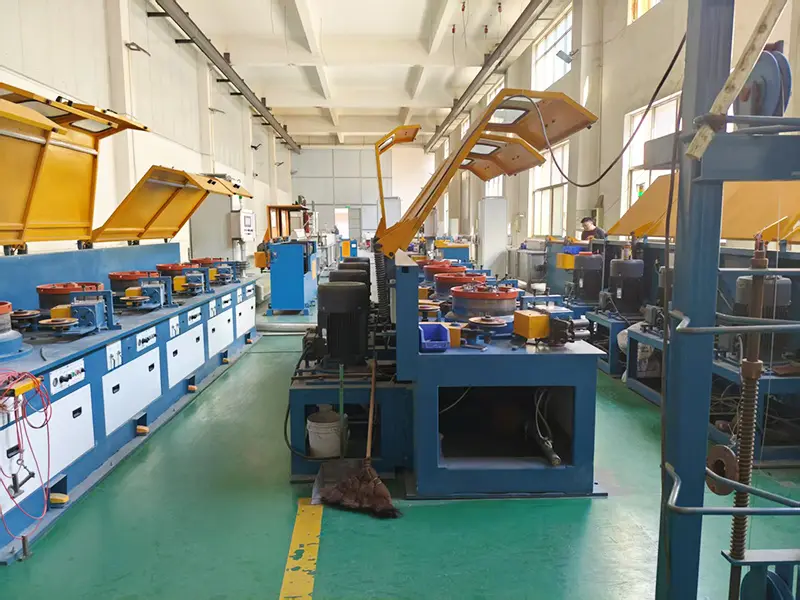
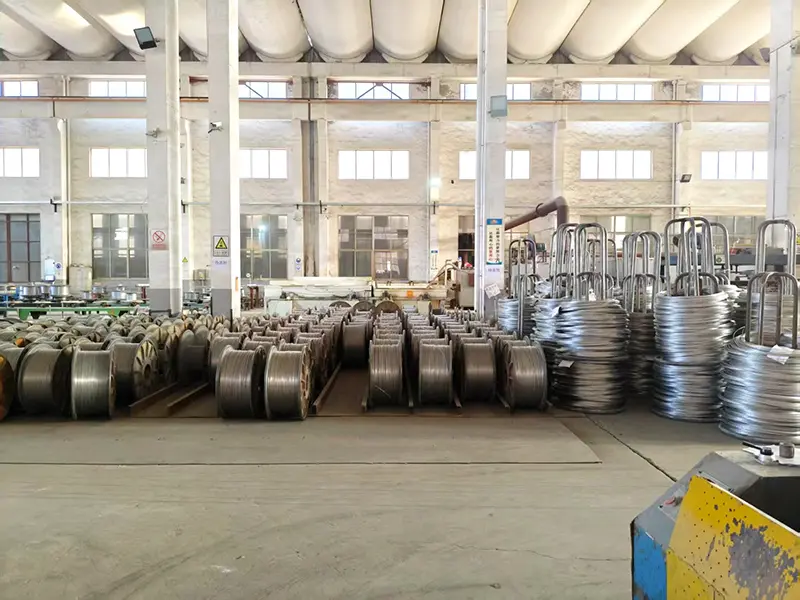
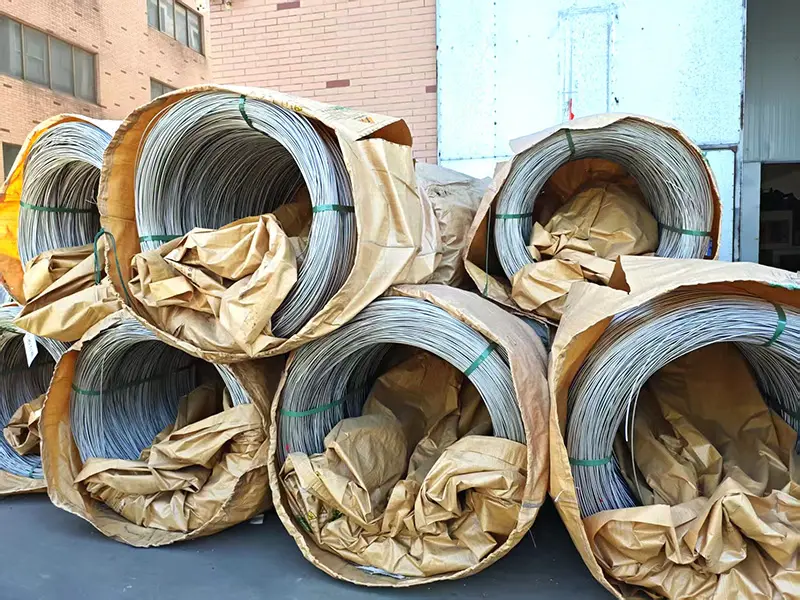
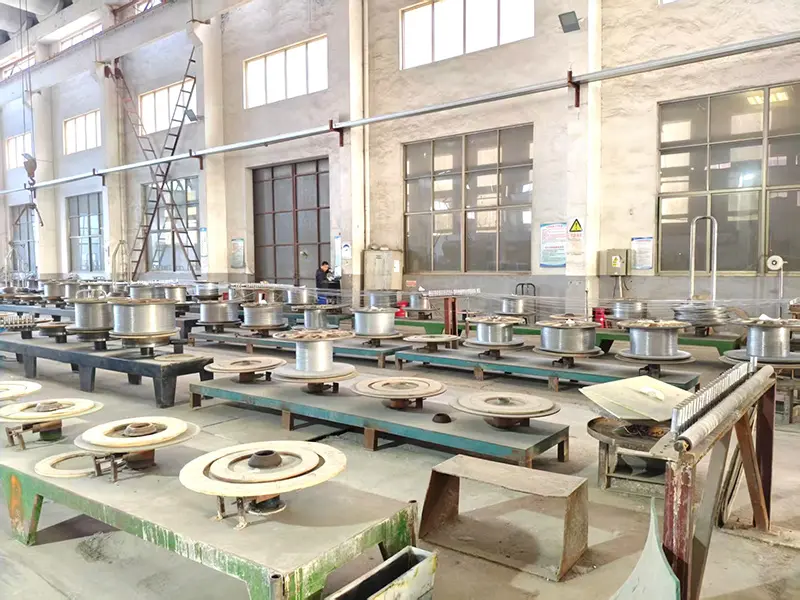
Established in Wulian, Rizhao City, Shandong Province, Wulian Yuxin Hardware Equipment Co., Ltd. has grown from a specialized local manufacturer to an international exporter. Our state-of-the-art 15,000-square-meter facility features automated wire drawing, flux blending, filling, and precision winding lines that handle complete production steps internally.
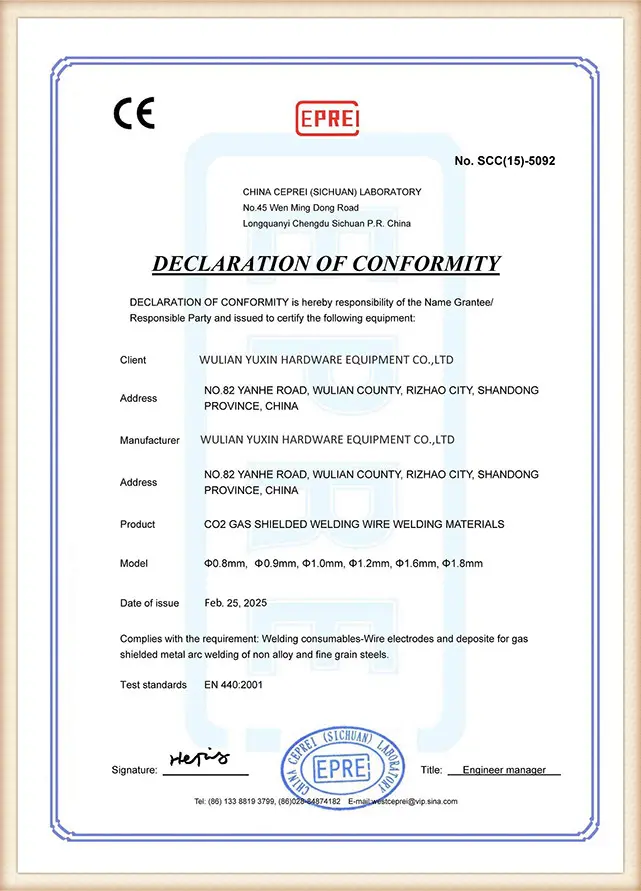
With an annual capacity of 3,000 tons, we service critical markets across five continents, including European shipyards, Southeast Asian builders, and East Asian heavy manufacturers. Our quality system is certified under ISO9001 and CE requirements, keeping structural tolerances 30% stricter than standard industrial guidelines.
Our proximity to Qingdao and Rizhao shipping ports allows us to maintain stable logistics channels to Busan, Incheon, and Ulsan, offering fast delivery times and lower transport costs for Korean manufacturing pipelines.
Strategic directions in research and development to align with global environmental goals and automated manufacturing technologies.
As South Korean manufacturing centers adopt advanced robotics to address labor challenges and increase output, welding consumables must adapt. Robotic MIG and FCAW systems require consistent wire feeding and clean arcs. Our R&D team focuses on specialized surface lubricants and precise diameter tolerances (down to ±0.01mm) to prevent tip wear and ensure reliable arc starting during continuous high-speed robotic runs.
Post-weld slag removal and spatter cleanup consume significant labor in heavy manufacturing. Our next-generation rutile-based flux formulations are designed to optimize droplet transfer, resulting in low spatter levels and slag that releases easily. This allows fabricators to save hours of manual cleaning on large-scale ship blocks and heavy equipment assemblies.
Global environmental mandates are driving shipbuilders to minimize packaging waste. In response, we are introducing fully recyclable, dry-vacuum foil packaging and reusable wire carrier systems. This helps reduce on-site waste disposal costs while protecting sensitive welding wires from moisture and rust during storage.
Tailored manufacturing programs, supply options, and logistics support built for critical high-value industrial sectors.
High-deposition FCAW wires (E71T-1C) that meet strict low-temperature impact tests (down to -20°C / -40°C), ideal for hull structures, offshore topsides, and cargo ship assemblies.
Specialized solid wires (ER70S-6) and thin-gauge aluminum flux-cored wires designed for high-feedability and clean arcs in automated robotic assembly bays.
Austenitic stainless steel welding wires (ER308L, ER316L) optimized for gas-shielded arc welding in LNG storage vessels and corrosive process piping.
Showcasing our global reach, production standards, and quality approvals to heavy industrial clients worldwide.
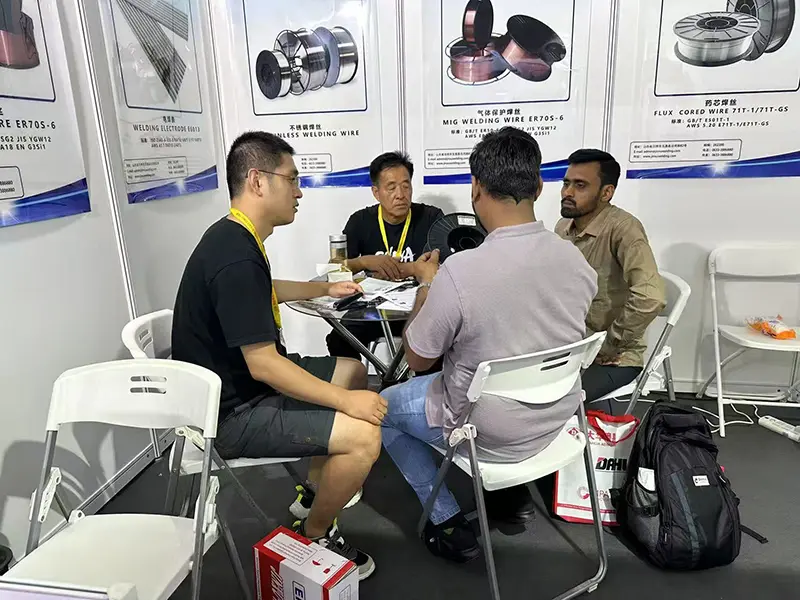
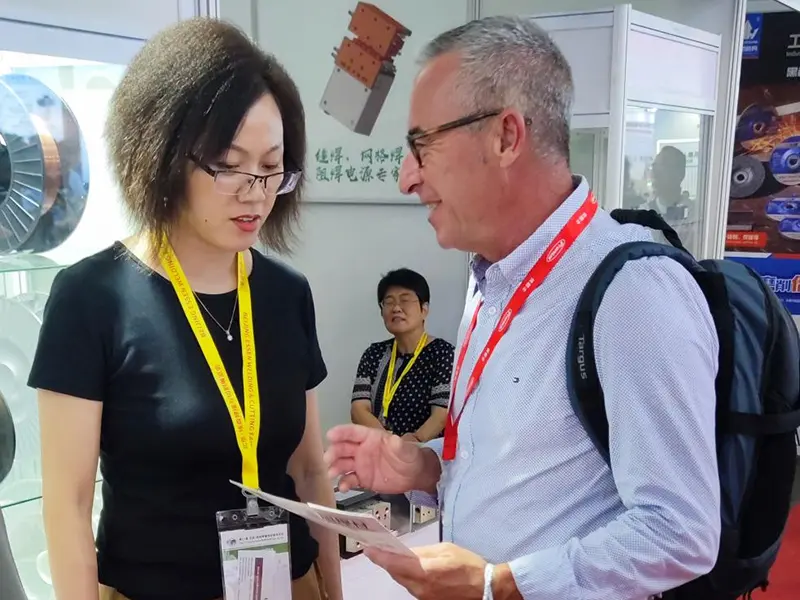
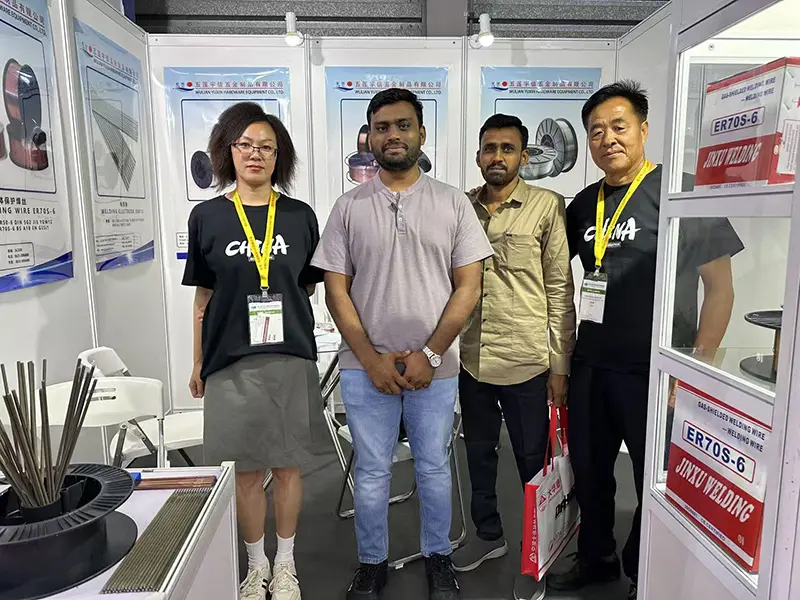
Wulian Yuxin operates as a trusted partner for structural steel fabricators, industrial distributors, and OEM suppliers. By presenting at major global welding and metallurgy expos, we ensure our research, quality benchmarks, and product updates are shared directly with the market.
Our logistics network is configured to support large-volume shipments, container packing, and customized labeling. This ensures that every order reaches its destination in perfect condition, complete with mill test certificates (MTC) and performance documentation.
Explore our full range of solid, flux-cored, and stainless steel welding consumables optimized for heavy industrial and structural applications.
Detailed engineering answers to address common queries regarding flux-cored consumables, shielding gas choice, and quality issues.
The main difference lies in the shielding gas formulation and the resulting mechanical properties. The suffix "C" indicates the wire is optimized for use with 100% Carbon Dioxide (CO₂), which offers deep penetration and lower consumable gas costs. The suffix "M" designates mixed gas, typically 75-80% Argon balanced with CO₂. Mixed gas systems provide a smoother spray transfer, significantly lower spatter levels, and higher Charpy V-notch (CVN) impact toughness at lower temperatures, which is often required for offshore and structural applications in cold climates.
Cold cracking, or hydrogen-induced cracking (HIC), occurs when moisture is trapped in the flux core and dissociates in the welding arc, releasing free hydrogen into the weld pool. Under stress, this hydrogen migrates to grain boundaries, causing cracks. By utilizing hermetically sealed packaging, moisture-resistant flux ingredients, and precise baking controls, we maintain diffusible hydrogen levels below 4ml/100g (H4). This helps prevent structural failures in thick-plate steel welds without requiring excessive pre-heating.
Yes. Robotic systems require consistent wire feedability, stable arcs, and clean contact tip performance to avoid downtime. Our wires feature precise diameter tolerances, specialized wire surface coatings, and controlled cast/helix dimensions. This prevents bird-nesting at the feeder rolls and ensures stable arc tracking during continuous robotic welding runs in automotive and equipment assembly lines.
For marine and offshore structural components, fabricators require approvals from recognized classification societies. Key approvals include the Korean Register of Shipping (KR), American Bureau of Shipping (ABS), Lloyd's Register (LR), Bureau Veritas (BV), and DNV. Additionally, compliance with KS D 7104 standards ensures the wire is suitable for structural projects inside South Korea.
Explore our broader range of solid, TIG, carbon steel, and stainless steel welding consumables developed for high-stress manufacturing.
 Yuxin
Yuxin