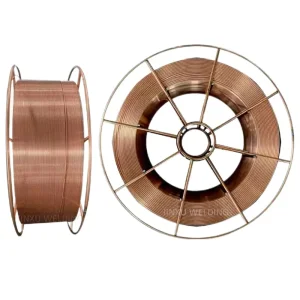
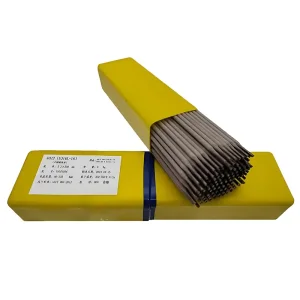
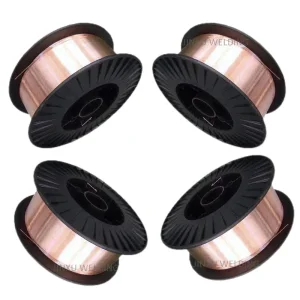
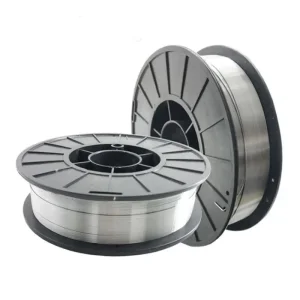
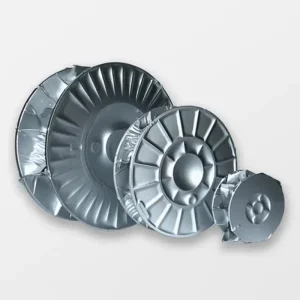
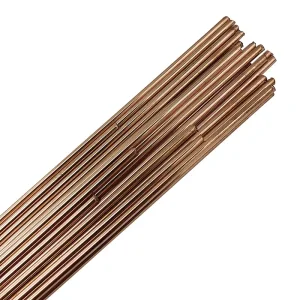
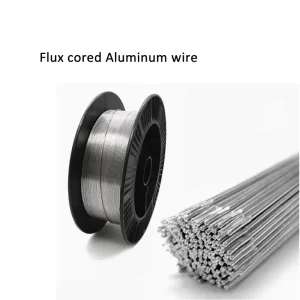
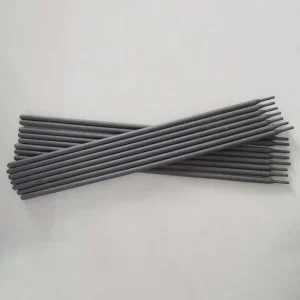
Tokyo, as the heart of Japan's "Keihin Industrial Zone," represents one of the most demanding welding markets globally. From the massive shipbuilding yards in the Tokyo Bay area to the high-tech robotics manufacturing in the Kanto region, the demand for MIG Welding Wire is characterized by a need for absolute reliability and adherence to JIS (Japanese Industrial Standards).
Manufacturers serving the Tokyo market must navigate a landscape where automated robotic welding is the norm. Our products are engineered to provide the stable arc and consistent feedability required by the latest FANUC and Yaskawa robotic arms prevalent in Tokyo's smart factories. Whether it's for seismic-resistant structural steel in Shinjuku's skyscrapers or precision automotive components, our welding consumables provide the metallurgical integrity required for Japan's rigorous safety codes.
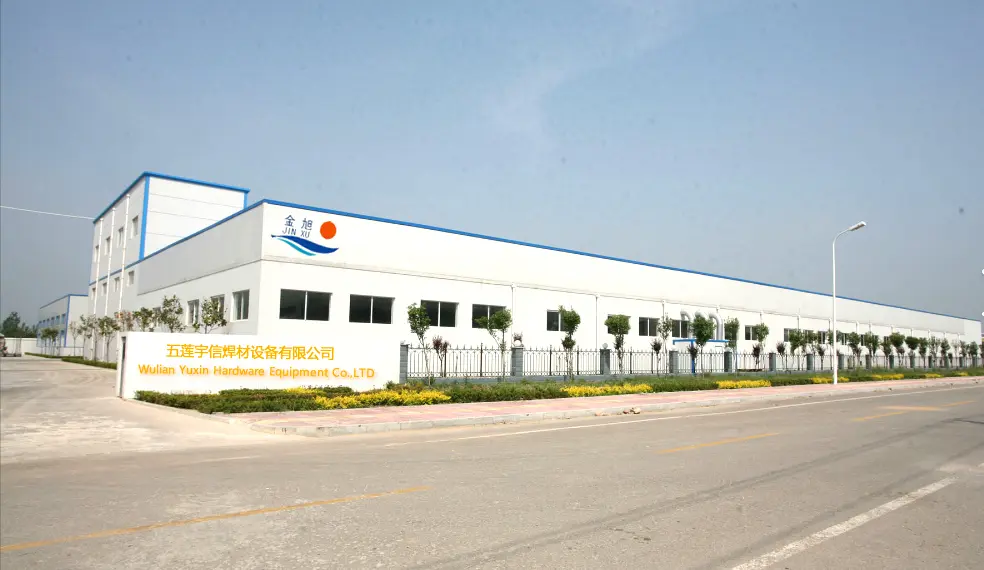
Established in 2004, Wulian Yuxin Hardware Equipment Co., Ltd. has spent two decades perfecting the art of wire drawing and chemical composition control. Our 15,000-square-meter facility serves as a beacon of quality in the global welding industry.
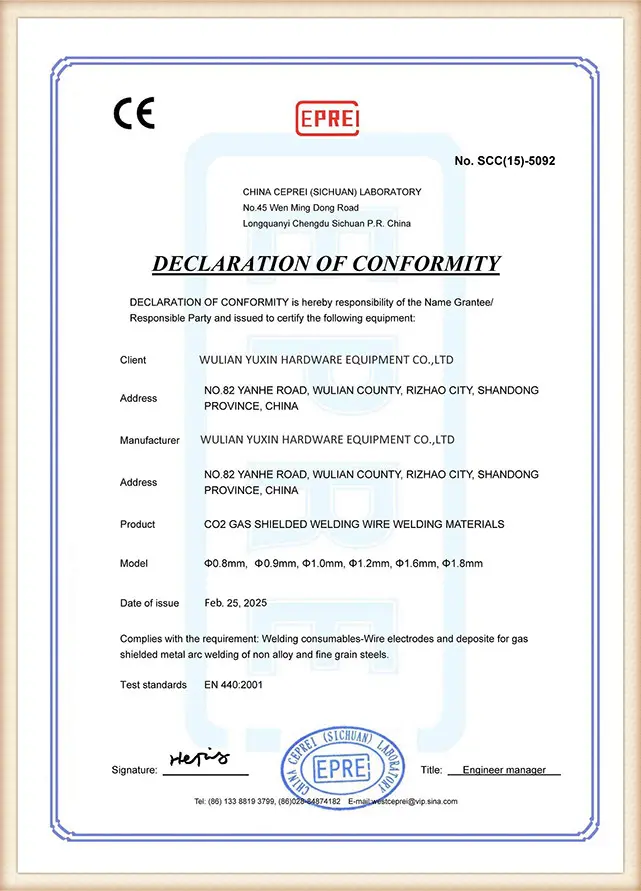
What sets Wulian Yuxin apart is our unwavering commitment to quality. Our in-house R&D team continuously improves product formulations, while our QC department maintains tolerances 30% stricter than industry standards. This is crucial for the Tokyo market, where precision in wire diameter is vital for preventing bird-nesting in long-conduit robotic setups.
Every batch of our MIG wire, whether ER70S-6 or E71T-1C, undergoes rigorous testing for tensile strength, impact toughness, and chemical purity. This ensures that the weld metal matches the high-tensile steel grades commonly used in Japanese construction (such as SN490 and SS400).
View Tech SpecsTokyo's labor shortage is driving a shift toward 24/7 autonomous welding. Our "High-Feed" coating technology reduces friction in liners, ensuring smooth delivery even at high wire speeds.
Green manufacturing is a priority in Japan. We are transitioning to eco-friendly packaging and copper-free wire options to reduce fume emissions and environmental impact.
With Tokyo's constant seismic activity, weld ductility is non-negotiable. Our flux-cored wires are optimized for superior crack resistance and low hydrogen content.
We provide comprehensive welding solutions for Tokyo's diverse industrial sectors:
Our technical team provides localized support, helping Tokyo procurement managers optimize their welding parameters to reduce post-weld cleaning time by up to 25%—a major "Information Gain" for efficiency-focused Japanese firms.
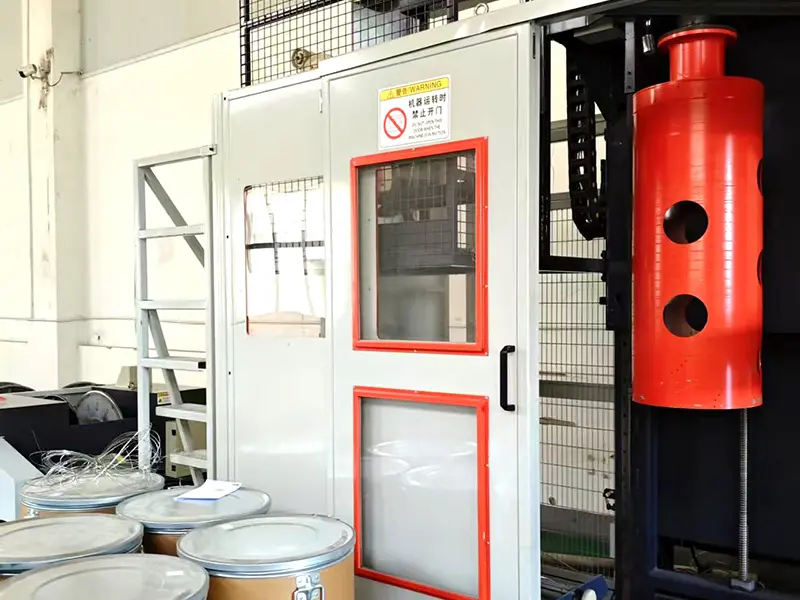
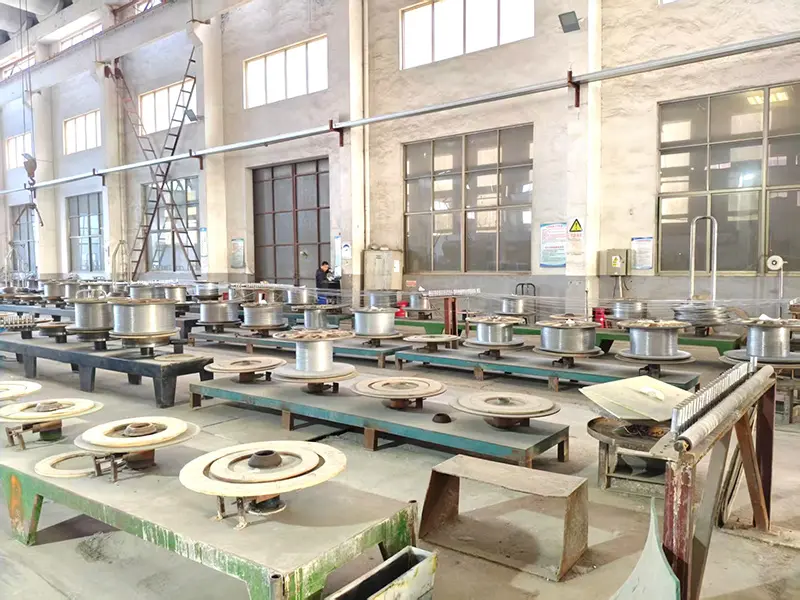
Automated Drawing Lines

Precision Layer Winding

Chemical Analysis Lab
 Yuxin
Yuxin