Engineered specifically to survive demanding industrial applications, these top-tier wires support high-reliability fabrication across the Chicago region.
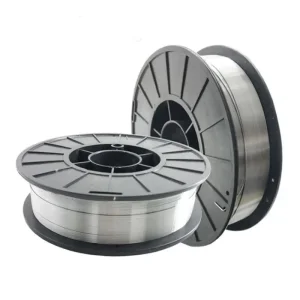
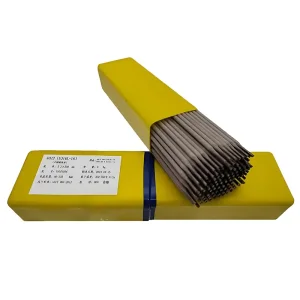
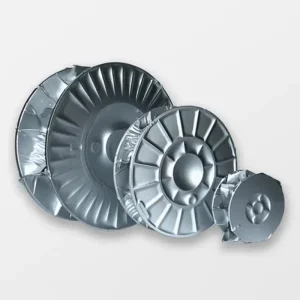
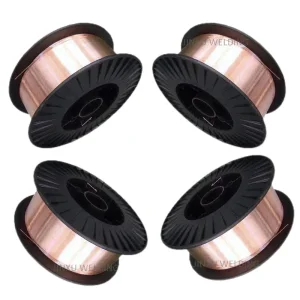
As the logistical heartbeat of North America, Chicago remains a foundational hub for metalworking, automotive manufacturing, and heavy structural engineering. The region’s severe winter weather, humid summer months, and proximity to Lake Michigan create severe environmental demands. Standard wire products degrade rapidly in these conditions; therefore, Chicago's industrial sector relies heavily on advanced corrosion-resistant stainless steel wire formulations (such as ER308L and ER316L) to ensure the lifespan and structural integrity of local infrastructure projects, food processing installations, and transport networks.
From the heavy manufacturing clusters in Cook County and the Calumet industrial corridor to the specialized medical instrument facilities in the suburbs, the demand for precision-grade wire consumables is surging. Quality control guidelines dictate that components used in Chicago's building designs, petrochemical pipelines, and automotive exhaust systems meet high mechanical thresholds. Sourcing from experienced manufacturers allows local fabricators to sustain continuous, automated high-volume production without fear of mechanical failure.
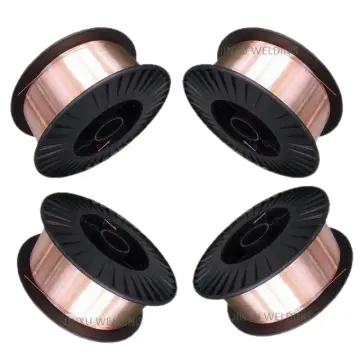
Optimized chromium and nickel ratios designed to withstand the harsh, variable environments of the Midwestern United States, including high moisture and salinized atmospheres.
Stricter cast and helix parameters prevent wire buckling and bird-nesting in automated robotic welding setups, optimizing production uptime.
Strict trace-element monitoring reduces weld spatter, ensuring structural soundness that complies with both ASME and AWS standards.
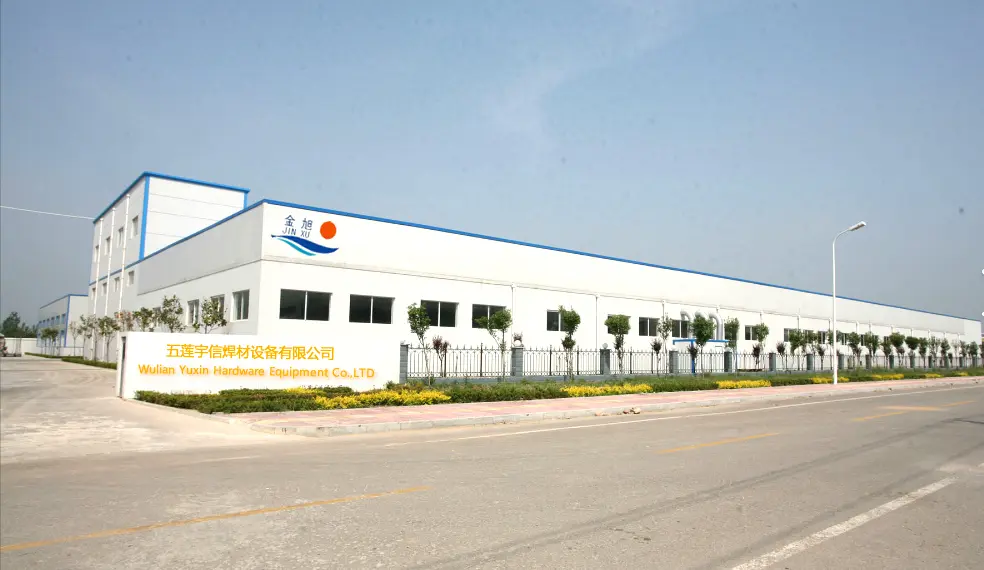
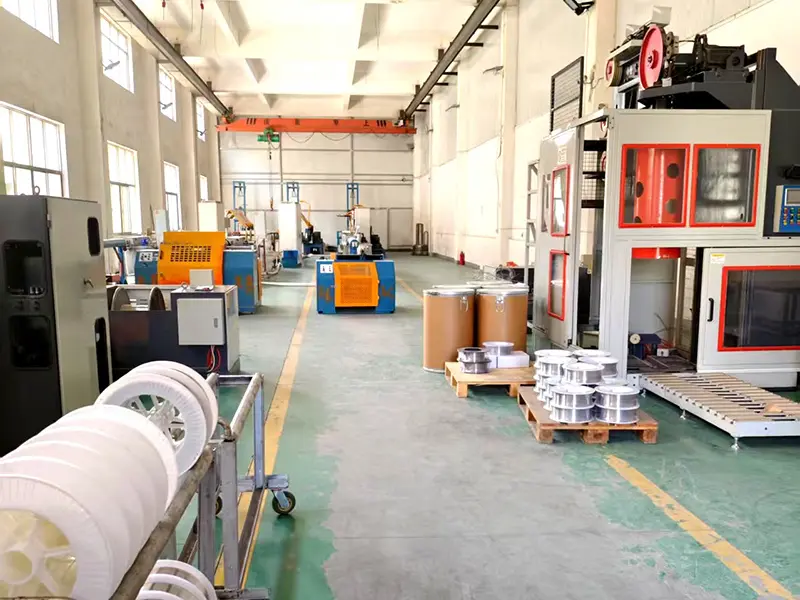
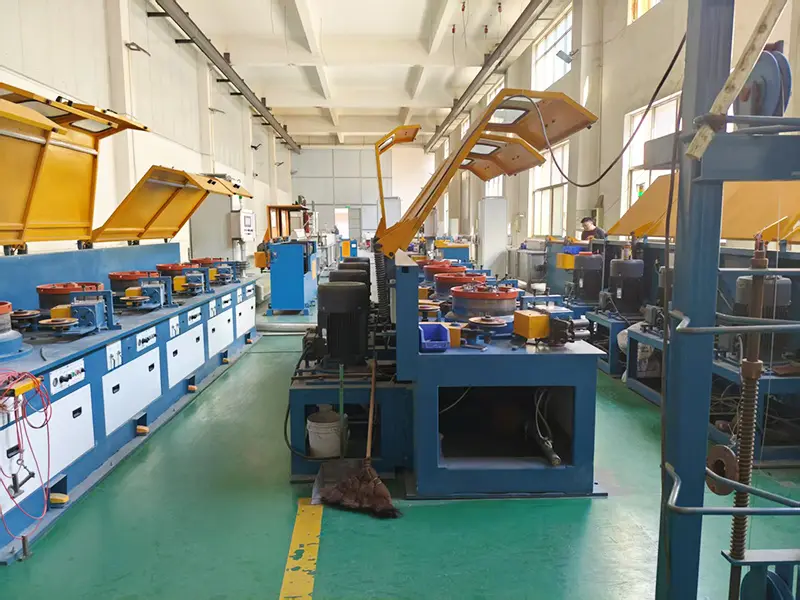
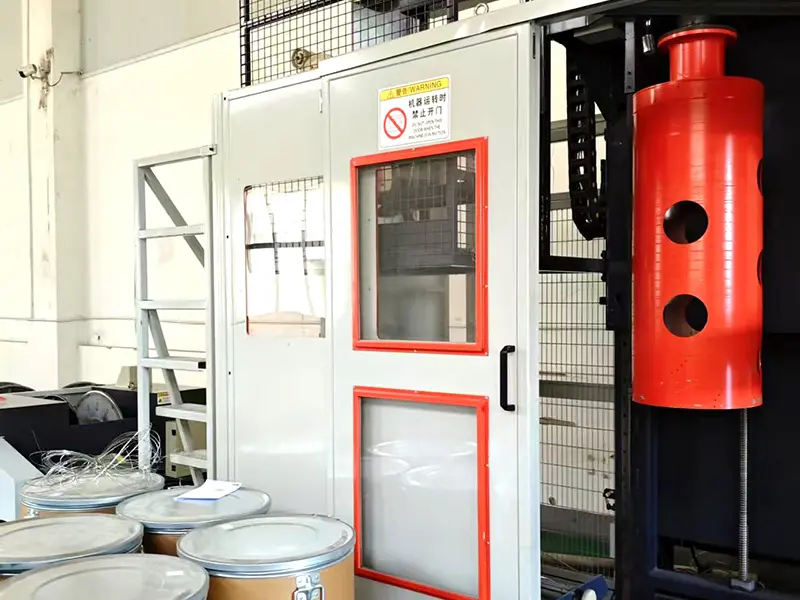
Global wire sourcing relies heavily on balancing material cost with metallurgical consistency. Our production facility at Wulian Yuxin Hardware Equipment Co., Ltd. utilizes Factory 4.0 paradigms to integrate raw material tracking with smart mechanical drawing machines. By optimizing every drawing, chemical cleaning, and spooling step, we eliminate human error, ensuring that each batch of ER308L or ER316L wire matches the exact tolerances required by Chicago's advanced metalworking shops.
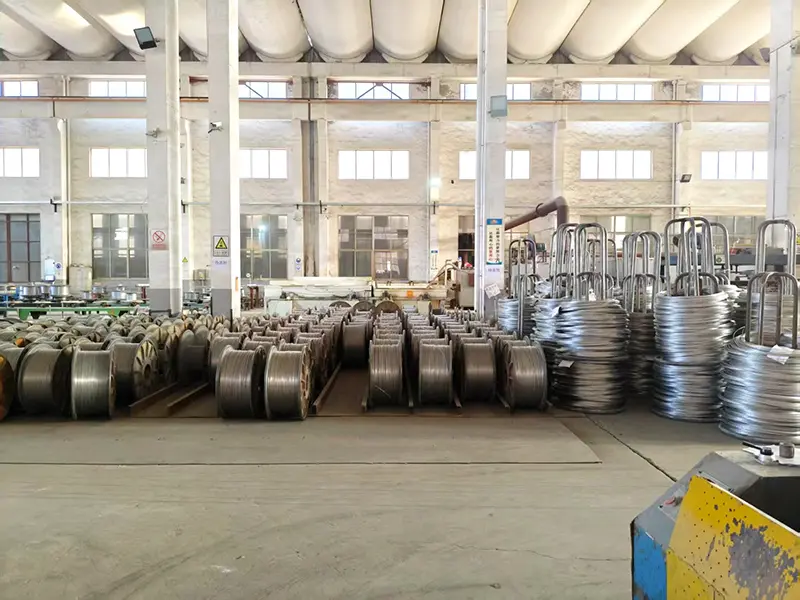
Operating a massive 15,000-square-meter facility in Shandong Province gives us direct access to major shipping ports like Qingdao, allowing us to manage complex global logistics efficiently. Our factory's automated drawing processes maintain a tolerance that is 30% stricter than standard industrial guidelines, ensuring a consistent product for automatic orbital welding and rapid robotic assemblies. This digital control system gives American buyers a dependable supply chain, bypassing the typical delivery delays of local Midwestern distribution systems.
Established Year
Production Facility
Annual Production Capacity
Stricter Quality Tolerances
Our products bridge international quality standards with real-world, high-stakes local applications.
From architectural cladding on Chicago skyscrapers to bridge structural frames across Illinois rivers, high-quality stainless welding wires provide the structural stability needed to resist load stresses and temperature shifts. The low carbon content in our ER308L/ER316L wire grades prevents carbide precipitation during welding, protecting joints from intergranular corrosion.
The Midwest is home to some of the largest agricultural, food processing, and chemical refining facilities in North America. Strict USDA and FDA guidelines demand perfectly smooth, non-porous welds to prevent bacterial buildup. Our premium stainless steel wire produces smooth, defect-free welds that easily withstand strong sanitary washes and chemical treatments.
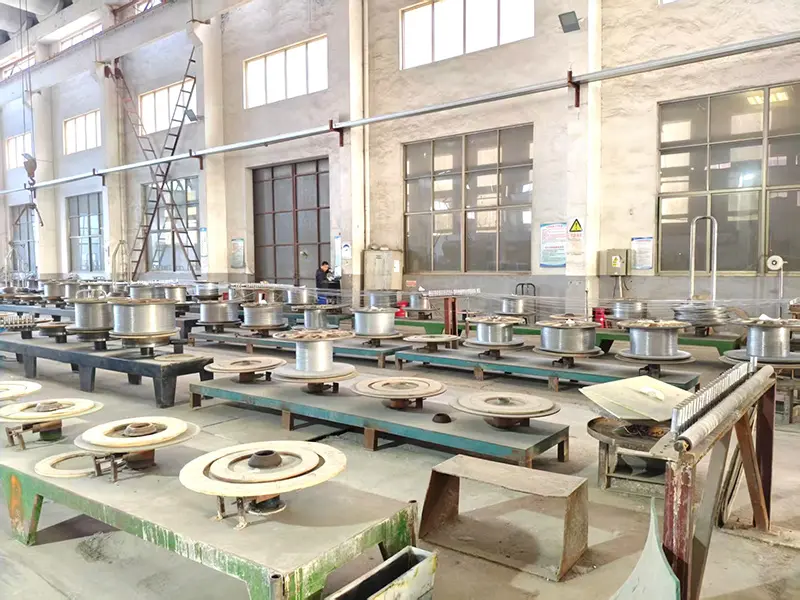
Take a look inside our 15,000-square-meter manufacturing plant, where technology and process control meet.
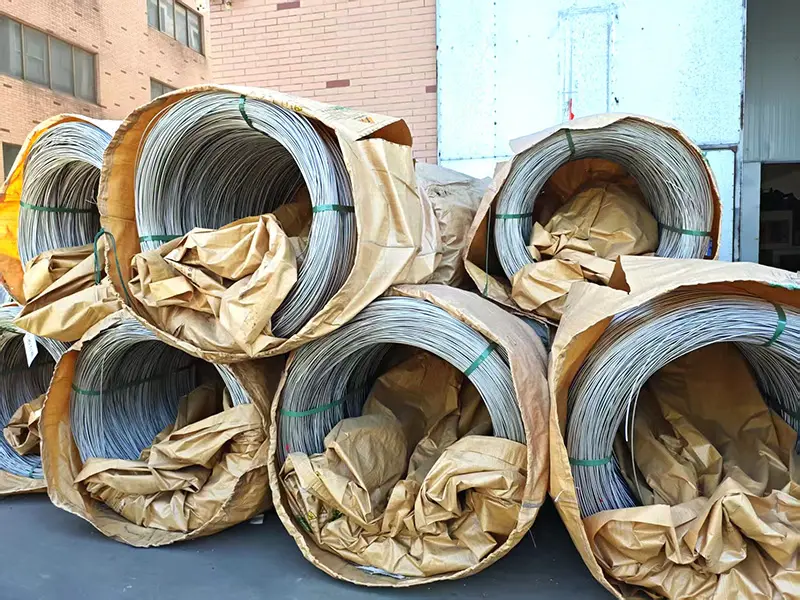
A deep technical analysis of stainless steel and alloy welding wire parameters for industrial engineering.
Welding stainless steel demands precise chemistry control. Typical industrial components, such as ER308L and ER316L, are alloyed with high chromium (18-20%) and nickel (8-12%) content. The "L" in these designations stands for Low Carbon (<0.03%). By keeping the carbon content below this threshold, the wire prevents sensitization, a condition where chromium carbides form at the grain boundaries during welding, leaving the joint vulnerable to corrosion.
Additionally, controlling the ferrite number (typically between 3 and 10 FN) is critical for structural welds in Chicago's heavy manufacturing industry. A balanced ferrite content prevents hot-cracking during cooling, while too much ferrite can reduce the wire's low-temperature toughness. Our advanced QA laboratory uses spectrometer analysis and tensile testing to verify that every batch meets these precise metallurgical balances before leaving the factory floor.
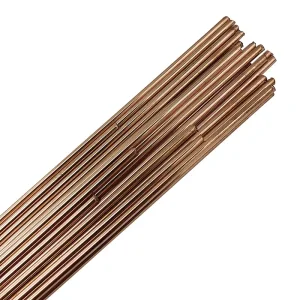
For carbon steel applications, our ER70S-6 wire options incorporate optimal levels of manganese and silicon as deoxidizers. These elements help scavenge oxygen and impurities from the weld pool, preventing porosity and slag inclusions even when welding over light mill scale or rust, which is common in Midwestern refurbishment projects.
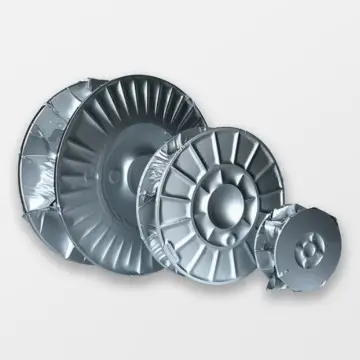
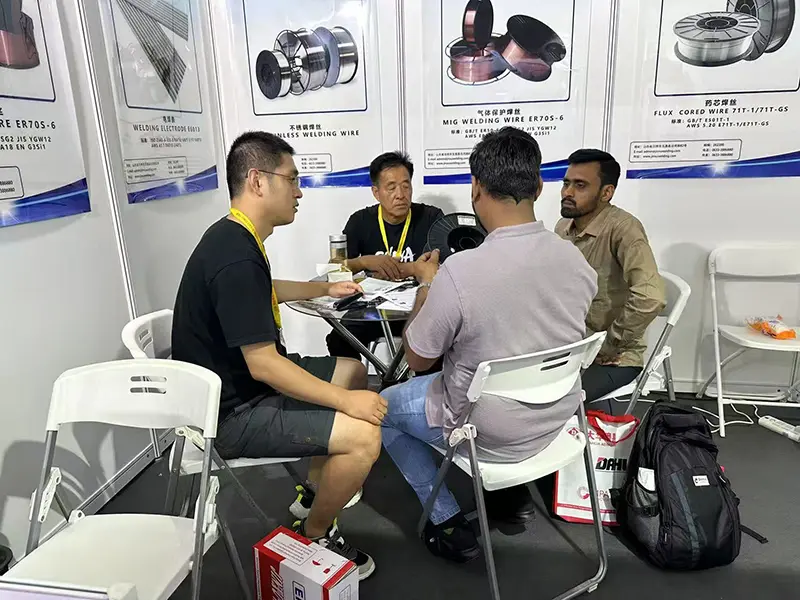
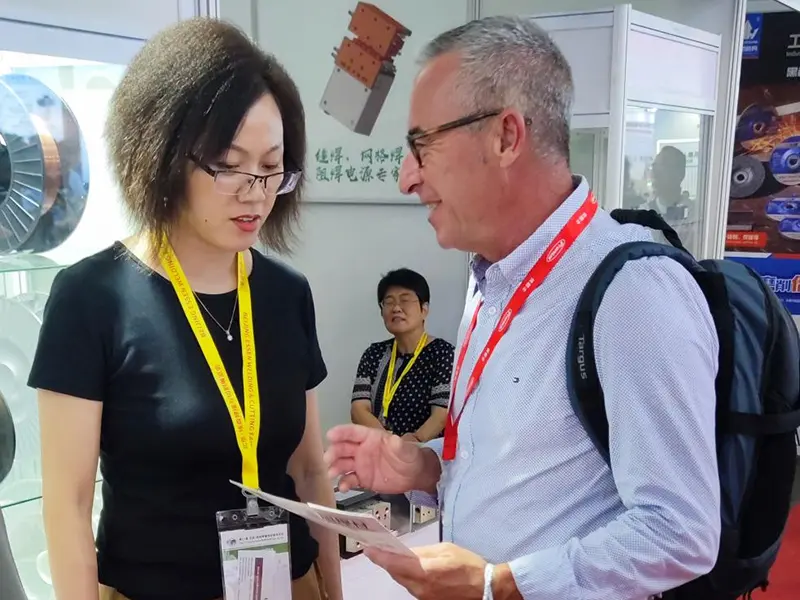
Showing our manufacturing excellence and industry presence to distributors and partners worldwide.
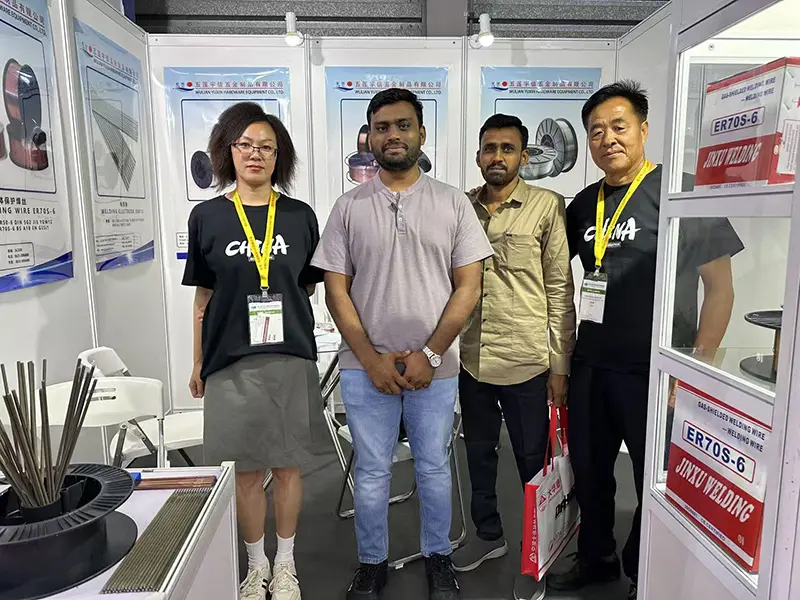
Answering critical technical and logistical questions for procurement managers and welding engineers in Chicago and the Midwest.
A: ER308L and ER316L contain low carbon levels (less than 0.03%), which prevents chromium carbide precipitation during welding. For Chicago structures exposed to seasonal temperature shifts and road salt spray, this alloy prevents intergranular corrosion. ER316L also contains molybdenum, which offers excellent resistance to pitting in acidic or high-chloride environments like food processing and chemical plants.
A: Our Factory 4.0 production line keeps strict control over the wire’s cast and helix parameters. By keeping tolerances 30% tighter than standard industry limits, the wire feeds smoothly through long conduits without slipping or bird-nesting. This consistency reduces downtime, which is a major factor in keeping high-volume Chicago production facilities running efficiently.
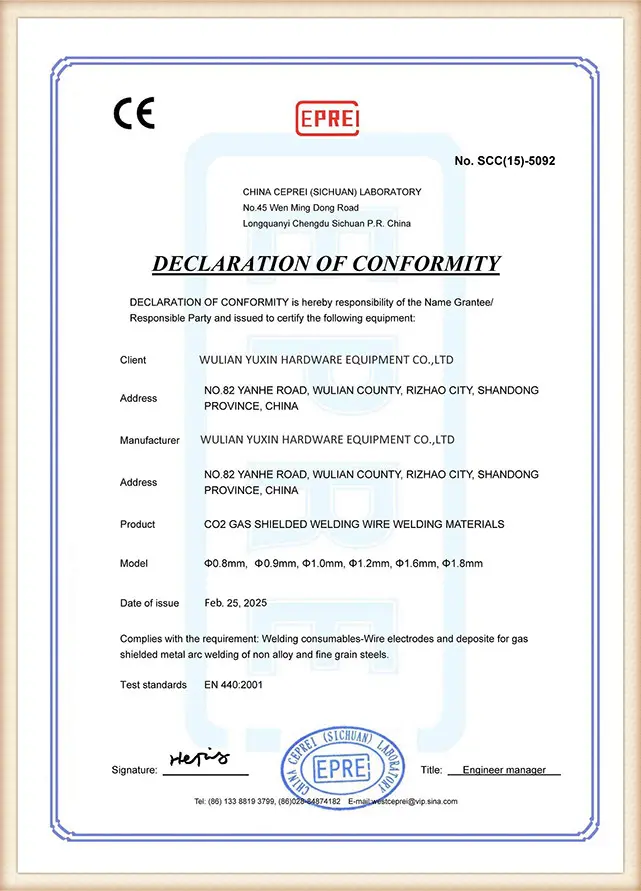
A: All of our welding consumables comply with international regulatory frameworks, including ISO9001 and CE certifications. We supply standard Mill Test Certificates (MTC) detailing chemical composition and mechanical properties, ensuring complete traceability for projects under Chicago building codes and AWS requirements.
A: We ship directly from our Shandong production base via Qingdao Port. We offer flexible terms including FOB, CIF, and DDP. Shipments to major Midwestern hubs like Chicago typically take 25 to 35 days, depending on shipping schedules and intermodal rail connections from West Coast ports or direct East Coast routes.
A: Yes. We offer fully customizable OEM options, including branded spools (plastic or wire baskets), custom pallet arrangements, and tailored weight options (such as 5kg, 15kg, or bulk drums) to fit your specific automated payoff systems and retail packaging requirements.
Explore our full line of welding consumables and wire solutions, manufactured to strict global standards.
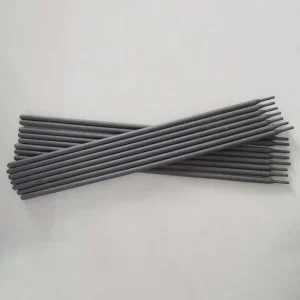
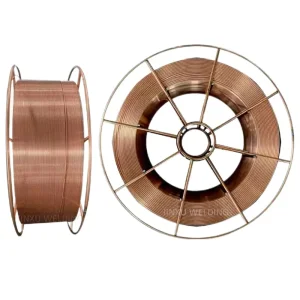
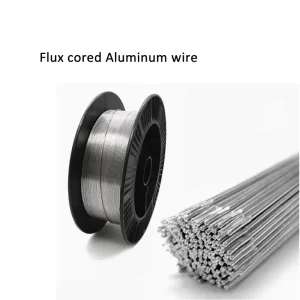
 Yuxin
Yuxin