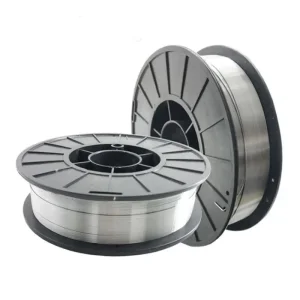
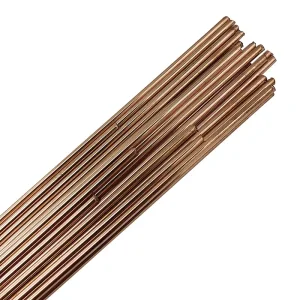
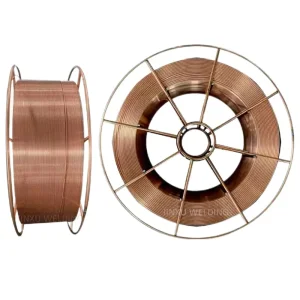
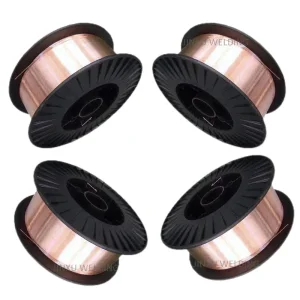
Premium Grade Raw Wire Materials Engineered and Calibrated to Satisfy Rigid Japanese Industrial Standards (JIS).
Japan’s industrial sector is renowned globally for its relentless pursuit of precision engineering, zero-defect quality parameters, and high-performance metal properties. From the automotive assembly lines in Aichi Prefecture to the advanced maritime construction hubs in Nagasaki, the consumption of high-alloy steel and stainless steel wires is critical to securing infrastructural durability and product safety.
Under the Monozukuri philosophy, Japanese manufacturers enforce rigorous standards on chemical uniformity, surface finish consistency, and tensile strength tolerances of imported stainless steel wires. This demands that global suppliers provide not just products, but verified engineering credentials, complete metallurgical traceability, and adaptive logistics options designed for Just-in-Time (JIT) production environments.
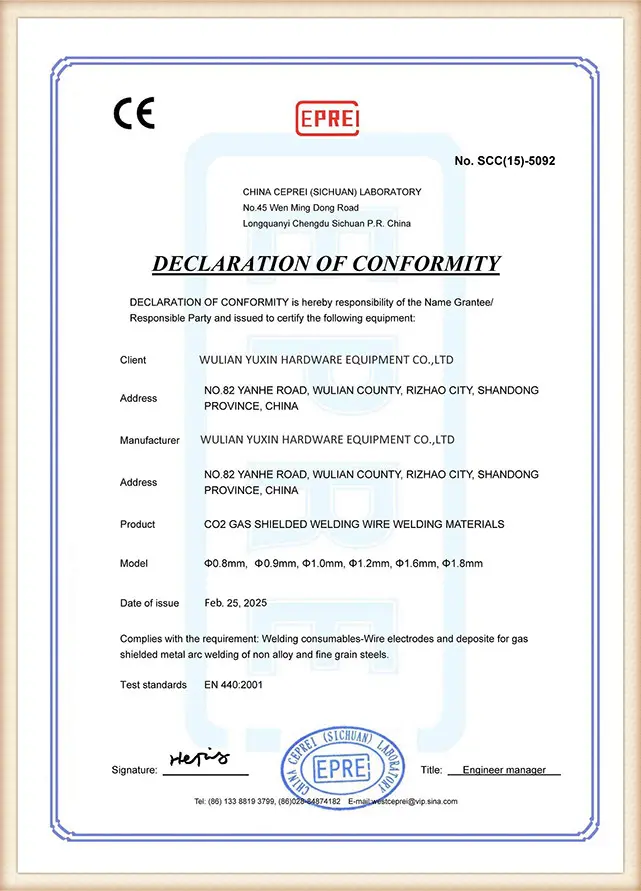
To serve Japan’s demanding industrial markets, we control the entire chemistry profile of our stainless steel and carbon steel wires. Our automated wire-drawing facilities utilize multi-stage carbide and diamond dies to achieve absolute diameter consistency, maintaining tolerances within +/-0.01mm—which is 30% stricter than traditional international requirements.
In weld joints exposed to seawater, high-pressure steam, or chemical corrosion, the composition of the welding wire determines the performance limit of the entire structure. For example, our ER316L stainless steel wire features molybdenum additions that enhance resistance to pitting corrosion in chloride environments, which is vital for coastal installations and shipping fleets throughout the Yokohama and Kobe ports.
| Grade Designation | Standard Equivalent | Typical Chemistry (%) | Primary Target Application | Japanese Industry Alignment |
|---|---|---|---|---|
| ER308L | JIS Z 3321 / AWS A5.9 | C≤0.03, Cr:19.5-22.0, Ni:9.0-11.0, Mn:1.0-2.5 | Welding 18Cr-8Ni stainless steels (SUS304) | Food processing machinery, pharmaceutical containers |
| ER316L | JIS Z 3321 / AWS A5.9 | C≤0.03, Cr:18.0-20.0, Ni:11.0-14.0, Mo:2.0-3.0 | Welding low-carbon 18Cr-12Ni-2Mo (SUS316) | Chemical processing, marine engineering, offshore pipes |
| ER70S-6 | JIS Z 3312 / AWS A5.18 | C:0.06-0.15, Mn:1.40-1.85, Si:0.80-1.15 | High-speed automated MIG carbon steel welding | Automotive frame fabrication, structural steel frames |
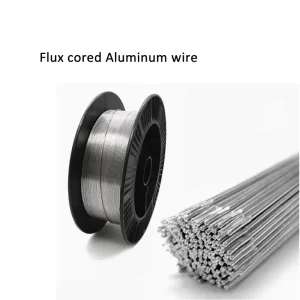
| E71T-1C | JIS Z 3313 / AWS A5.20 | C:0.12, Mn:1.75, Si:0.90, P≤0.03, S≤0.03 | Flux-cored positional high-efficiency welding | Heavy shipbuilding, structural bridge girders |
A persistent concern in high-speed, automated wire feeding is wire slippage, micro-arcing inside the contact tip, or excessive spatter. To resolve these friction points, our production plant implements a specialized surface treatment protocol. This leaves a micro-thin, uniform layer of advanced synthetic lubricants on the wire surface. This dynamic coating reduces feed friction by up to 25%, extending contact tip lifespans and ensuring consistent arc stability for Japanese automated robotic cells (such as Yaskawa and Fanuc welding systems).
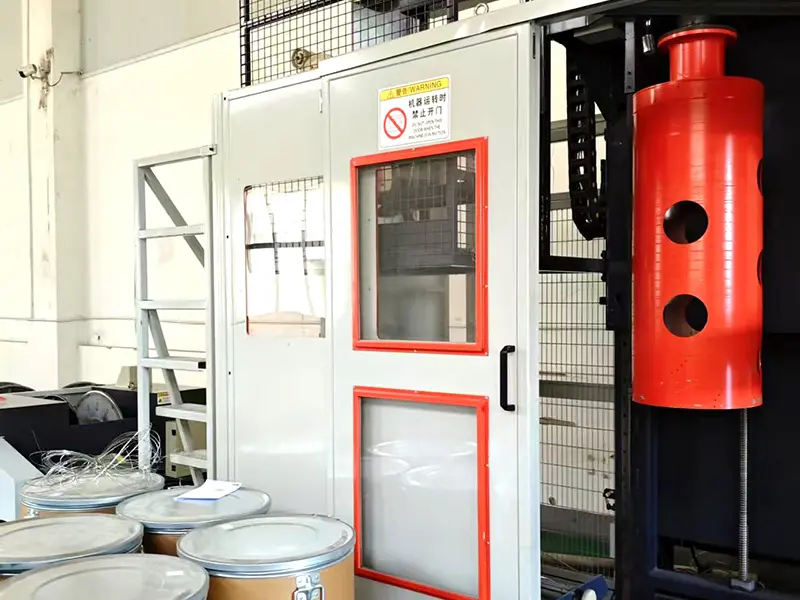
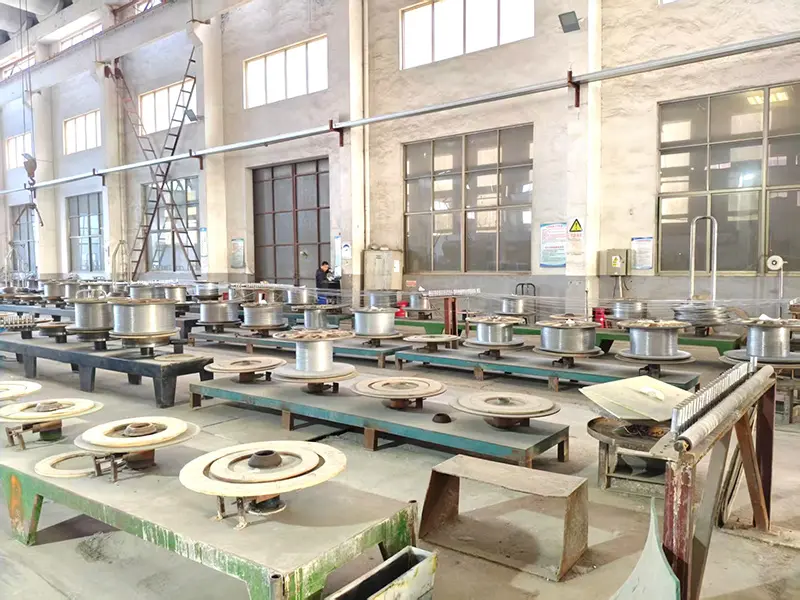
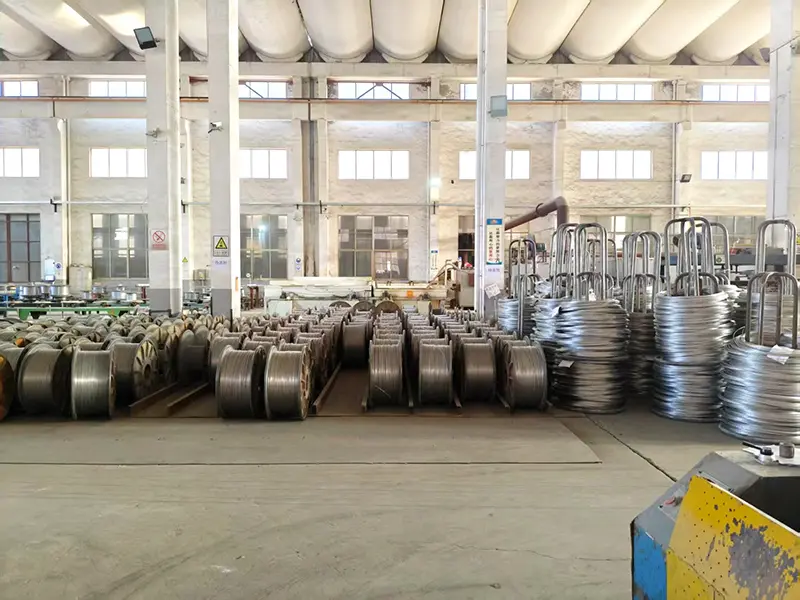
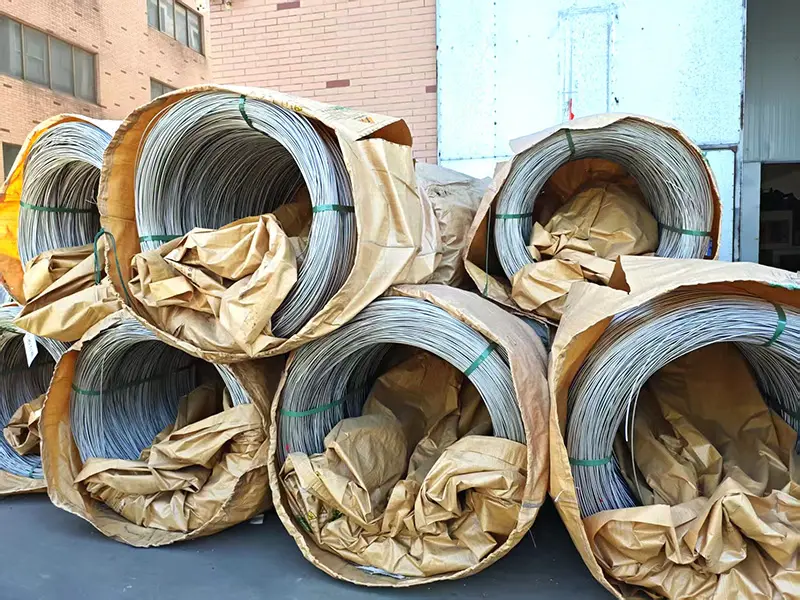
For industrial operations, shipping delays mean lost revenue. Located in Wulian, Rizhao City, Shandong Province, Wulian Yuxin Hardware Equipment Co., Ltd. sits close to China's major maritime gateways: Qingdao Port and Rizhao Port. These close ports allow us to offer transit times to major Japanese industrial ports (Tokyo, Osaka, Kobe, Nagoya) of just 2 to 4 days.
By leveraging the benefits of the RCEP (Regional Comprehensive Economic Partnership) agreement, we supply Japanese buyers with tariff-optimized structures, simplified customs clearing processes, and secure, high-durability transit packaging. We wrap all our export-ready products in vapor-corrosion-inhibiting (VCI) polymers and place them inside heavy-duty palletized crates. This dual layer of defense safeguards the wires from saline humidity and temperature swings during transport across the East China Sea.
Founded in 2004, Wulian Yuxin Hardware Equipment Co., Ltd. has developed from a dedicated regional manufacturer into a trusted global supplier of welding consumables. Spanning a 15,000-square-meter modern industrial site, our factory features integrated raw material preparation, multi-pass cold drawing, automated spool winding, and clean chemical testing labs.
Our quality control program operates independently of production teams. Each batch of raw wire rod must pass spectrographic verification to confirm alloy compositions before entering the drawing blocks. We supply comprehensive Material Test Certifications (MTC) conforming to EN 10204 3.1 with every shipment, ensuring Japanese engineering departments receive verifiable metallurgical documentation for their compliance audits.
Rigorous manufacturing controls ensure our ER308L, ER316L, and carbon steel wires match the tolerances specified under Japanese Industrial Standard codes.
Our proprietary coating layer keeps wire feeding smooth, limits spatter, and minimizes down-time during long automated welding runs.
From raw wire rod selection to packaging, every spool is laser-etched with a unique heat number trace linked to raw chemical reports.
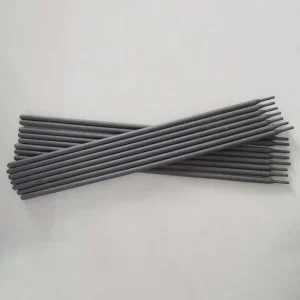
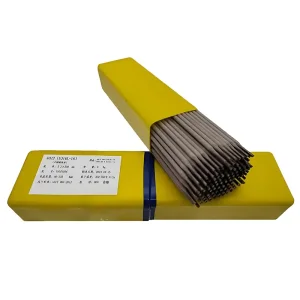
Explore our full line of welding electrodes, carbon steel wires, and high-performance alloys for heavy industrial projects.
For heavy manufacturing sectors, chemical trace element deviations are a primary root cause of weld failure. A slight surplus of phosphorus (P) or sulfur (S) can cause hot cracking at high temperatures. Our metallurgical processes limit these elements to under 0.015%, well below the allowances set by international standards.
In addition, control of the ferrite content in stainless steels is critical for avoiding structural embrittlement. Our ER308L and ER316L wires are processed to retain a ferrite number (FN) between 3 and 8. This provides the correct balance to prevent cracking during cooling, while maintaining solid corrosion resistance under exposure to corrosive acids.
Industrial demand is moving toward automated, continuous processes. In response, we are upgrading our drawing lines to add real-time eddy current testing. This allows us to catch and flag surface micro-fractures, voids, or inclusions before the wire is spooled. This system improves production security and helps clients reduce down-time from feeding issues on the shop floor.
We recognize that every production facility has unique requirements. For clients across Japan, we offer customized chemical tuning. If your project needs narrow limits on nickel, manganese, or cobalt for nuclear or marine environments, our R&D team can refine the metallurgical balance to suit your specifications.
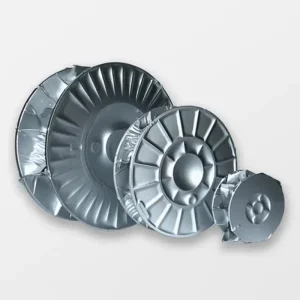
Beyond composition, we support clients with dedicated packaging options. This includes plastic spools for standard setups, steel carriers for heavy wire-feed runs, and bulk drum packs for robot weld stations. Our support team works with regional Japanese distributors to assist you from testing phases through to full integration, ensuring you have the right materials for your process.
As manufacturing trends turn toward sustainable operations, our factory is investing in green production updates. We have changed to closed-loop water recirculation systems for cooling our wire dies, and we use biodegradable drawing lubricants. This helps us offer products with a lower environmental footprint, helping our partners meet their corporate sustainability targets.
Get professional answers about technical specifications, ordering processes, and shipping details to Japan.
 Yuxin
Yuxin